Sugar Cupping at East Well
John Clare preserved Helpston’s old Whitsun custom of visiting East Well with sugar and water for wishing and good luck in the spring landscape.

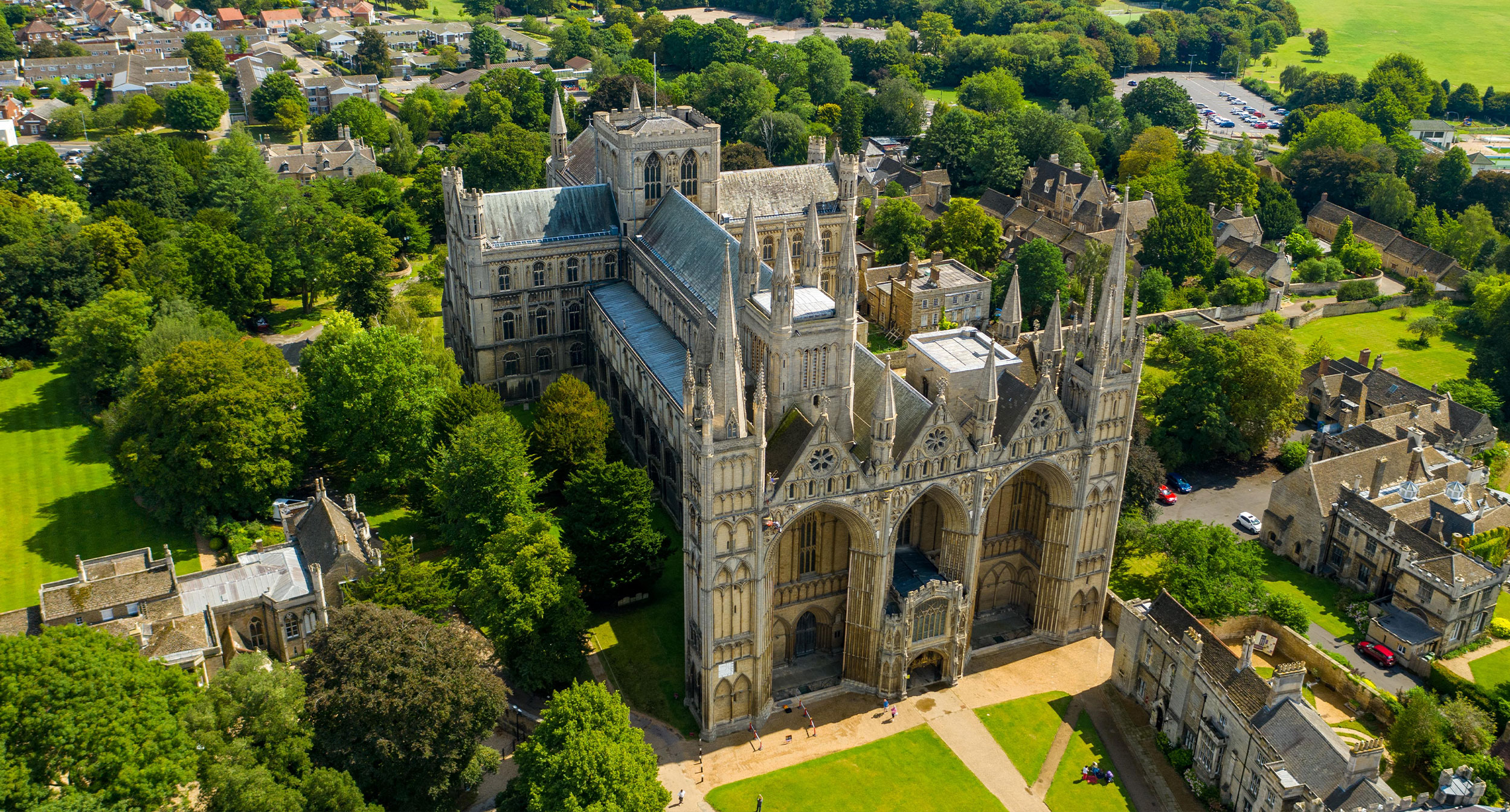
Find experiences for every kind of Peterborough day, from culture and heritage to family adventures, wildlife, nightlife and active leisure.
 Start exploring
More than you imagine.
Discover things to do →
Start exploring
More than you imagine.
Discover things to do →
Festivals, music, comedy, performance, heritage, exhibitions and events across Peterborough.
Explore all events →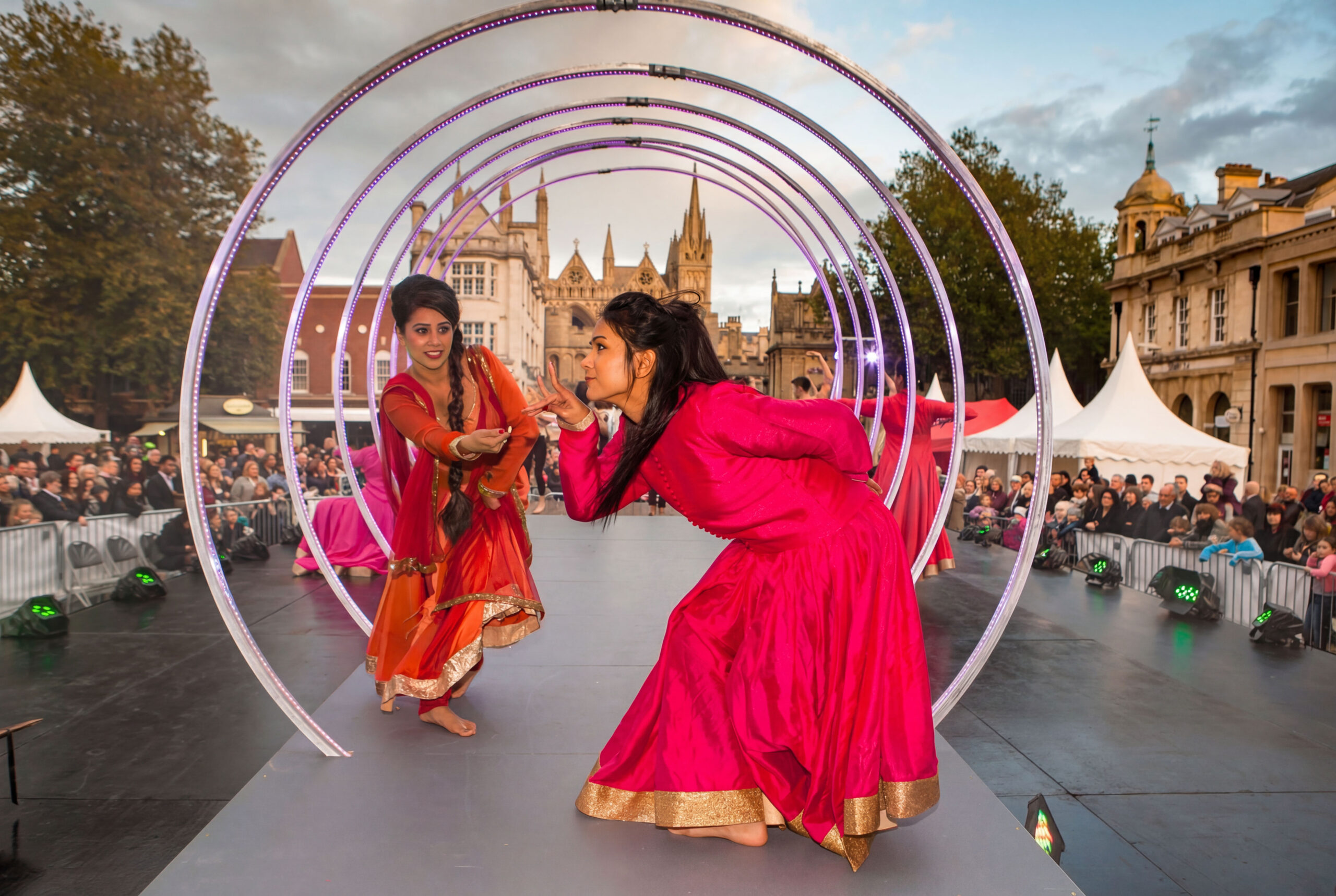 Festivals · gigs · theatre · more
Something is always happening.
See what’s on →
Festivals · gigs · theatre · more
Something is always happening.
See what’s on →
 History · landscape · people · culture
See the bigger picture.
Go deeper →
History · landscape · people · culture
See the bigger picture.
Go deeper →
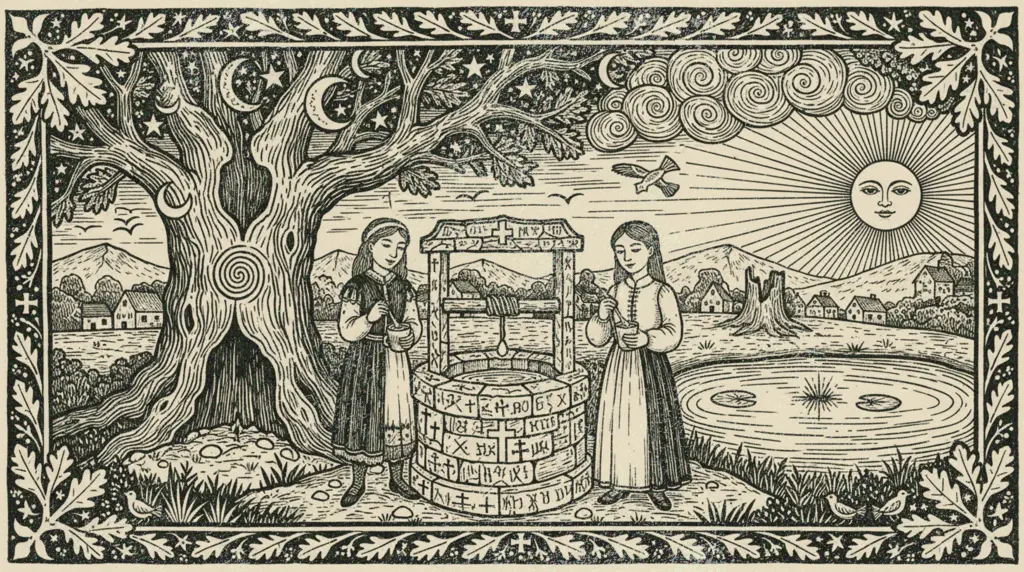
John Clare preserved Helpston’s old Whitsun custom of visiting East Well with sugar and water for wishing and good luck in the spring landscape.
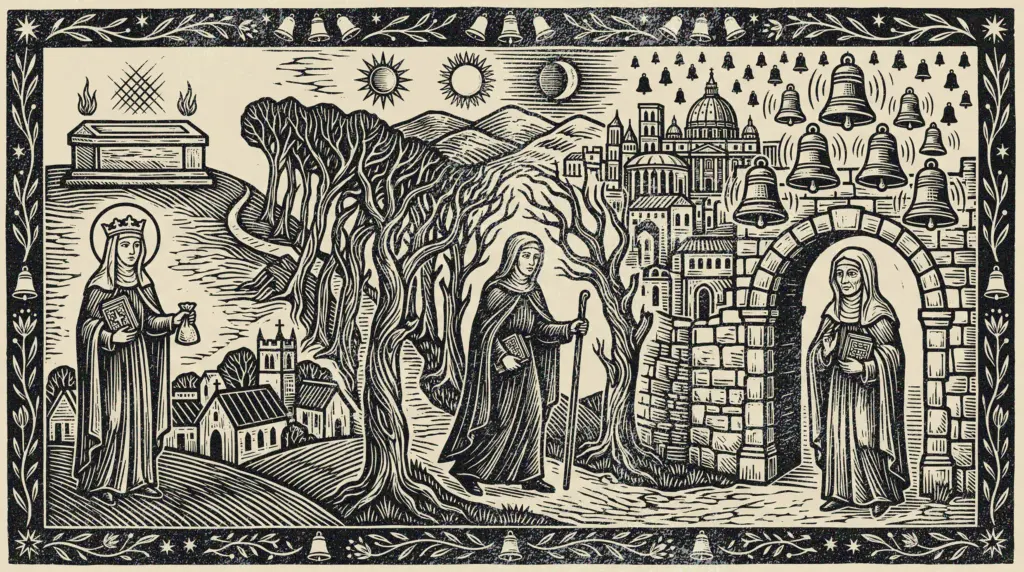
Discover Pega, sister of St Guthlac and the woman behind Peakirk’s name, through early medieval writing, healing tradition, church history and later legend.
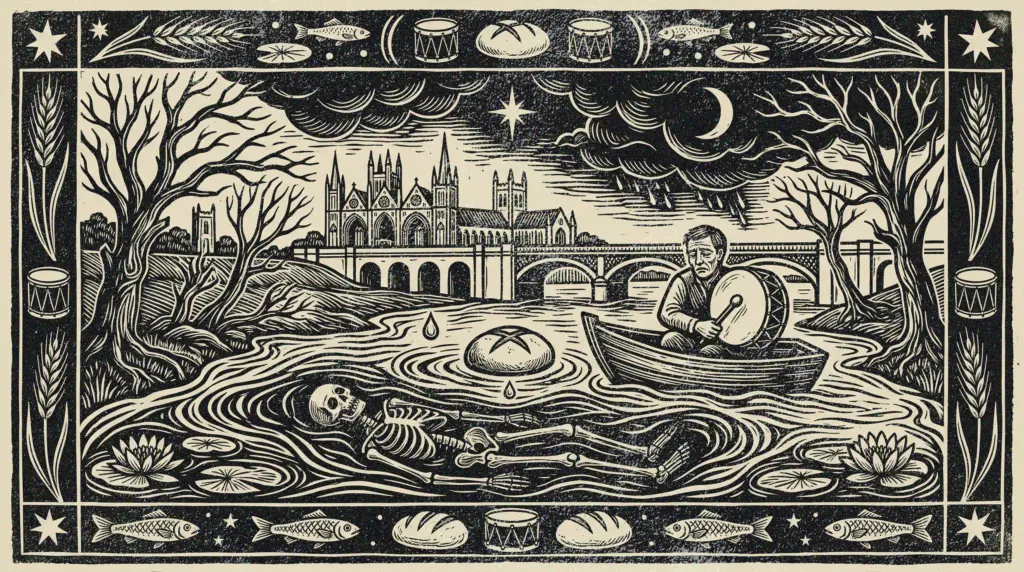
When the River Nene would not surrender a drowned body, Peterborough tradition offered a strange solution involving a loaf, quicksilver, moving water and a drum.
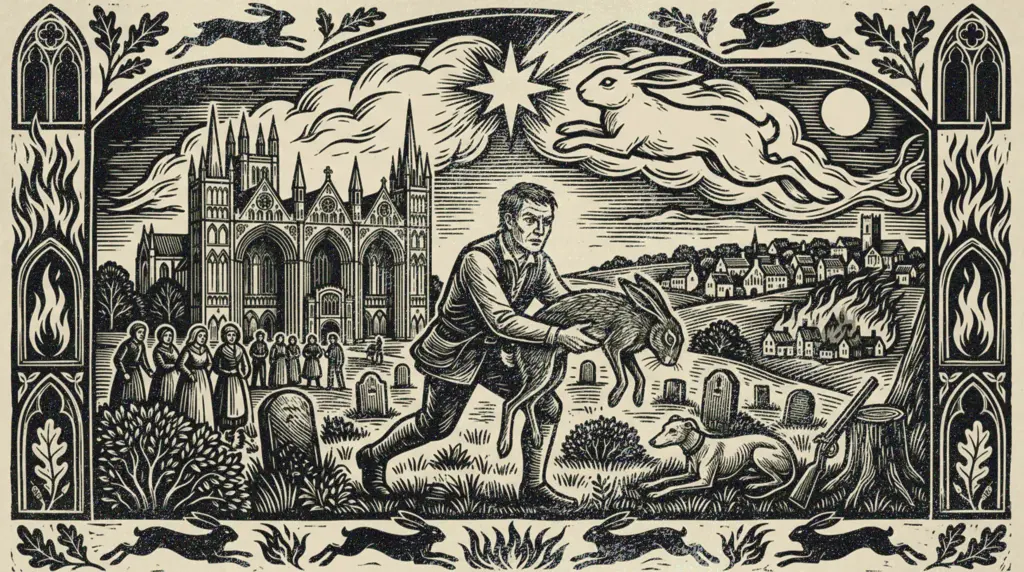
An old Peterborough rhyme warned that if a hare made its resting place in the Cathedral Close, fire would strike the town within a week.
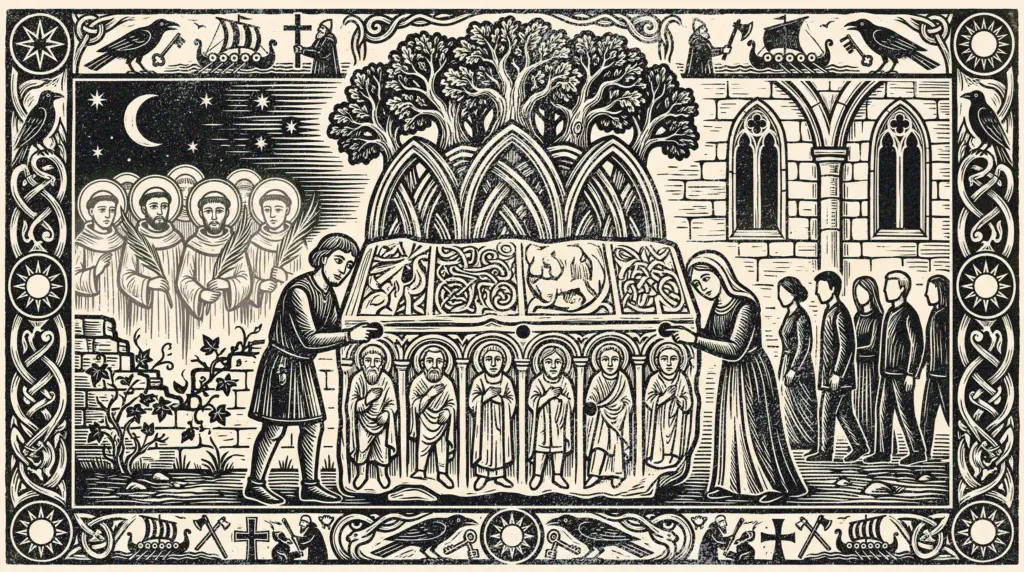
Behind Peterborough Cathedral’s high altar stands an extraordinary Anglo-Saxon monument pierced by six mysterious holes and surrounded by centuries of interpretation and custom.
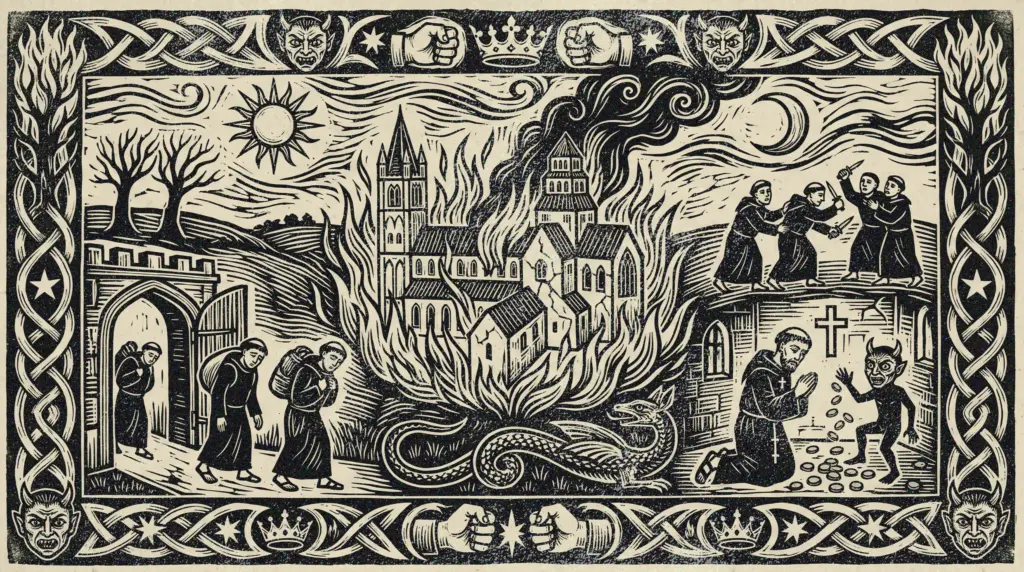
A careless invocation of the Devil became attached to the devastating Peterborough Abbey fire of 1116, preserved in the medieval account of Hugh Candidus.
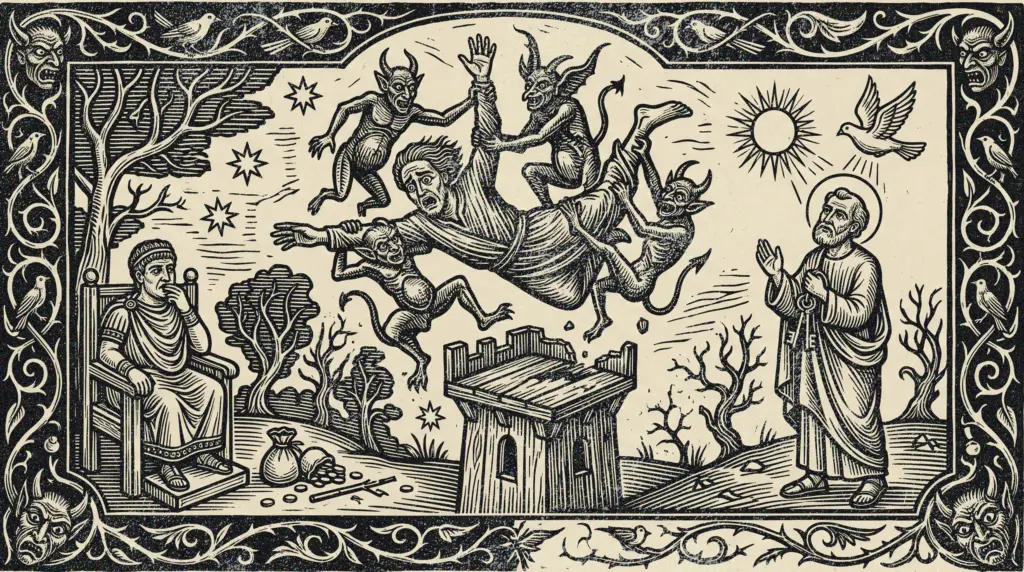
Look beneath Peterborough Cathedral’s magnificent West Front and find an upside-down man seized by demons, possibly the notorious biblical magician Simon Magus.
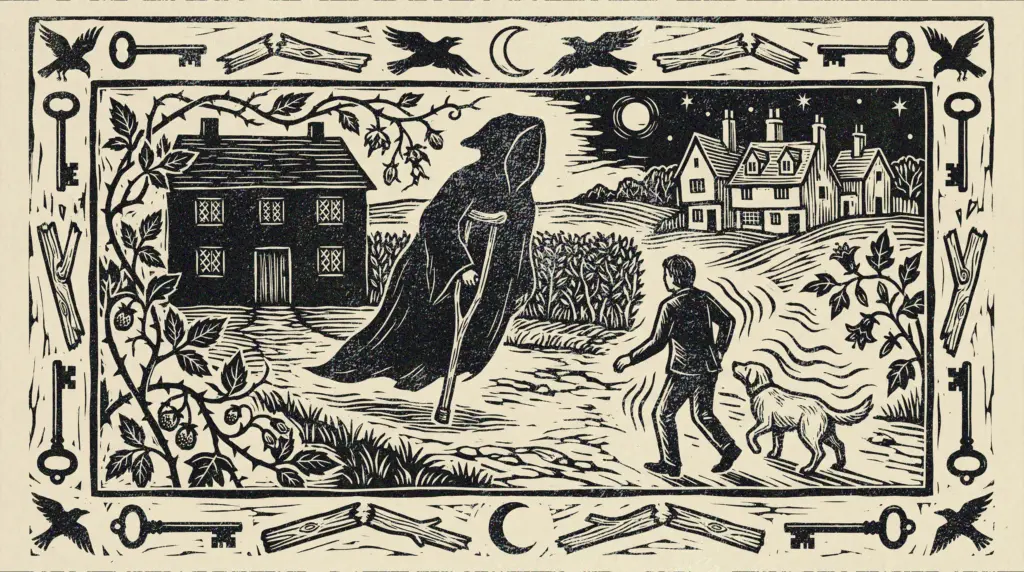
In 1926 witnesses reported a short black-hooded figure gliding along the road between Dogsthorpe and Garton End. Some claimed to see it repeatedly.
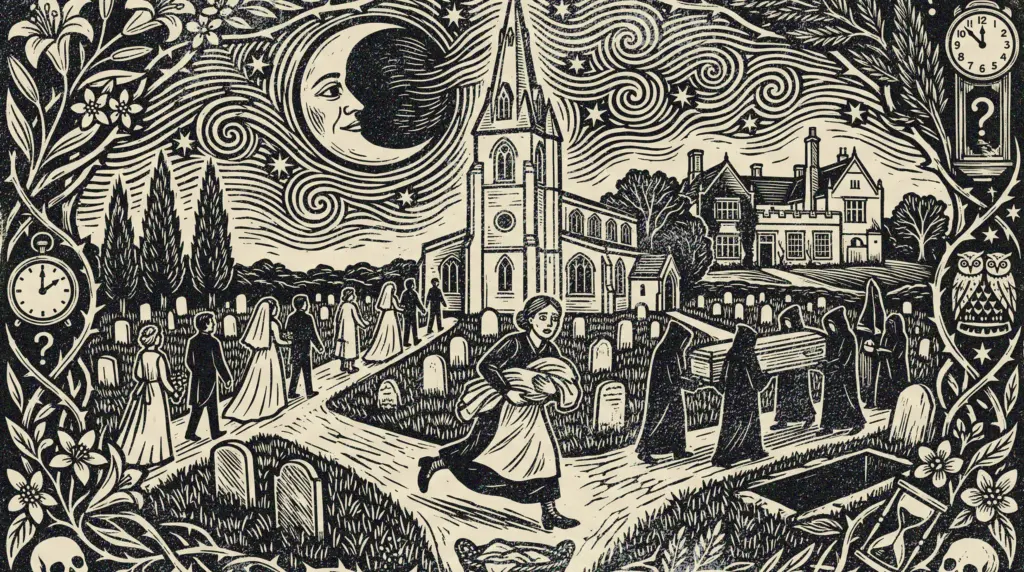
An old St Mark’s Eve belief said the coming year’s weddings and funerals could be seen in advance by watching at All Saints Churchyard in Paston.
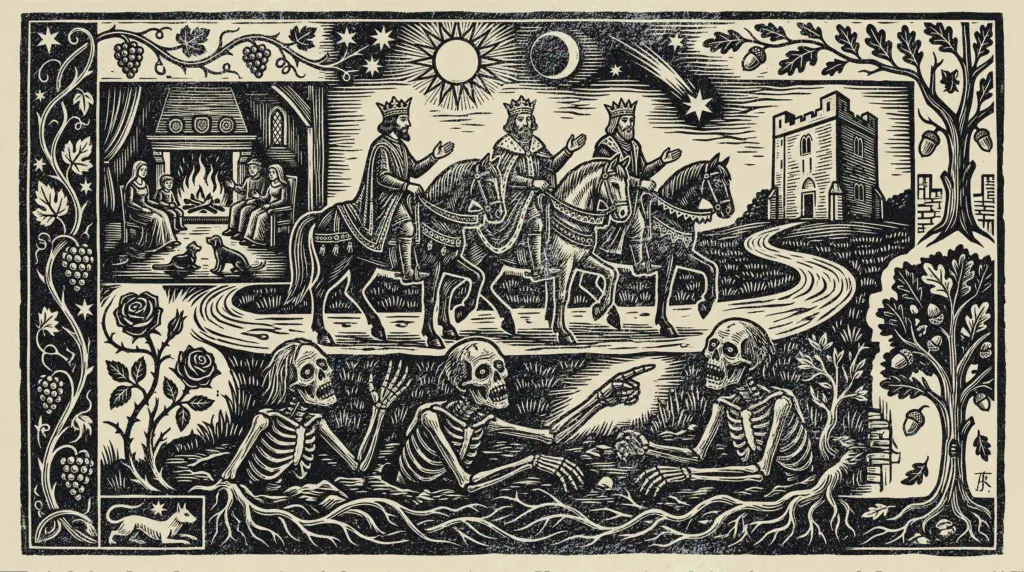
At Longthorpe Tower, three magnificently dressed kings encounter three corpses in one of medieval Europe’s most unsettling reminders that status cannot defeat death.
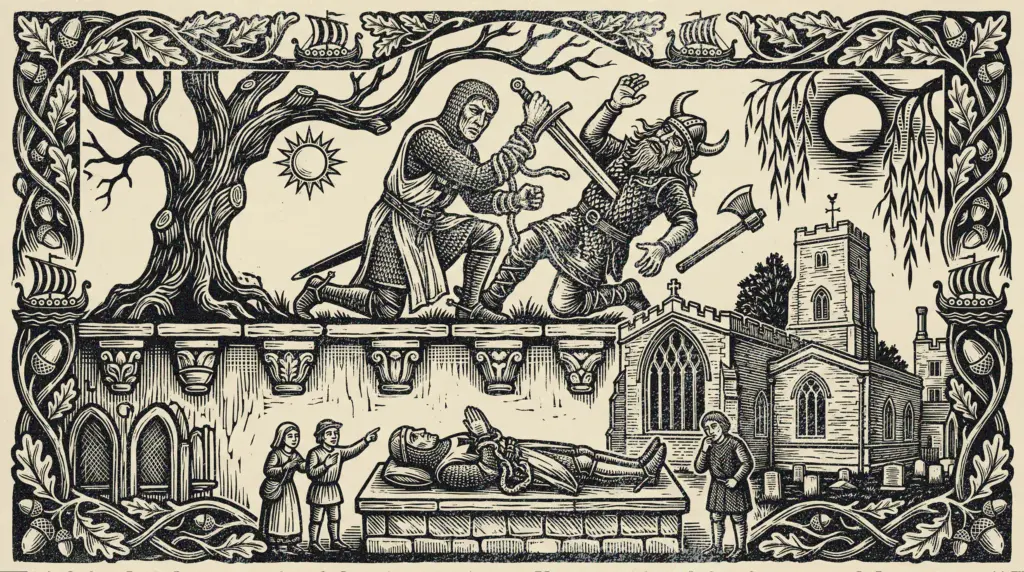
A medieval knight lies inside Holy Trinity, Orton Longueville. One unusual carved detail inspired a far more gruesome explanation in local folklore.
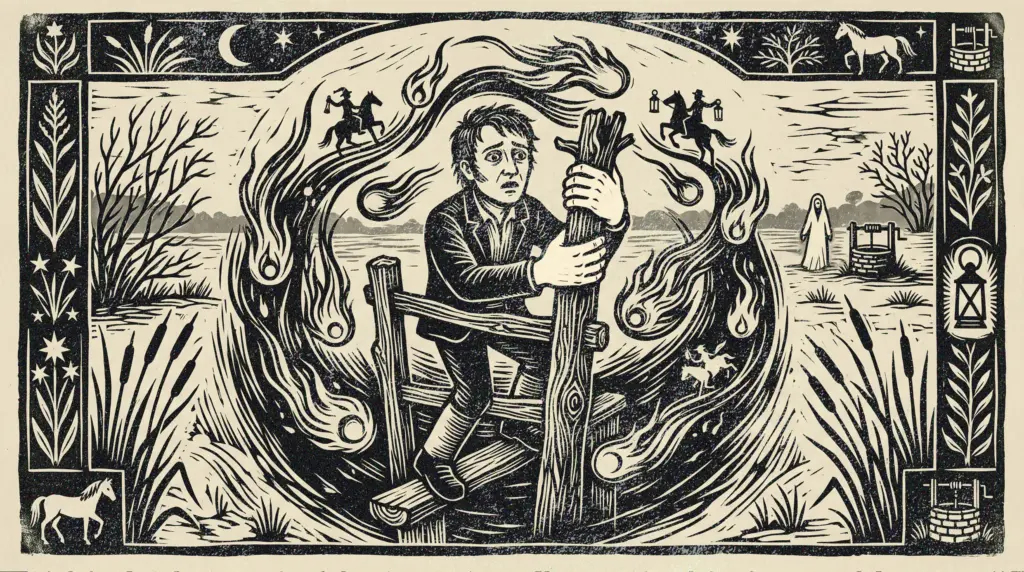
John Clare did more than write about will-o’-the-wisps. He described seeing them himself around Helpston, preserving an extraordinary meeting of observation, folklore and fear.
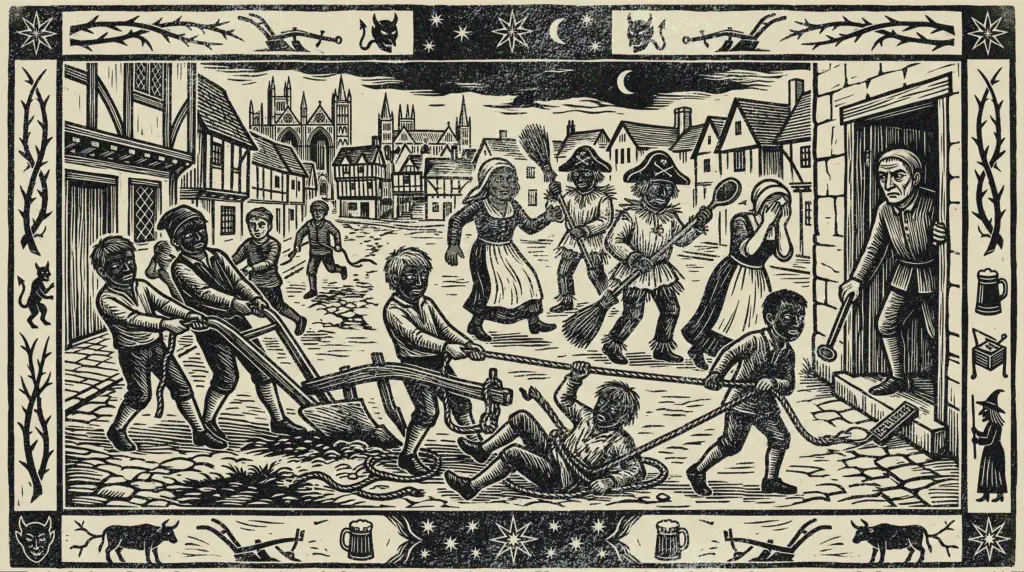
John Clare recorded the disguises, blackened faces and ritual misrule of Peterborough’s Plough Monday performers, part of a winter tradition that survived across the region.
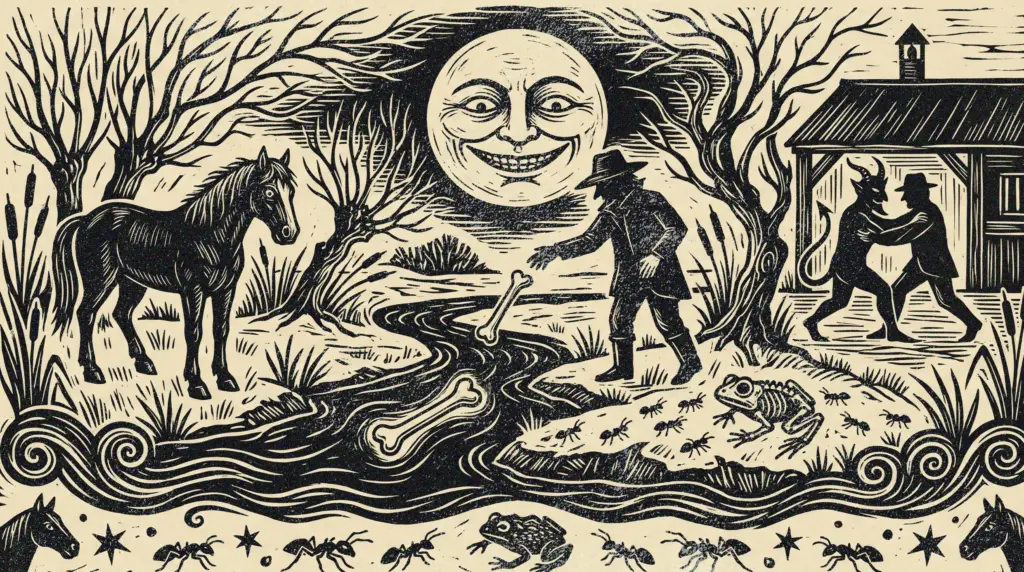
Fenland horsemen were said to possess a secret bone giving them extraordinary power over horses, obtained through one of British folklore’s strangest initiation rituals.
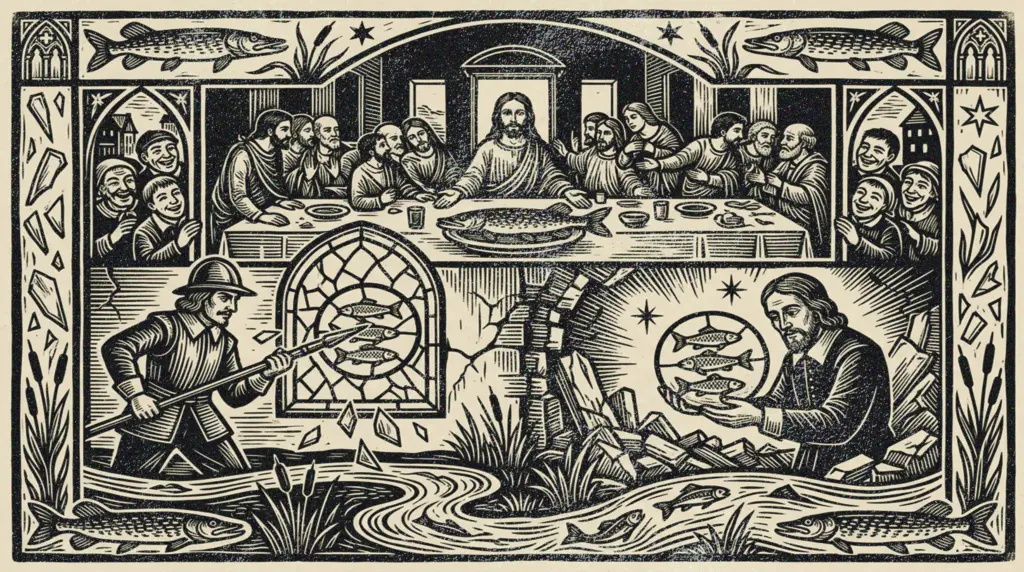
Why would a pike appear at the Last Supper? Explore Peterborough’s Paschal Pickerel tradition through lost medieval glass, Christian fish symbolism and Fenland life.
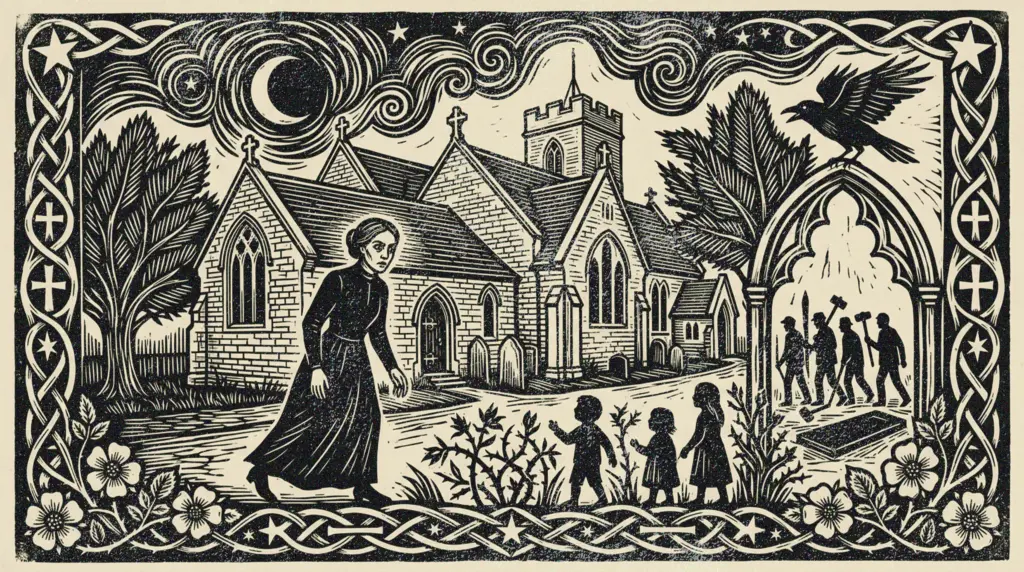
A Woman in Black was said to have appeared around Woodston from 1908. Sixty-five years later, the neighbourhood was still telling her story.
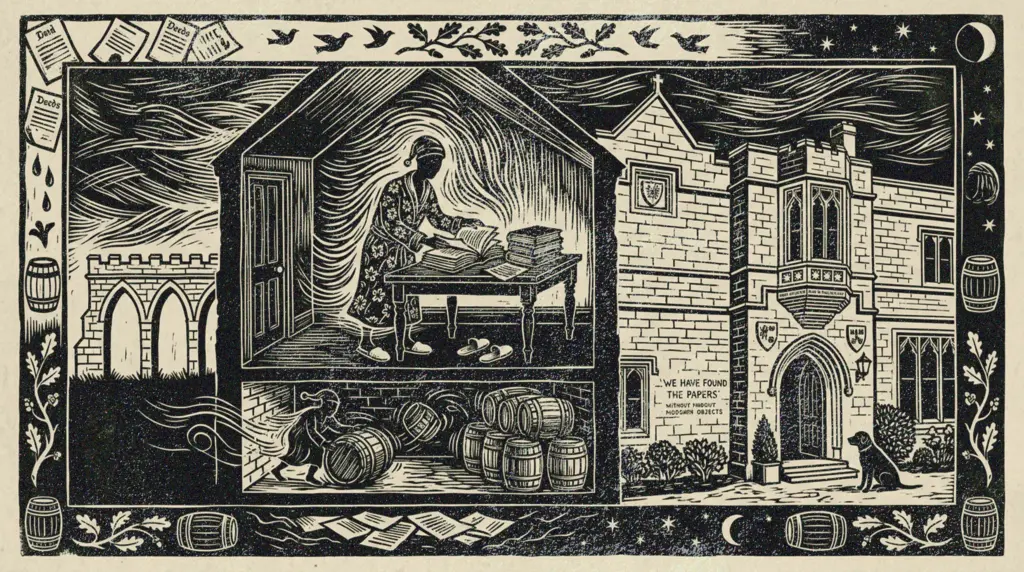
Meet Button Cap, the Barnack Rectory ghost heard in loose slippers, turning pages and searching endlessly for a missing deed while the Kingsley family listened.
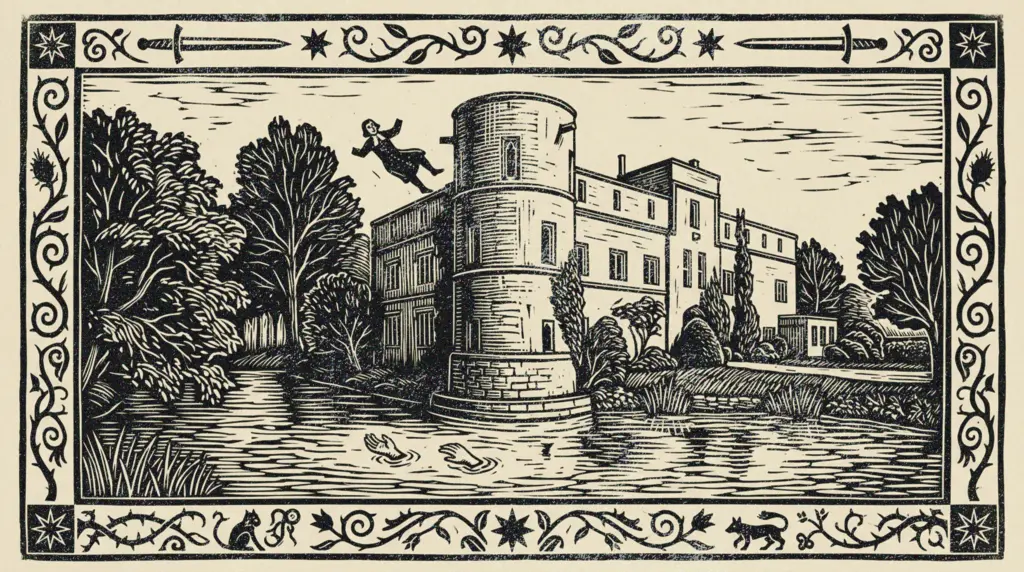
The haunting of Woodcroft Castle grew around the brutal death of Royalist clergyman Michael Hudson during the Second Civil War in June 1648.
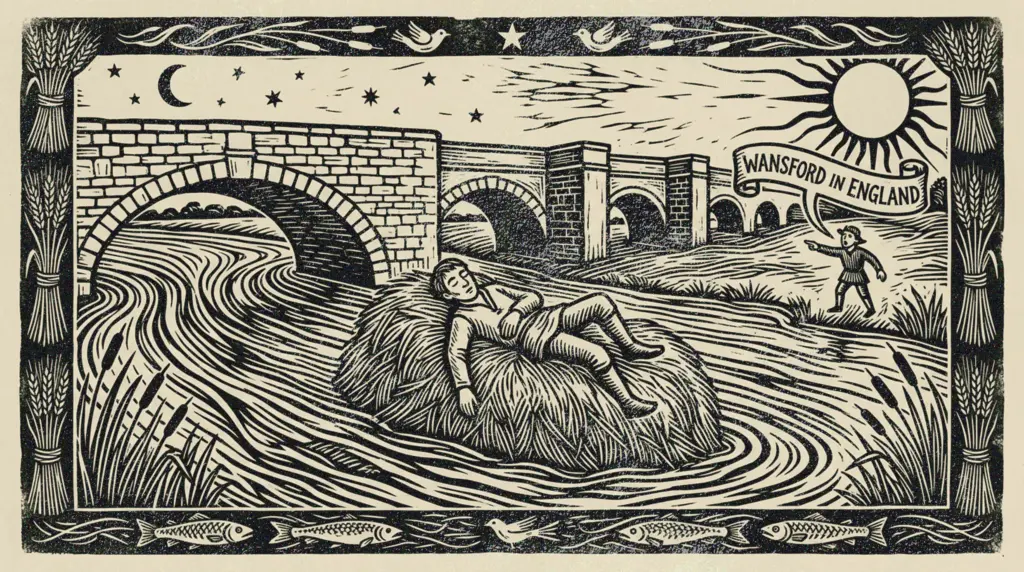
A sleeping man, a floating haycock and one persistent punchline. Discover how a seventeenth-century joke became part of Wansford’s identity for nearly four centuries.
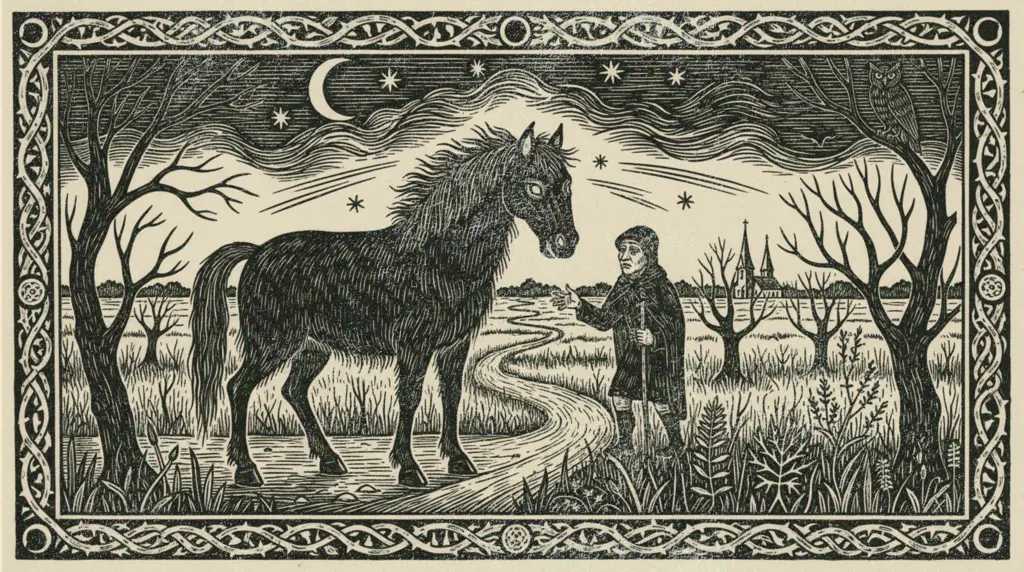
Around Barnack and Helpston, travellers feared a dark shaggy creature after nightfall. John Clare’s own experiences show how easily familiar animals became something stranger.
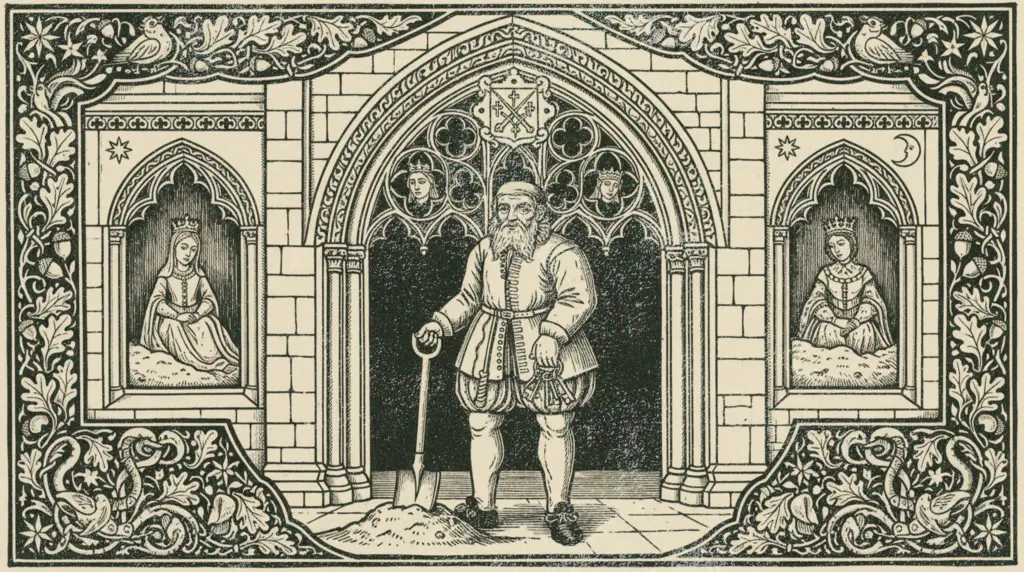
Meet Robert Old Scarlett, Peterborough Cathedral’s remarkable Tudor sexton, remembered for burying Katharine of Aragon and Mary Queen of Scots decades apart.
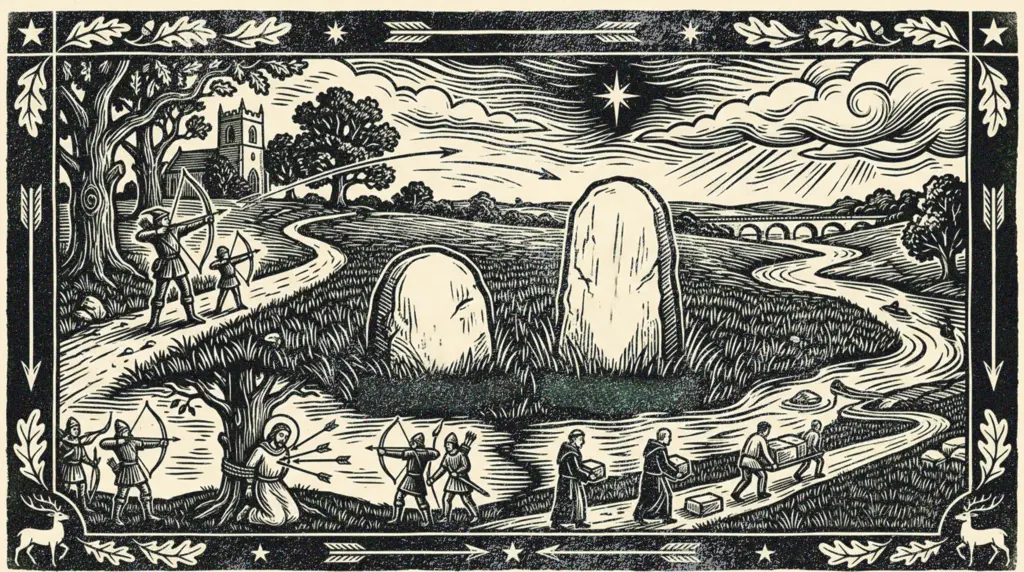
Two ancient stones near the Nene became Robin Hood and Little John, but their real history points towards medieval route rights, tolls and Barnack stone.
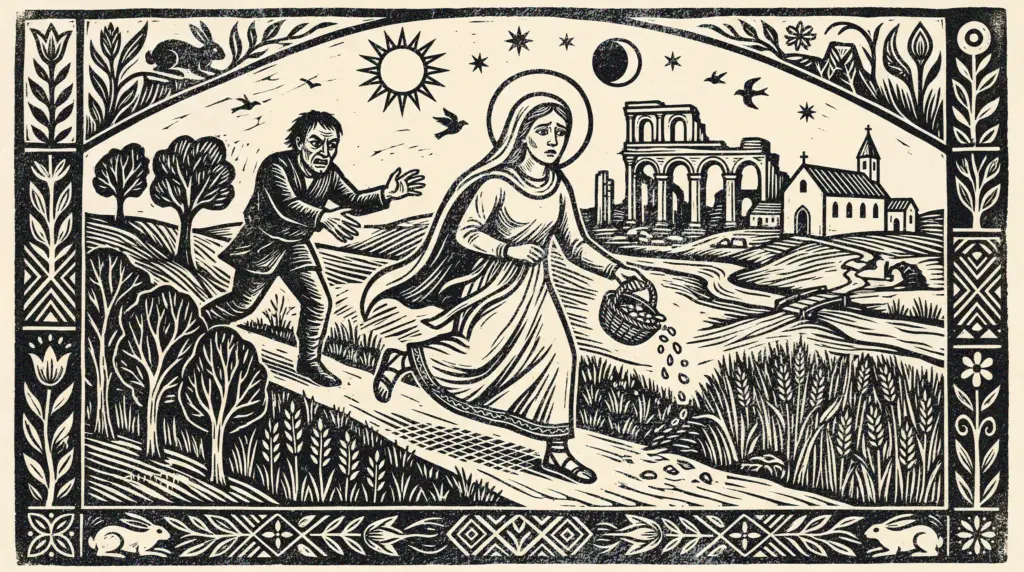
Follow the mysterious Lady Conyburrow’s Way at Castor, where St Kyneburgha, Roman archaeology, medieval tradition and a strange path through the landscape meet.
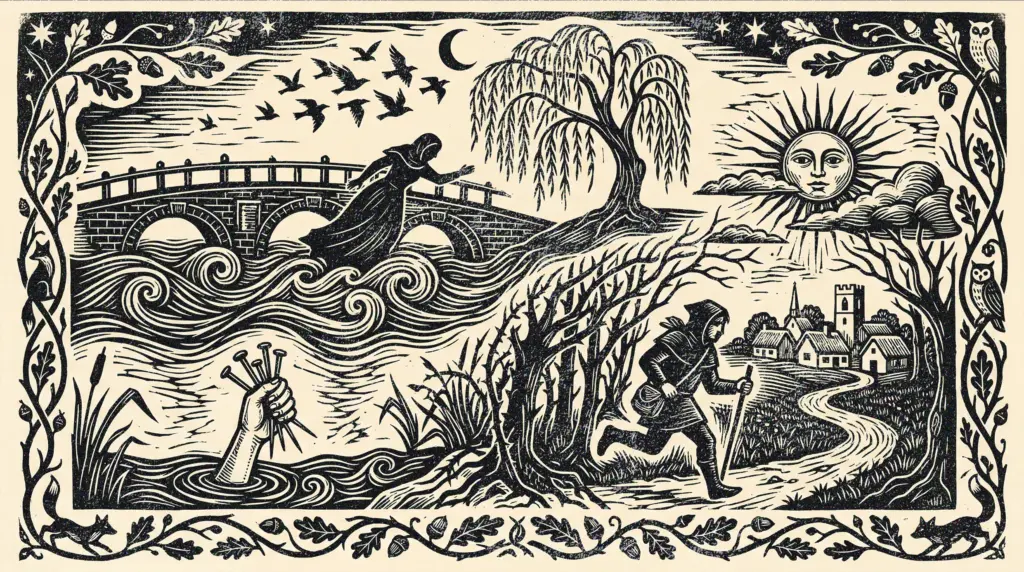
An unnamed tenth-century Ailsworth widow lost her land and was drowned after an accusation involving iron stakes. Later generations remembered her simply as a witch.