
More Than You Imagine

Discover Peterborough

Welcome to a city where history whispers from ancient stones, creativity fills our streets, and nature weaves through every corner. Whether you’re here for a day or a lifetime, there’s always more to uncover.

Four places. One Peterborough.

Peterborough is where three very different landscapes meet.

At its centre is a compact and evolving urban destination, rich in heritage, culture, shopping, food, entertainment and events. Around it stretch Clare Country, the Fen Edge and the Nene Reaches: living landscapes shaped by poetry, farming, water, wildlife, industry and human settlement.

Together, they tell a much bigger story than any one landmark. They connect prehistoric causeways with medieval streets, Roman roads with riverside trails, rural villages with contemporary culture, and internationally important heritage with everyday local life.

Peterborough Quarters & Districts

Four areas, one story

Explore the landscapes

Peterborough is a city of many voices. From the soaring towers of the Cathedral to the quiet poetry of Clare Countryside, from the old brickfields of the south to the vast skies of the Fens, each area adds its own thread to a richly woven whole.

01

Peterborough’s Urban Heart

Heritage, culture and contemporary city life

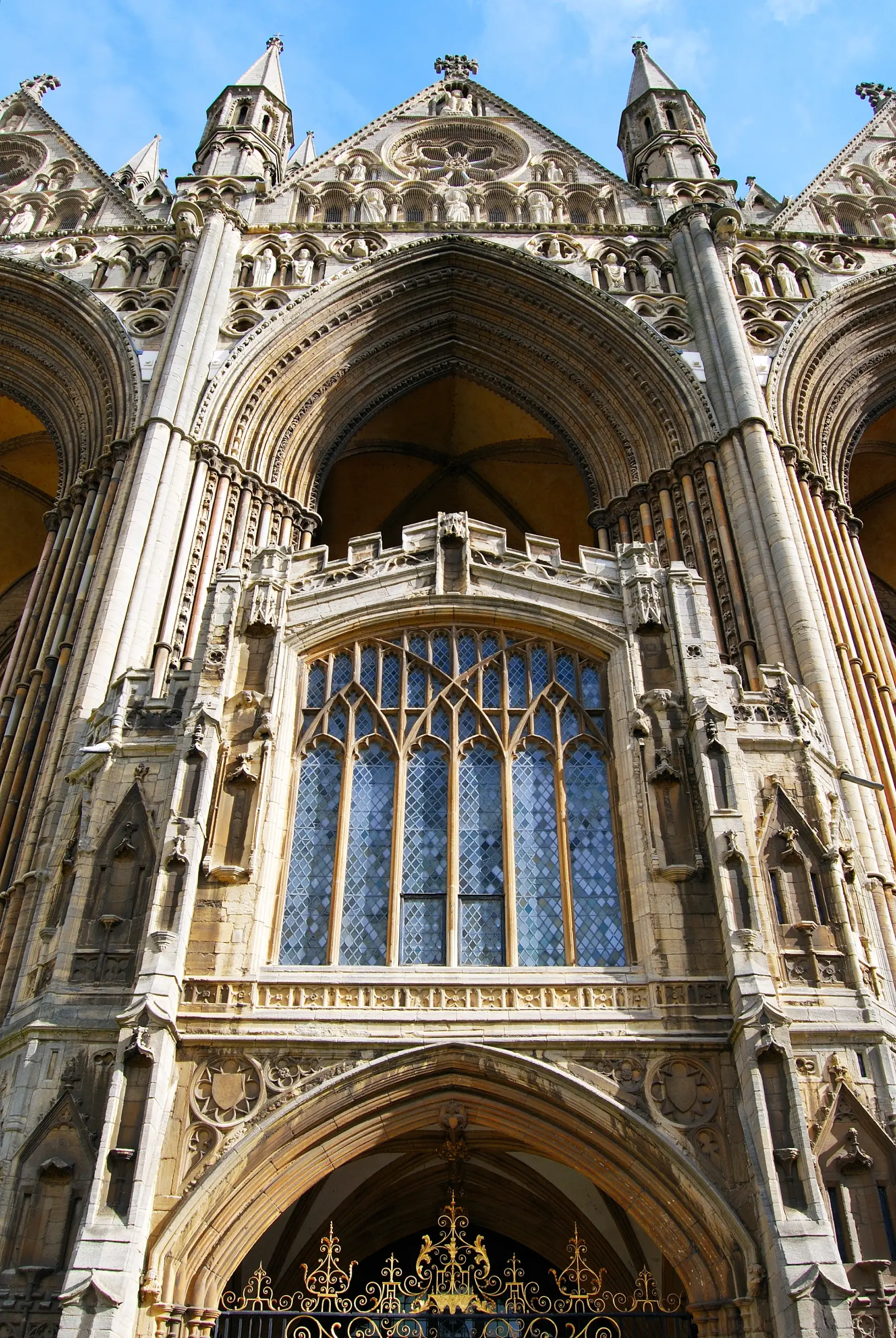
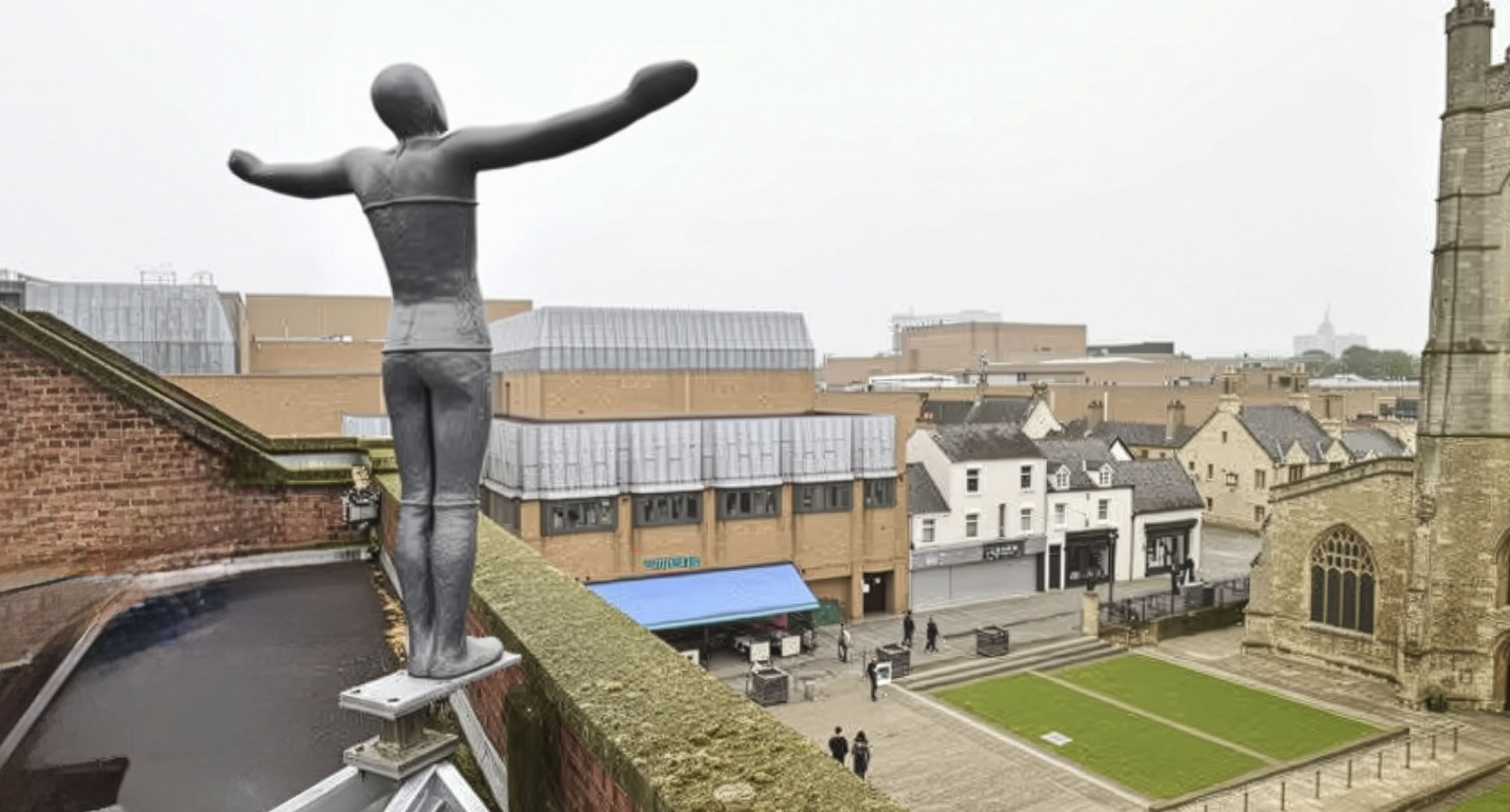
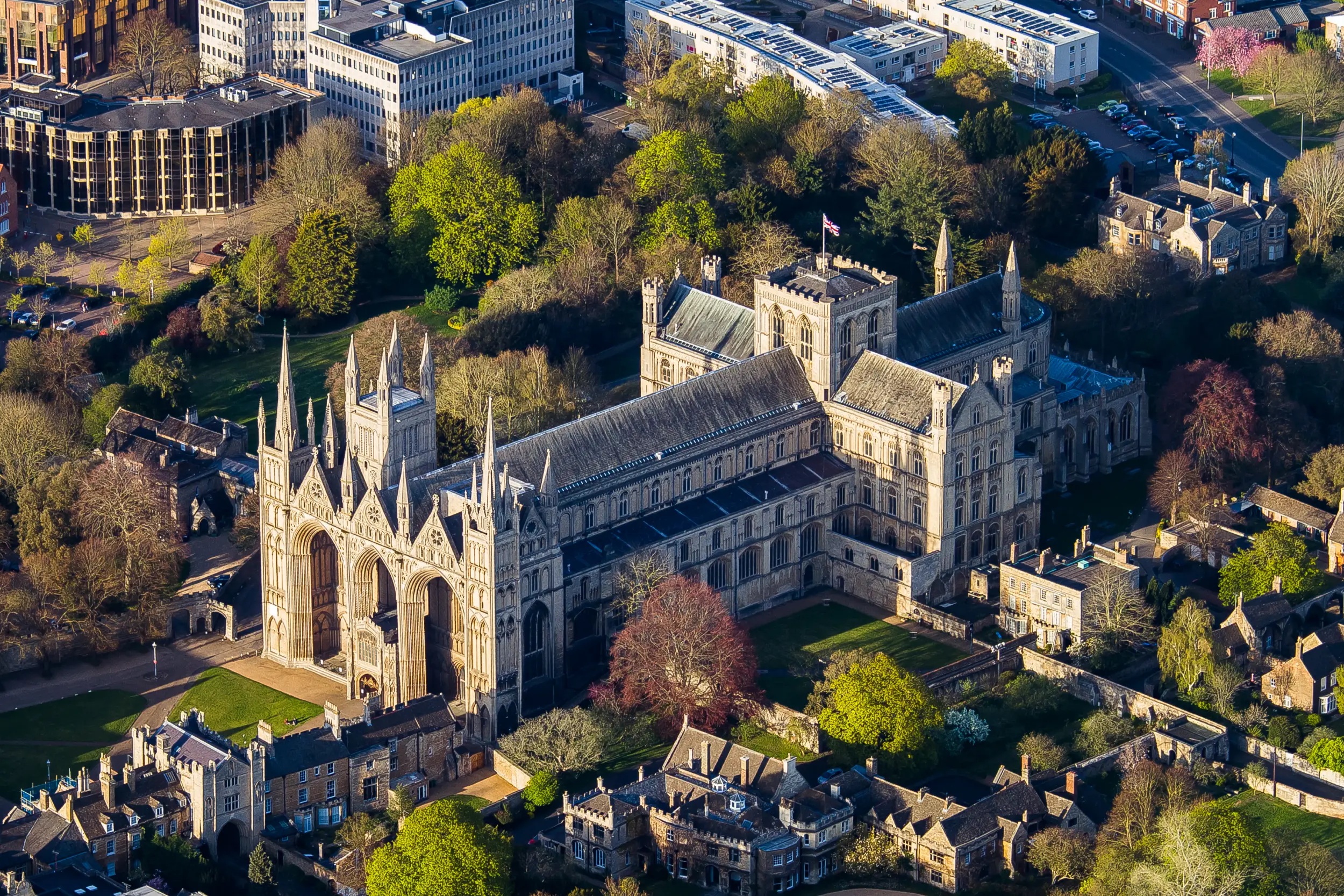
Peterborough’s city centre is the natural starting point for exploring the area. Here, one of England’s finest Norman cathedrals rises above historic streets, welcoming public spaces and a diverse modern city.

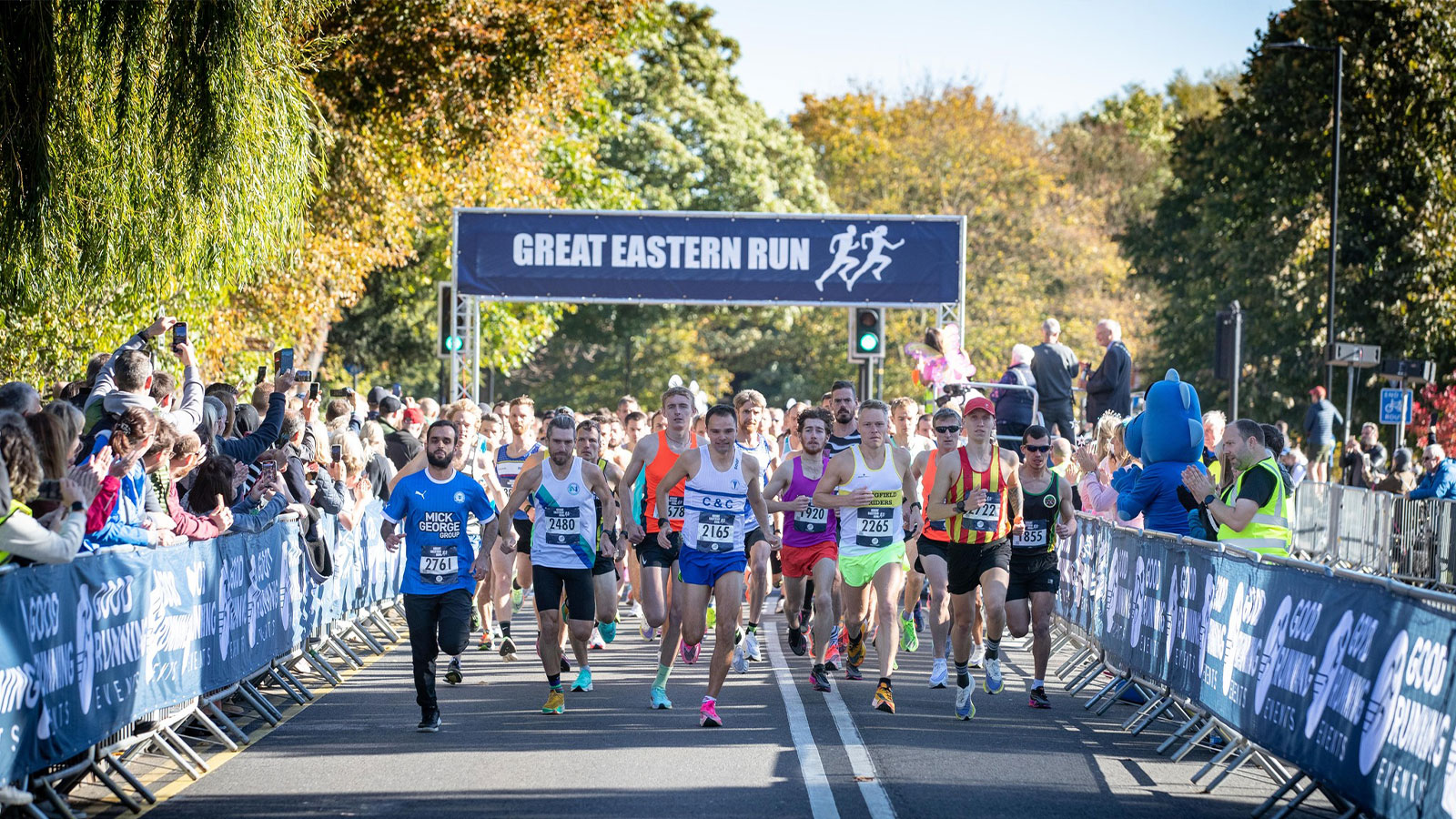
Discover the burial place of two queens, explore more than 200,000 years of local life at Peterborough Museum and Art Gallery, shop at Queensgate and the city’s independent businesses, or experience live theatre, music, festivals and food from around the world.

Just south of the centre, on the edge of the Embankment, Peterborough Lido has been drawing swimmers since 1936. Its art deco lines, heated open-air pool and sunbathing terraces make it one of the finest surviving lidos in the country and a summer institution for generations of local families.

The centre is compact enough to explore on foot, with the railway station, Cathedral Square, cultural venues, shopping areas, the Lido and the River Nene all within easy reach. Medieval architecture, railway heritage, public art and ambitious regeneration reveal a city that continues to change while remaining connected to its past.

02

Clare Countryside

Poetry, limestone villages and the winding Nene

North and west of the city lies Clare Countryside, a landscape of ancient paths, wildflower meadows, stone villages and river valleys, reaching from the edge of Peterborough out towards Stamford and the Northamptonshire border.

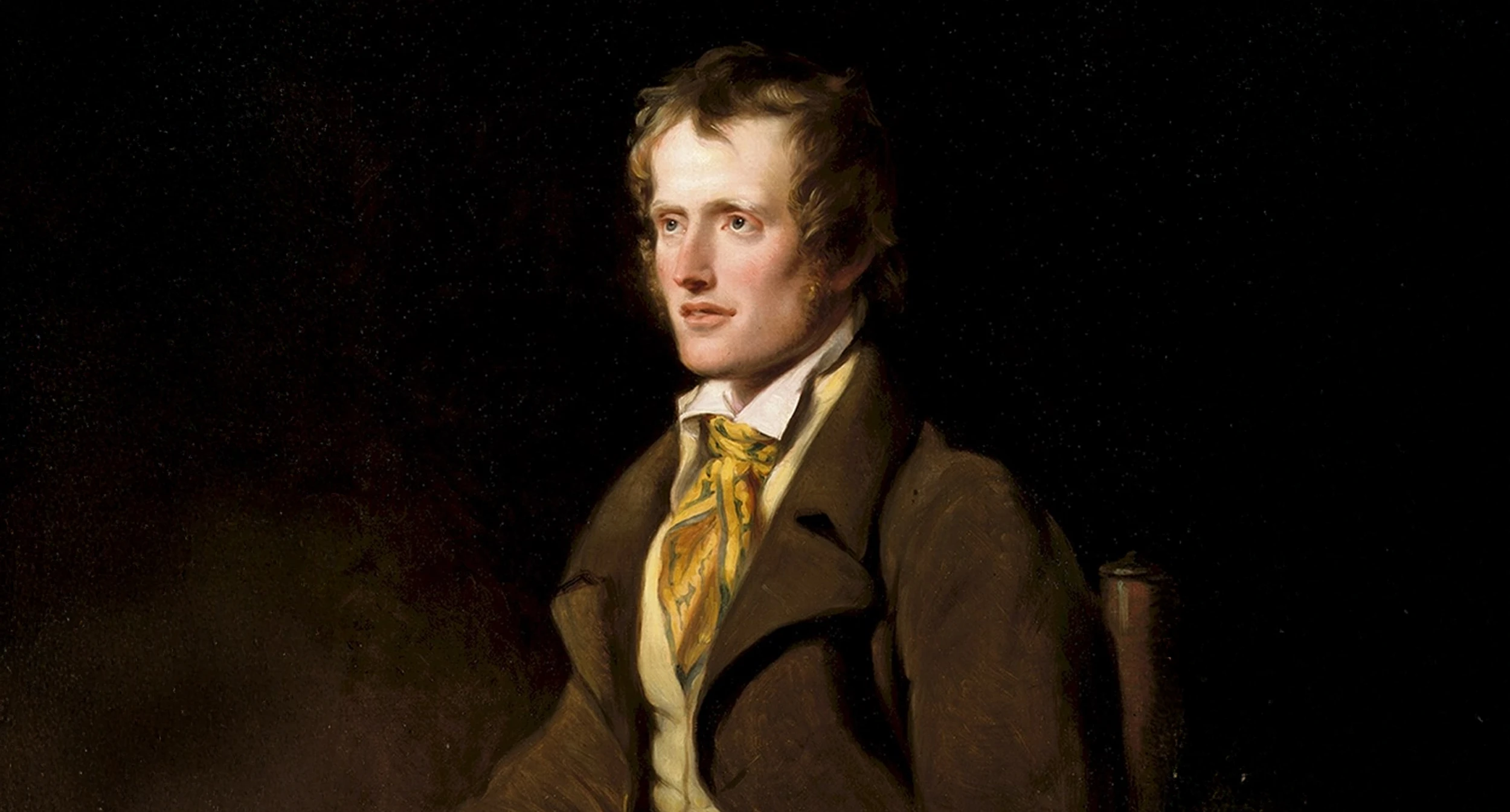
At its heart is Helpston, birthplace of John Clare, whose poetry captured the wildlife, working lives and changing countryside around him. His former home, village church and the paths he walked offer an intimate connection with one of England’s most important poets of place.

Beyond Helpston, honey-coloured villages, medieval churches and former stone quarries reveal another layer of Peterborough’s story. Barnack stone was used to construct Peterborough Cathedral and some of England’s most significant medieval buildings, while places such as Barnack Hills and Holes now protect exceptional limestone grassland and rare wildlife.

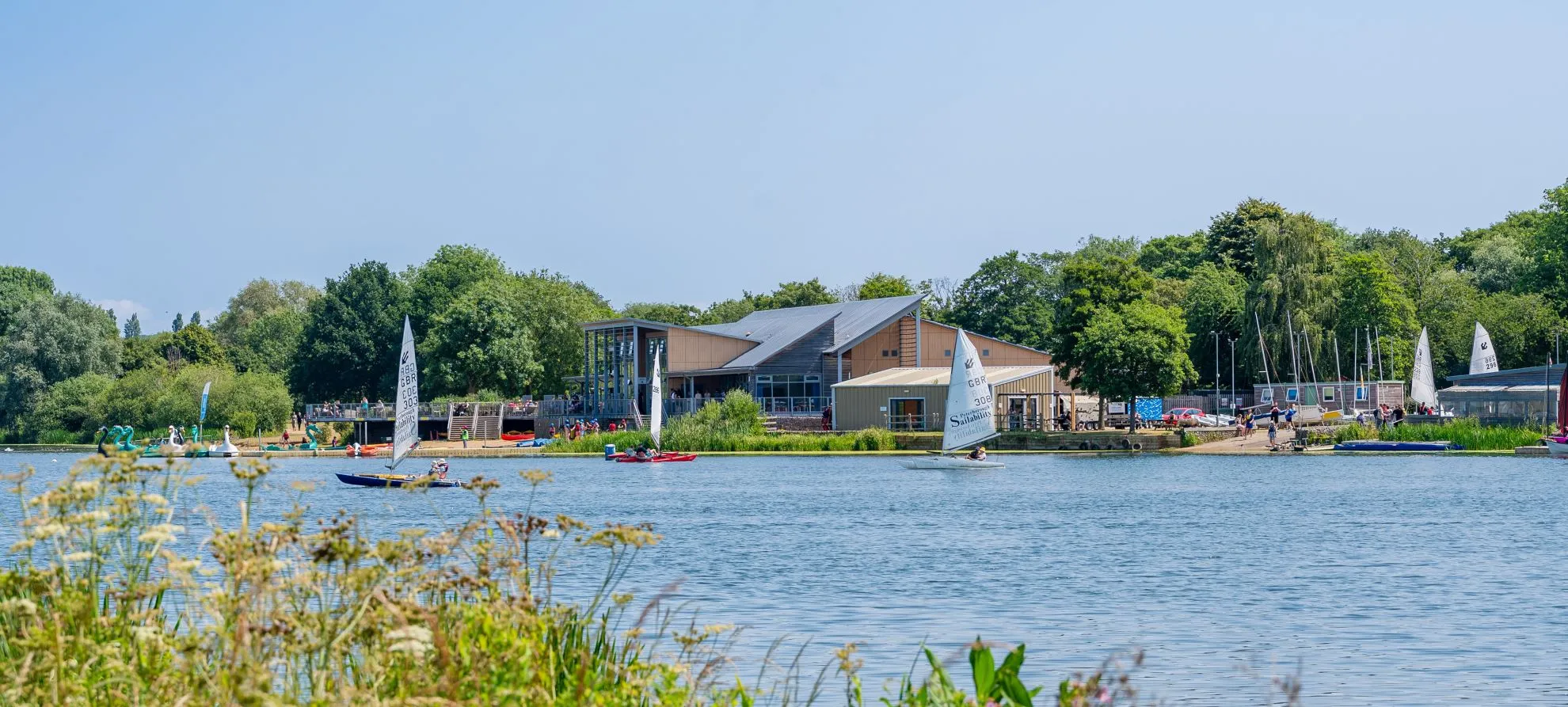
The River Nene threads through the same countryside on its way into the city. Thorpe Meadows and Nene Park bring lakes, woodland and riverside paths within minutes of the centre, ideal for walking, cycling, paddling and family days out, while Longthorpe Tower holds one of the finest sets of medieval wall paintings in northern Europe. Further west, Castor and Water Newton stand on the site of Durobrivae, a Roman town at the heart of an important industrial and trading landscape.

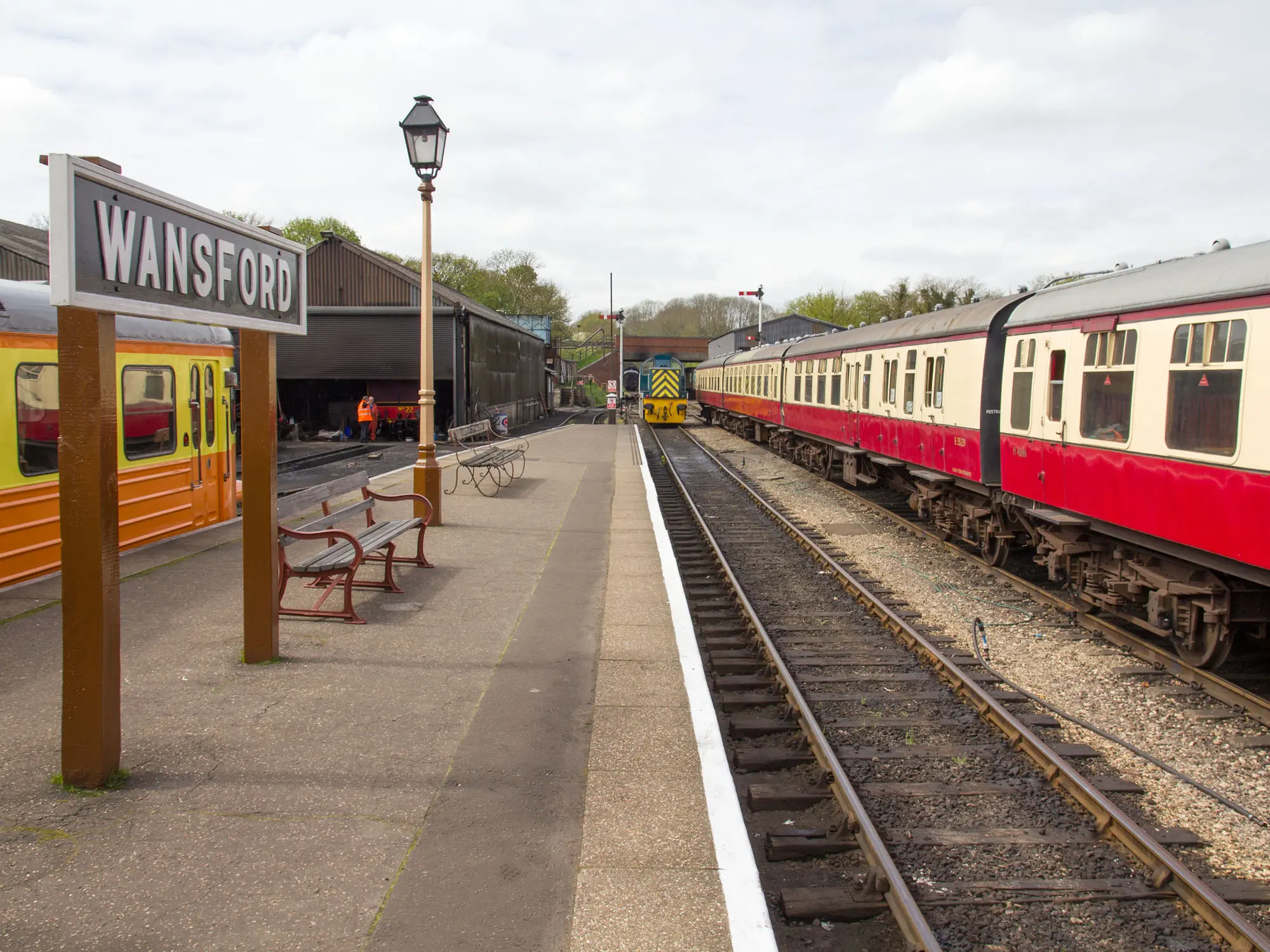
Follow the valley on and you reach the Nene Valley Railway, Sacrewell, Wansford, Elton Hall and Fotheringhay, a village closely connected with the House of York and the final days of Mary, Queen of Scots.

Clare Countryside is made for slower journeys: walking and cycling, wildlife watching, literary exploration, heritage trains and time spent among villages whose stories remain written into the landscape.

03

Fen Edge

Big skies, ancient wetlands and remarkable survival

To the east of the city, Peterborough meets the Fens: a dramatic landscape of open horizons, waterways, rich farmland and settlements established on former islands and higher ground.

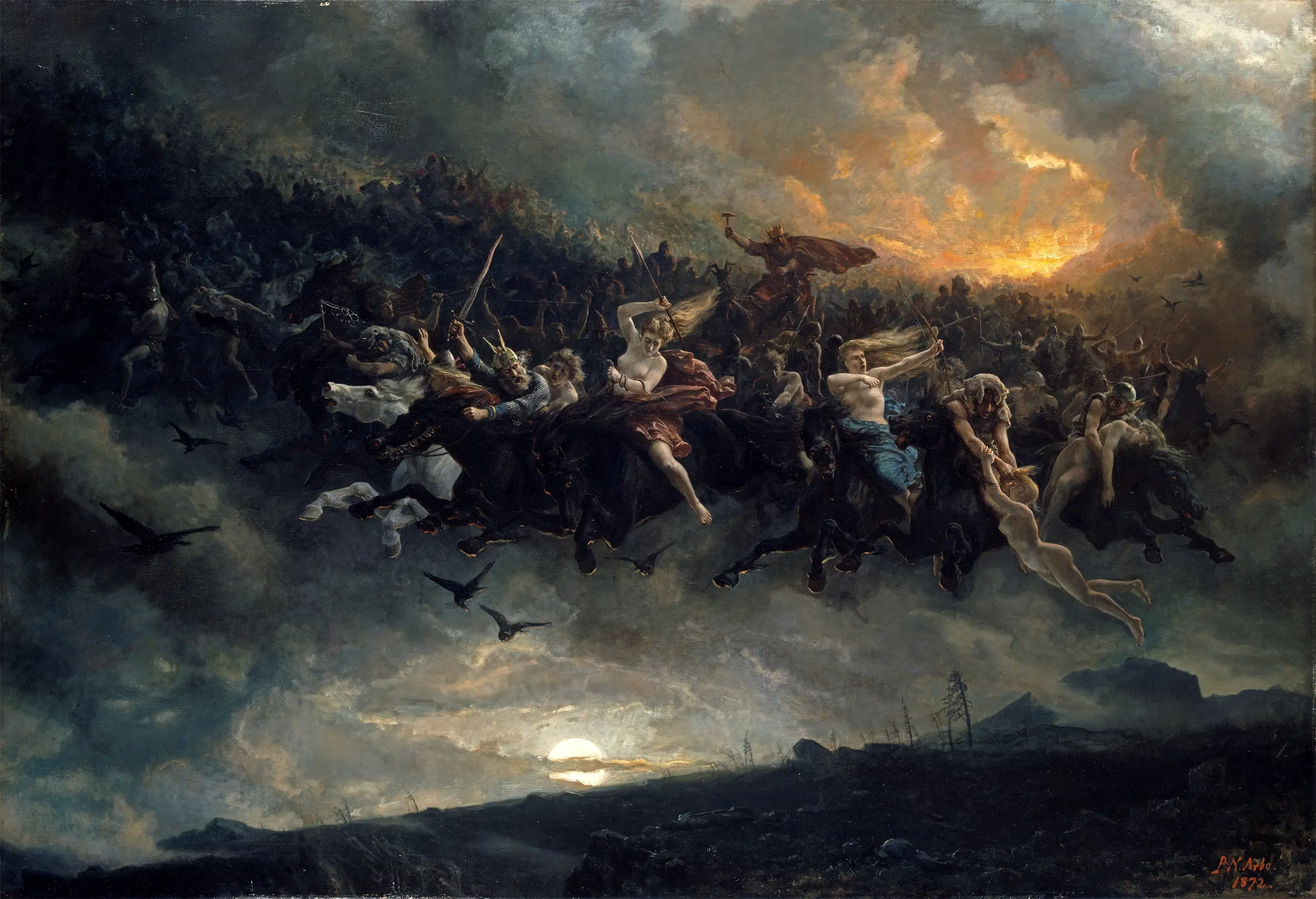
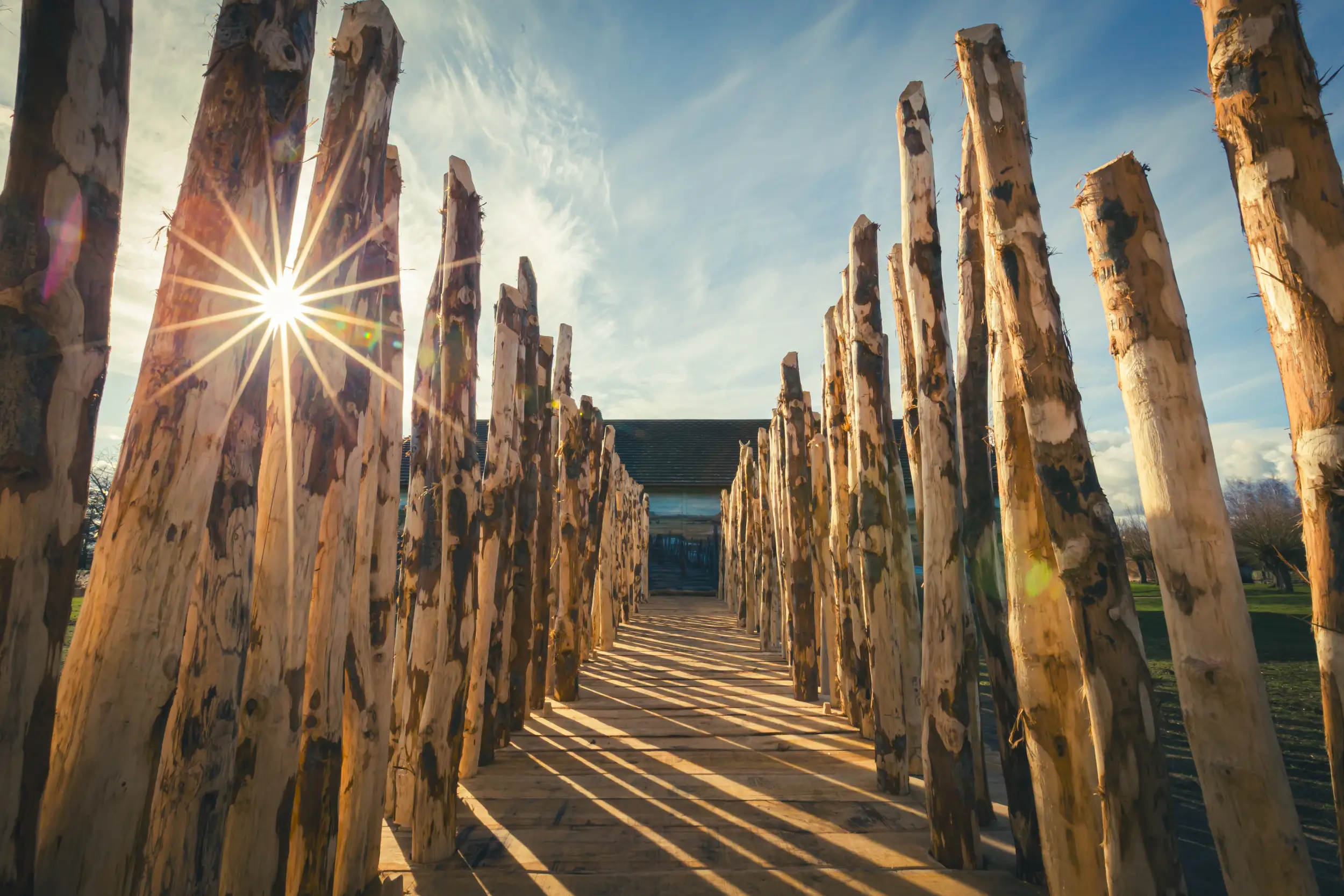
This is one of Britain’s great archaeological landscapes. At Flag Fen, a monumental Bronze Age causeway once crossed the wet fen basin, while the extraordinary discoveries at nearby Must Farm have transformed understanding of everyday life 3,000 years ago.

The landscape also tells the story of water management, drainage, farming and environmental change. Villages such as Eye, Newborough and Thorney retain strong connections to the surrounding land, while Thorney Abbey and Thorney Heritage Museum reveal the influence of monastic communities and generations of people who transformed wetlands into a productive, inhabited landscape.

Come for ancient history, peaceful nature reserves, distinctive villages and the unforgettable experience of light moving across an enormous fenland sky.

04

Kiln Quarter

Brick, clay and the making of a modern city

South of the river lies the Kiln Quarter, the part of Peterborough that built much of the rest of the country. The Oxford Clay beneath Fletton, Woodston, the Ortons and Yaxley proved perfect for brickmaking, and from the 1880s these fields filled with pits, kilns and the tall chimneys that defined the skyline for a century.

Fletton gave its name to a brick laid in millions of British homes. The industry drew workers from across Britain and Ireland, and later from Italy and beyond, and those arrivals shaped the food, festivals and family names of the modern city as surely as any medieval charter.

The pits have had an extraordinary second life. Flooded and left to nature, the old clay workings at Orton Pit now hold one of Europe’s most important populations of great crested newts, protected alongside rare plants and open water on the edge of neighbourhoods built on the same ground.

There is more here than industry. Norman Cross, on the southern edge, was the world’s first purpose-built prisoner of war camp, and the delicate bone and straw models made by its French prisoners are among Peterborough Museum’s treasures. Add the lakes and green corridors of the Ortons, the Green Wheel cycle route, a matchday at London Road and the working locks at Stanground, and this is where everyday Peterborough life and deep history sit closest together.

Explore across the landscapes

Build your own Peterborough journey

Peterborough’s four areas are closely connected, making it easy to combine city experiences with countryside, heritage and outdoor exploration.

You might begin beneath the towers of Peterborough Cathedral before following the river west into Clare Countryside. Spend a morning discovering John Clare in Helpston, then explore the Museum’s archaeological collections in the city centre. Visit Flag Fen before travelling east beneath the open skies of the Fens, or head south to the old brickfields and flooded pits of the Kiln Quarter. The city also makes an easy base for several days of walks, historic villages, cultural events and family adventures.

However you choose to explore, the city is the meeting point and gateway to them all.