
The Woman Who Gave a Place Her Name
St Pega
of Peakirk
More than thirteen centuries after Pega lived on the edge of the Fens, an entire community still carries her name. Behind it lies a story of a hermit brother, a journey by boat, a miracle of sight, a pilgrimage to Rome and bells said to have rung without human hands.
Peakirk is Pega's memorial.
Many saints are remembered by churches, wells or feast days. St Pega achieved something rarer: her name became the name of the place itself.
Peakirk stands on the western edge of the old fen landscape, only a few miles from Crowland. Its unusual name preserves a memory more than a thousand years old: Pega's church.
Pega lived in the early eighth century, in the generation when Christianity was still reshaping the kingdoms of Anglo-Saxon England. She belonged to the same noble Mercian world as her much better documented brother, Guthlac, the former warrior who abandoned military life and became one of the most famous hermits of the Fens.
Guthlac's reputation eventually overshadowed hers. Crowland developed into a great monastery and medieval writers returned again and again to his encounters with demons, visions, miracles and kings. Pega's surviving story is much smaller, but it has something Guthlac's does not.
Her name is still on the map.
Pega really does appear in an early medieval source.
The earliest evidence for Pega comes from the Life of St Guthlac, written in Latin by a man named Felix within a generation of Guthlac's death in 714.
That matters because this is not a tale first written down hundreds of years after the people involved had disappeared. Felix was writing close enough to Guthlac's lifetime for his account to be a fundamental historical source for the religious world of the early eighth-century Fens.
Pega appears as Guthlac's sister and as a devout Christian woman in her own right. Felix calls her Christ's handmaid and gives her an important role at the end of her brother's life.
What Felix does not do is clearly tell us that she founded a monastery at Peakirk. Her precise association with this place emerges more strongly through later evidence, particularly the place-name and medieval tradition.
Some of the details are later legend.
Keeping those layers separate makes Pega's story much more compelling. We can watch a real early medieval woman gradually acquire a landscape, a shrine, miracles and stories over the centuries that followed.
Guthlac spent his life trying to be alone.
Pega's story has always been entangled with the more famous story of her brother.
Guthlac had begun adult life as a warrior before entering religious life at Repton and eventually seeking complete solitude on an island in the Fens at Crowland.
Later medieval tradition claimed that Pega initially lived near him. In one colourful version, the Devil took Pega's appearance and used it to tempt Guthlac into breaking his severe rule of fasting before sunset. Guthlac therefore sent his real sister away.
It is an excellent story, but it is important to know that this episode does not appear in Felix's early Life of Guthlac. It belongs to the later medieval expansion of the saint's legend.
Tradition then places Pega on the nearest dependable dry ground to Crowland, on the western fen edge at the place that would eventually carry her name.
At the end of Guthlac's life, he finally sent for her.
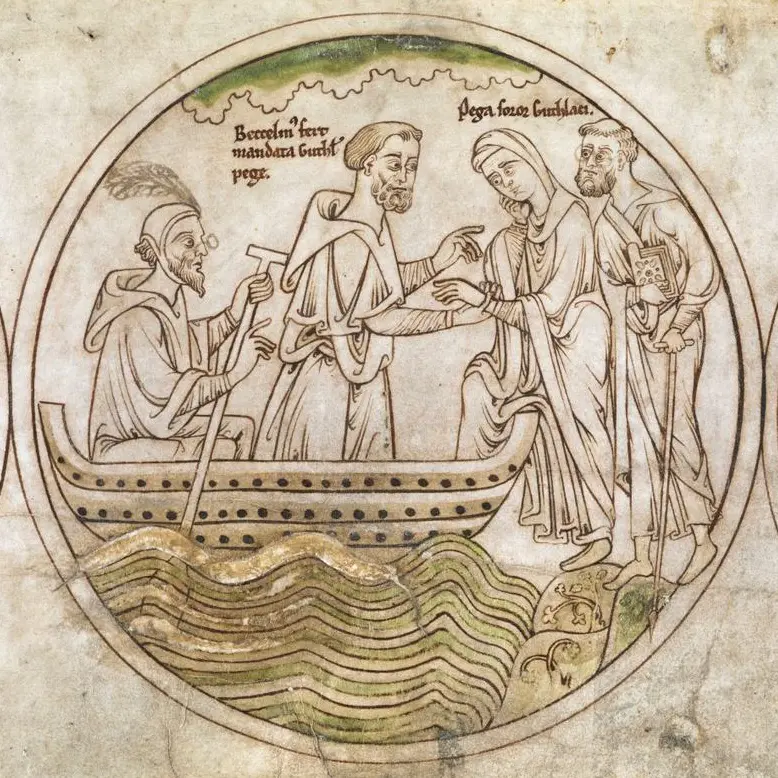
Felix's account becomes particularly moving when Guthlac knows that he is dying. After years of deliberately avoiding his sister's company in pursuit of the solitary life, he sends his servant Beccelm to find Pega.
His message explains that he has avoided seeing her in this world so that they might see one another eternally in the presence of God. Pega travels to Crowland and spends three days praying over her brother before burying him in his oratory.
A year later she is again connected with Guthlac's remains when his body is moved into another tomb. It is during this later episode that Felix gives Pega her own miracle.
A blind man had come seeking help. Pega took salt previously blessed by Guthlac, scraped some of it into holy water and allowed the liquid to fall into the man's eyes.
The miracle was naturally presented as evidence of Guthlac's continuing sanctity, but Pega is the person who performs the healing. She prepares the water, applies it and becomes the human agent through whom the miracle reaches the blind man.
It is one of the clearest moments in which she steps out of her brother's shadow.
By 1016, the place was already Pega's church.
The early biography does not tell us where Pega lived after leaving Crowland. The landscape supplies a different kind of evidence.
A charter of 1016 records a place whose name appears as Pegecyrcan, essentially “Pega's church”. Later spellings changed, but the basic identity survived.
↓
Peykirke
↓
Peakirk
Place-names like this are particularly valuable because they can preserve memories that no surviving narrative source records directly. Peakirk belongs to a relatively uncommon group of settlements whose identity developed around the saint of a religious centre.
There is an additional curiosity here. The saint being remembered is a woman.
Locally her name softened over the centuries too, and Pega could become simply St Pee.
The pronunciation changed. The connection did not.
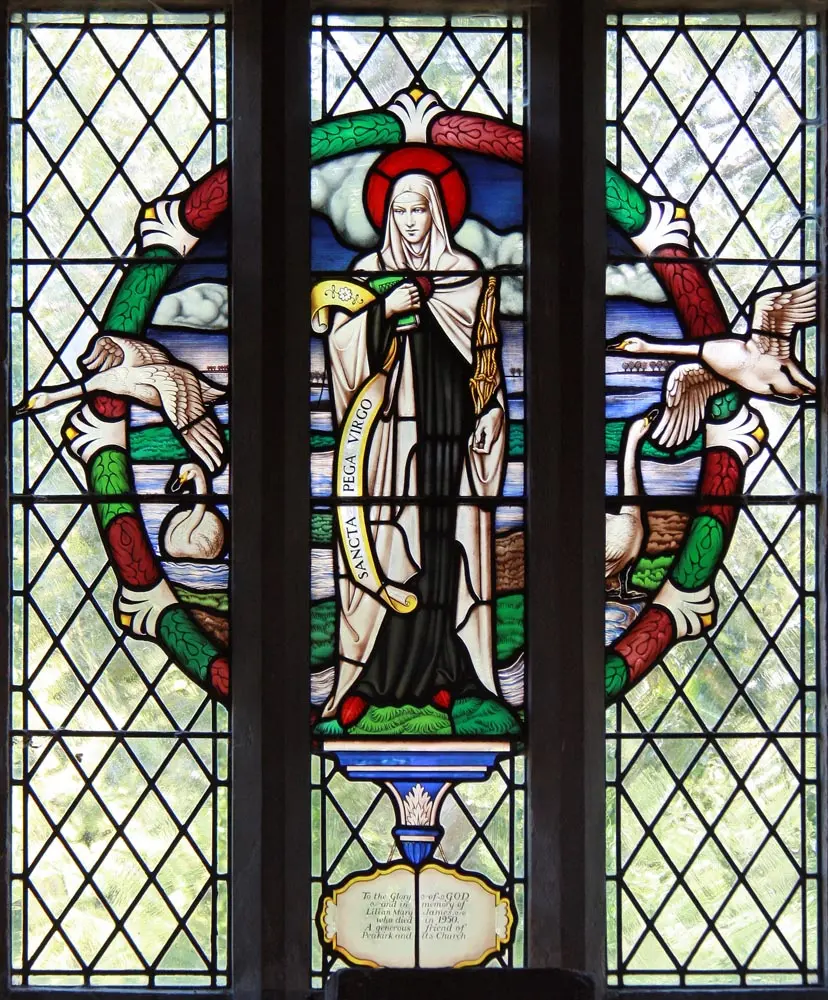
There is no other dedication quite like it.
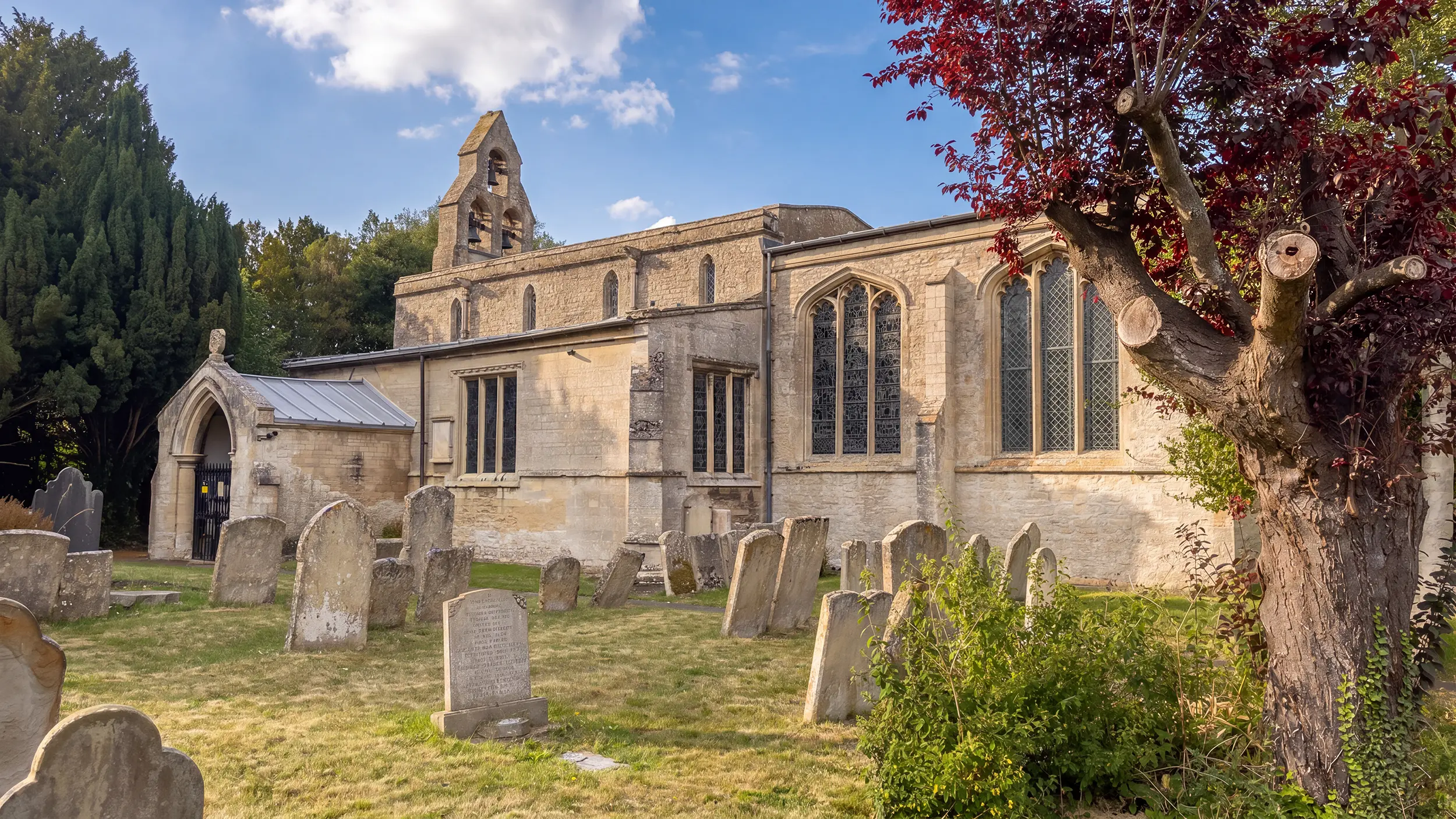
The present Church of St Pega is Grade I listed and its dedication is unique.
The building standing today is centuries younger than Pega. Its earliest surviving masonry is late Anglo-Saxon, with major Norman and later medieval work layered around it.
That gap matters. We should not imagine Pega walking into the church we see today, nor assume that every part of the later church preserves an eighth-century foundation.
What survives is something more remarkable in its own way: an evolving sacred site whose association with Pega proved strong enough to outlast the buildings themselves.
The church became a history book of its own.
St Pega's is small enough to feel intimate, but its fabric carries almost a thousand years of architectural change.
Traces of eleventh-century work survive in the nave. The Norman period added arcades, arches, the western bellcote and the richly carved south doorway. Later generations enlarged, repaired and decorated the building rather than replacing it.
The result is the opposite of a frozen monument. The church has accumulated its history gradually, with one century sitting visibly beside another.
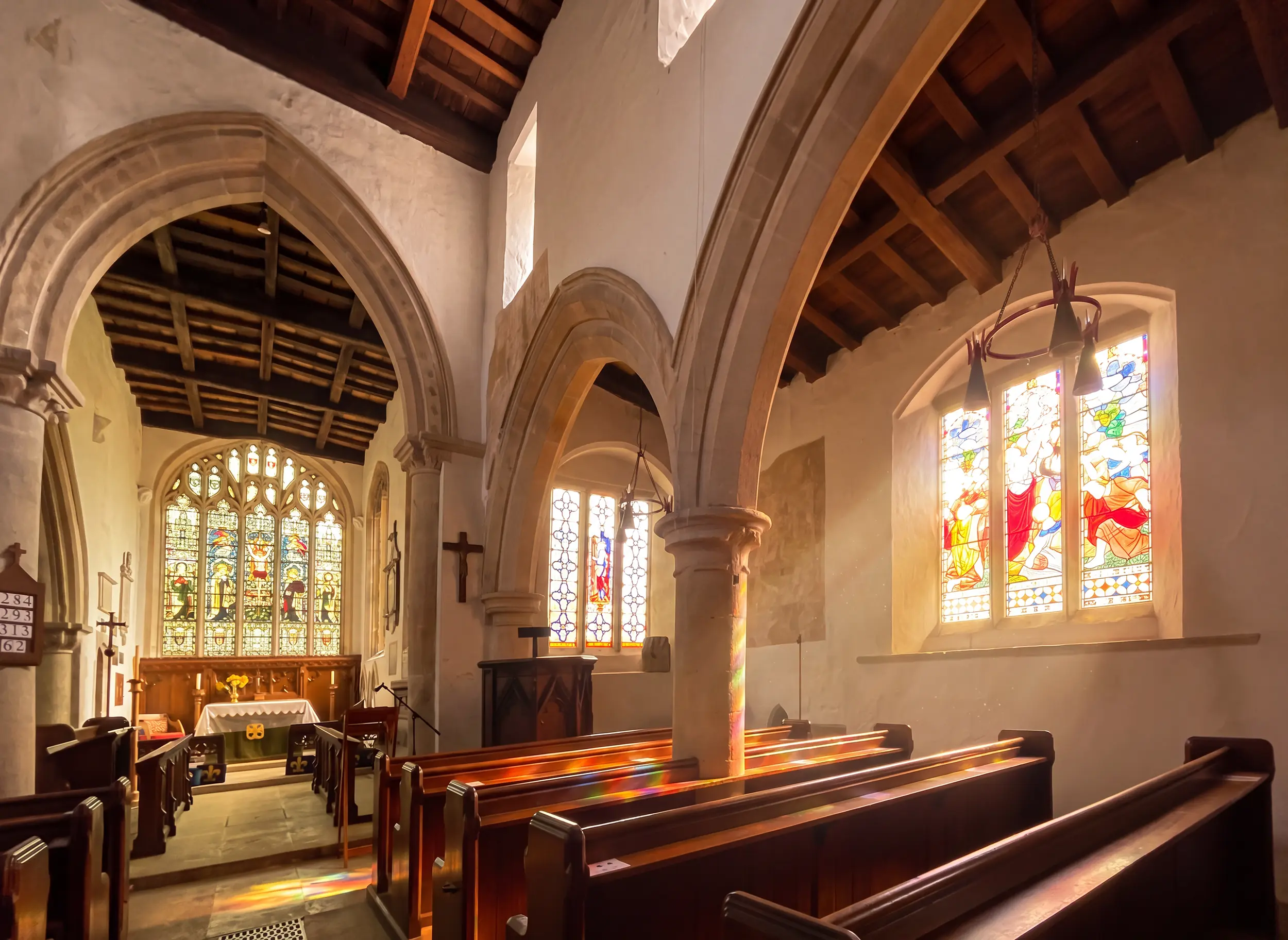
Then look at the walls.
One of St Pega's great treasures is not structural at all. Important medieval wall paintings survive inside the church, revealing how dramatically different the interior once looked.
Most date from the fourteenth century. Historic England records scenes including the Crucifixion, the miracle of Longinus, the Deposition, the Entombment, the Resurrection, the appearance to Mary Magdalene and an image of St Christopher.
Another memorable survival has been interpreted as a warning against gossiping in church. Medieval worshippers were surrounded not by bare stone, but by images that instructed, warned and told stories.
Later generations covered it with their own stories.
The wall paintings help explain why a visit matters. Pega's story is not preserved in one object. It belongs to a building in which Anglo-Saxon masonry, Norman sculpture, medieval painting and later worship all occupy the same space.
Peakirk's strangest Pega tradition is broken stone in a window.
Local tradition insists that although Pega died far from Peakirk, part of her eventually returned.
The story says that her heart was brought back from Rome and preserved as a relic at the church in a carved heart stone. Broken stone associated with that tradition can still be seen in the south aisle window.
Another layer of the tale says the relic was shattered by Parliamentary soldiers during the seventeenth century. That should be treated as tradition rather than secure documentary history, but it has become one of the most memorable pieces of folklore attached to the church.
Peakirk said her heart came home.
It is exactly the kind of story that relics attract. A saint can die hundreds of miles away, yet the community that remembers her still needs something tangible enough to touch, protect and point out.
Today the fragments are one of the curiosities included in Discover Peterborough's Weird Weekends trail.
Eventually Pega's road led all the way to Rome.
Felix, our earliest source, does not tell us that Pega went to Rome. That part of her biography appears centuries later.
Writing in the early twelfth century, Orderic Vitalis says that after Guthlac's reburial Pega undertook the enormous pilgrimage to Rome and died there, traditionally around 719. He also says that she was buried in a church associated with her name and that miracles occurred at her resting place.
By the later Middle Ages the story had acquired an entrance worthy of a saint.
every bell in the city began to ring.
A later Crowland chronicle claimed that the bells rang for an hour, announcing her sanctity to the city without any human hand setting them in motion.
It is a magnificent image, but it belongs firmly to the later legendary tradition rather than the near-contemporary account of Pega's life.
That distinction lets us see the story developing. The early Pega is Guthlac's sister, mourner and healer. The medieval Pega becomes a solitary, pilgrim, relic-bearing saint and a woman whose arrival can make Rome itself ring out.
Pega's story survives in layers.
Few early medieval lives survive with every part equally certain, and Pega is an unusually good example of why it is worth distinguishing one kind of evidence from another.
Her existence and relationship with Guthlac are early evidence. Her presence at his death and the healing involving Guthlac's blessed salt come from Felix, writing remarkably close to the events.
The specific connection with Peakirk is less explicit in that early biography, but becomes compelling through the medieval place-name, the continuing cult and the religious landscape that developed here.
Her exile from Crowland after a demonic deception, the pilgrimage to Rome, the bells and the return of her heart belong to progressively later layers of storytelling.
None of those layers needs to be discarded. They simply tell us different things.
The earliest source tells us about Pega.
The later stories tell us what generations of people wanted Pega to mean.
Pega and Guthlac chose a landscape that felt like wilderness.
To understand either saint, it helps to forget the drained, engineered Fenland we know today.
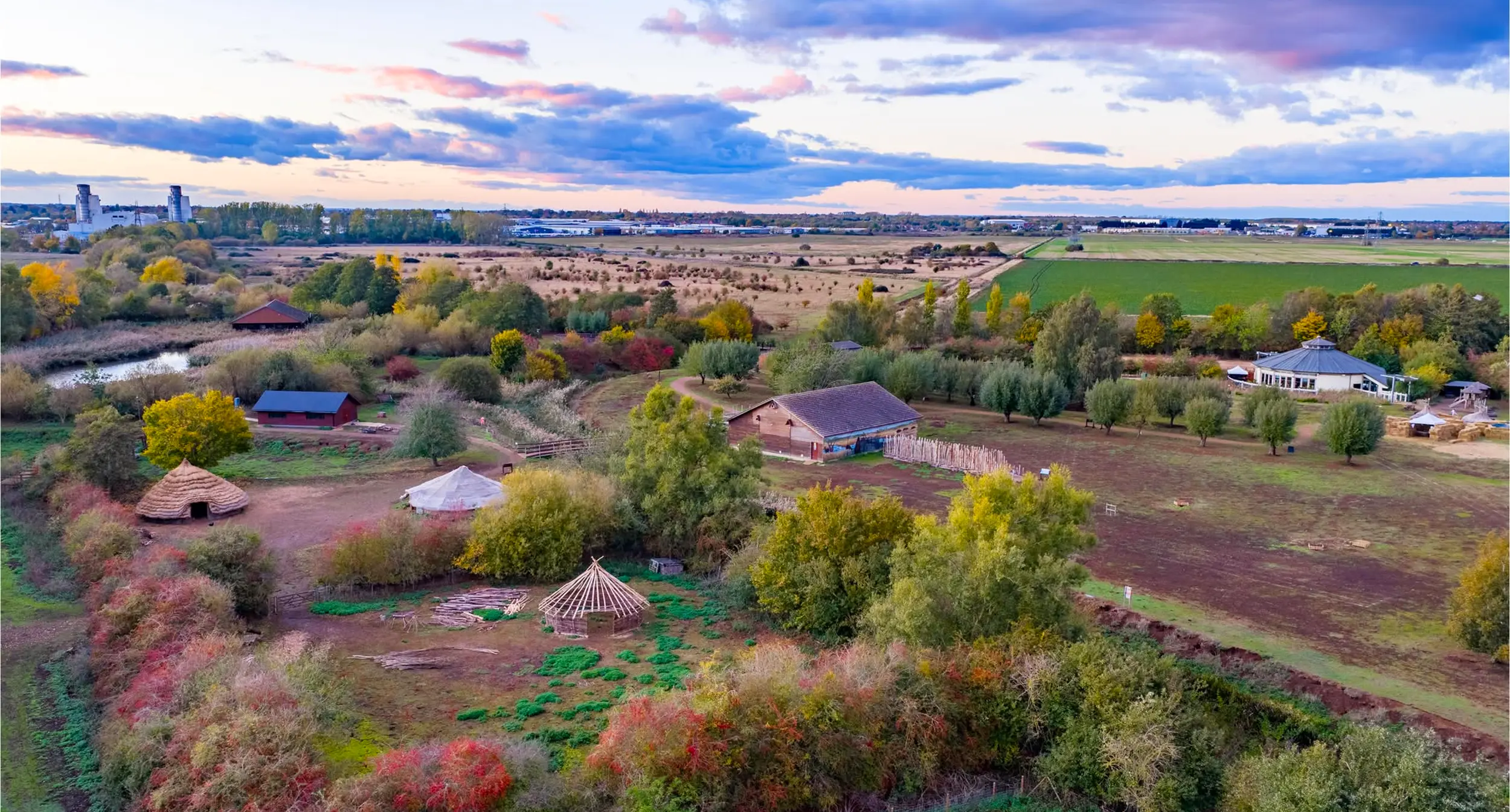
In the eighth century, the country east of Peterborough was a complicated world of water, marsh, reedbed, islands and higher strips of dry ground. Movement depended on local knowledge and boats as much as roads.
For Christian solitaries, that apparent wilderness had spiritual value. Isolation offered a way to imitate the desert saints of early Christianity without leaving England.
Guthlac chose Crowland. Tradition placed Pega on the firmer ground to its west. The distance between them was small on a modern map but belonged to a landscape in which water could create real separation.
Their stories therefore belong not simply to two churches, but to the wider religious geography of the Fens.
Guthlac became famous. Pega became a place.
Guthlac's name travelled through manuscripts, monasteries and medieval literature. Pega's survival followed a quieter but in some ways more remarkable path.
Her name stayed attached to one patch of dry ground on the edge of the Fens. People continued to call it Pega's church. A medieval settlement grew around that name, a later stone church inherited it, local traditions gathered around her relics, and the name gradually became Peakirk.
More than thirteen centuries later, the relationship remains visible. You can stand inside the only parish church dedicated to St Pega and then step outside into a community whose very name still says who she was.
That is an extraordinary form of memory.
Pega had her church.
And her church became Peakirk.
Pega belongs to a much larger sacred landscape.
Follow the connections between Fenland hermits, Mercian saints, Crowland and the monastery that eventually became Peterborough Cathedral.
Crowland Abbey
Follow Pega's brother into the Fenland landscape where Guthlac established his hermitage and where a great medieval abbey later grew around his cult.
Explore Crowland → 02 · MEDESHAMSTEDEPeterborough Cathedral
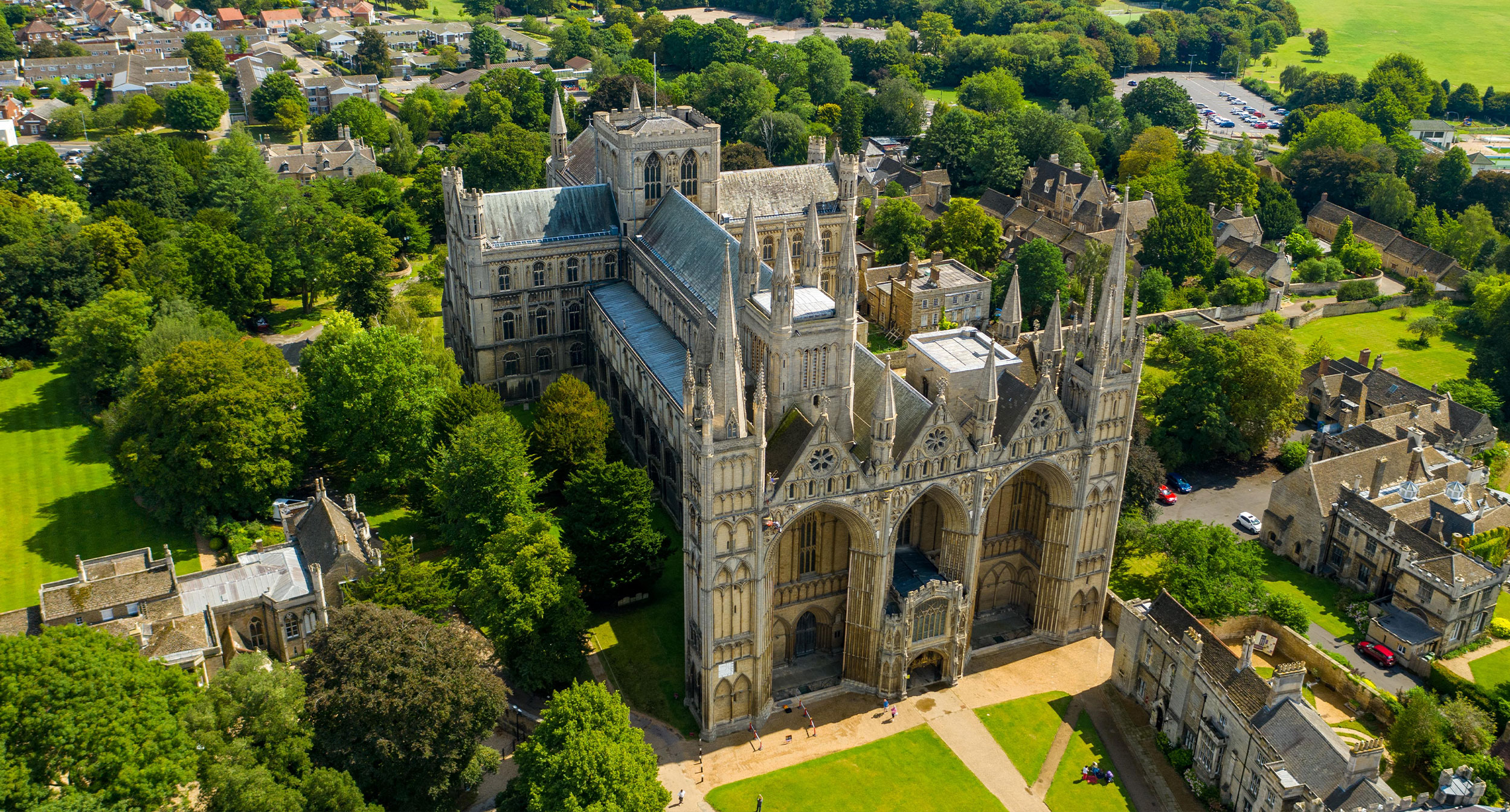
Explore the other great early Christian foundation of this landscape, from seventh-century Medeshamstede to the Cathedral that dominates Peterborough today.
Explore 1,350 years → 03 · ANOTHER MERCIAN WOMANLady Conyburrow's Way
Meet Kyneburgha, another early Mercian woman whose religious memory became inseparable from a specific Peterborough landscape.
Follow the old path → 04 · FOUNDING LEGENDThe Princes & the Hart
Enter the medieval legend that connected the founding of Christian Peterborough with the Mercian royal family, St Chad and a hunted hart.
Enter the legend → 05 · THE BIGGER STORYPeterborough History
Place Pega, Guthlac and the Anglo-Saxon religious landscape within the wider story of the region from prehistory to the modern city.
Explore the history → 06 · GO AND FIND ITPeterborough Weird Weekends
Find Pega's broken heart stone, the medieval wall paintings and other strange survivals hidden in churches and historic places across Peterborough.
Start exploring →More Peterborough Folklore
Saints, wild riders, strange lights and old beliefs preserved in real places across the Peterborough landscape.
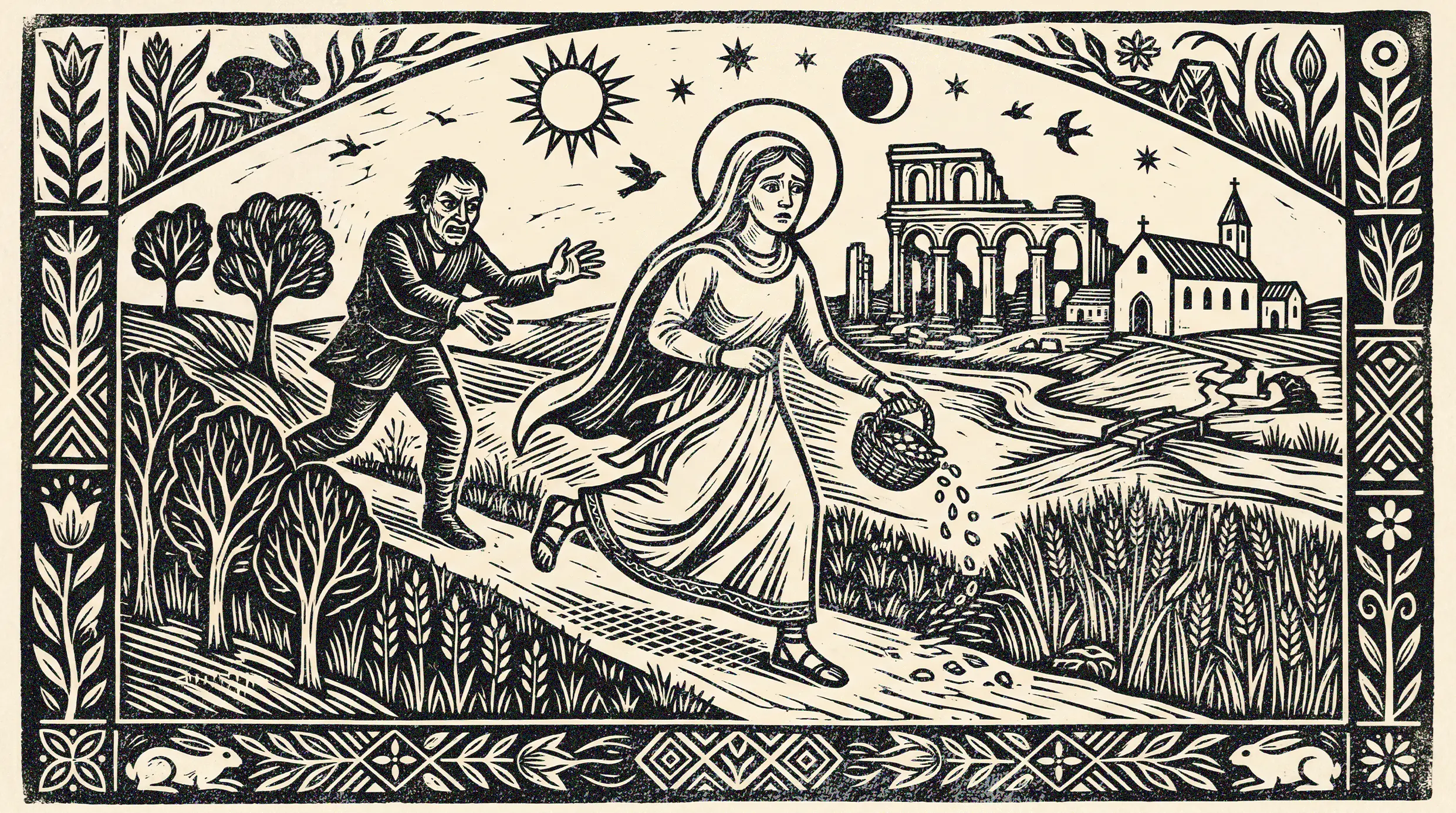
Lady Conyburrow's Way
A mysterious route through the fields became the path of Kyneburgha, Mercian princess, religious founder and saint.
The Princes & the Hart
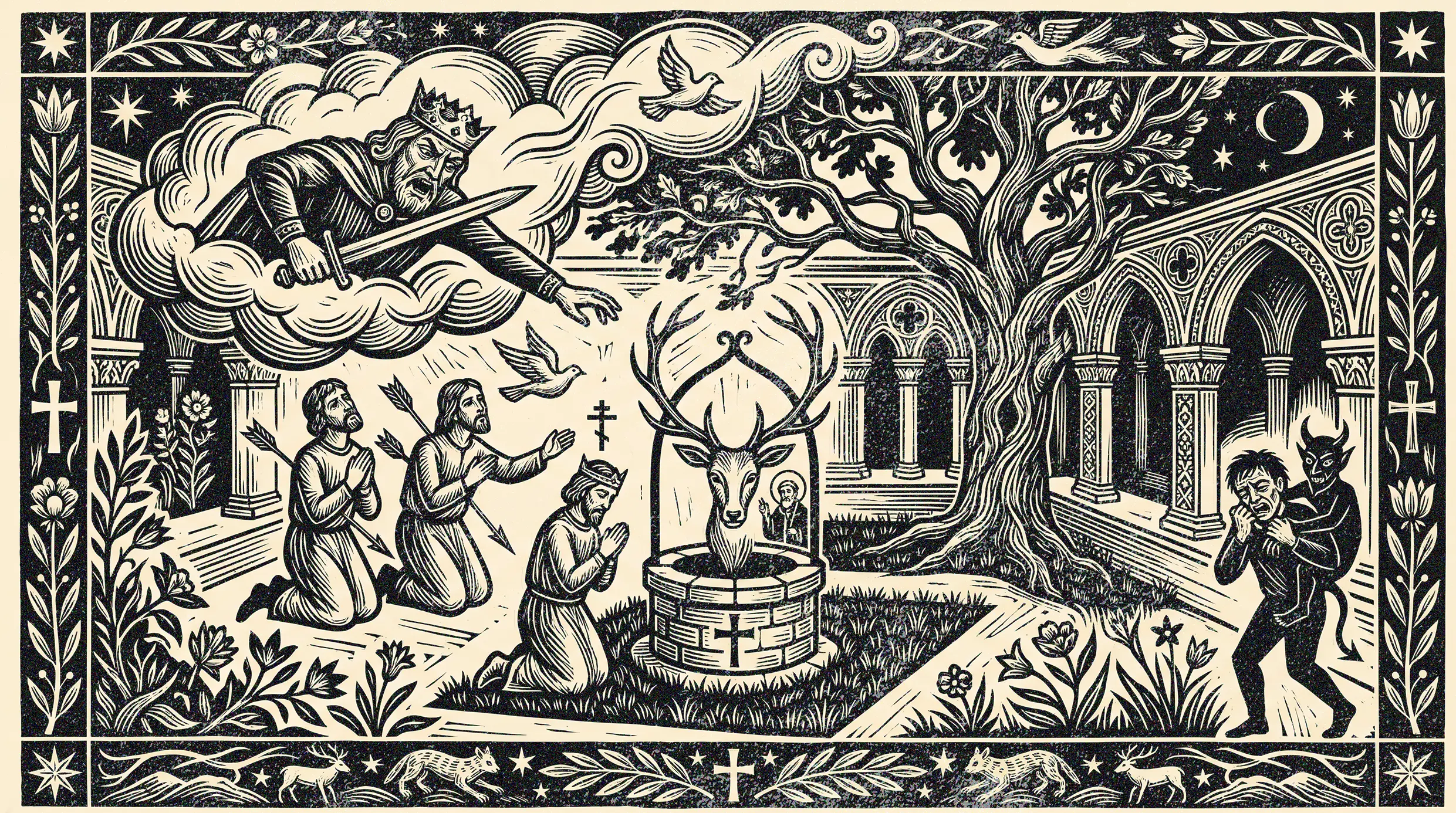
A royal hunt, St Chad and the extraordinary legend once told in Peterborough Abbey's medieval cloister windows.
The Wild Hunt
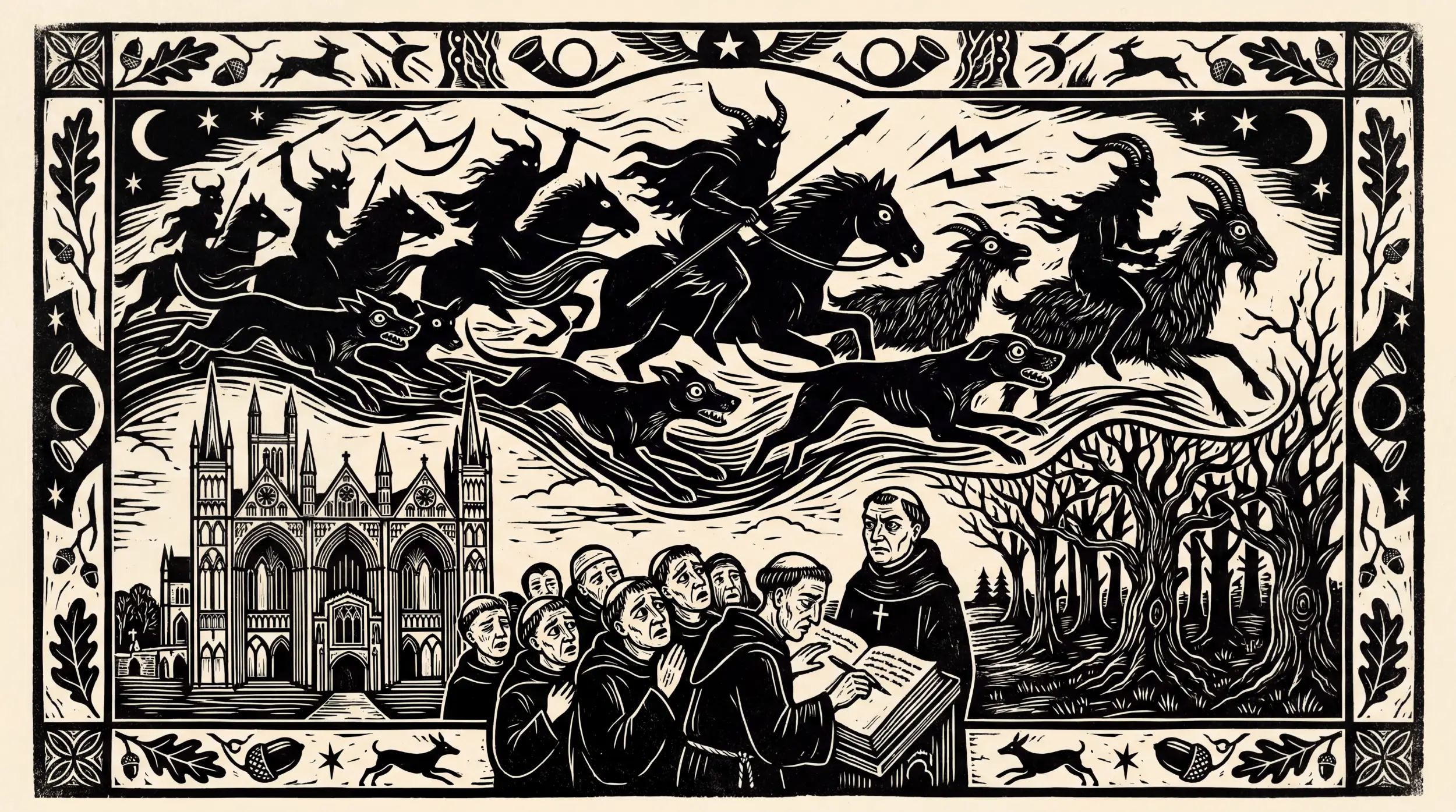
Black riders and monstrous hounds were heard through the countryside in one of England's oldest recorded Wild Hunt traditions.
The Will o' the Wisps
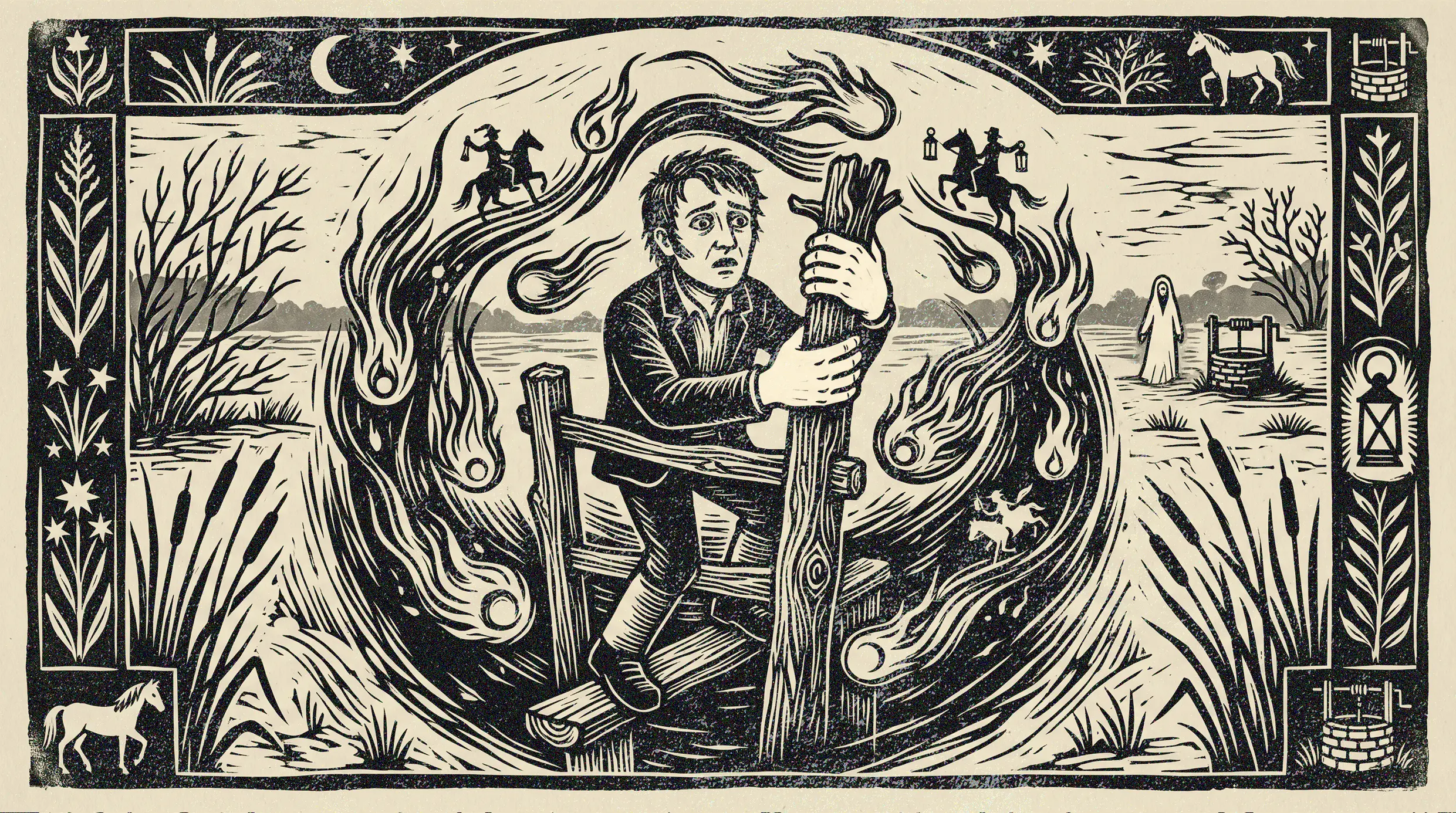
John Clare struggled to believe in ghosts, but the moving lights of the wet landscape frightened him throughout his life.
The Toadmen
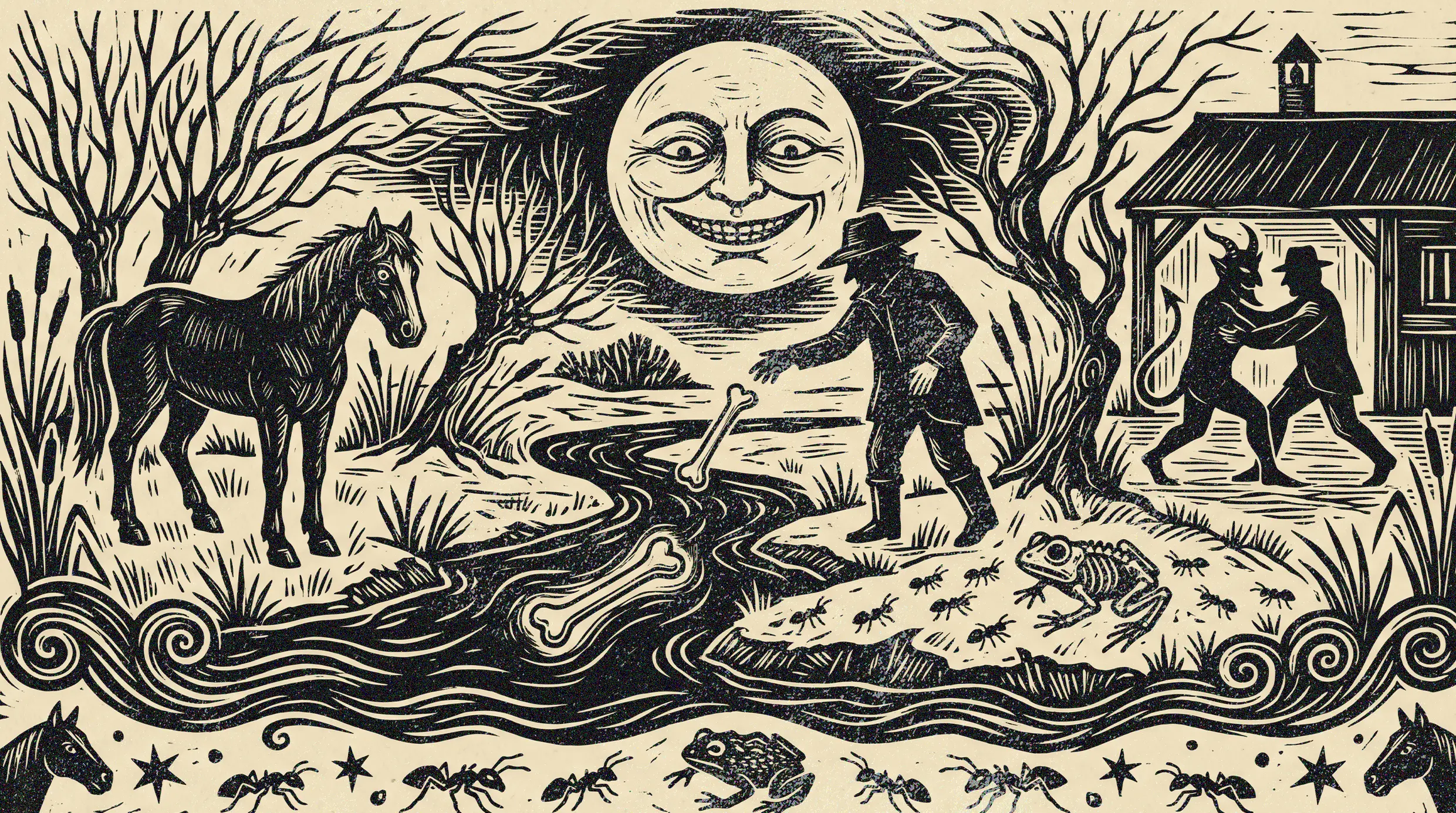
Men were said to gain strange power over horses through a secret initiation involving the bone of a toad.
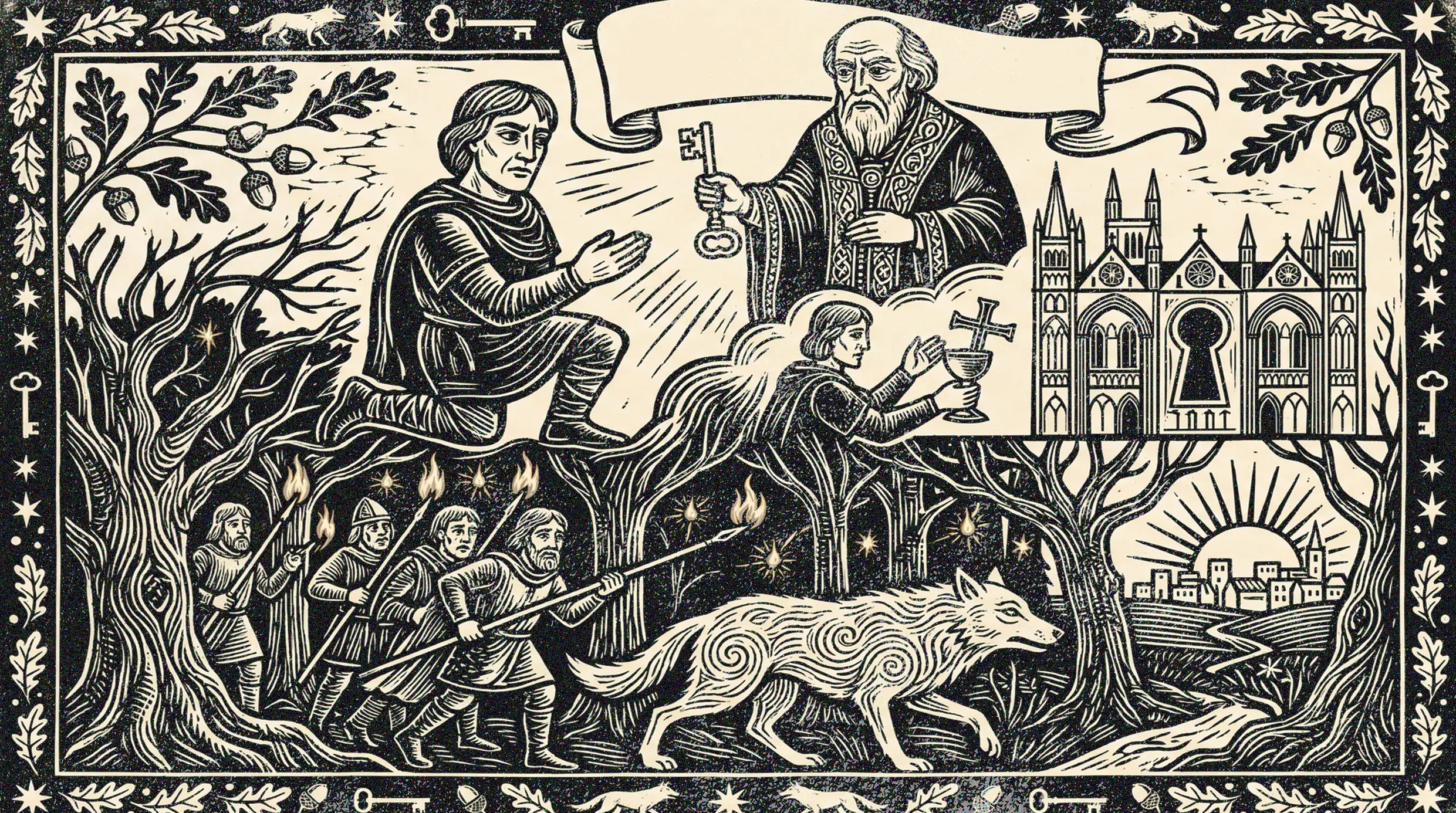
Hereward & the White Wolf
A rebel army loses its way in darkness until a huge pale animal and strange lights appear to guide it home.
Behind the folklore
Pega's story is unusually rewarding because early biography, medieval manuscripts, place-name evidence, architecture and much later local folklore can be separated and compared.
-
Felix · Life of St Guthlac
The fundamental eighth-century source for Guthlac and the earliest surviving account of Pega. It records her role at her brother's death and the healing of a blind man using salt previously blessed by Guthlac. -
Avril Lumley Prior · Fact and/or Folklore? The Case for
St Pega of Peakirk
Detailed examination of the literary, archaeological, architectural, landscape and place-name evidence connecting Pega with Peakirk. -
British Library · Harley Roll Y 6
The late twelfth or early thirteenth-century Guthlac Roll, containing eighteen scenes from Guthlac's life including Pega, labelled “Pega soror Guthlaci”. -
Historic England · Church of St Pega
Official Grade I listing describing the church's Anglo-Saxon, Norman and later medieval fabric and its important series of fourteenth-century wall paintings. -
St Pega's Church · History
Local church history preserving the traditions of Pega, Guthlac, her Peakirk hermitage and the development of the present church. -
Discover Peterborough · Crowland Abbey
Visitor information and historical context for the great Fenland abbey that developed around the cult of Pega's brother, St Guthlac.