Sir John Hill (1714-1775)
Born in Peterborough, Sir John Hill became one of Georgian Britain’s most colourful botanists, producing a monumental study of plants and one of the earliest medical warnings linking tobacco with cancer.

Find experiences for every kind of Peterborough day, from culture and heritage to family adventures, wildlife, nightlife and active leisure.
 Start exploring
More than you imagine.
Discover things to do →
Start exploring
More than you imagine.
Discover things to do →
Festivals, music, comedy, performance, heritage, exhibitions and events across Peterborough.
Explore all events → Festivals · gigs · theatre · more
Something is always happening.
See what’s on →
Festivals · gigs · theatre · more
Something is always happening.
See what’s on →
 History · landscape · people · culture
See the bigger picture.
Go deeper →
History · landscape · people · culture
See the bigger picture.
Go deeper →
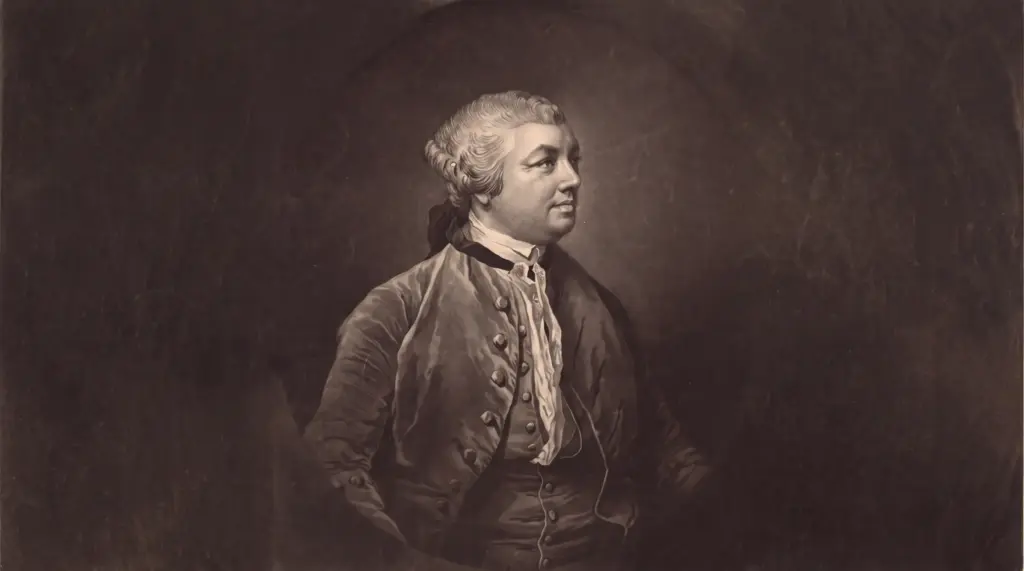
Born in Peterborough, Sir John Hill became one of Georgian Britain’s most colourful botanists, producing a monumental study of plants and one of the earliest medical warnings linking tobacco with cancer.
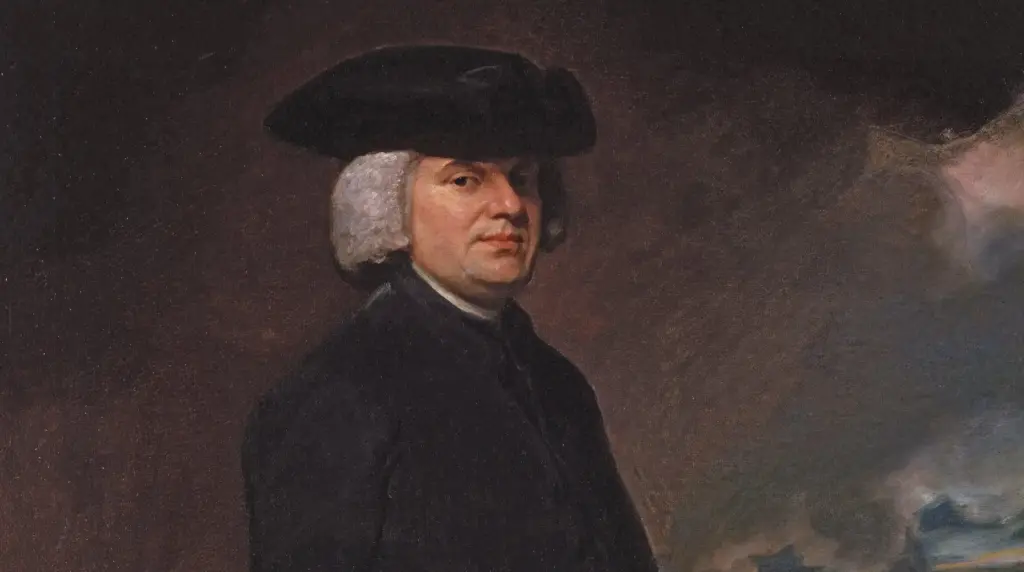
Born in Peterborough and baptised at its Cathedral, William Paley became one of Georgian Britain’s most influential philosophers and theologians, famous for the watchmaker argument that later helped shape the thinking of Charles Darwin.
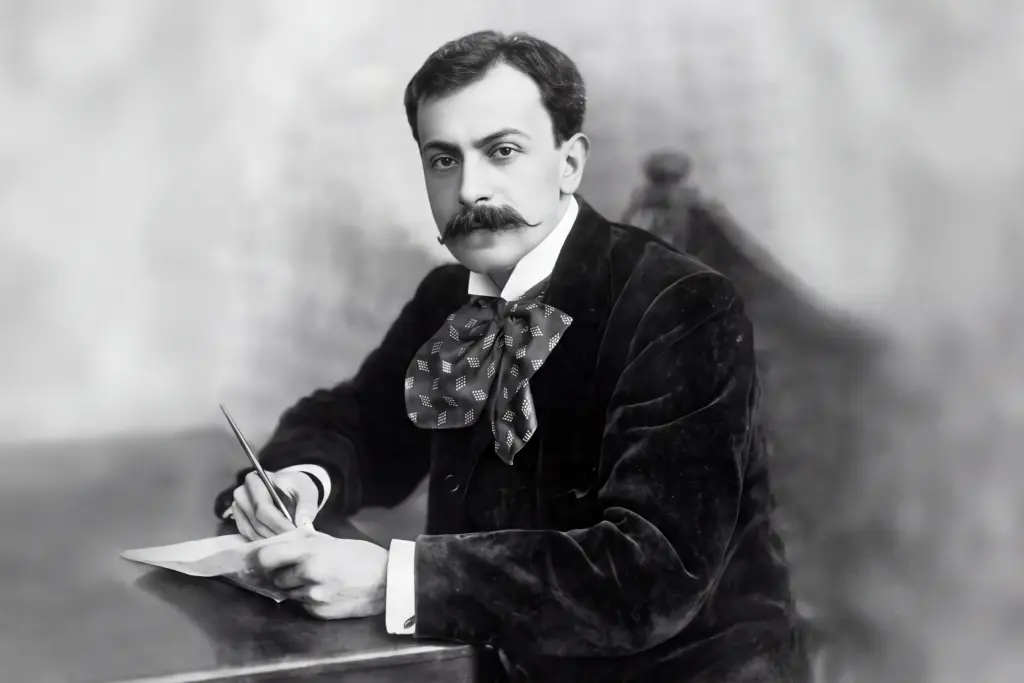
William Tufnell Le Queux (1864–1927) was one of the most extraordinary literary figures ever to make his home in the Peterborough area.
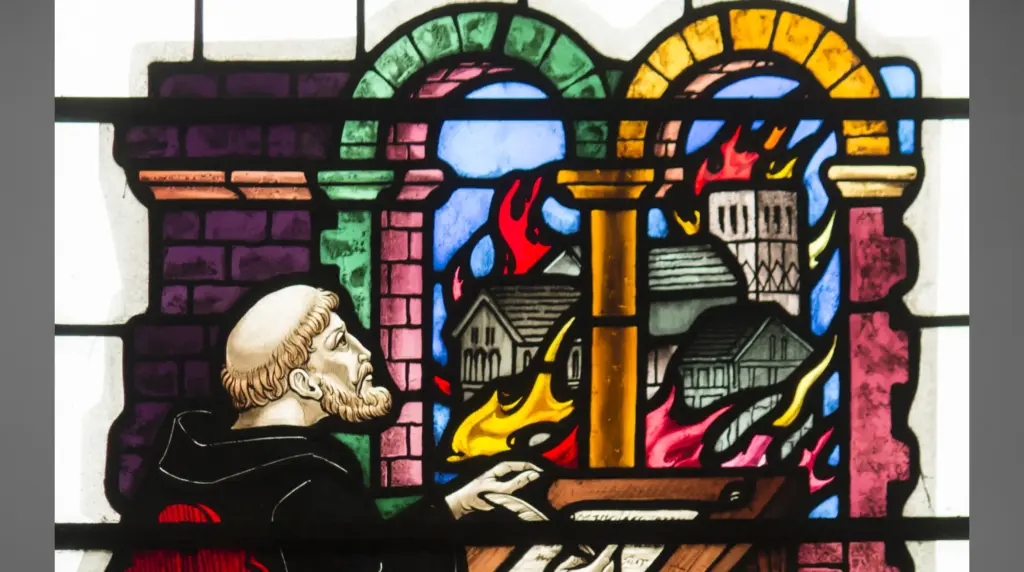
The monk who wrote Peterborough Abbey’s history and gave us the phrase “the golden borough”. Hugh Candidus, his chronicle, and how the text survived.
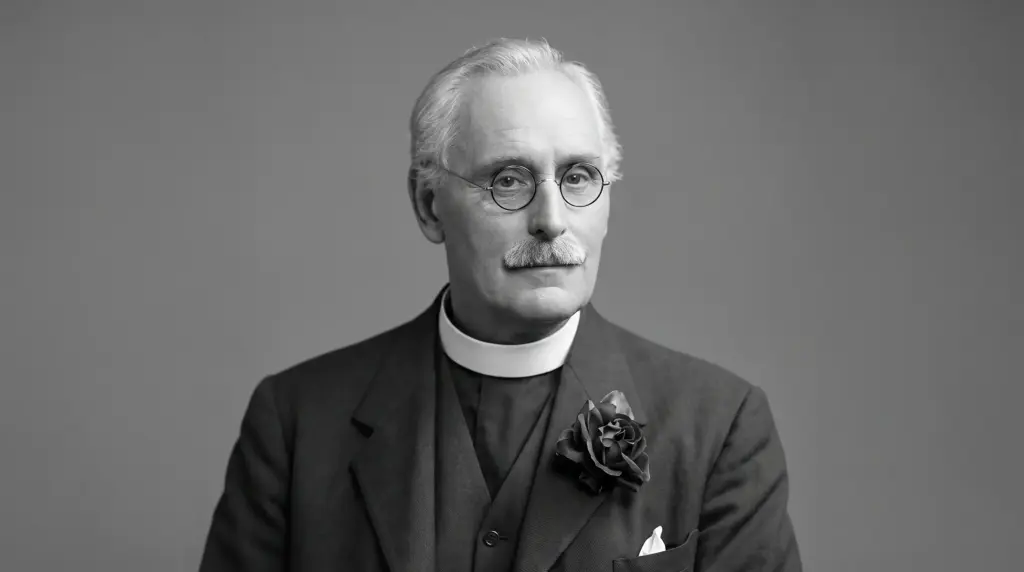
Long before nature writing became a publishing category, a minister from Eastfield was teaching Edwardian Britain how to look at a pond.
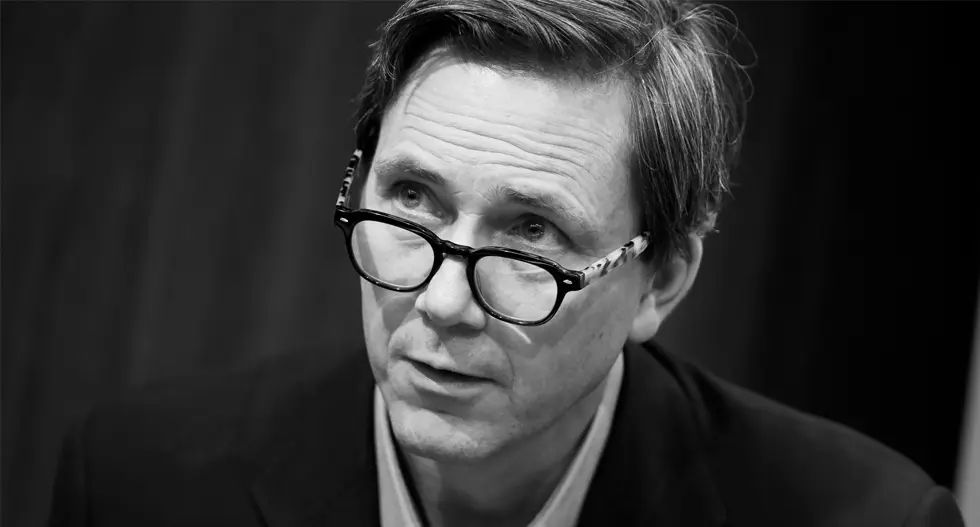
Peterborough-born writer and social scientist Richard V. Reeves has built an international career examining social mobility, class, family life and the changing circumstances of boys and men.
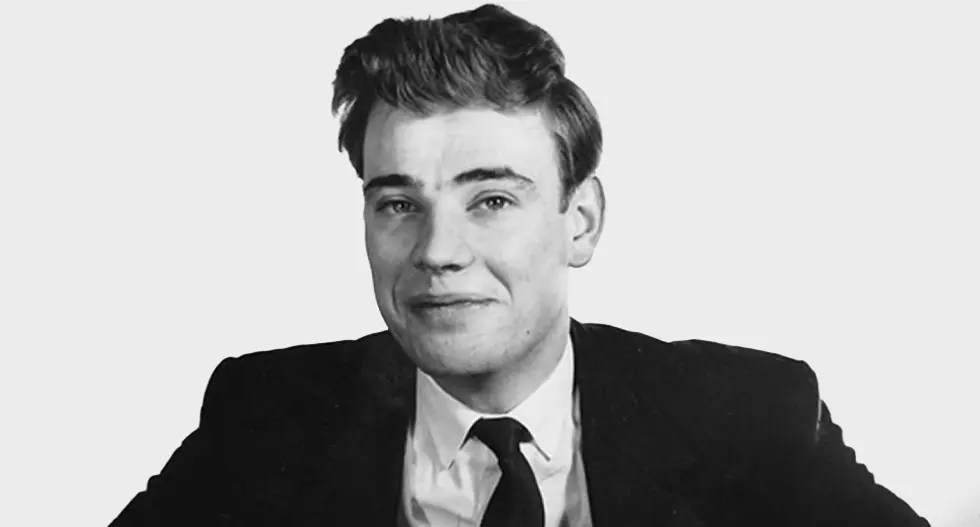
The man who wrote the novel behind The Wicker Man was born in Peterborough, and came back to write a play about Hereward the Wake.

Peterborough has produced its share of writers, but few have travelled as quickly from local comprehensive to national bookshelf as Benjamin Dean.
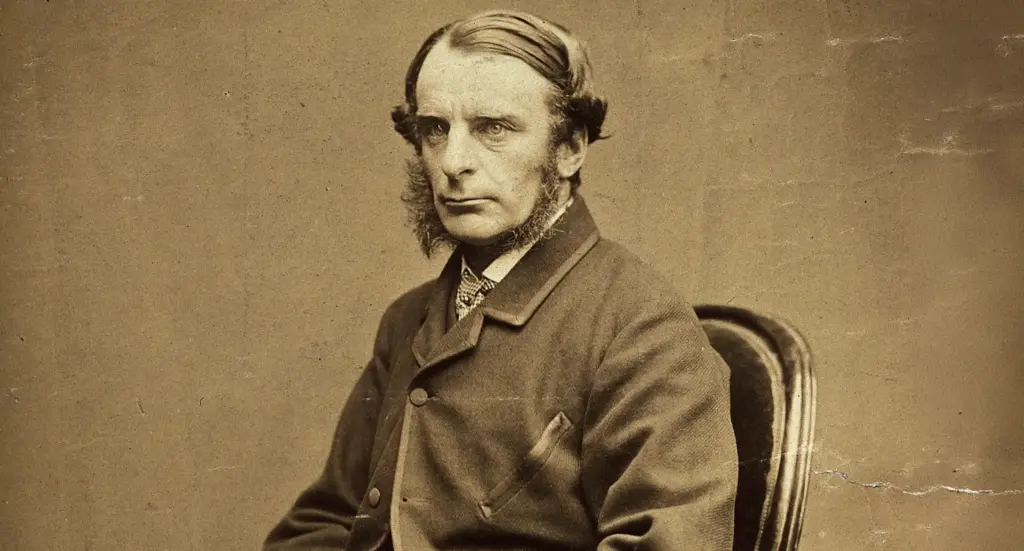
Charles Kingsley (1819–1875) was a prominent Victorian clergyman, historian, social reformer and author, remembered for works including The Water-Babies, Westward Ho! and Hereward the Wake.
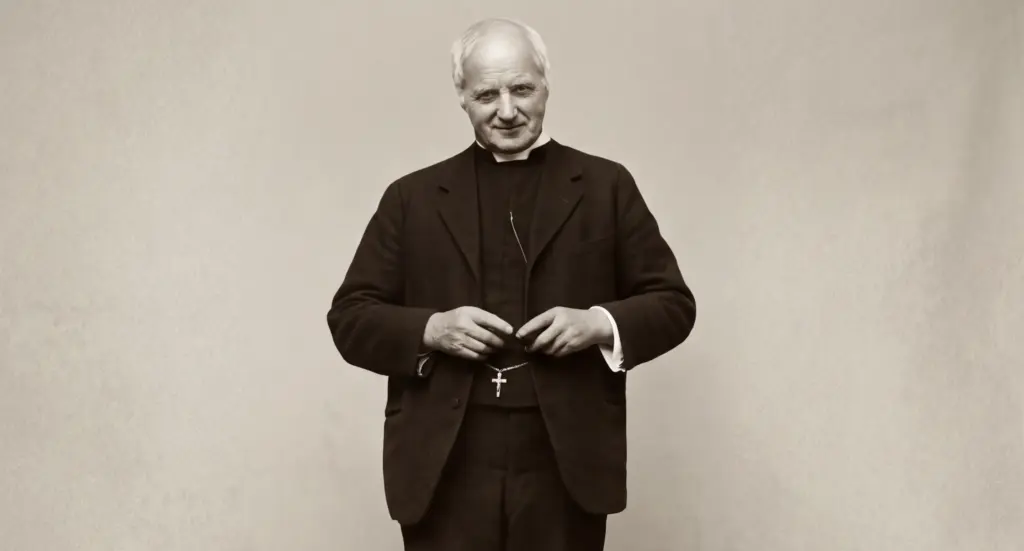
The vicar of Stanground turned his Fen-edge parish into the haunted village of Stoneground. E. G. Swain’s 1912 ghost tales and his Peterborough connection.
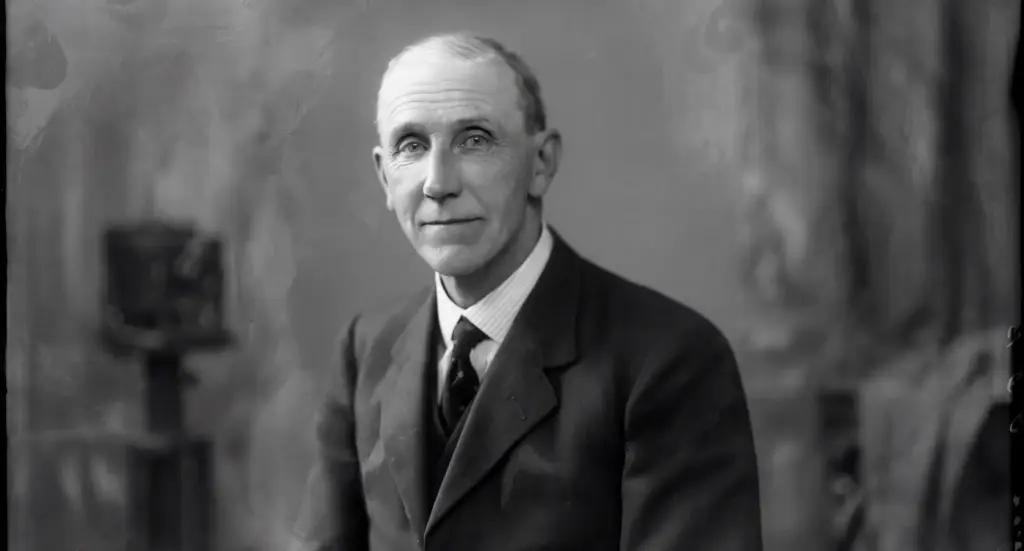
Born at Castor Rectory and educated partly in Peterborough, John Davys Beresford became a prolific novelist, critic and speculative writer whose imagined superchildren, pandemics and dystopian societies helped shape early British science fiction.
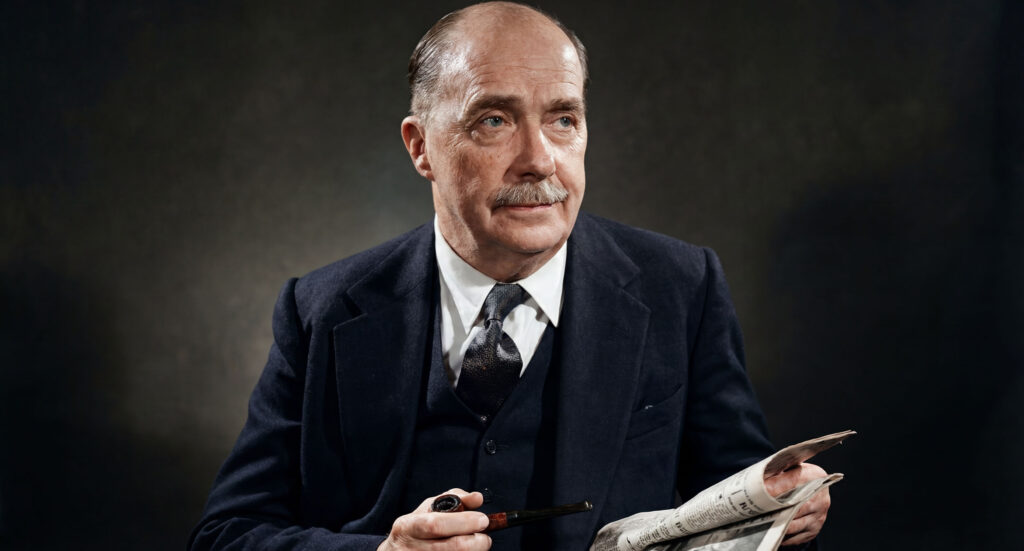
Born in Whittlesey and raised at Fletton Towers in Peterborough, L. P. Hartley became an award-winning novelist, critic and master of psychological unease. His most famous novel, The Go-Between, gave English literature one of its most enduring descriptions of the power of the past.
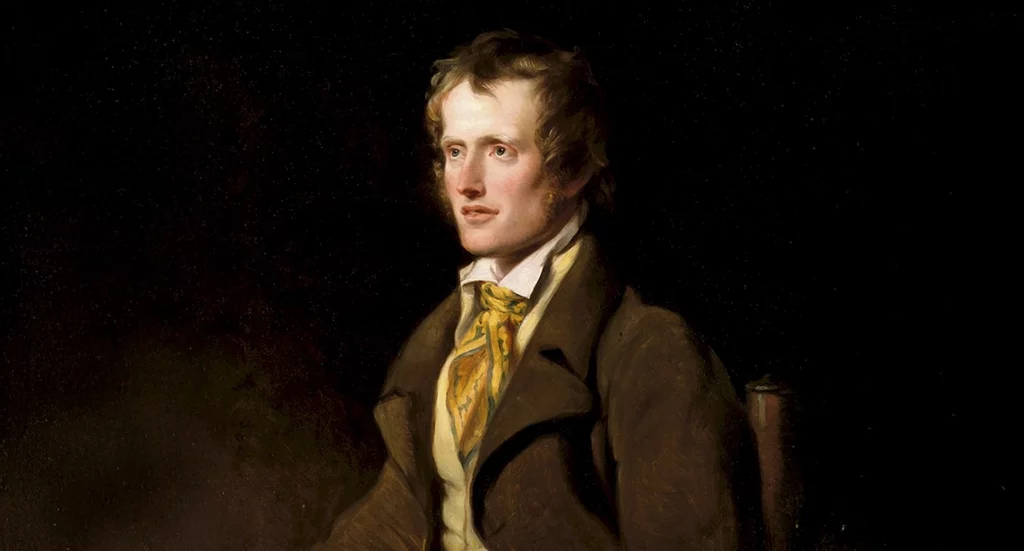
John Clare (1793–1864) is celebrated as one of England’s finest rural poets, famed for capturing the beauty of the countryside and the voices of rural life with rare authenticity.
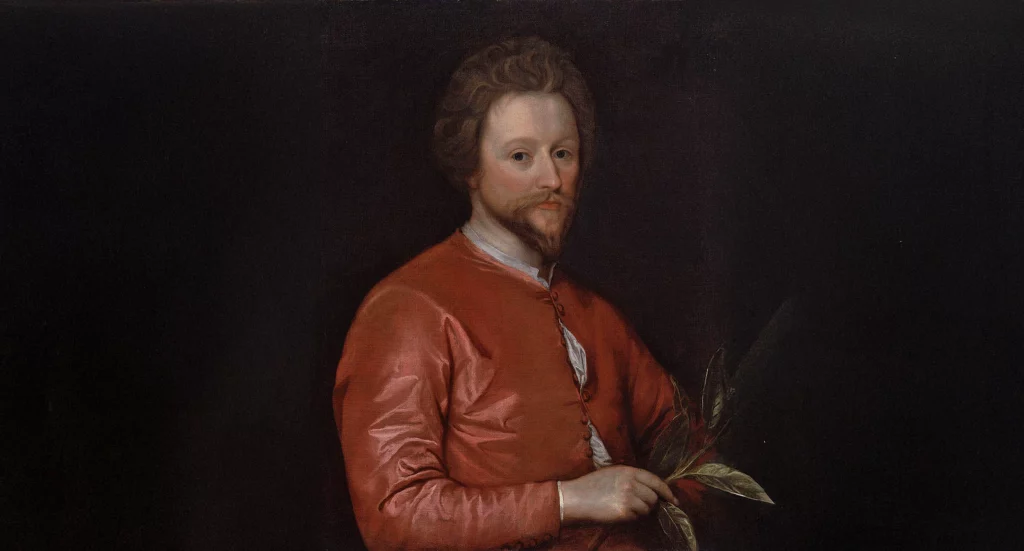
Raised for part of his childhood within Peterborough’s Cathedral precincts, John Fletcher became the leading dramatist of the King’s Men after Shakespeare and one of the most successful playwrights of the Jacobean stage.