


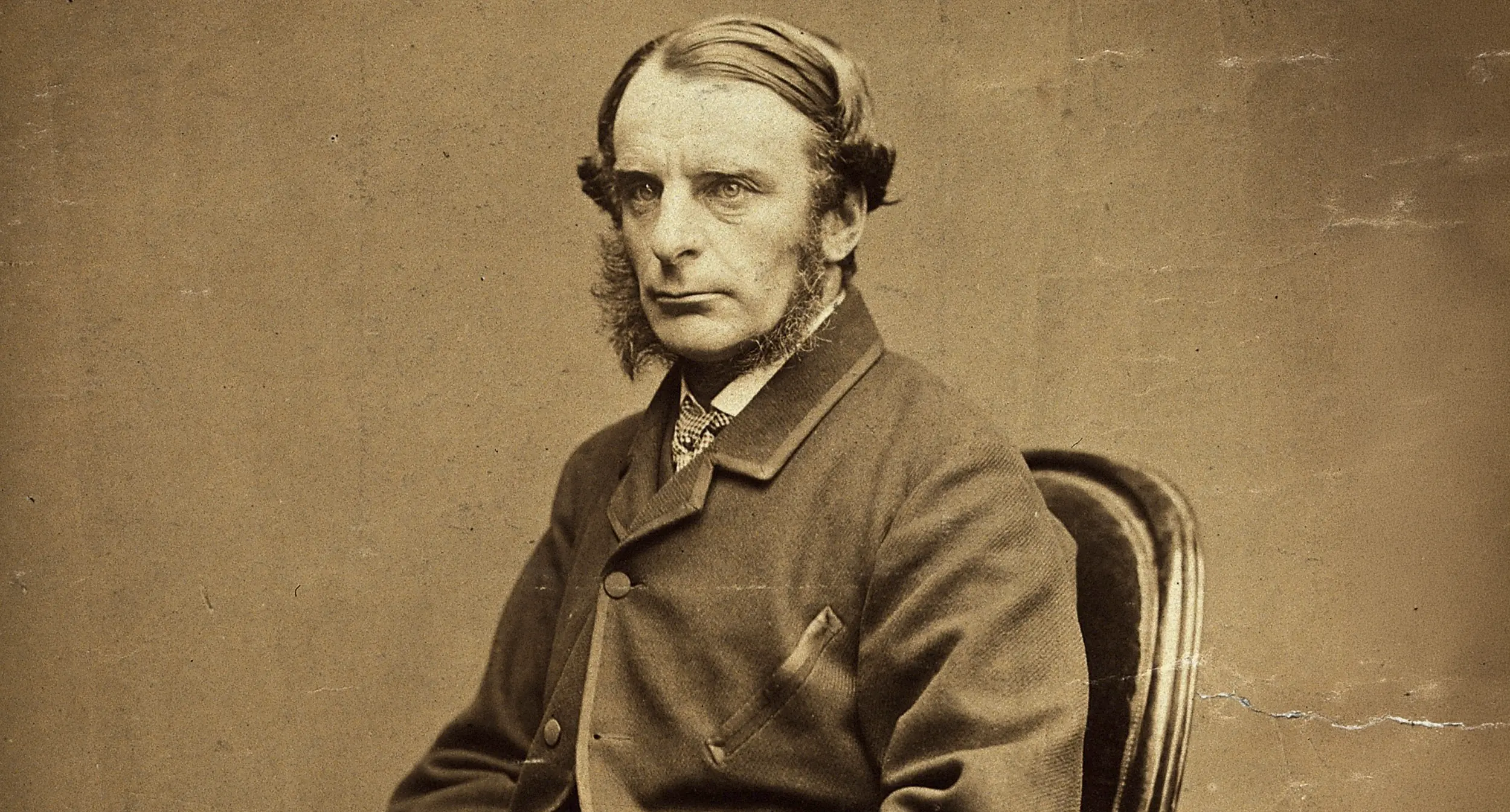
Charles Kingsley (1819–1875) was a prominent Victorian clergyman, historian, social reformer and author, remembered for works including The Water-Babies, Westward Ho! and Hereward the Wake.
A life in dates
- 1819Born in Devon
- 1820sChildhood at Barnack Rectory, where his father was rector
- 1855Westward Ho! published
- 1863The Water-Babies published
- 1866Hereward the Wake brings the Fenland rebel to a national audience
- 1875Dies, aged 55
Barnack and the Soke
Although he was born in Devon, Kingsley had an important connection to the Peterborough area through his childhood in Barnack, where his father served as rector.
The family lived at Barnack Rectory, now known as Kingsley House, and the surrounding landscape of the Fens and the historic Soke of Peterborough helped shape his imagination.
Hereward the Wake
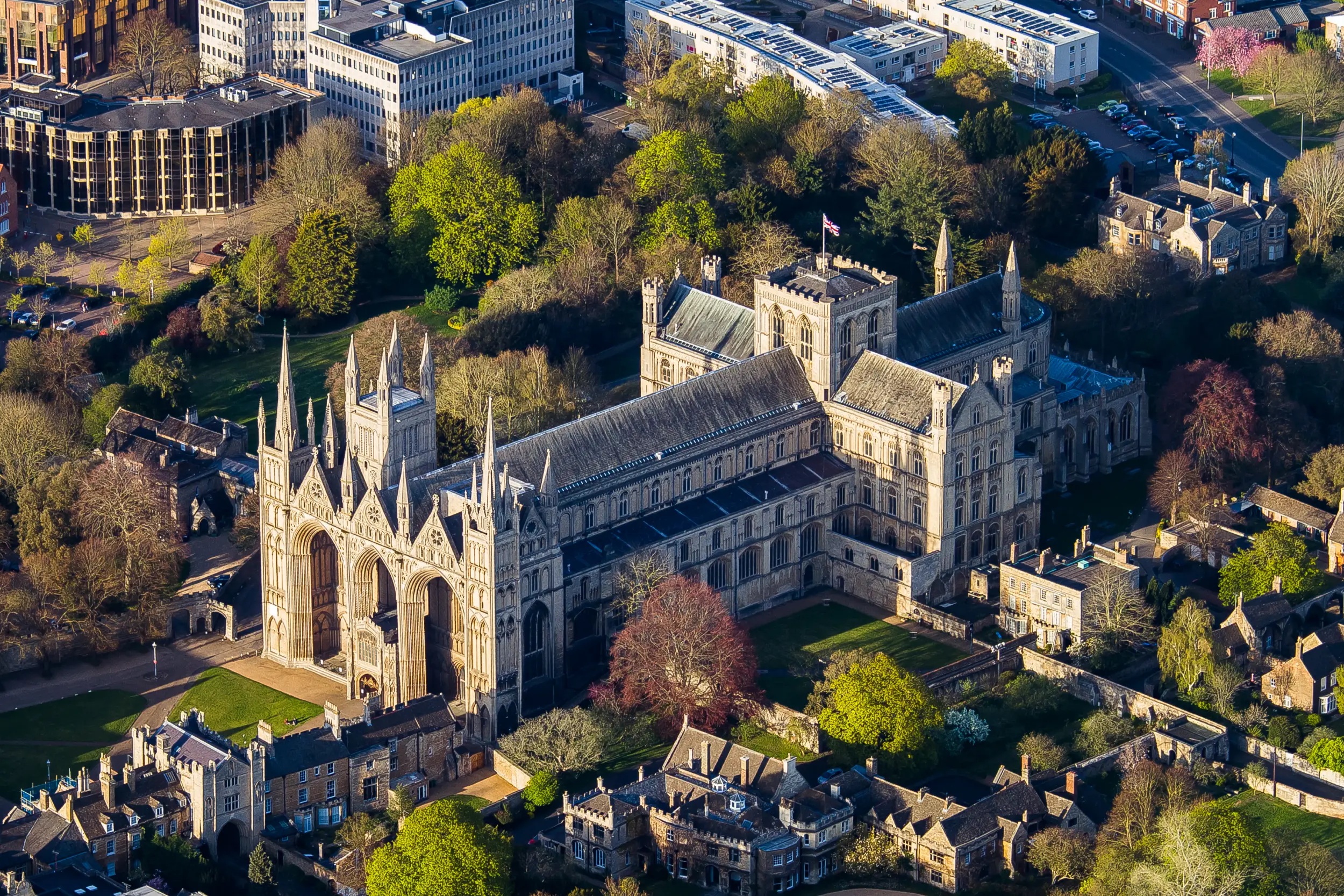
Kingsley’s strongest literary connection to the city came through his 1866 novel Hereward the Wake. The book retold the story of the legendary Anglo-Saxon rebel who resisted the Norman Conquest and whose life is closely associated with the Fens, Peterborough Abbey and the wider region.
Kingsley’s popular novel played a major role in bringing Hereward’s story to a Victorian audience and helped establish him as one of the best-known figures in local folklore.
The works
Three novels have kept his name in circulation.
- 1855 Westward Ho!
- 1863 The Water-Babies His best-known book
- 1866 Hereward the Wake The Peterborough connection
The public thinker
Alongside his literary career, Kingsley was also an influential public thinker who wrote about social reform, education, religion and the natural world.
His place in the story
His childhood links to Barnack and his fascination with the history and landscape of the Fens give him a lasting place within Peterborough’s rich literary and cultural heritage.