Seaxwulf (before 676 – c. 692)
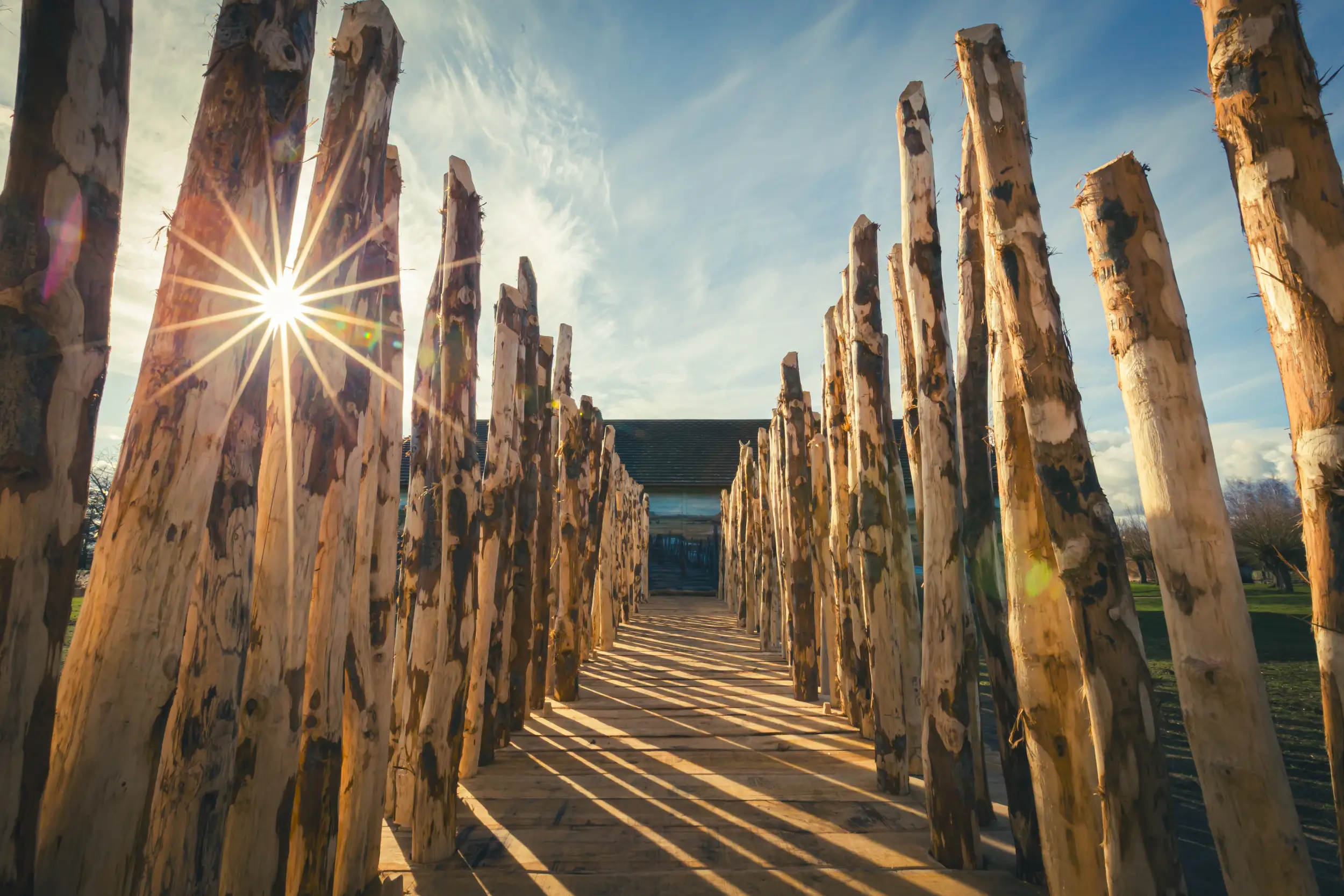
Seaxwulf was the founding abbot of Medeshamstede, the seventh-century monastery from which Peterborough Abbey, Peterborough Cathedral and ultimately the city itself developed.
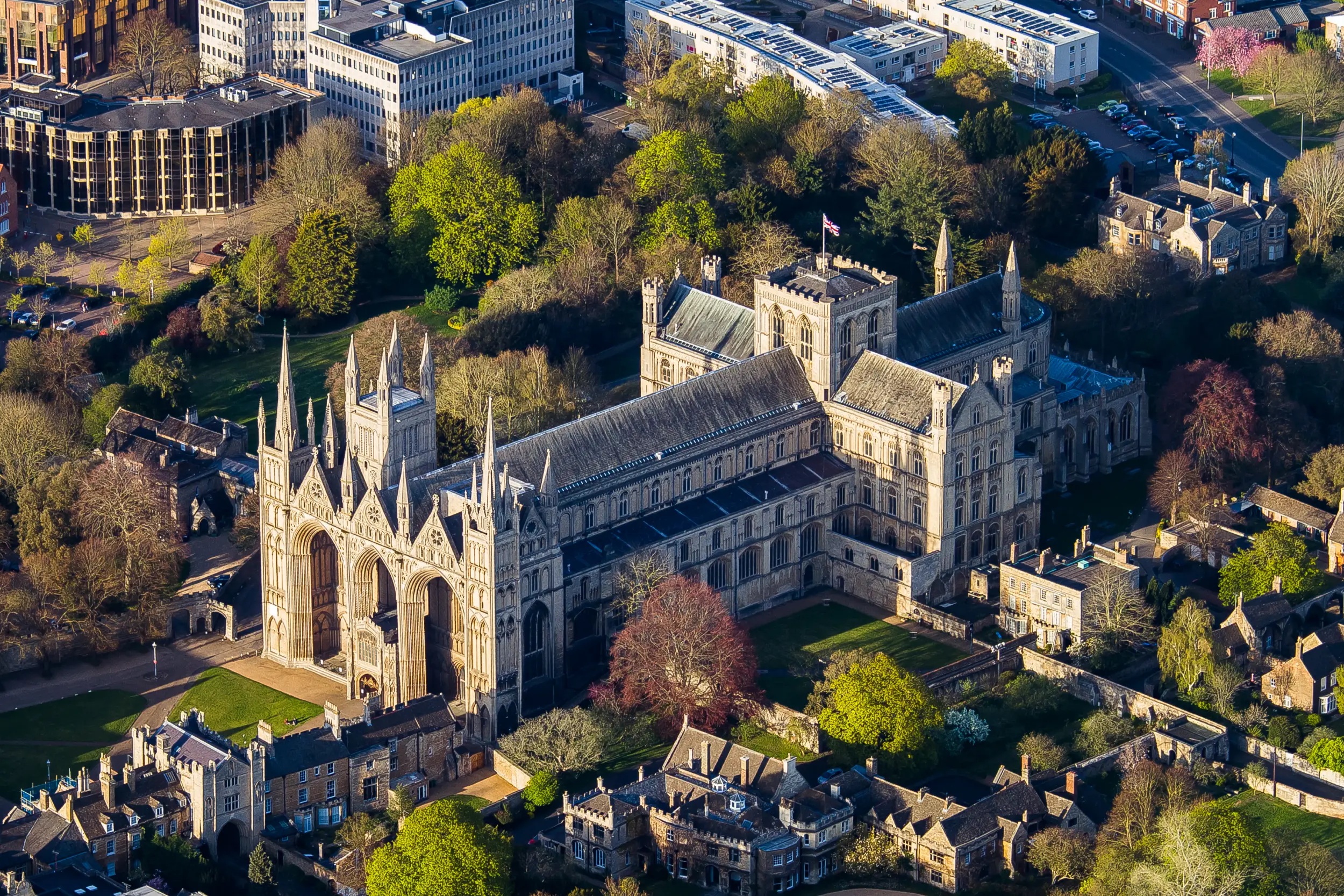
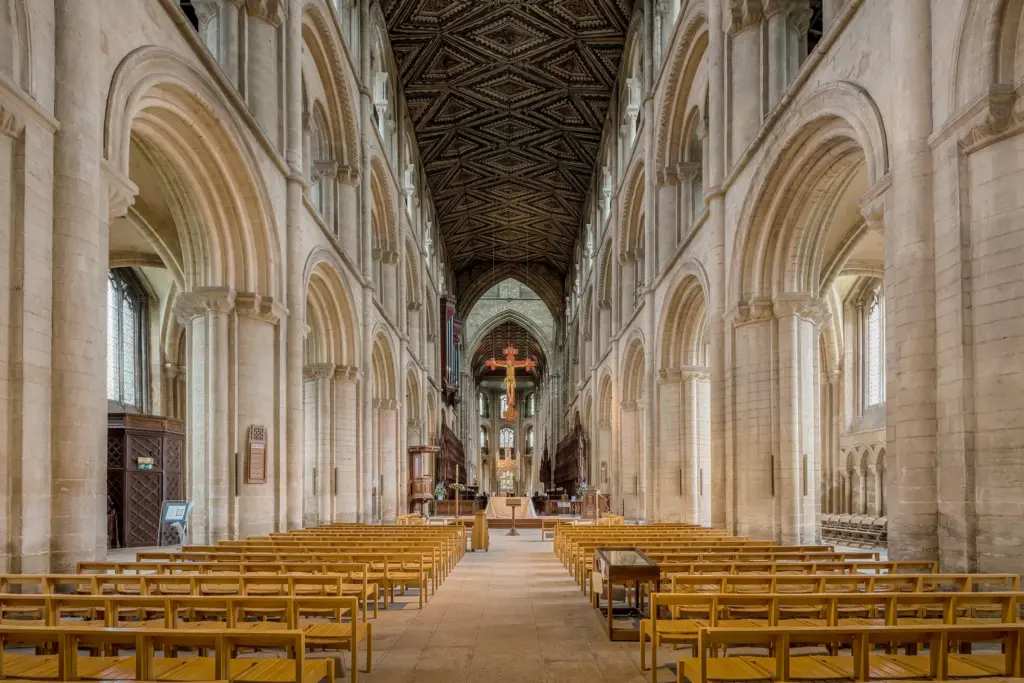
After fire destroyed Peterborough Abbey in 1116, Abbot John de Sais began the monumental Norman church that became Peterborough Cathedral. Discover the man behind one of the city’s greatest buildings.
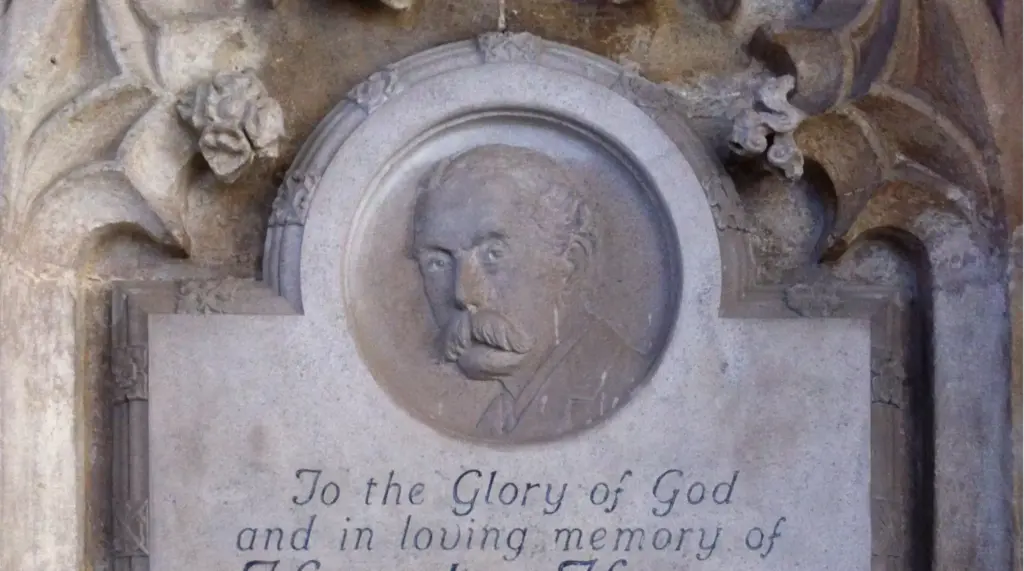
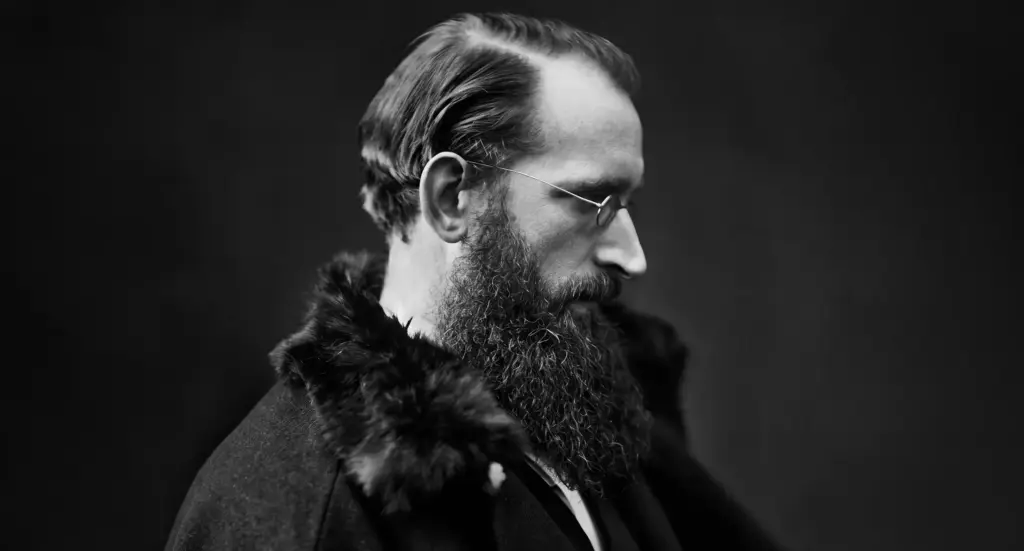
Mandell Creighton was a pioneering Victorian historian and Bishop of Peterborough from 1891 to 1897. Discover the scholar, churchman and peacemaker who helped shape modern historical study.
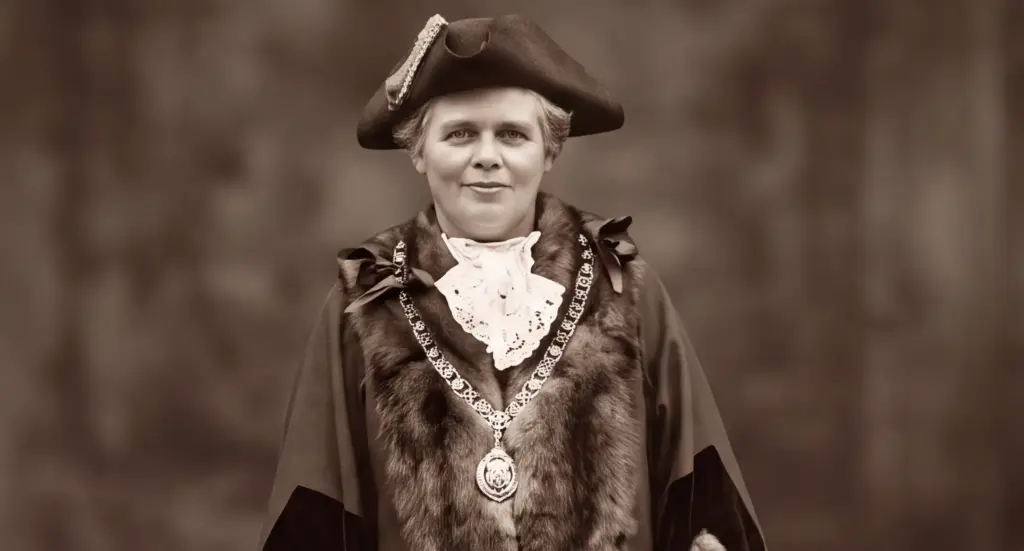
Lily Violet Bryant became Peterborough’s first woman councillor in 1930 and its first woman mayor in 1938, leading the city as Britain prepared for the Second World War.
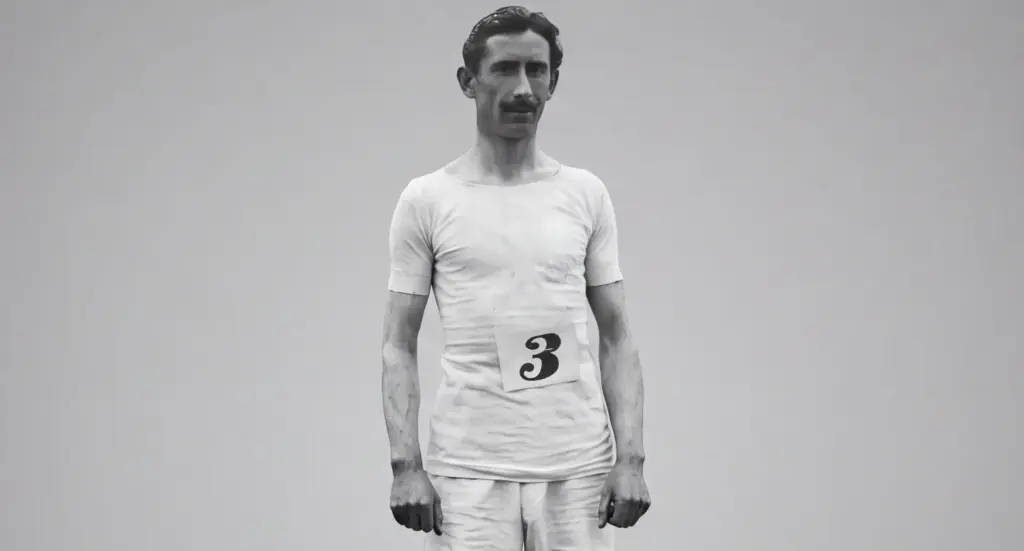
Educated in Peterborough, Arthur James Robertson became an Olympic champion, international cross-country winner and 5,000 metres world-record holder before returning to a life in the city’s sporting community.
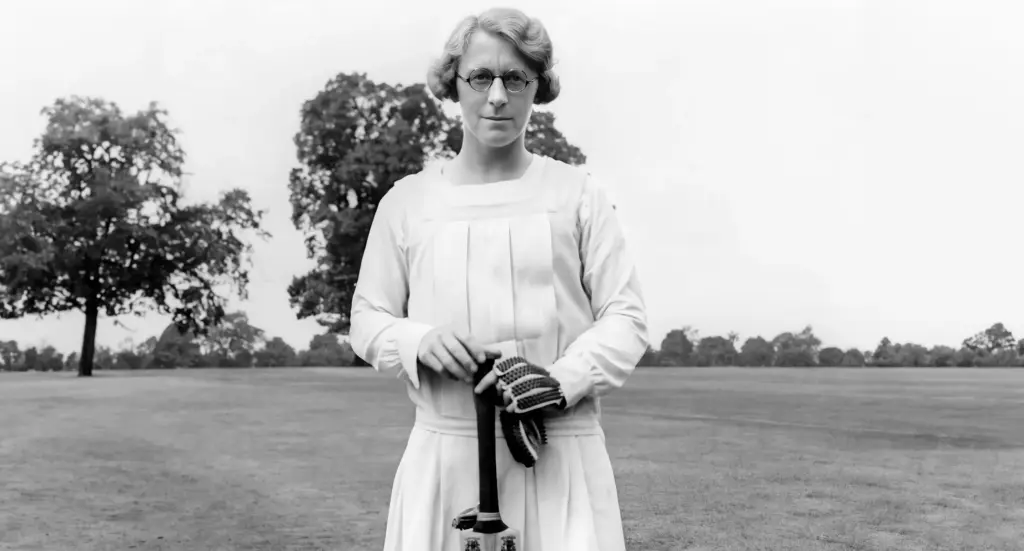
Raised and educated in Peterborough, Marjorie Pollard became an England hockey star, helped found the Women’s Cricket Association and broke new ground as the BBC’s first woman sports commentator.
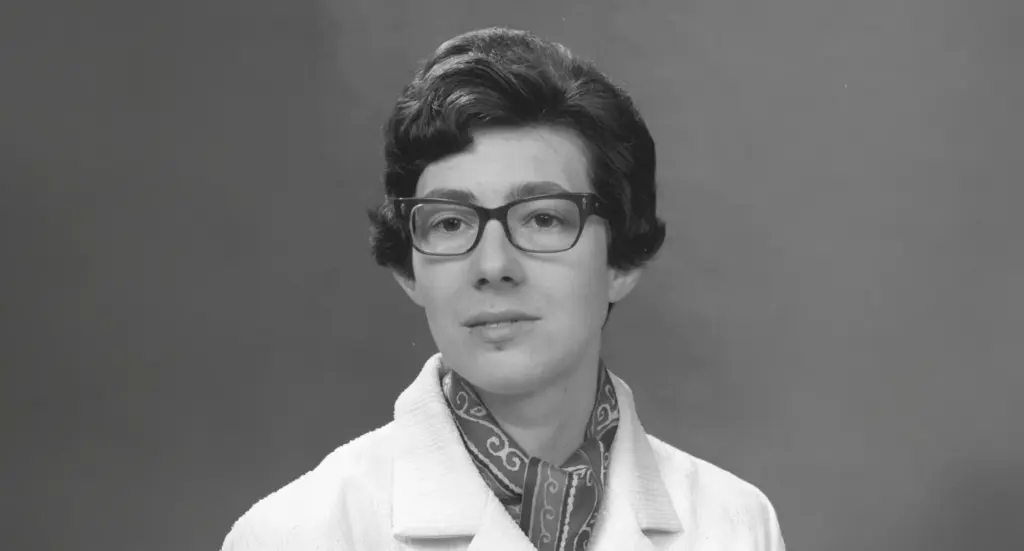
Born and educated in Peterborough, Daphne Jackson became Britain’s first female Professor of Physics and created a pioneering fellowship scheme that has helped hundreds of researchers return to their careers.
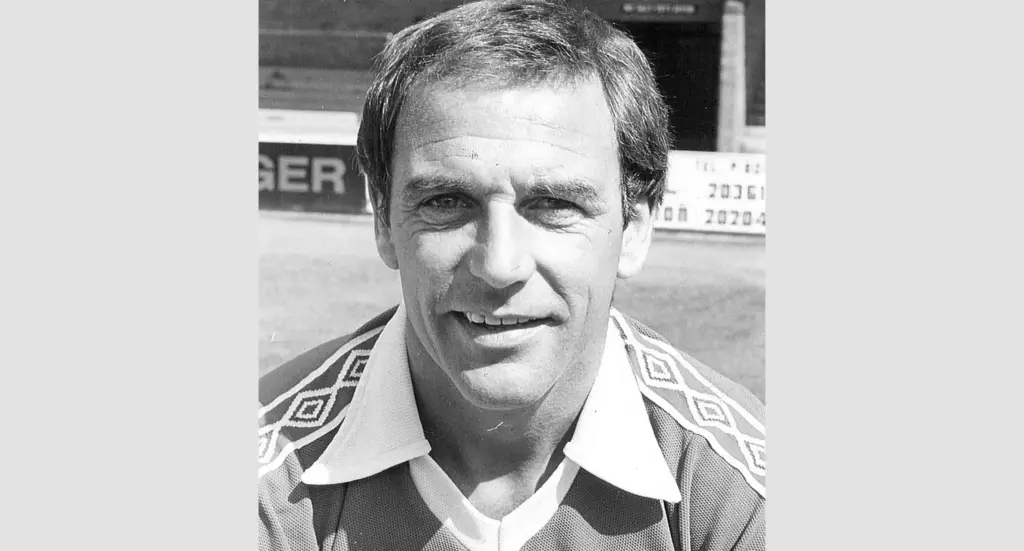
Tommy Robson became one of the most loved figures in Peterborough United history, making a club-record 559 first-team appearances and building a lifelong connection with the city.
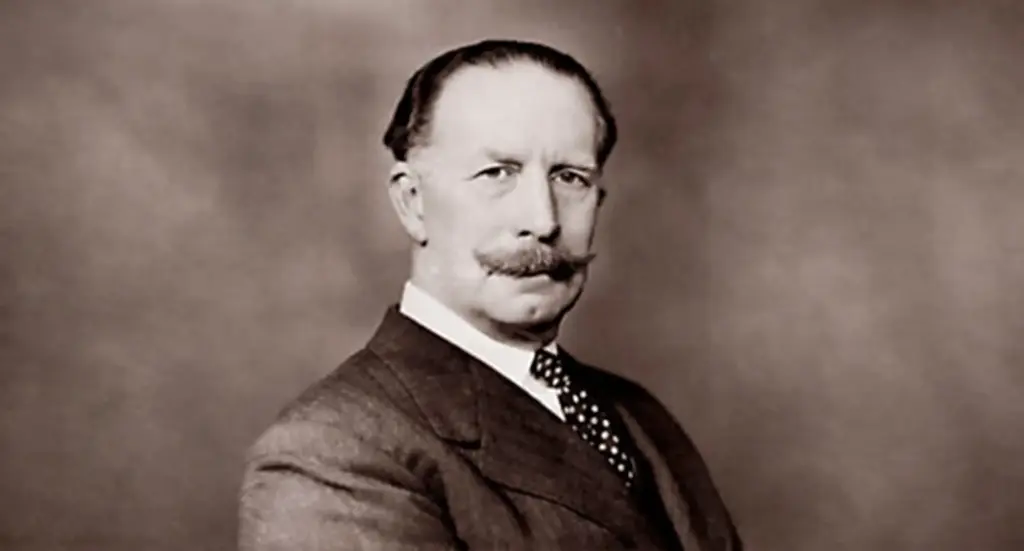
Frank Perkins helped turn a small Peterborough engineering business into one of the world’s great engine manufacturers. Discover the man, the machines and the city behind the Perkins name.
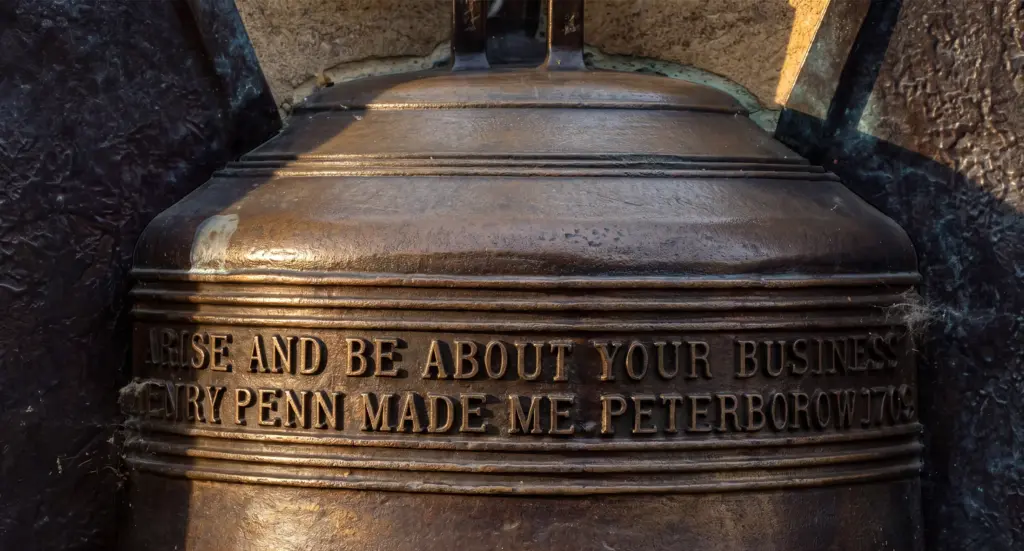
Henry Penn was the Peterborough bellfounder whose Bridge Street foundry produced more than 250 bells, including the great 1709 ring for Peterborough Cathedral. Discover the craftsman whose work still sounds across the city today.
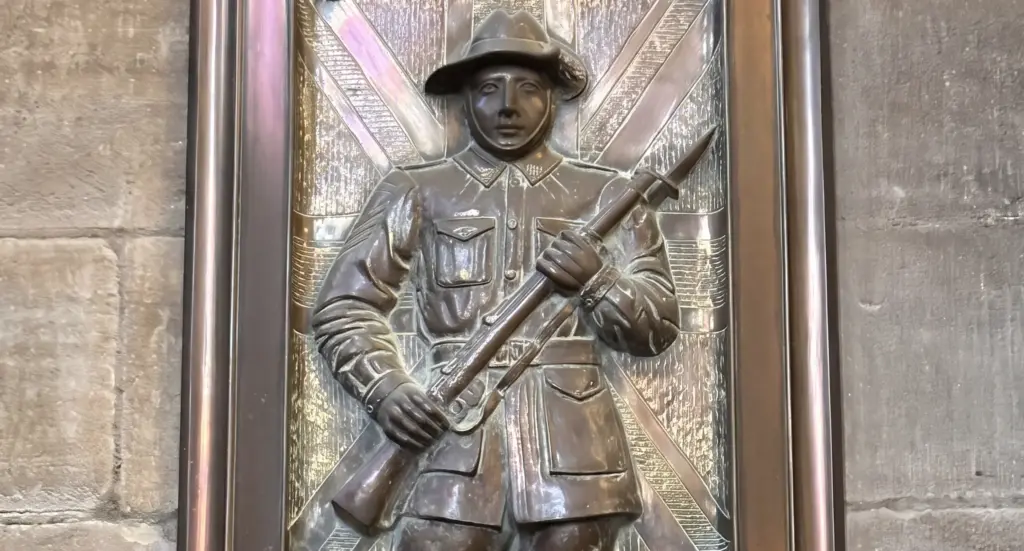
Sergeant Thomas Hunter, the Lonely Anzac, died in Peterborough after being wounded at Pozières in 1916. Discover how the city honoured this Australian soldier with an extraordinary funeral, lasting memorials and an annual tradition of remembrance.
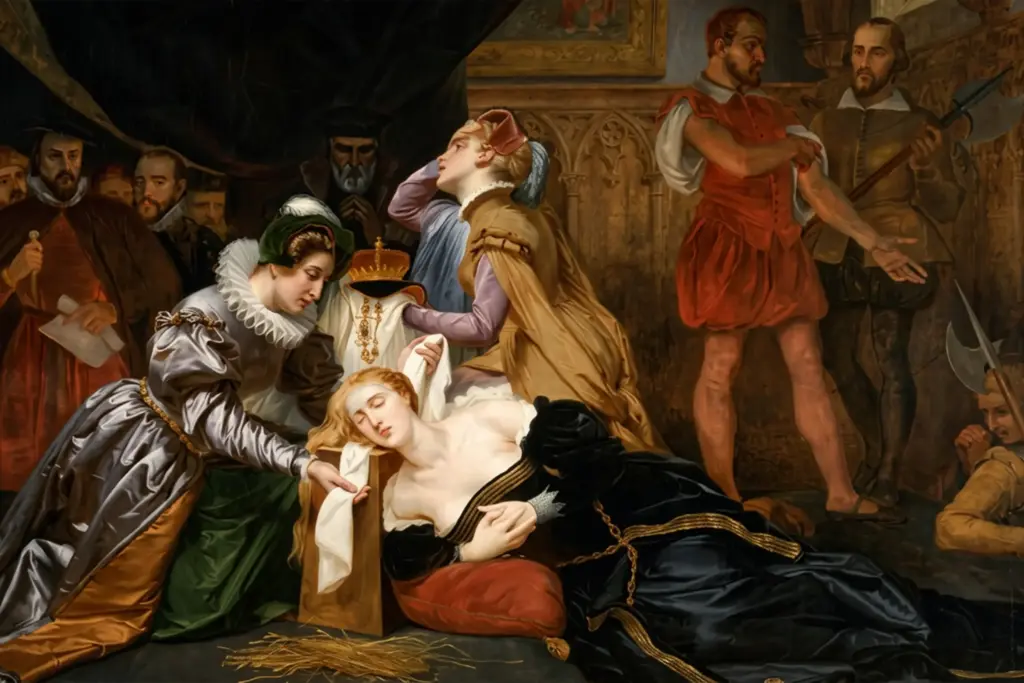
Mary, Queen of Scots was executed at nearby Fotheringhay in 1587 and given a magnificent royal funeral at Peterborough Cathedral, where she remained buried for 25 years.
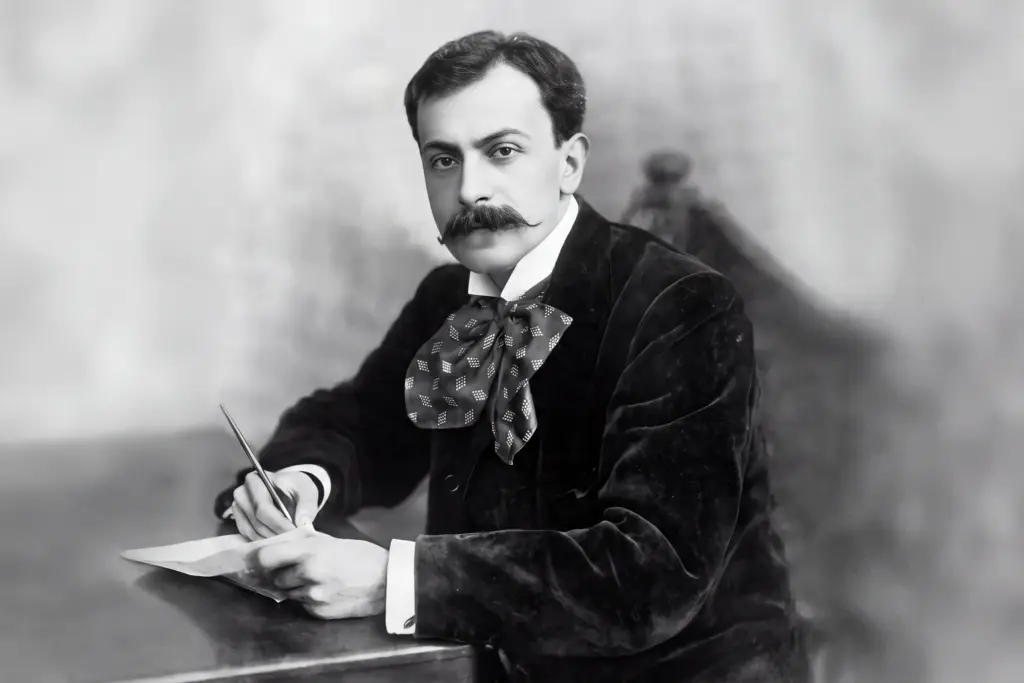
William Tufnell Le Queux (1864–1927) was one of the most extraordinary literary figures ever to make his home in the Peterborough area.
Five UK number ones, two BRIT Awards and more than ten million records sold. The story starts with a Bretton schoolboy who wanted to play football, and a Saturday night impression of Michael Jackson.
From a school drama club in Walton to Apple TV, Netflix and the BBC, Luke Pasqualino has spent almost twenty years as one of the most recognisable faces to come out of Peterborough.
Born in Peterborough in 1997, Rene Matić is an internationally recognised artist, photographer, writer and poet whose work examines contemporary Britain through intimate images of family, friendship, subculture, faith and queer life.
Michael Stonebank, known professionally as Stonebank, is a Peterborough-born DJ, songwriter and electronic music producer. Best known for his long association with the Canadian record label Monstercat, he has built an international following through high-energy releases spanning UK hardcore, electro house, drum and bass, dubstep, hardstyle and melodic electronic music.
Hereward the Wake was one of the most celebrated English rebels of the 11th century. From the waterways and marshes of the Fens, he resisted the rule of William the Conqueror during the unsettled years following the Norman Conquest.
The monk who wrote Peterborough Abbey’s history and gave us the phrase “the golden borough”. Hugh Candidus, his chronicle, and how the text survived.
Long before nature writing became a publishing category, a minister from Eastfield was teaching Edwardian Britain how to look at a pond.
Peterborough-born writer and social scientist Richard V. Reeves has built an international career examining social mobility, class, family life and the changing circumstances of boys and men.
The man who wrote the novel behind The Wicker Man was born in Peterborough, and came back to write a play about Hereward the Wake.
Peterborough has produced its share of writers, but few have travelled as quickly from local comprehensive to national bookshelf as Benjamin Dean.
Charles Kingsley (1819–1875) was a prominent Victorian clergyman, historian, social reformer and author, remembered for works including The Water-Babies, Westward Ho! and Hereward the Wake.