
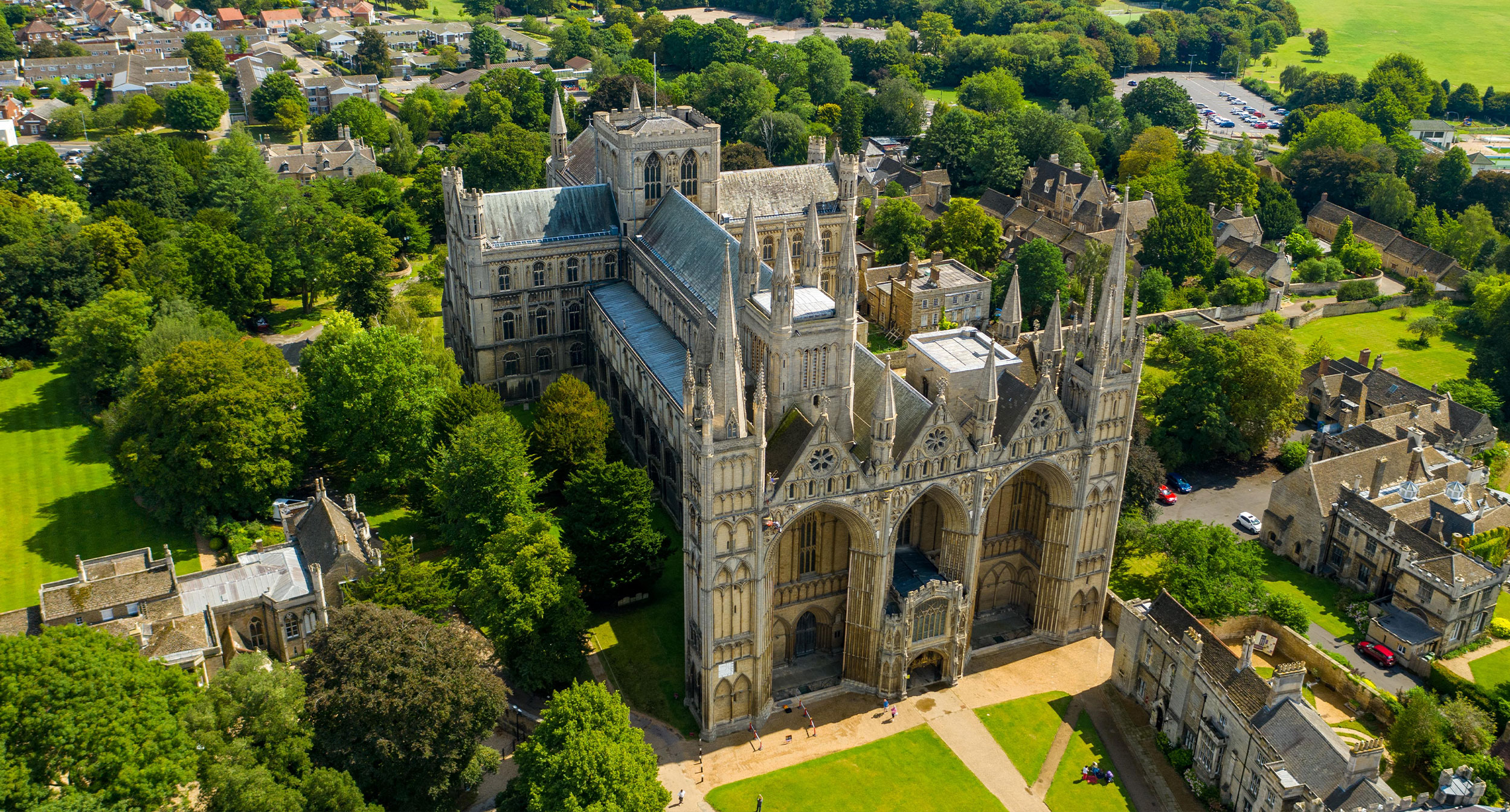


Discover Peterborough
Peterborough
in Objects
Some stories survive in stone. Others in books, pottery, engines, jewellery, bricks and things left behind. Explore Peterborough through the remarkable objects that carry its story across thousands of years.
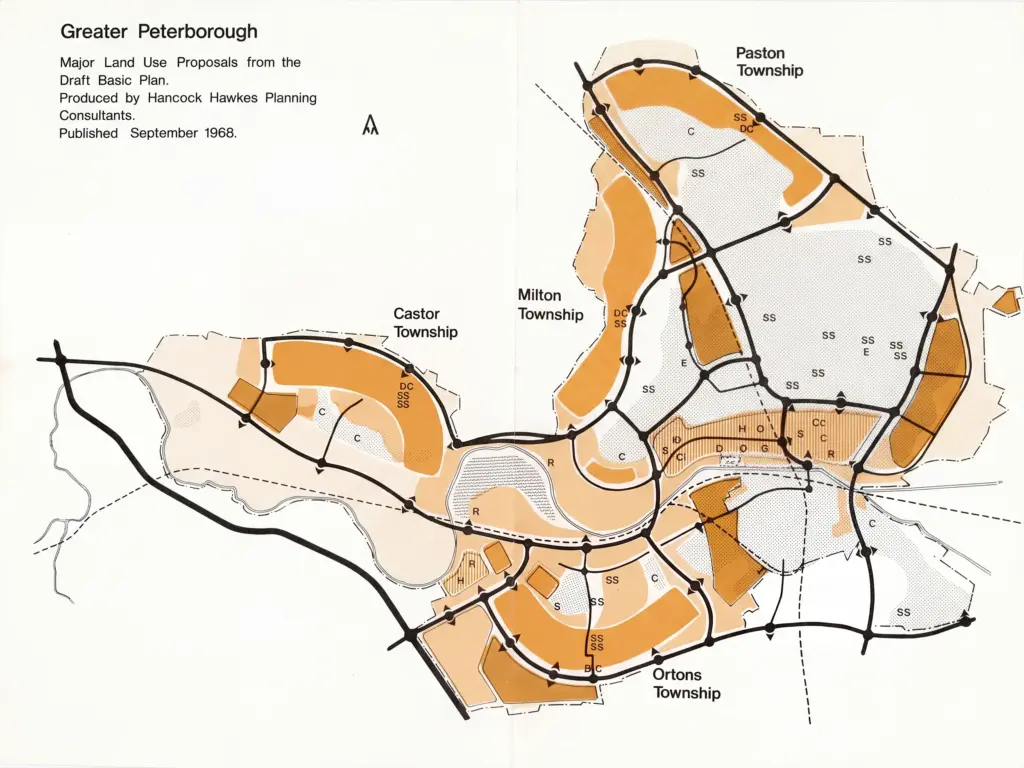
The Greater Peterborough Master Plan
Published in 1970, the Greater Peterborough Master Plan turned New Town ambition into a blueprint for modern Peterborough, shaping the townships, Parkways, green spaces, employment areas and city centre we still know today.

The RAF Wittering Harrier Gate Guardian
Standing at the gate of RAF Wittering, Harrier GR7A ZD469 is a combat veteran and a powerful reminder of the more than forty years in which the station was known around the world as the Home of the Harrier.
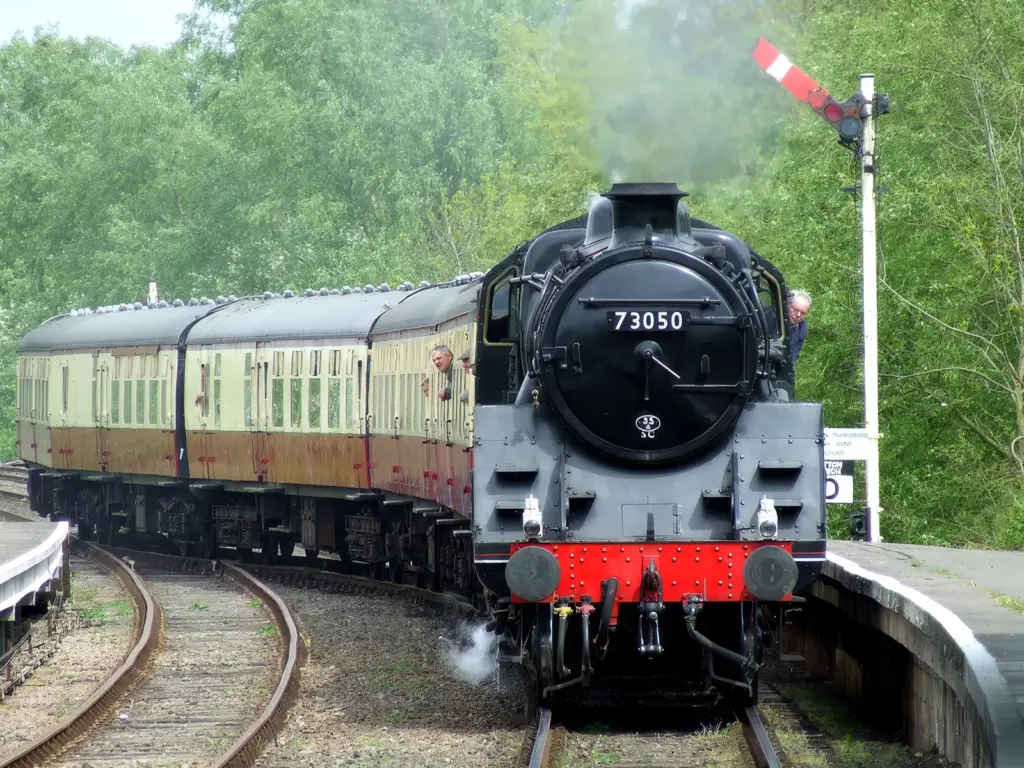
BR Locomotive 73050 “City of Peterborough”
Built for British Railways in 1954 and saved from scrap in 1968, steam locomotive 73050 became City of Peterborough and helped inspire the preservation movement that created the Nene Valley Railway.
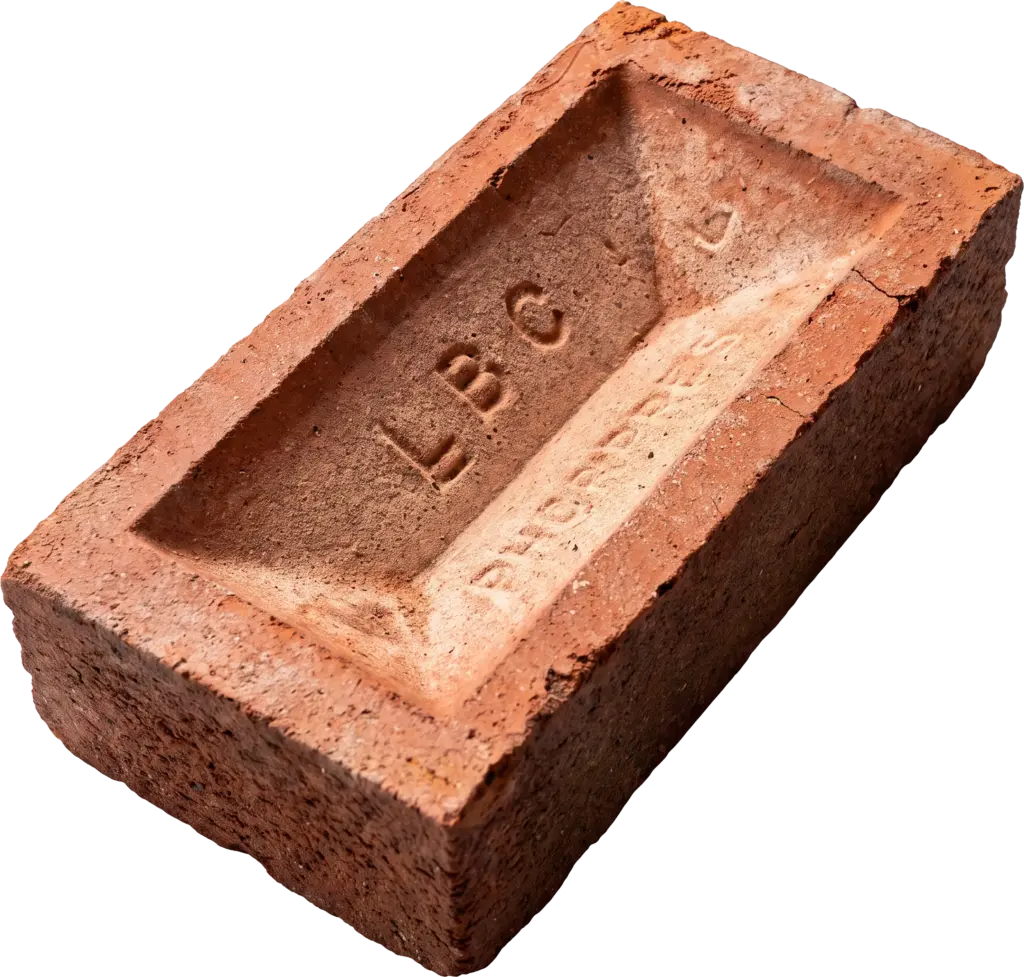
The Fletton Phorpres Brick
Pressed from the remarkable Oxford Clay beneath Fletton, London Brick Company’s Phorpres brick helped transform Peterborough into one of Britain’s great brickmaking centres and became part of millions of homes across the country.
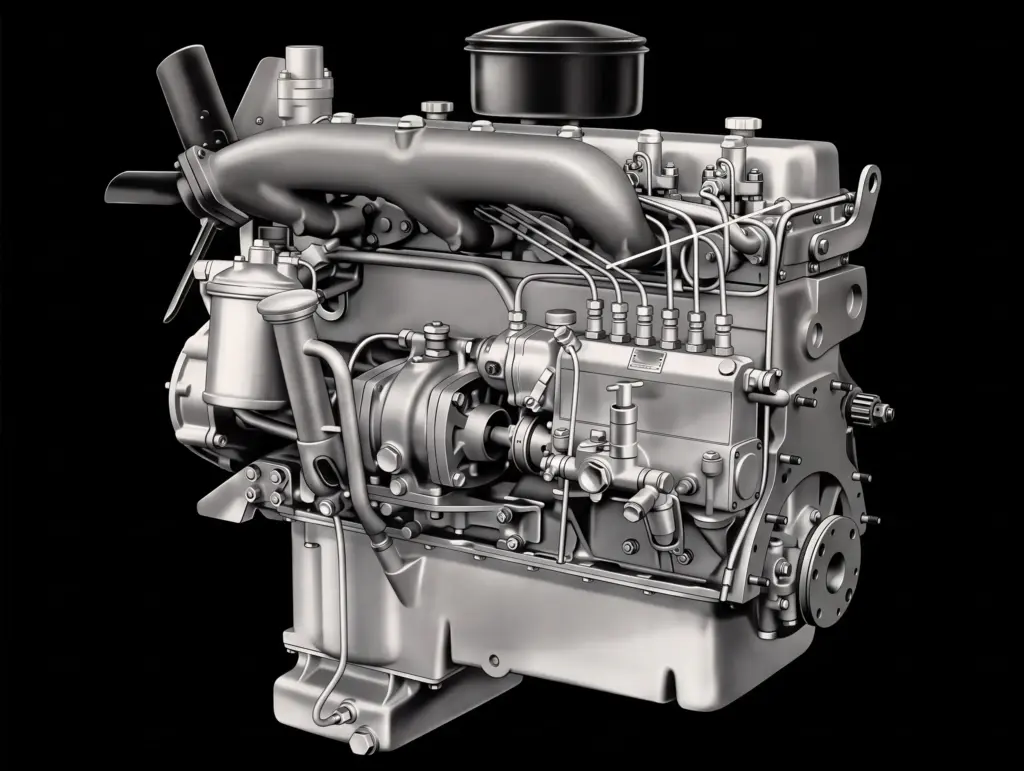
The Perkins P6 Diesel Engine
Introduced in 1937–38, the lightweight six-cylinder Perkins P6 helped prove that diesel engines could be compact, fast and practical, transforming a small Peterborough company into an international engineering name.
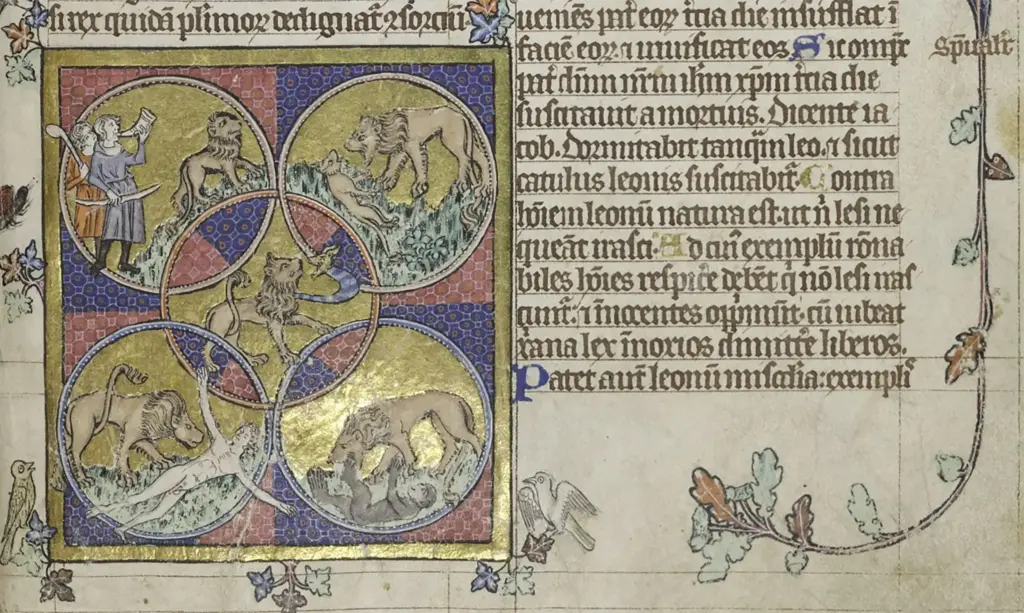
The Peterborough Bestiary
Lions, elephants, dragons, unicorns and the unforgettable bonnacon fill the Peterborough Bestiary, a spectacular medieval manuscript in which every creature could become a lesson about faith, morality and the meaning of creation.
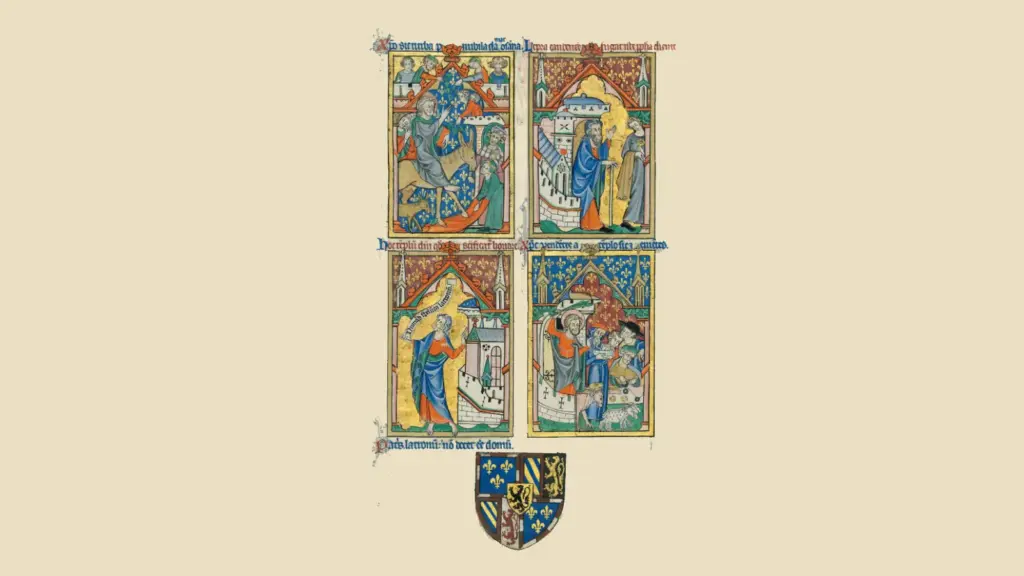
The Peterborough Psalter
Written in shimmering gold and blue around 1300, the Peterborough Psalter left Peterborough Abbey in 1318 and passed through the hands of popes, queens, kings and dukes before reaching Brussels.
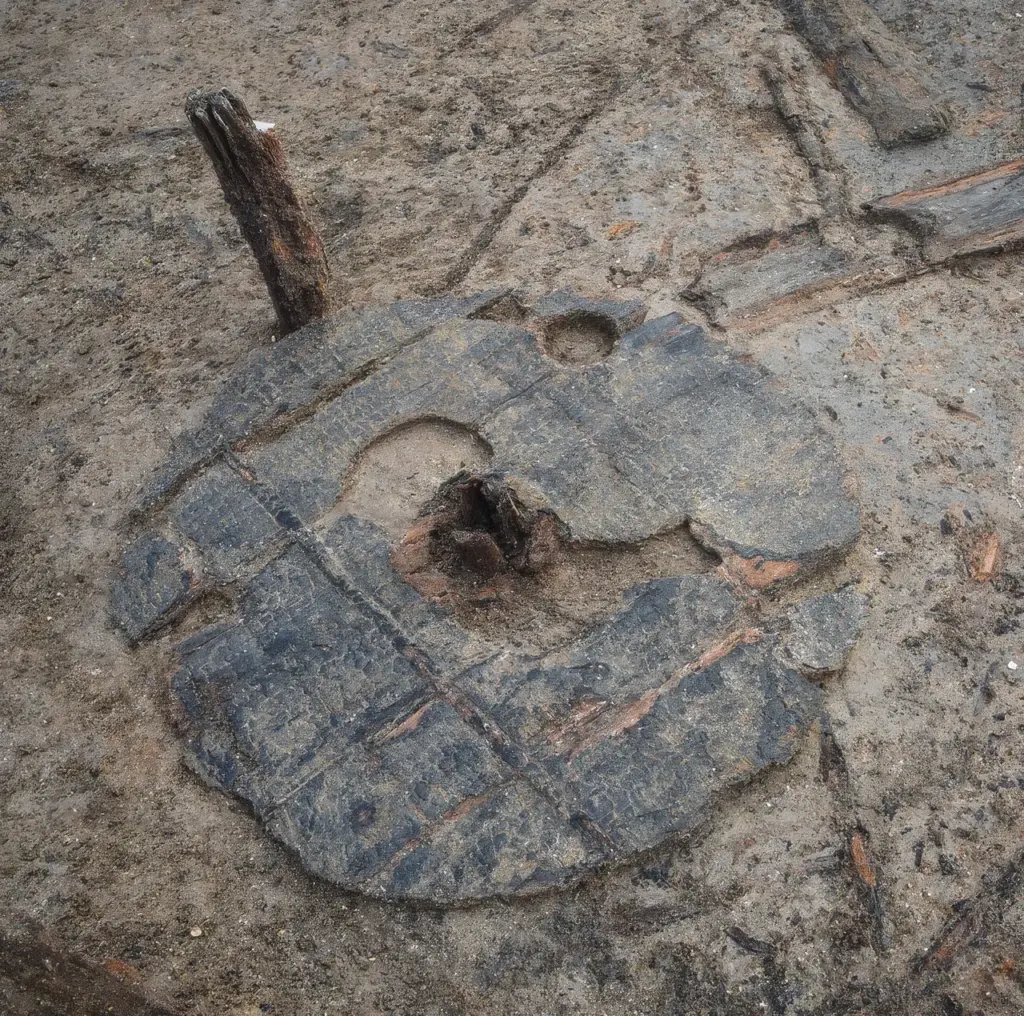
The Must Farm Wheel
Discovered beneath the Fenland mud at Must Farm, this exceptionally complete Bronze Age wooden wheel reveals sophisticated woodworking, wheeled transport and a community connected far beyond its watery settlement.
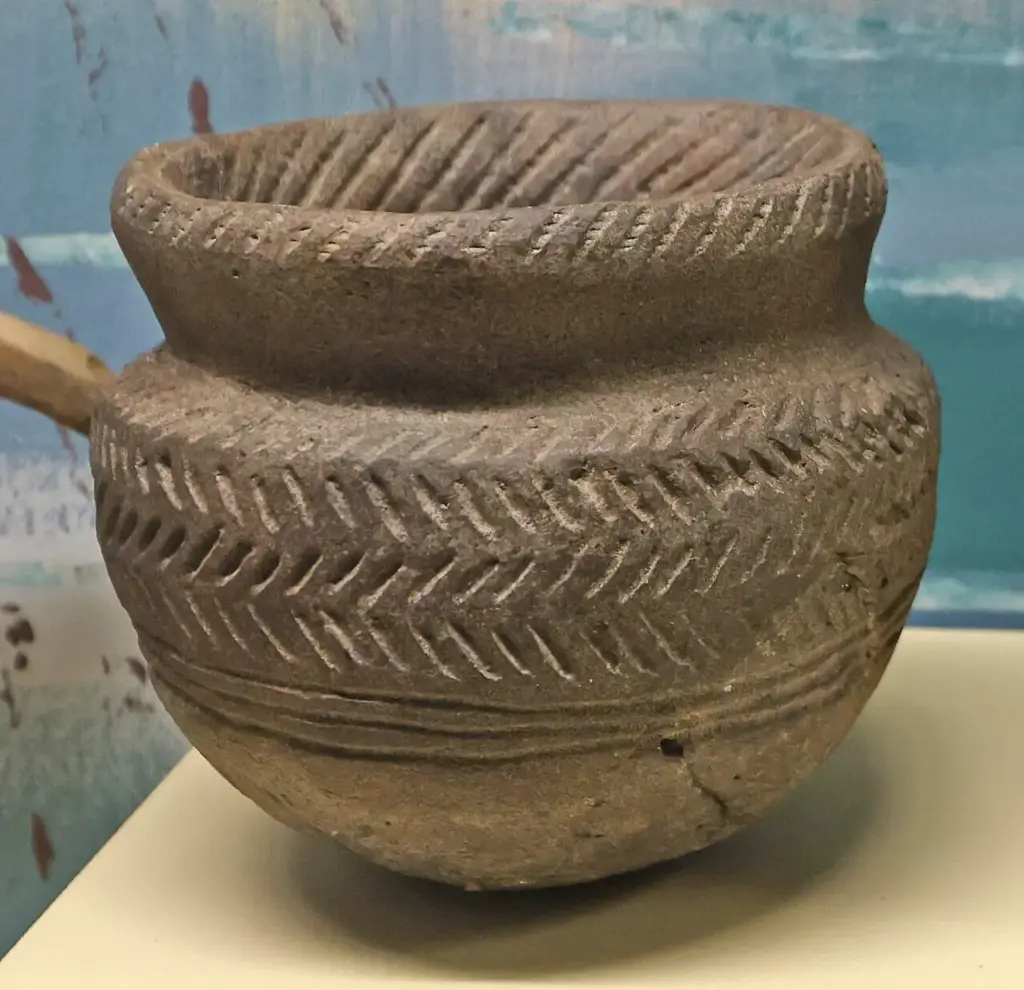
A Peterborough Ware Vessel
More than 5,000 years ago, Neolithic communities at Fengate made richly decorated pottery whose discovery would eventually give an entire British archaeological tradition its name: Peterborough Ware.
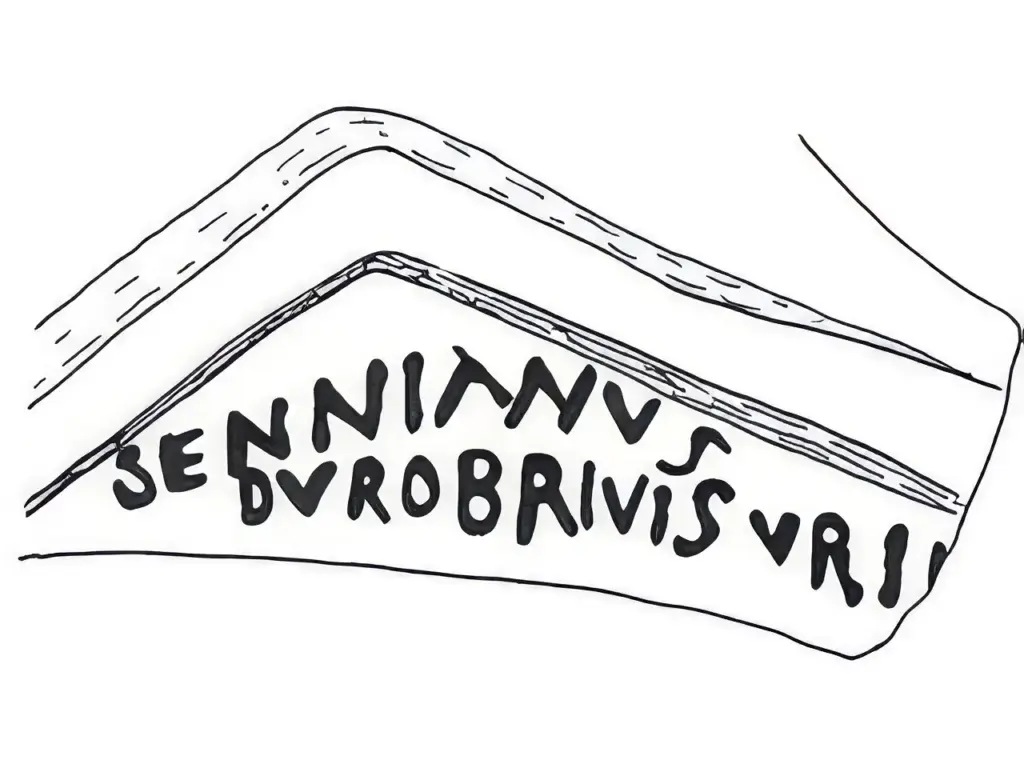
The Sennianus Mortarium
A fragment of Roman kitchenware preserves one of Peterborough’s most remarkable signatures: Sennianus, a potter who wrote his name and the name Durobrivae on a mortarium nearly 1,800 years ago.
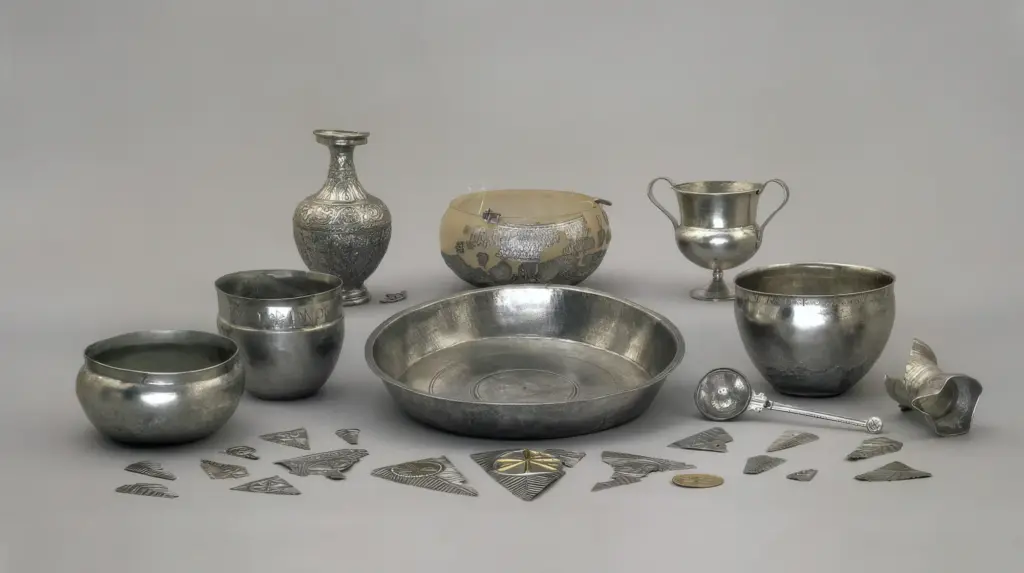
The Water Newton Treasure
Discovered at Roman Durobrivae near Peterborough in 1975, the Water Newton Treasure is an extraordinary hoard of Christian silver that reveals a wealthy community worshipping beside the River Nene around 1,700 years ago.
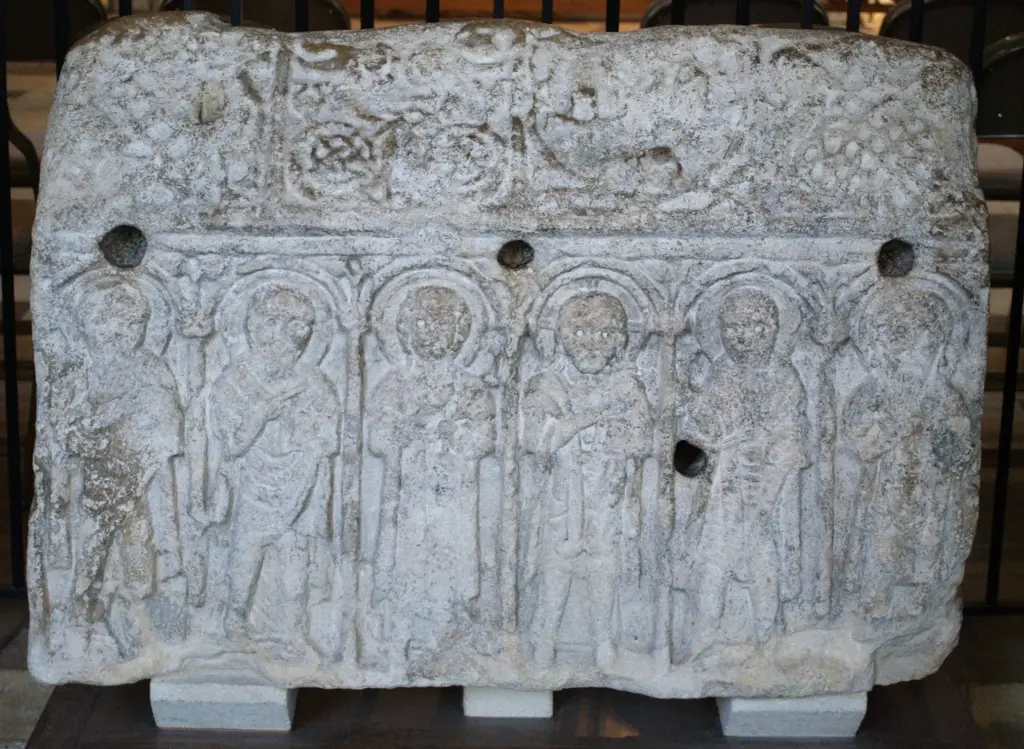
The Hedda Stone
Carved around AD 800, the mysterious Hedda Stone is one of Peterborough’s greatest Anglo-Saxon survivals, linking the modern city with the monastery of Medeshamstede that stood here more than 1,200 years ago.
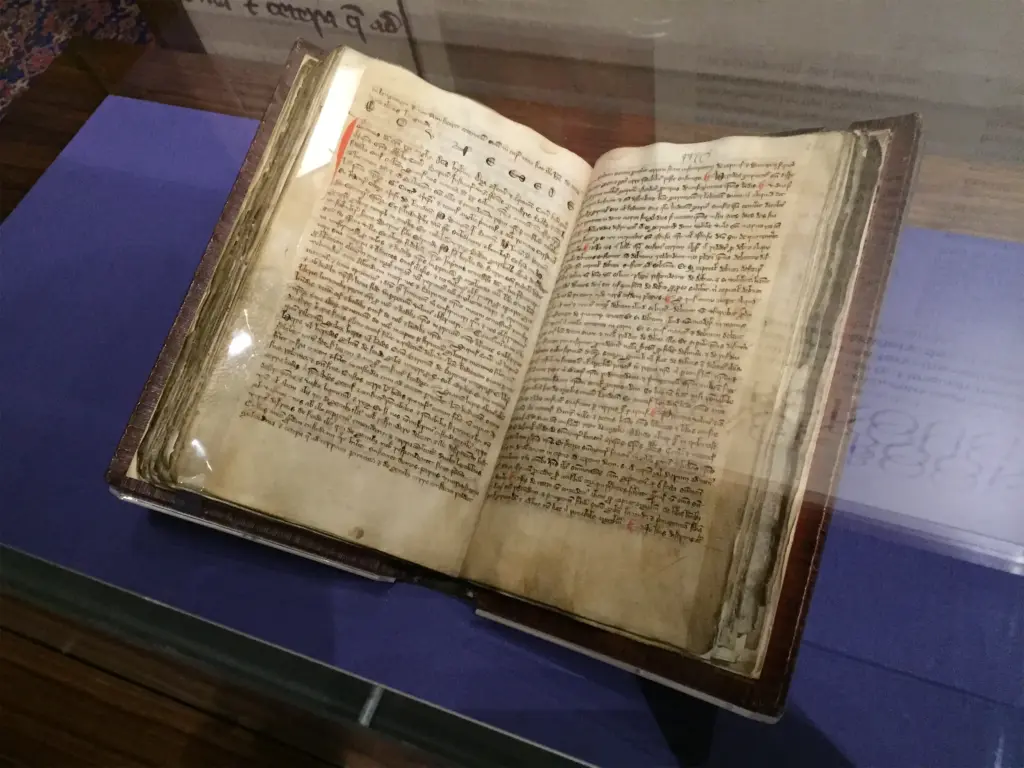
The Black Book of Peterborough (Liber Niger)
Begun at Peterborough Abbey in the 12th century, the Black Book of Peterborough preserved the monastery’s lands, rights and memory, along with an extraordinary near-contemporary text of Magna Carta.
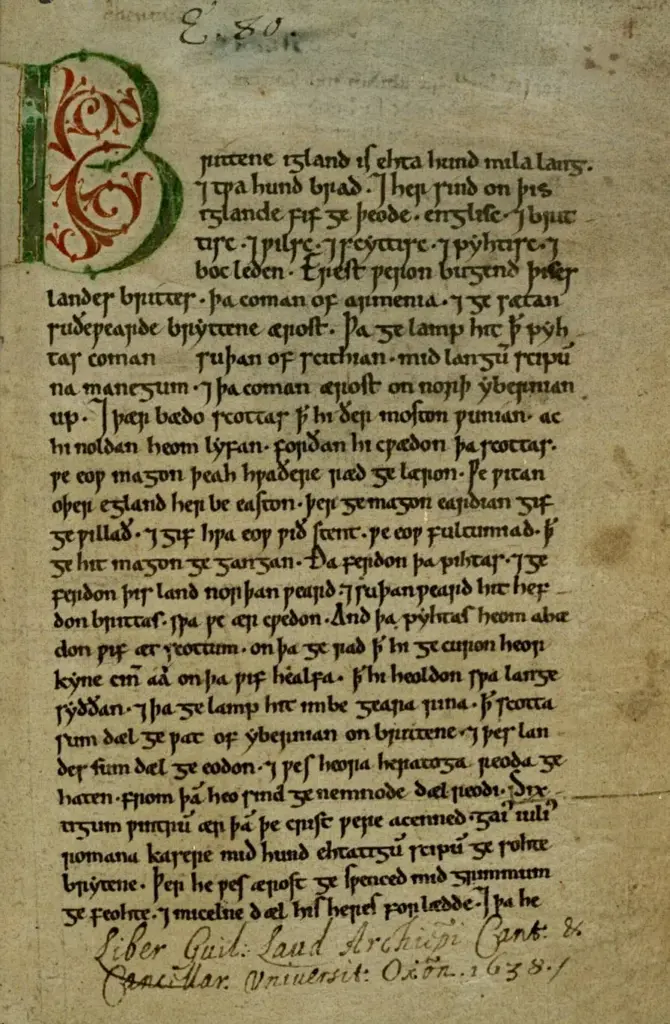
The Peterborough Chronicle
Written at Peterborough Abbey in the 12th century, the Peterborough Chronicle records medieval England while capturing the English language changing from Old English towards Middle English.