

Peterborough’s Strange Literary Tradition
chronicle and modern folk horror
The Strange Things a Place Chooses to Keep
Something happened.
The earliest writers tell us what people said they saw, heard, feared or believed.
A world was changing.
Clare and Dack capture customs, vocabulary and belief as older rural culture begins to disappear.
The story changes shape.
Kingsley and Swain turn inherited landscapes into legend and supernatural fiction.
The past comes back.
Hartley and Pinner show that the strange does not vanish in the modern world. It simply learns new forms.
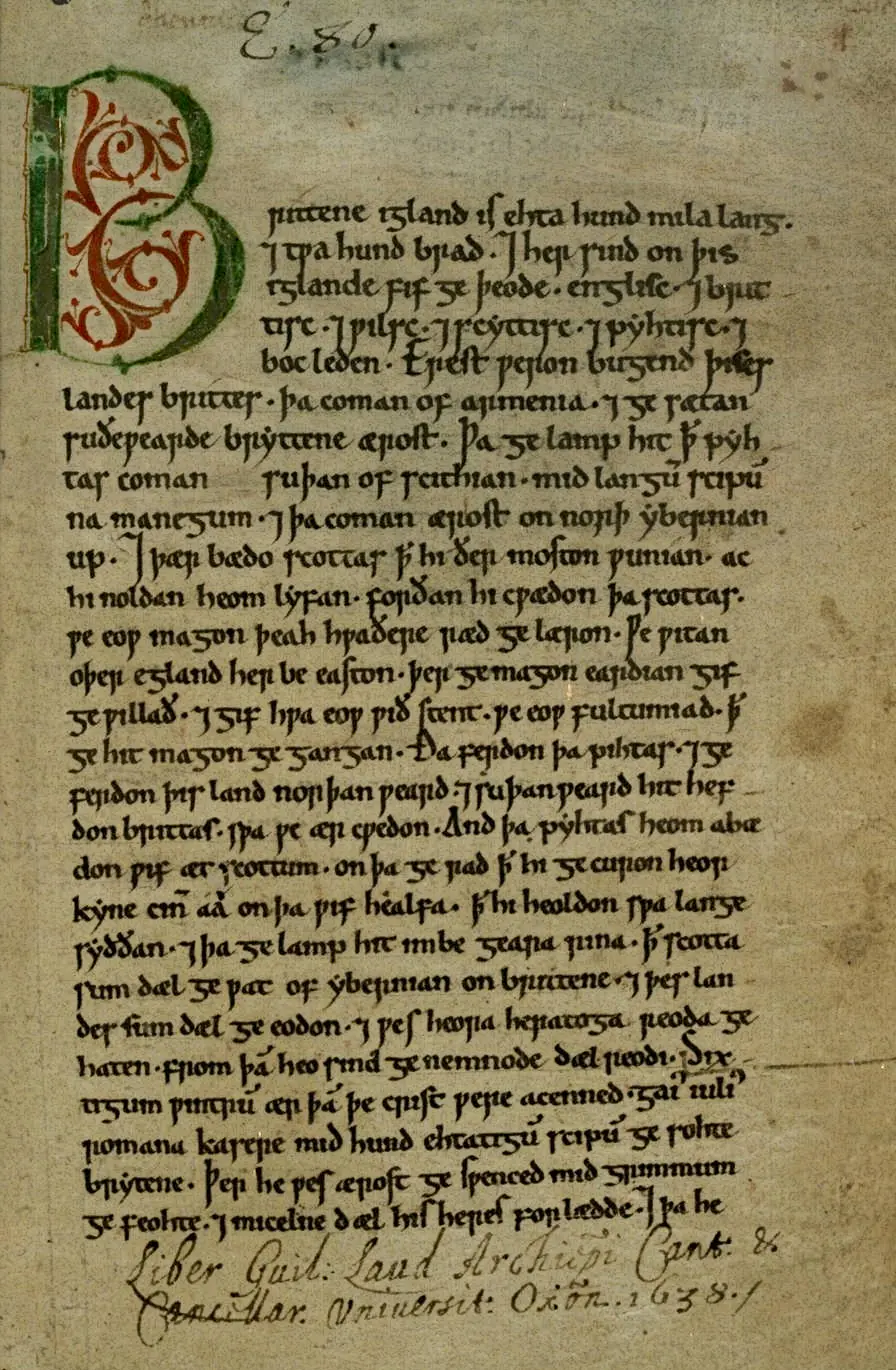
The first strange writer in this story has no name.
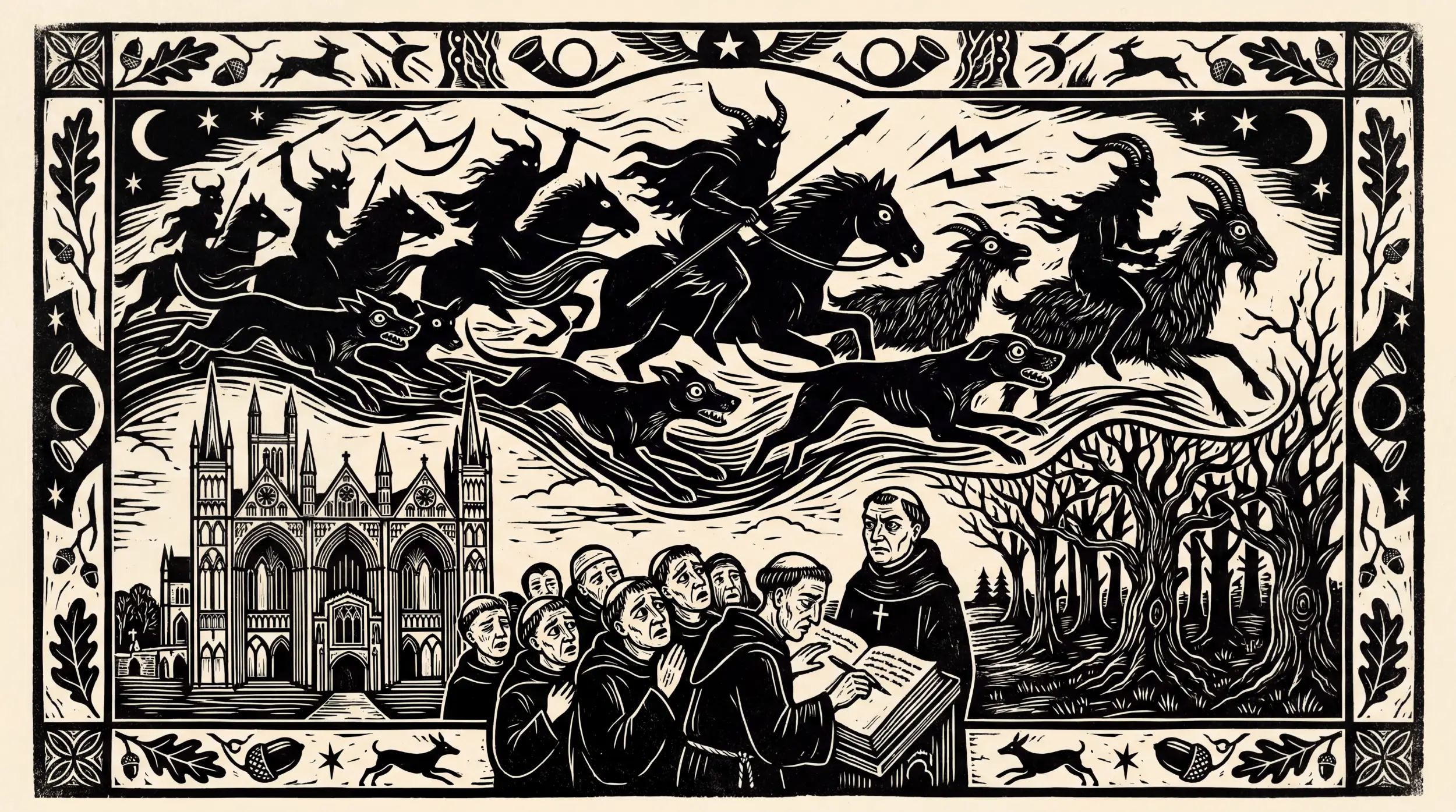
But he wants us to believe him.Soon after Henry of Poitou arrived as Peterborough's deeply unpopular new abbot, the Chronicle records hunters appearing in the deer enclosure and woods around the monastery.
They are black, huge and horrible. Their hounds are black. Their animals are strange. Horns sound at night. The writer insists that many people encountered them and that trustworthy men deliberately watched for them.
Yet treating this simply as an early ghost story misses what the medieval author is doing. Henry's appointment had angered the Peterborough community. In the logic of the Chronicle, his arrival disturbs more than monastic administration. The landscape itself appears to react.
The new abbot enters Peterborough. The woods answer.
The supernatural as argumentThe strange hunt therefore works simultaneously as testimony, supernatural narrative and political criticism. The writer has made the world outside the abbey condemn the man inside it.
Even the familiar name “Wild Hunt” is later. The Peterborough text gives the company no named supernatural leader and never calls them the Wild Hunt. Later centuries placed the event inside a much wider European mythology.
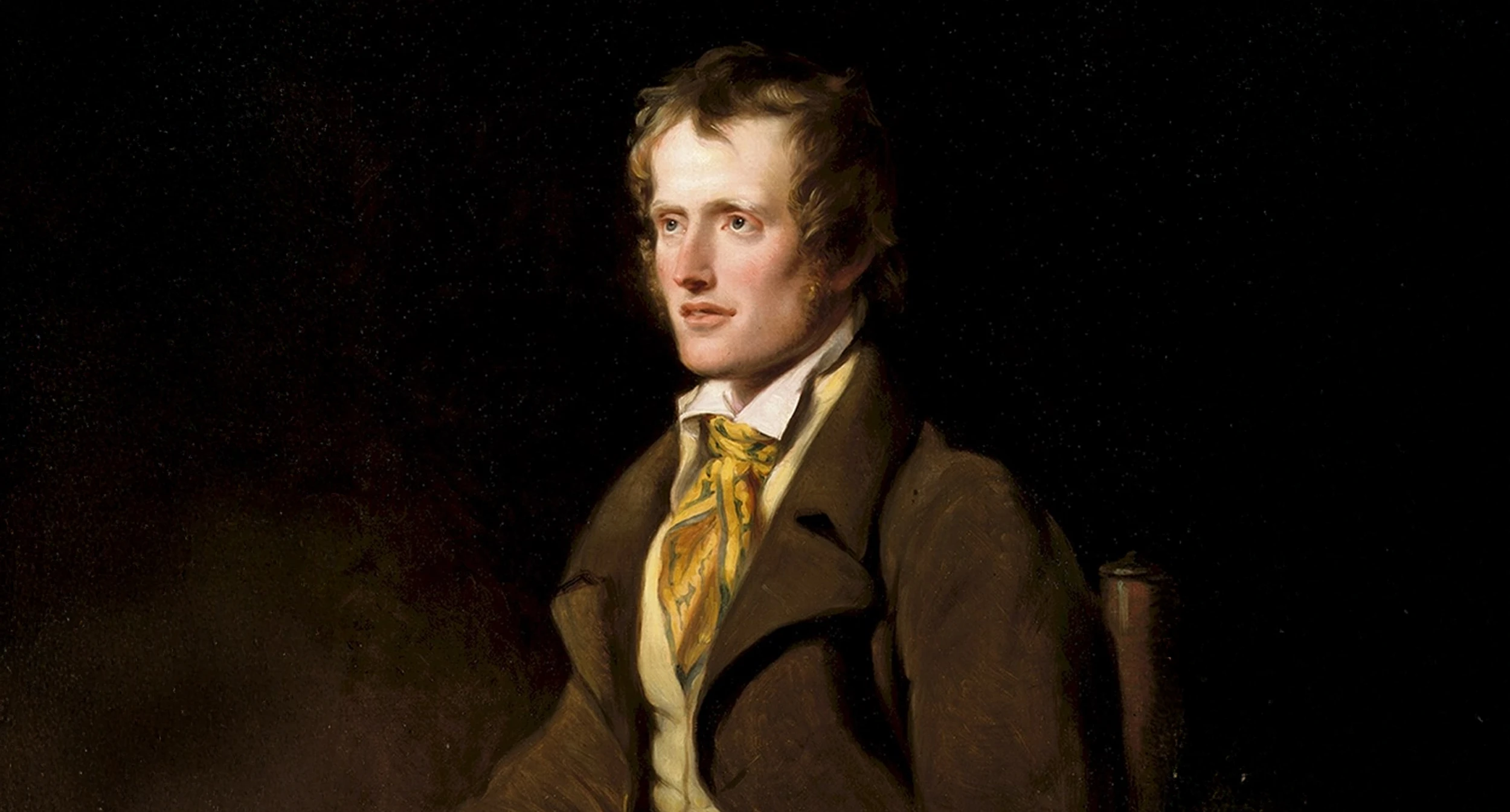
John Clare did not collect folklore from the outside.
He grew up inside the culture that produced it.Clare's importance to Peterborough folklore lies precisely in the fact that he cannot be separated from the world he records.
Songs, weather lore, stories, seasonal ritual, old names, fairies, ghosts and unexplained things after dark belonged to the same rural culture as birdsong, field work, hedgerows, village speech and changing weather.
Clare did not encounter that culture as an antiquarian arriving with a notebook. He knew its storytellers. He knew the paths. He knew the names local people gave strange phenomena. He knew what it felt like to walk through the countryside after hearing what might be waiting there.
That distinction makes Clare unusually valuable as a witness. He could be sceptical about ghosts and still inhabit a landscape shaped by supernatural expectation. His account of the will-o'-the-wisps around Helpston is powerful not because it tells us what the lights objectively were, but because it records the meeting point between perception, inherited belief and place.
The fields and paths were physically the same country Clare knew intimately by day. After dark, however, remembered stories changed how that familiar landscape could be read. A distant light was no longer merely a light. It arrived already surrounded by possibilities.
Clare recorded the landscape. He also recorded the stories through which people interpreted it.
His writing also preserves customs at the moment their social world was changing. Enclosure altered paths, boundaries and relationships with common land. Agricultural life changed. Traditions could become memories within a generation.
This is why Clare belongs so centrally on this page. He is not merely a poet who occasionally mentions folklore. His work lets us glimpse a local culture from inside, before the distance between “folk tradition” and everyday life became as great as it is now.
Writers do not only preserve stories. They remake them.
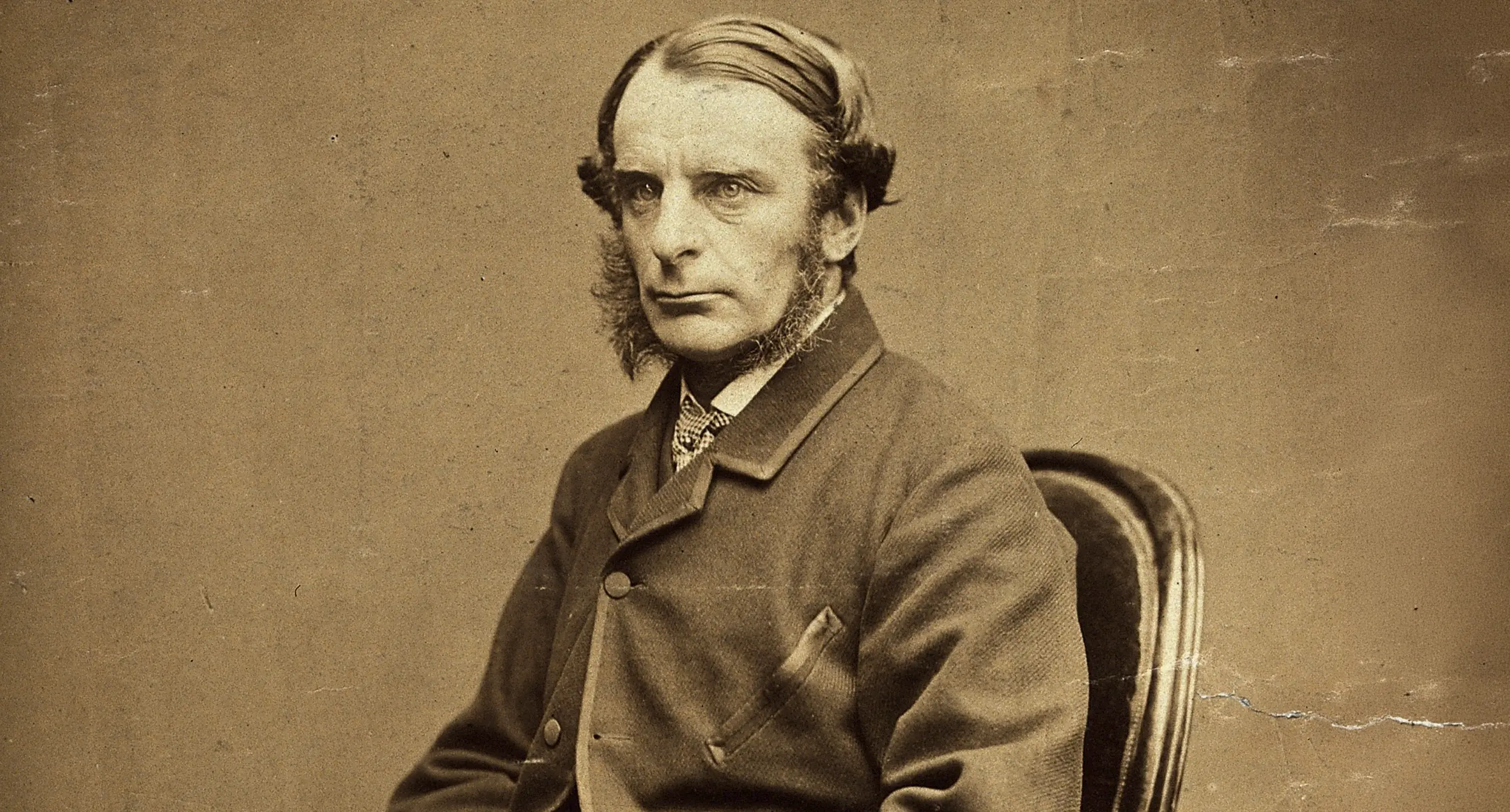
Hereward had already travelled a long way from historical rebel to legendary figure before Charles Kingsley encountered him. Medieval storytelling had supplied dreams, miraculous lights, impossible escapes and mysterious warnings.
Kingsley's Hereward, the Last of the English transformed him again. The man Peterborough's own Chronicle remembered as a raider became an heroic last defender of English freedom.
That is folklore's other life. Writers do not simply save stories from disappearance. Sometimes they give those stories the shape in which later generations remember them.
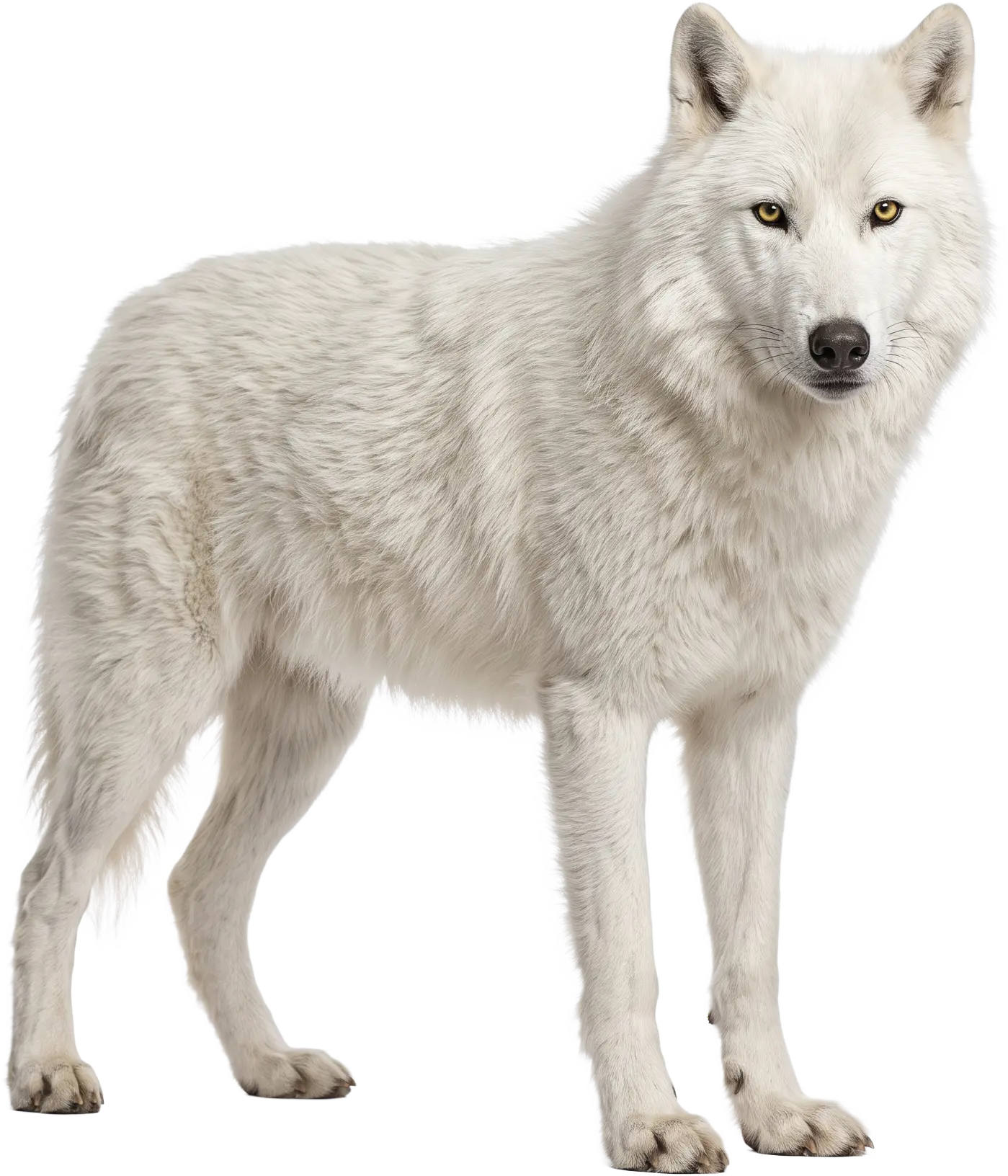
The White Wolf
One historical man accumulated many lives: rebel, raider, outlaw, legendary hero and Victorian national symbol. The White Wolf belongs to that later imaginative landscape, where history becomes richer, stranger and harder to separate from legend.
Follow the legend →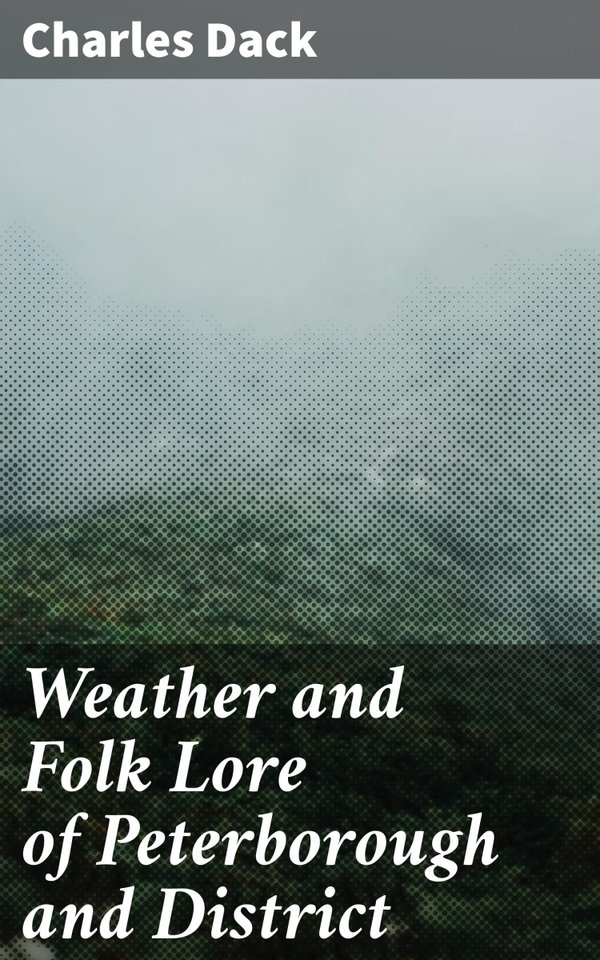
Then somebody deliberately began collecting what Peterborough was forgetting.
Charles Dack deserves a place near the centre of this story.By the end of the nineteenth century, the relationship between writer and folklore had changed. Clare had belonged to the culture he recorded. Charles Dack could already see that many of its customs were disappearing.
In 1899 he published Old Peterborough Customs and Their Survival, developed from research presented to the British Archaeological Association. In 1911 came Weather and Folk Lore of Peterborough and District.
Dack collected weather sayings, seasonal practices, agricultural traditions, mumming, Plough Monday customs and scraps of local belief. His geographical idea of Peterborough is important too. He recognised that the city stood near the meeting point of several historic counties and that traditions did not stop politely at administrative borders.
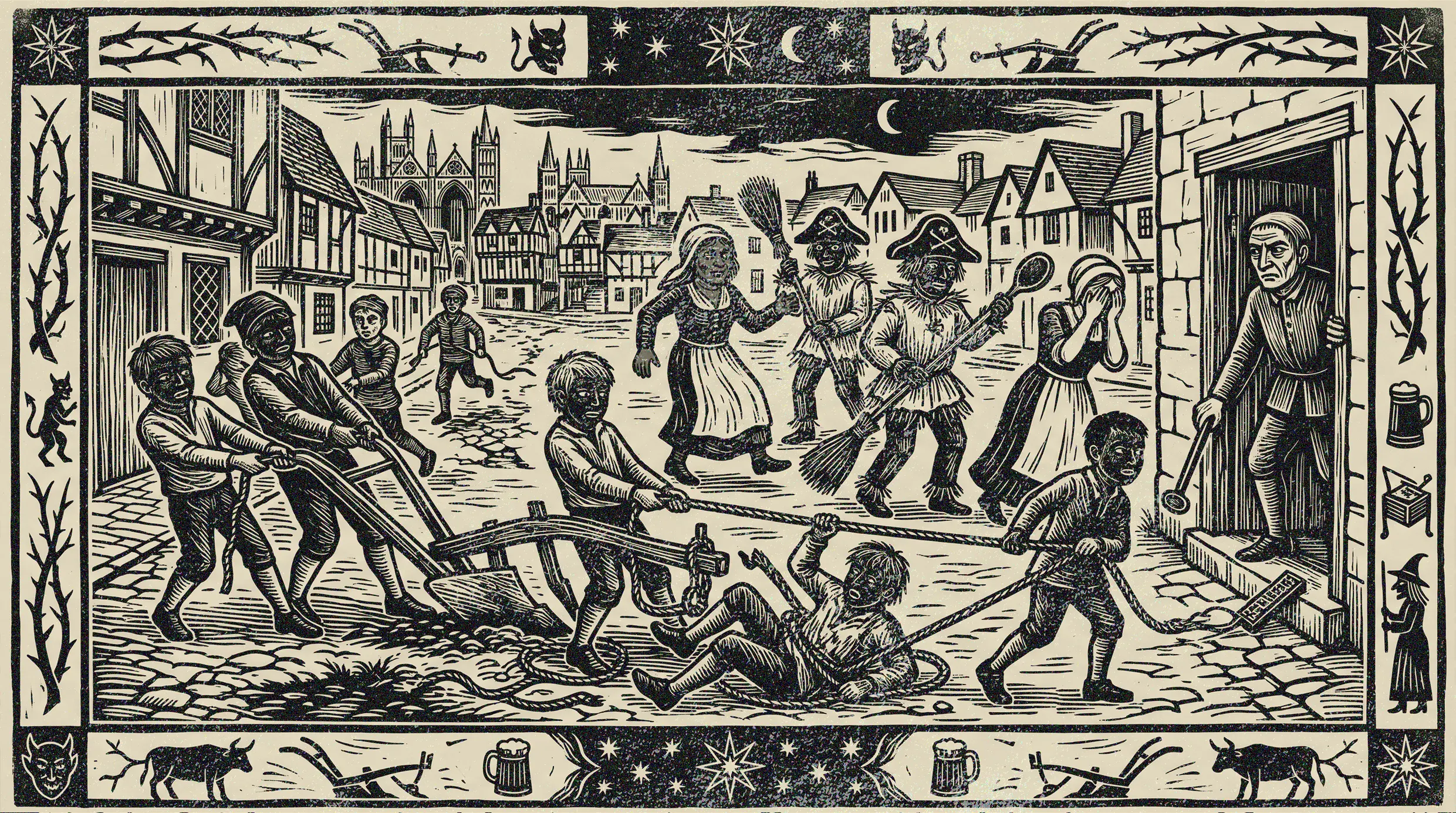
Dack treated the area around Peterborough as a cultural landscape rather than a rigid county unit, collecting material current within roughly fifteen miles of the city.
His own story also says something about cultural memory. Dack worked as a railway clerk and gathered much of his knowledge by listening to local people, including visitors to the museum. Cambridge University Library now holds copies of his folklore writings containing newspaper cuttings and handwritten material that was never fully published.
There is something wonderfully appropriate about that survival. Dack spent years rescuing fragments of other people's memory from disappearance. Eventually his own papers needed the same rescue.
Folklore survives because somebody thinks an ordinary person's story is worth recording.
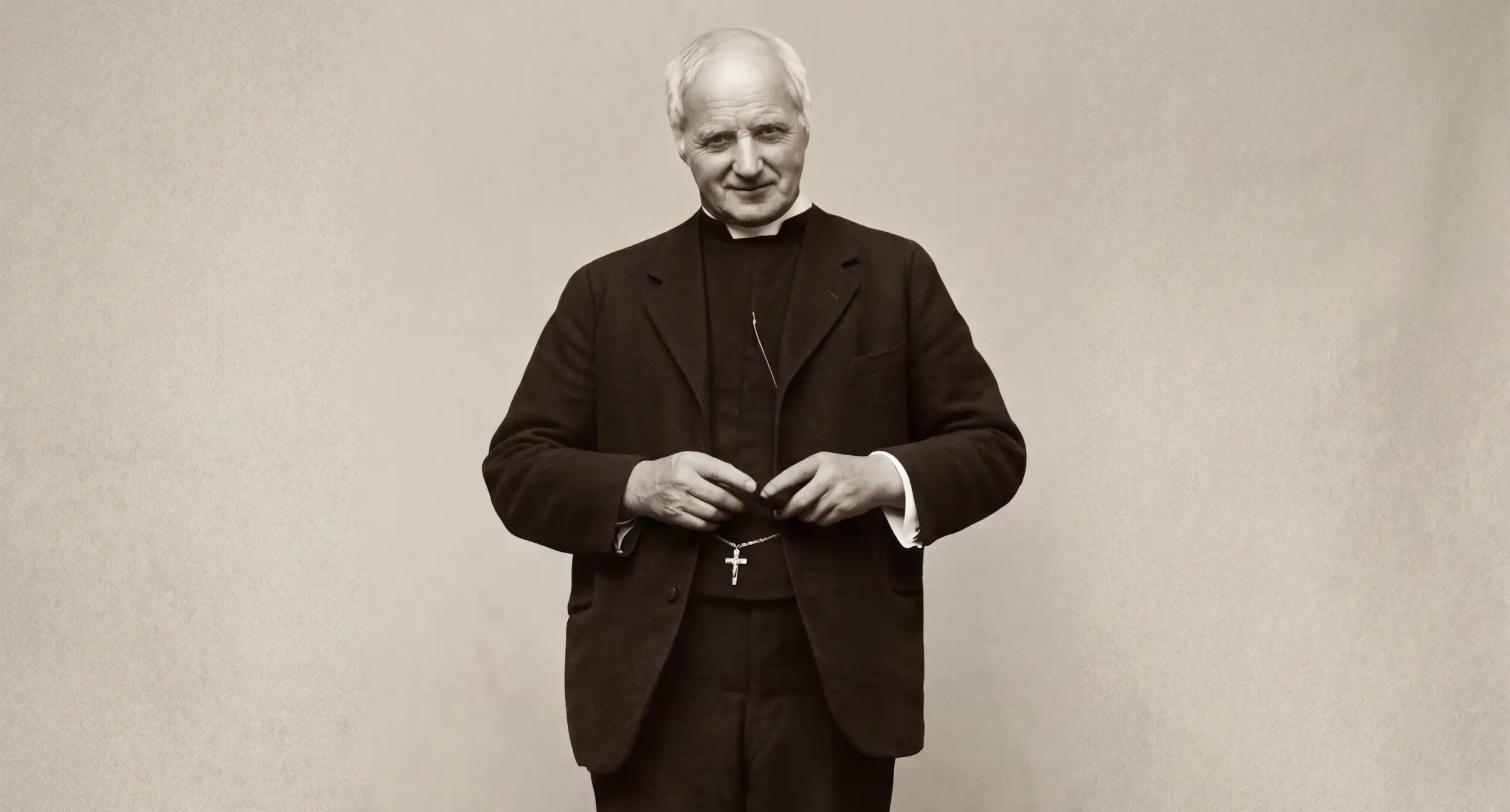
With E. G. Swain, Peterborough stops recording ghost stories. It becomes one.
The real parish becomes fictional Stoneground.Edmund Gill Swain arrived in Stanground as its vicar in 1905. Seven years later, the parish had acquired another identity.
The Stoneground Ghost Tales do something different from Dack's folklore collecting. Swain is creating fiction. Yet the fiction continually borrows authority from real parish life: churches, gravestones, clerical routines, old objects, forgotten histories, lonely roads and the sense that the past remains physically close.
Swain's friendship and literary connection with M. R. James places Stanground within the great age of the English antiquarian ghost story. But Swain's world is gentler and more local. His supernatural does not need a Gothic castle. A quiet Peterborough parish is sufficient.
The important transformation is no longer Peterborough into memory. It is Peterborough into imagination.
That makes Stoneground valuable beyond the individual tales. It preserves an imagined version of old Stanground, a place where the ordinary fabric of parish life remains permanently capable of becoming uncanny.
L. P. Hartley moves the haunting inside.
The supernatural becomes memory, secrecy and psychological unease.Hartley was born in Whittlesey and grew up at Fletton Towers, an imposing house standing almost like an enclosed world while industrial Peterborough expanded around it.
His first book, Night Fears, appeared in 1924. Further supernatural stories followed in The Killing Bottle and The Travelling Grave and Other Stories.
Hartley's ghosts belong to a different age from Clare's wandering lights or Swain's antiquarian discoveries. What disturbs his apparently civilised homes and relationships is often concealed knowledge, guilt, obsession or something that should have remained buried.
His supernatural fiction and realist novels therefore inhabit surprisingly similar territory. Both ask what happens when a carefully ordered surface can no longer contain what lies beneath it.
“The past is a foreign country: they do things differently there.”L. P. Hartley · The Go-Between
On a page about folklore, the line has a second life. Folklore is one of the ways the foreign country keeps sending messages back.
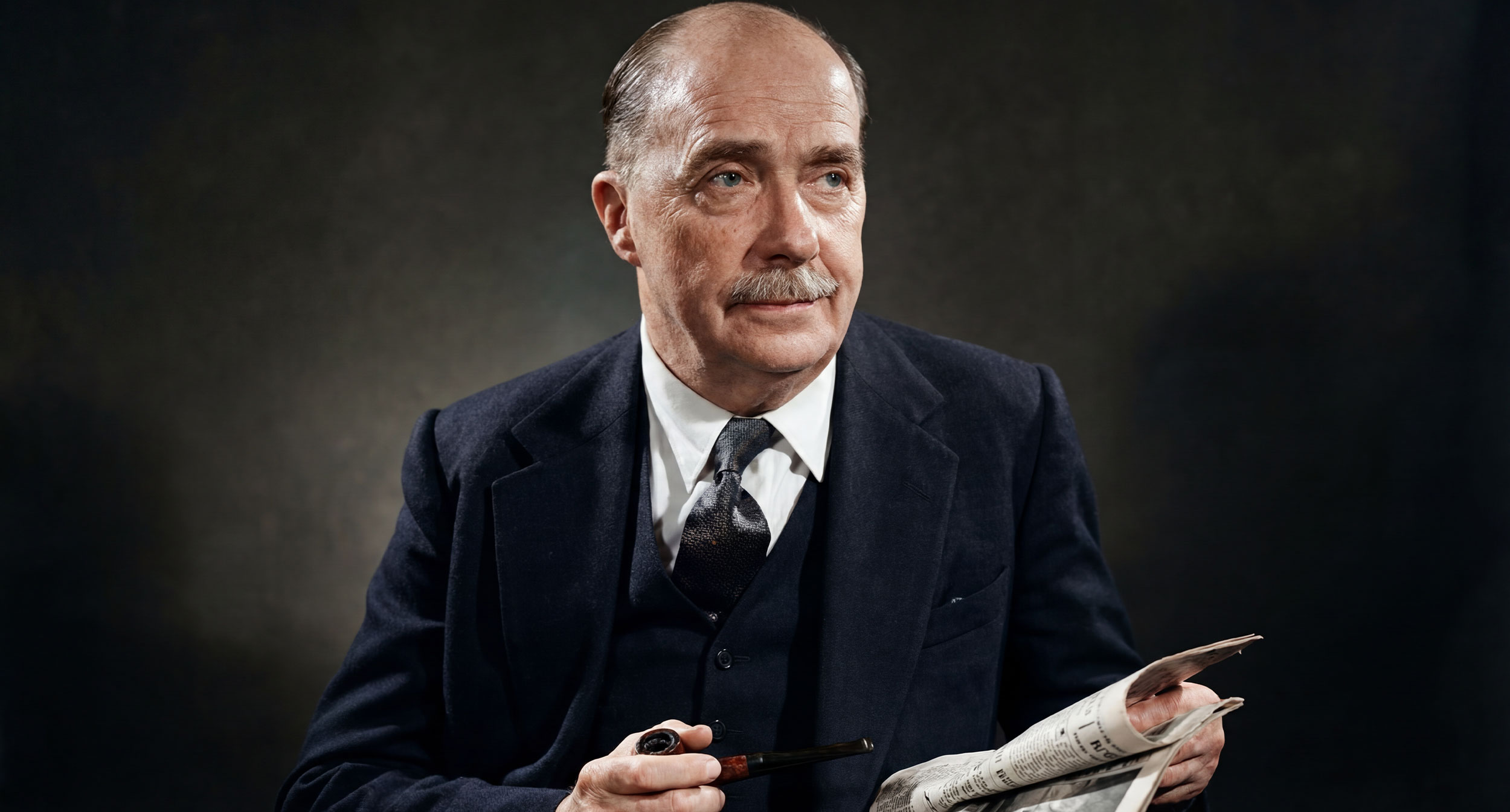

And finally, old belief enters the modern nightmare.
David Pinner, Ritual and The Wicker Man.Peterborough-born David Pinner published Ritual in 1967, a disturbing story of pagan belief, murder and suspicion within a closed rural community.
The book subsequently became part of the creative lineage from which The Wicker Man emerged. The relationship is more complicated than a simple book-to-film adaptation, but Ritual has earned its own place as an early landmark of British folk horror.
Folk horror is an interesting destination for this Peterborough story because it returns to many of folklore's oldest tensions: the outsider and the community, old belief and modern reason, seasonal ritual, landscape, inherited custom and the fear that apparently discarded traditions still possess power.
Then Pinner's story folds back towards Peterborough. In the 1970s he returned as Playwright in Residence at the new Key Theatre and wrote a drama about Hereward the Wake.
The writer connected with modern folk horror came home and returned to one of Peterborough's oldest legends.
Nearly nine centuries after the Peterborough monks wrote strange events into their chronicles, a Peterborough-born dramatist was still taking the city's uncertain border between history and legend and putting it into a new form.
Perhaps the most interesting question is why the strange keeps returning.
There is no single explanation, and it would be too easy to claim that the Fens somehow create supernatural writers. But certain qualities recur across these stories: boundaries, disappearing landscapes, uncertain light, old institutions, changing communities and a persistent sense that one version of Peterborough is always lying underneath another.
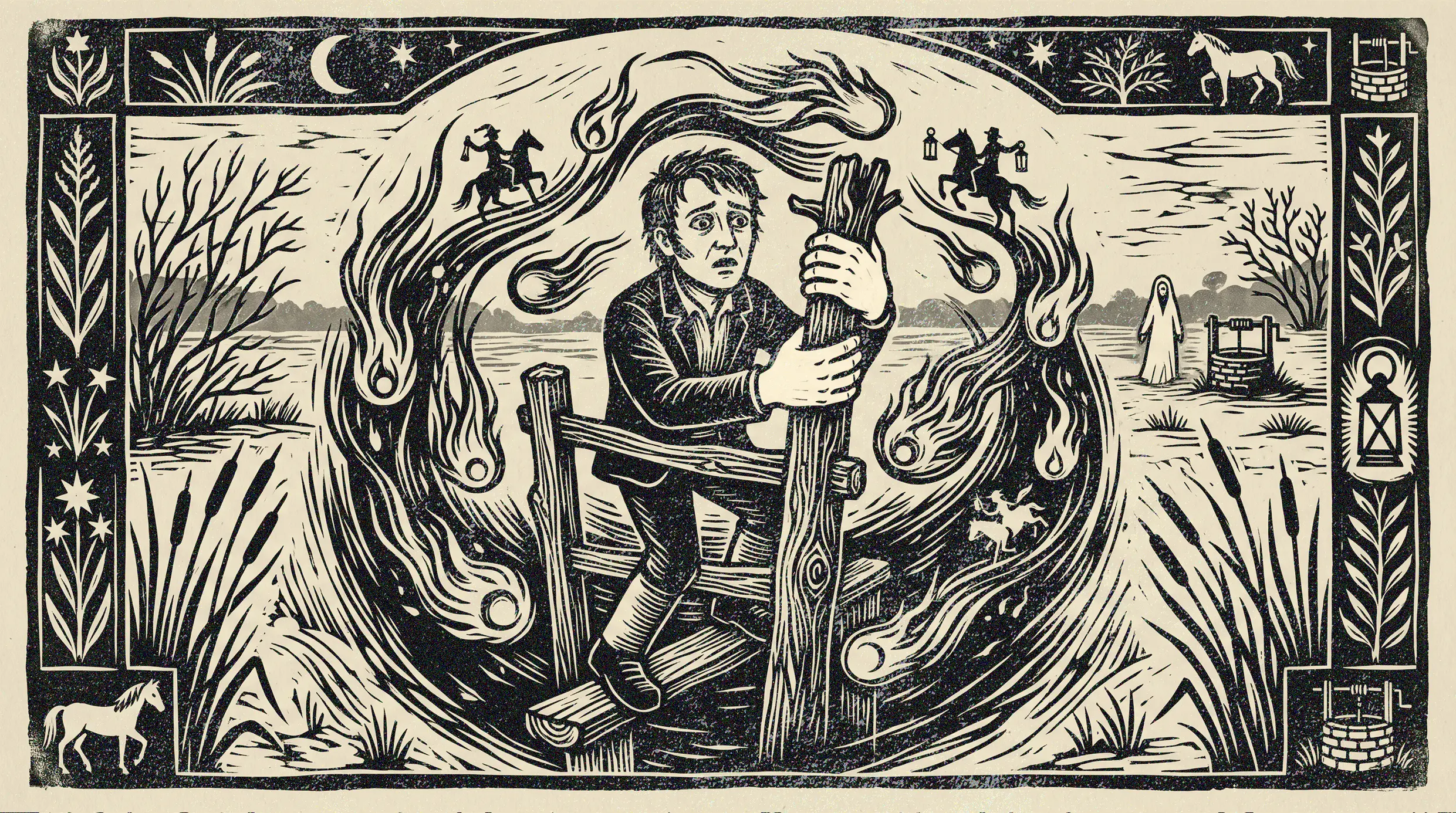
Land becomes water.
Helpston stands near the transition towards lower and historically wetter ground. Roads, streams, marsh, woodland and darkness repeatedly become places where certainty weakens.
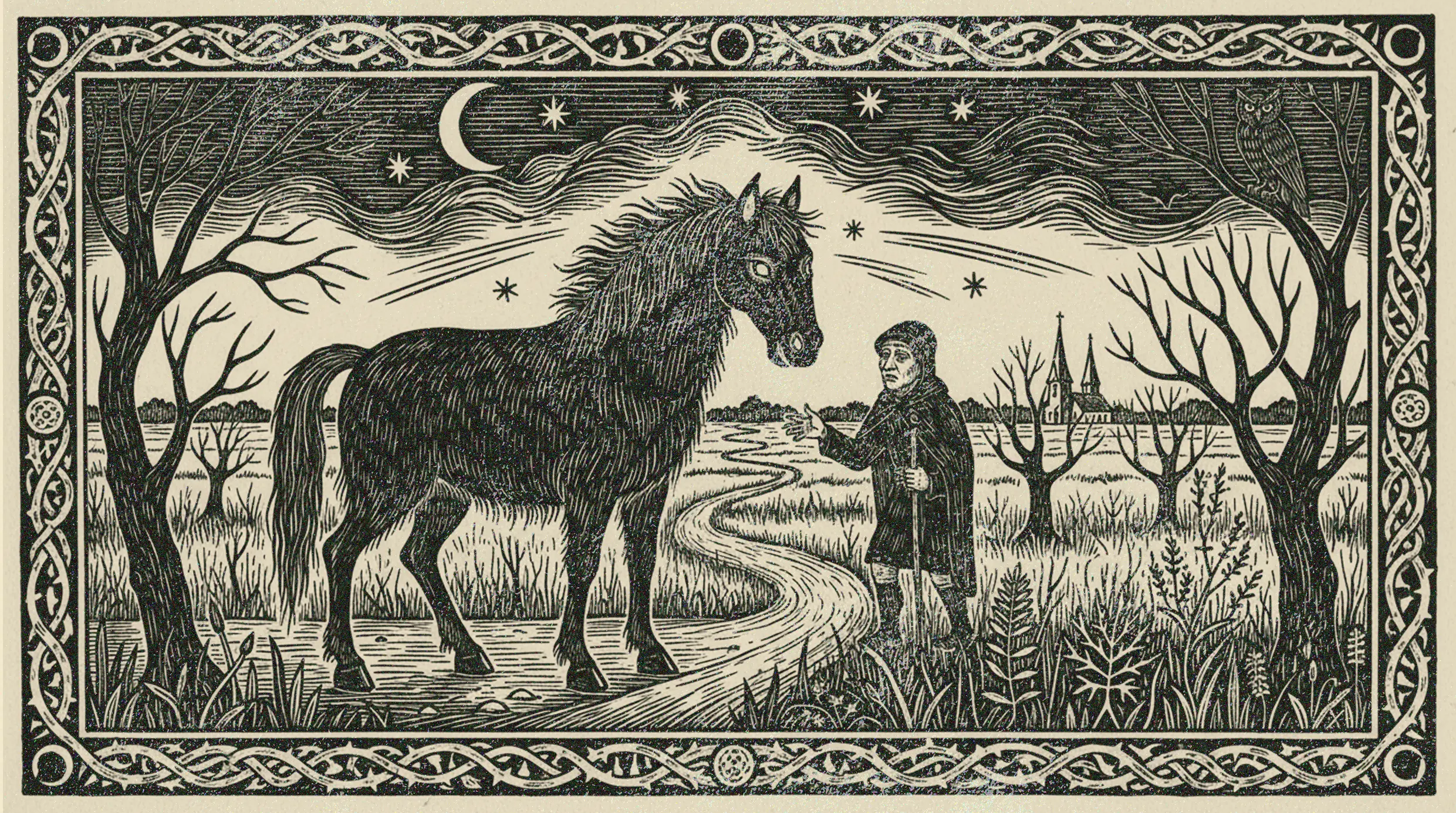
Darkness rewrites the familiar.
A strange animal becomes something larger in the telling. A path known by day becomes uncertain after sunset. Folklore often begins in that gap.
Peterborough kept records.
The Abbey, Cathedral, antiquarian societies, local writers and collectors repeatedly preserved material that could easily have disappeared elsewhere.
Seven writers. Seven different relationships with the past.
The continuity matters, but so do the differences. Each age turns the strange into something it needs.
Witness
The anonymous chronicler makes supernatural disturbance part of contemporary history.
Memory
Hugh Candidus preserves Peterborough's stories as institutional history.
Belonging
Clare records folk culture from inside the community that still practises it.
Legend
Kingsley reshapes Hereward for a Victorian national imagination.
Collection
Dack deliberately rescues customs and sayings from disappearance.
Haunting
Swain and Hartley turn place and memory into literary supernatural unease.
Folk horror
Pinner gives old belief a disturbing new life in modern fiction.
Folklore is not the opposite of history.
It is one of the ways people respond to history while they are living through it.
The Wild Hunt tells us something about how Peterborough's monks understood an unwanted abbot. Hereward's legend tells us how later generations struggled to turn a destructive rebel into a hero. Clare's writing tells us what enclosure and modernisation threatened to erase. Dack shows a generation becoming conscious that old customs were disappearing. Swain lets an Edwardian parish remain haunted by its own antiquity. Hartley turns the returning past into psychology. Pinner shows old belief confronting modern certainty.
None of those stories can simply be treated as factual evidence for supernatural events. But neither should folklore be dismissed because it is not conventional history. Stories reveal what communities feared, valued, remembered, justified, mourned and imagined.
And Peterborough has one unusual advantage.
Again and again, somebody wrote those stories down.
The customs changed.
The roads were remade.
The words remained.
The strange stories connect to a much larger Peterborough.
Follow individual traditions, discover the writers themselves or take the stories back into the places where memory and landscape meet.
Peterborough Folklore
Ghosts, creatures, saints, omens, old customs and extraordinary stories from across the city, villages and fen edge.
Explore the stories → 02 · Put it back in placeWeird Weekends
Take folklore out of the archive and reconnect it with buildings, objects and landscapes across Peterborough.
Try a Weird Weekend → 03 · The wider literary storyWriters & Poets
Discover the wider community of writers associated with Peterborough, including Clare, Kingsley, Hartley, Swain and others.
Meet the writers →