
Discover Peterborough
Peterborough Places
Four places. One Peterborough.
A historic city. Limestone country. Vast Fenland skies. Landscapes shaped by water, clay, poetry, farming and industry. Discover the distinct places that come together to make Peterborough.
Connected by one city.
A city at the
meeting point.
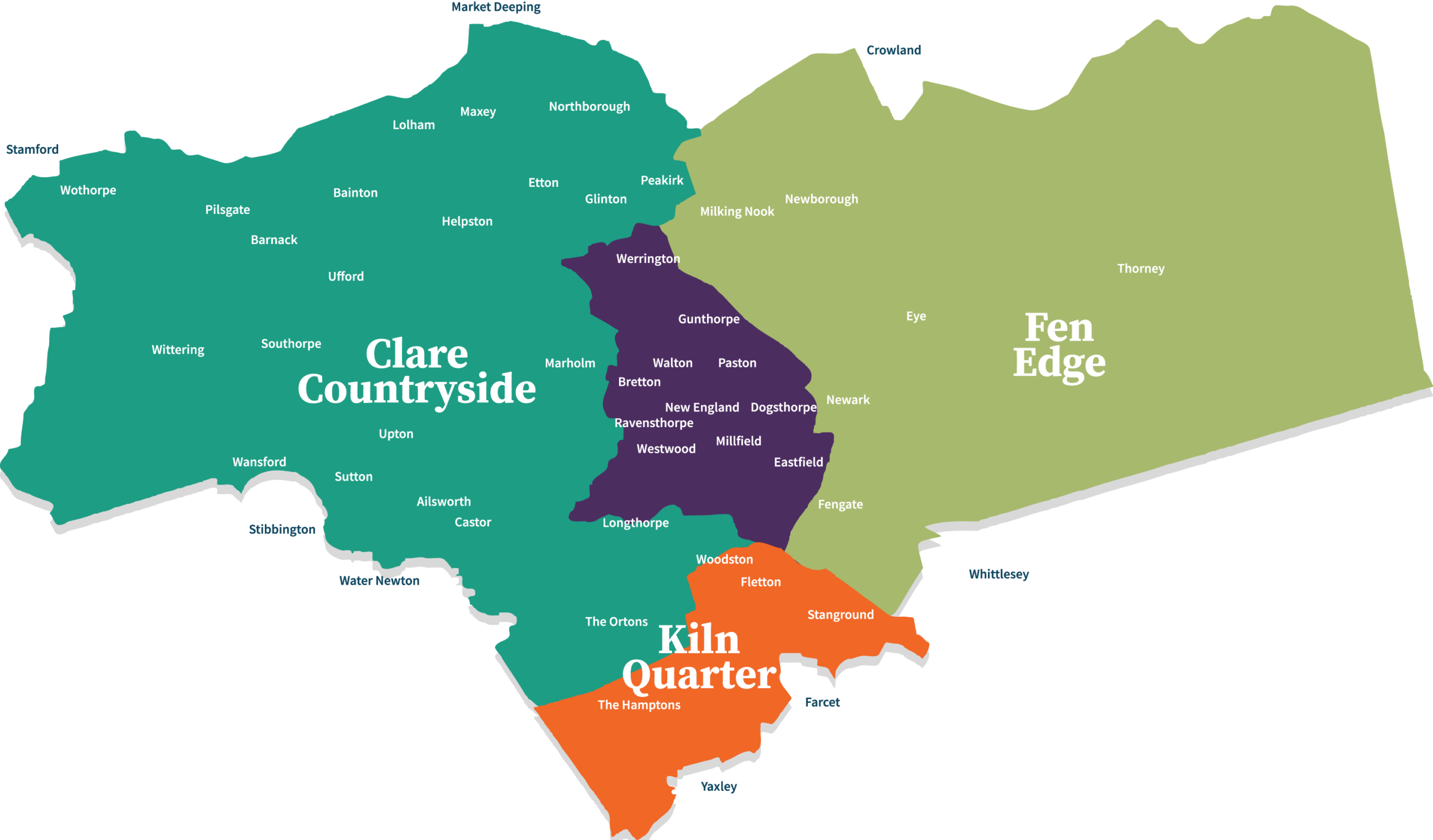
Peterborough does not belong to one landscape. Its character comes from the meeting of several.
A historic cathedral city sits beside the River Nene. To the north and west, limestone villages, fields and hedgerows lead into the countryside of John Clare. To the east, the land falls towards the Fen Edge. South of the river, clay, brickmaking and twentieth-century growth transformed the landscape again.
These are not simply four areas on a map. They explain how Peterborough became Peterborough.
Stone built the Cathedral.
Clay helped build Britain.
Water preserved the Bronze Age.
Landscape made Peterborough.
Peterborough’s
Urban Heart.
More than thirteen centuries of city-making gathered into a compact and walkable centre.
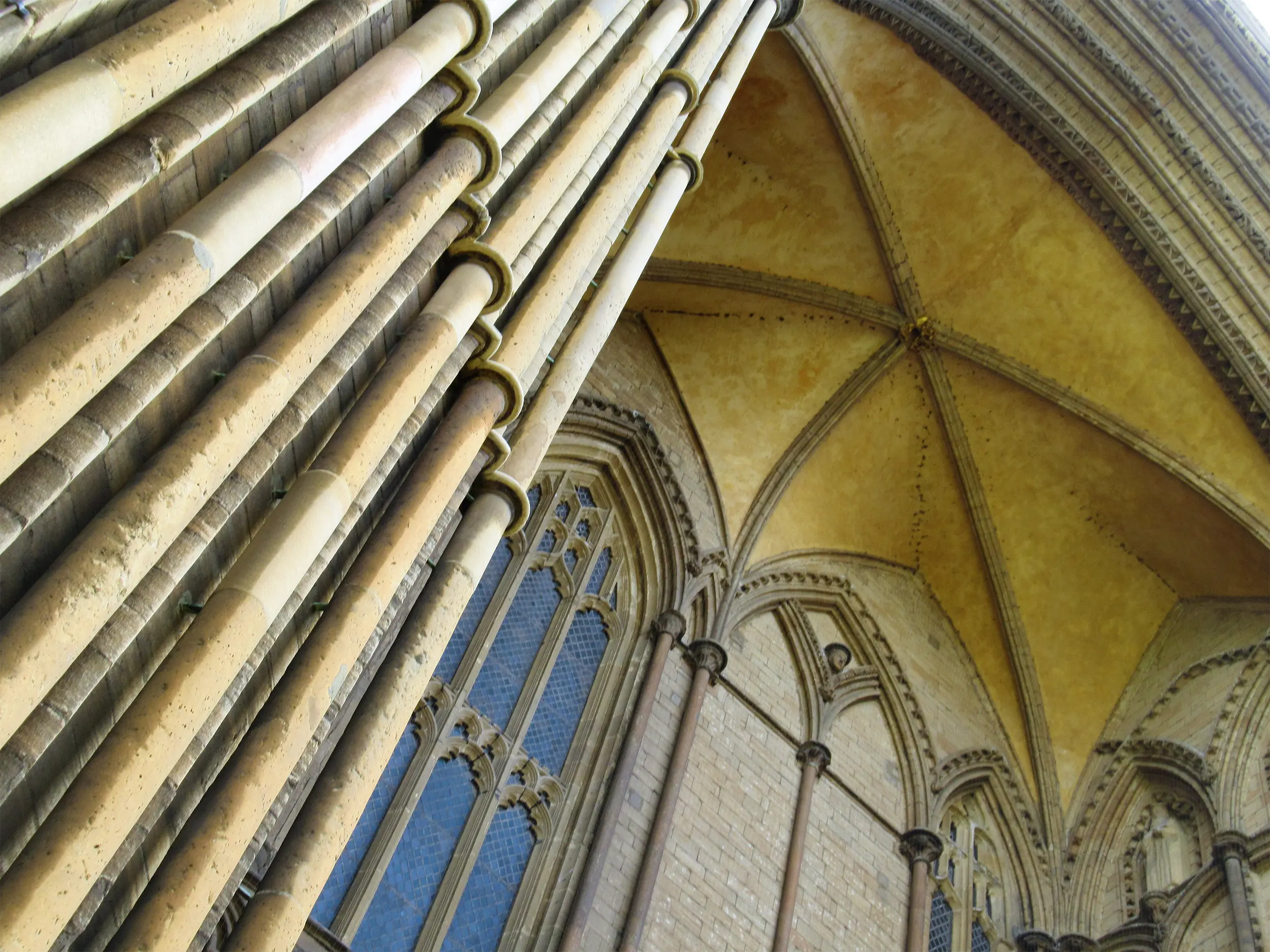
Begin beneath one of England’s great medieval buildings.
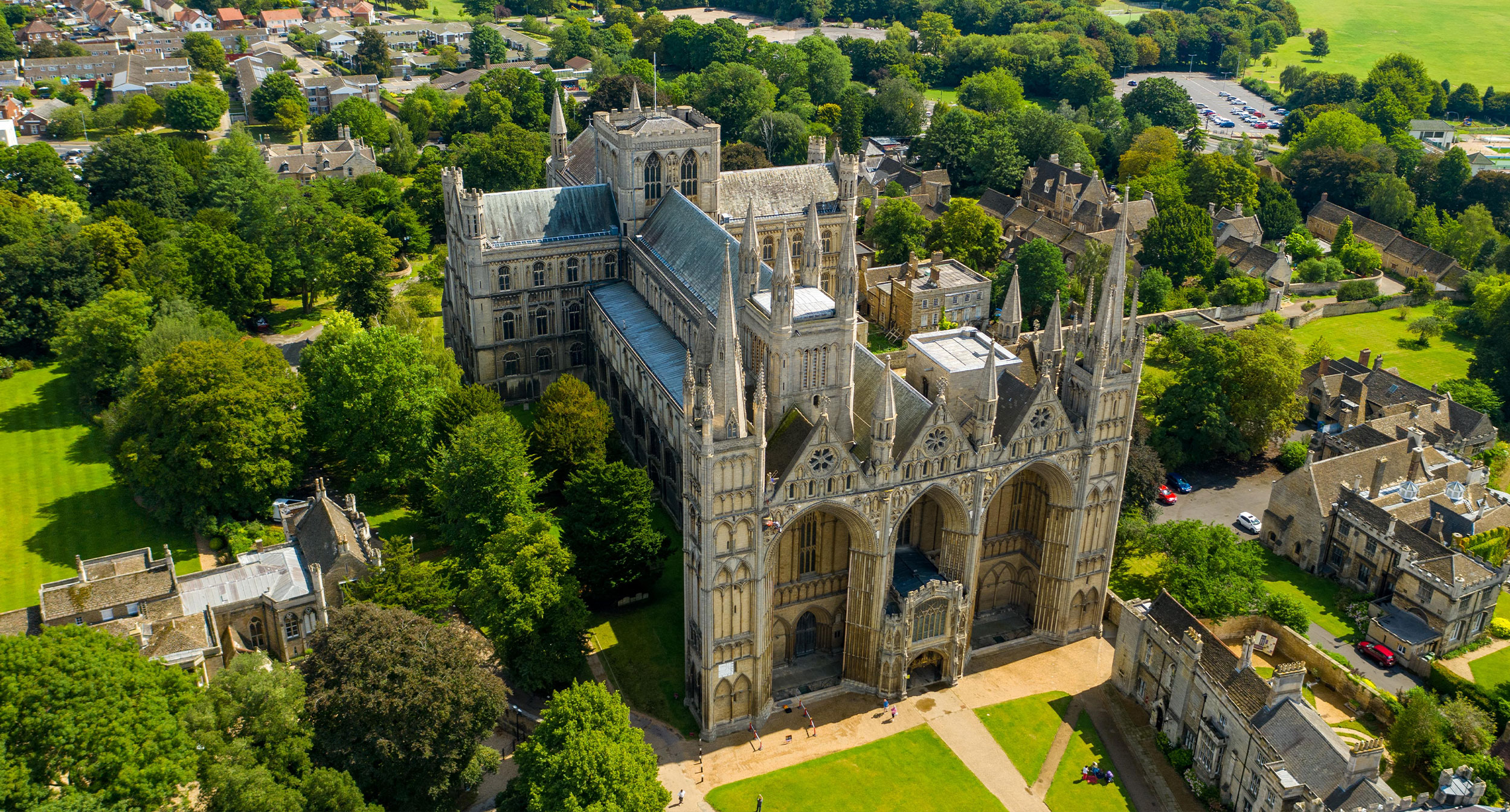
Explore Peterborough Cathedral ↗Peterborough’s historic centre grew around the religious community established beside the Nene more than thirteen centuries ago. Its most spectacular survivor is Peterborough Cathedral, but the story extends far beyond its walls.
Walk through the Cathedral precinct into Cathedral Square and the city changes quickly from medieval church to civic Peterborough. The Guildhall, St John the Baptist Church, Priestgate, Peterborough Museum & Art Gallery and the city’s commercial streets all sit within a short walk.
Continue south and the city reconnects with the river. Peterborough Lido, the Embankment, Town Bridge, Fletton Quays and the riverside routes reveal another side of the centre, where leisure, industry, regeneration and public space meet.
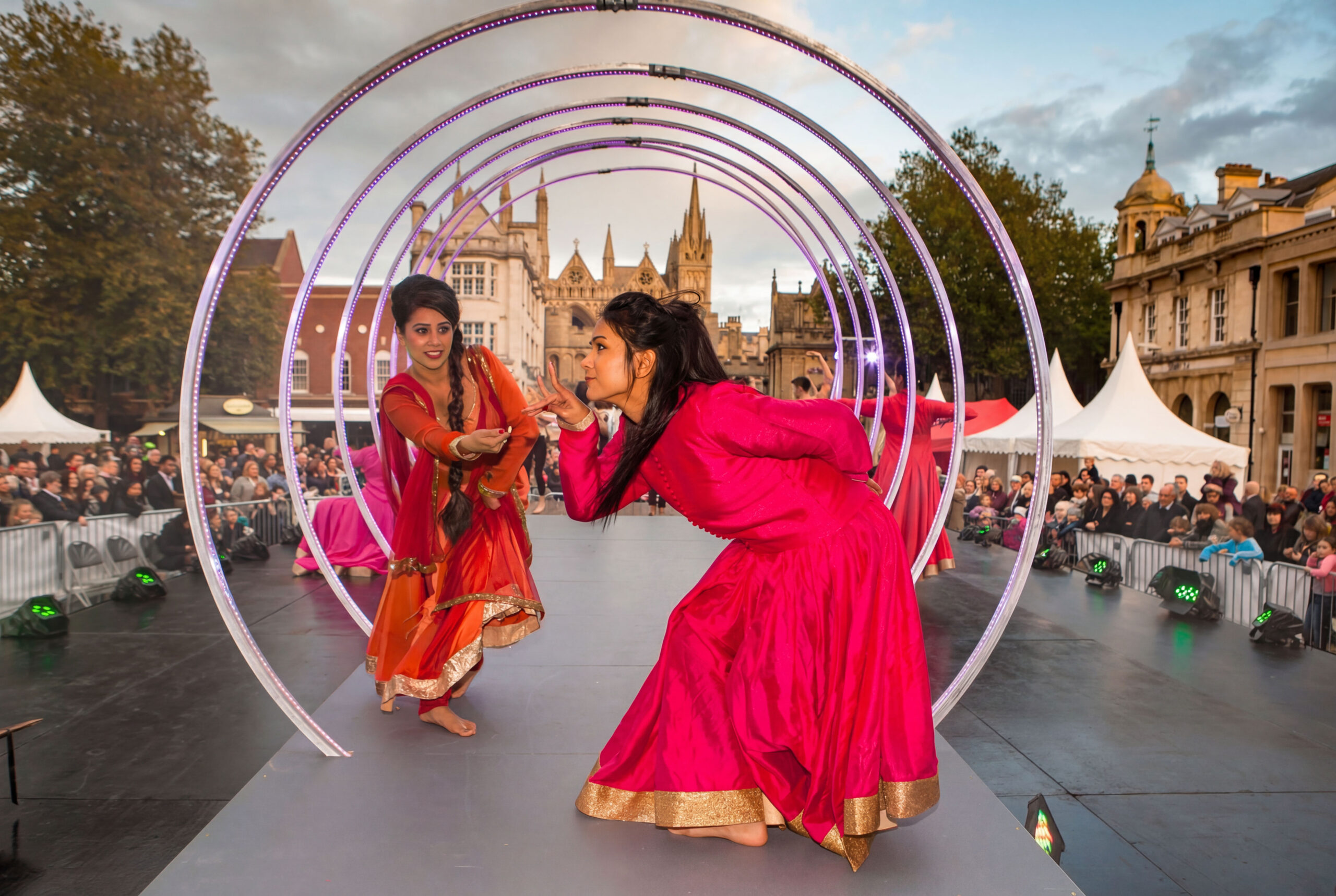
Today this is also Peterborough’s cultural and social centre, bringing together theatres, independent venues, restaurants, international food, public art, festivals, nightlife and major events.
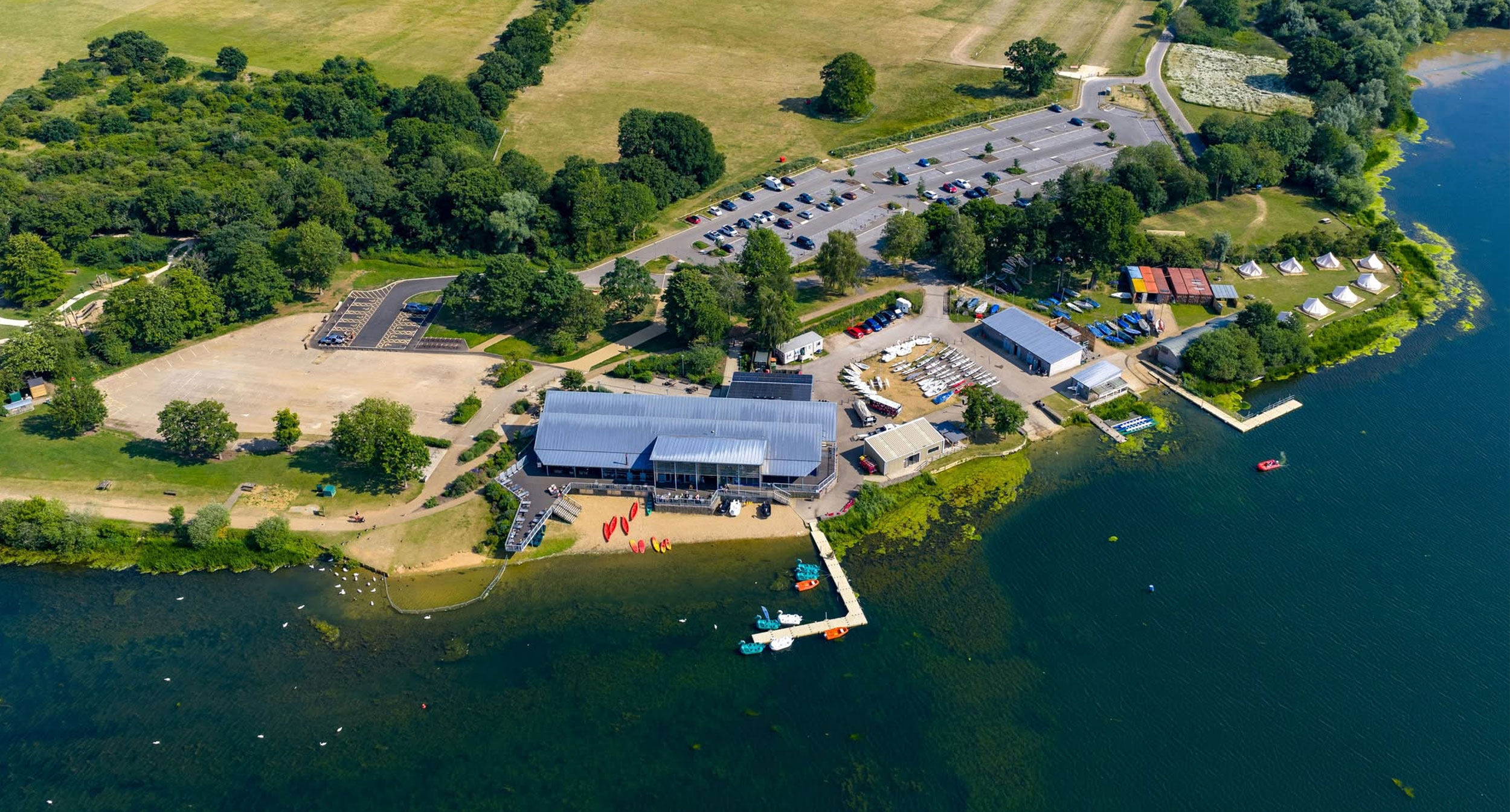
Follow the
River Nene.
Through city, parkland and countryside, the Nene creates one of Peterborough’s great east-west connections.
Clare
Countryside.
Fields, stone villages and ancient paths in the landscape that gave John Clare his subject and his voice.
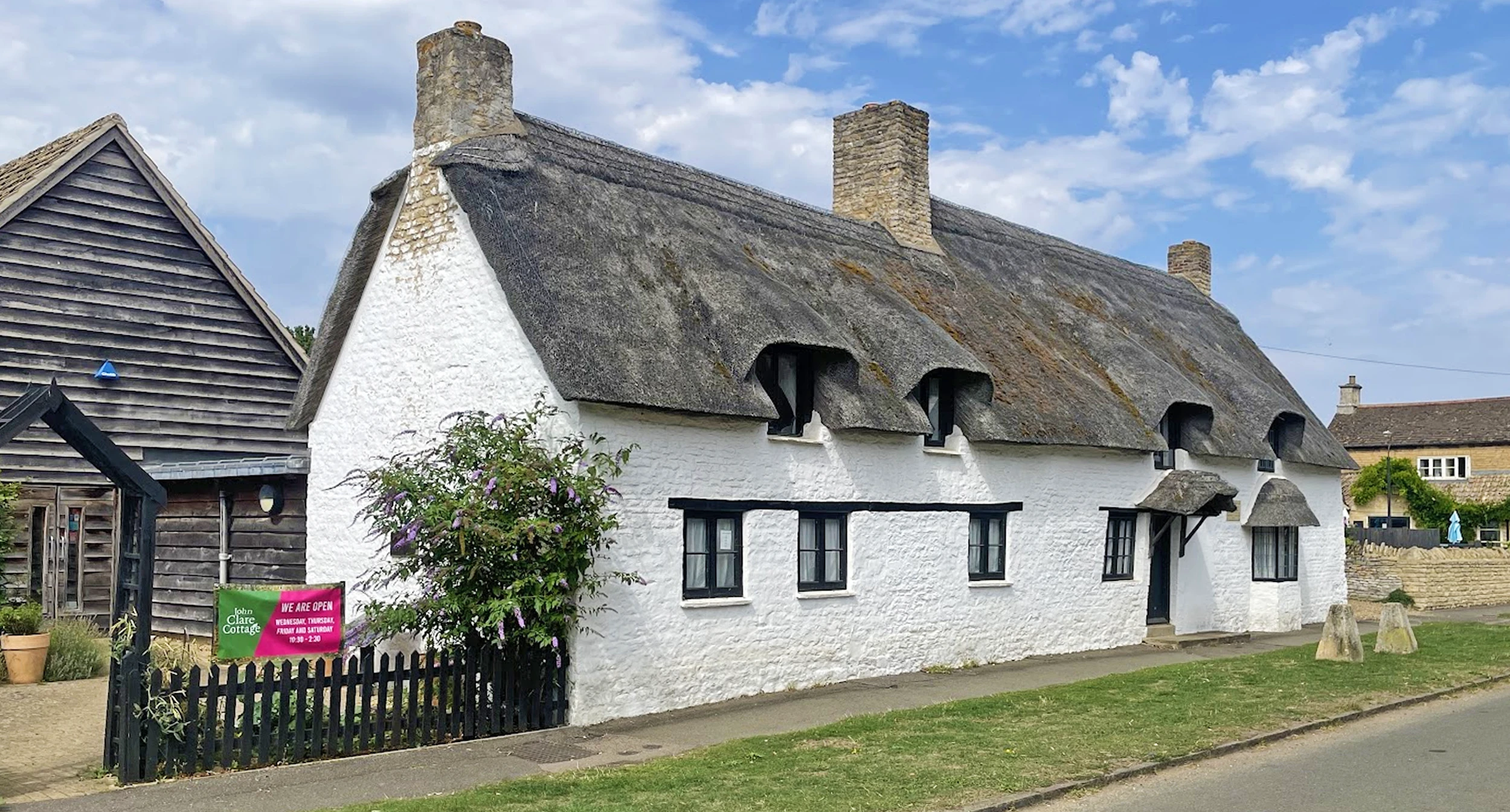
The landscape became literature.
John Clare Cottage ↗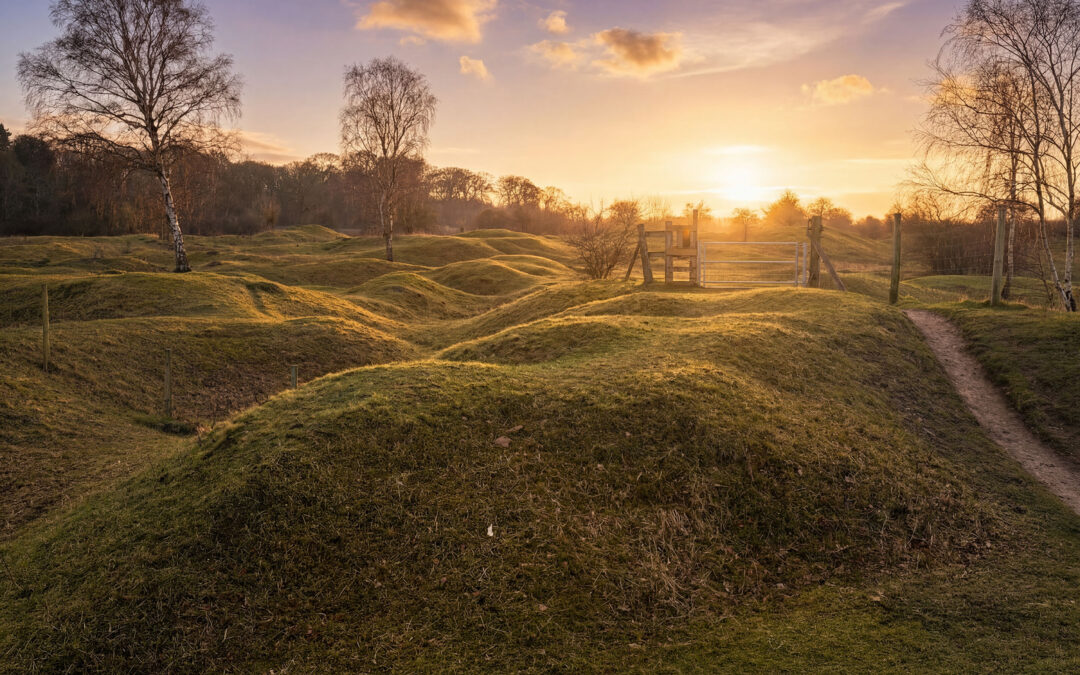
The quarry that became wild countryside.
Explore Hills & Holes ↗North and west of the city, Peterborough changes character. Urban streets give way to fields, hedgerows, limestone, medieval churches and villages whose histories stretch back centuries.
Helpston is the emotional centre of this landscape. John Clare was born here in 1793 and transformed the fields, wildlife, labour, paths and changing seasons around him into some of the most closely observed poetry in the English language.
Nearby Barnack tells an equally powerful story through stone. Limestone quarried here helped build Peterborough Cathedral. Centuries later, the exhausted quarry became Barnack Hills & Holes National Nature Reserve, where rare limestone grassland now covers the scars of extraction.
Etton, Maxey, Northborough, Peakirk, Glinton, Bainton, Ufford, Southorpe, Thornhaugh and the northern part of Wansford add churches, village greens, historic routes and layers of rural life to the wider landscape.
At Castor and Ailsworth the countryside approaches the Nene again. Castor’s Church of St Kyneburgha stands above a landscape rich in Roman, Saxon and medieval archaeology, while paths and cycleways connect the villages with Nene Park and the city.
Peterborough’s history is not confined to buildings. It is written into the ground.
Fen
Edge.
East of the city, water, archaeology and human engineering meet beneath some of Peterborough’s biggest skies.
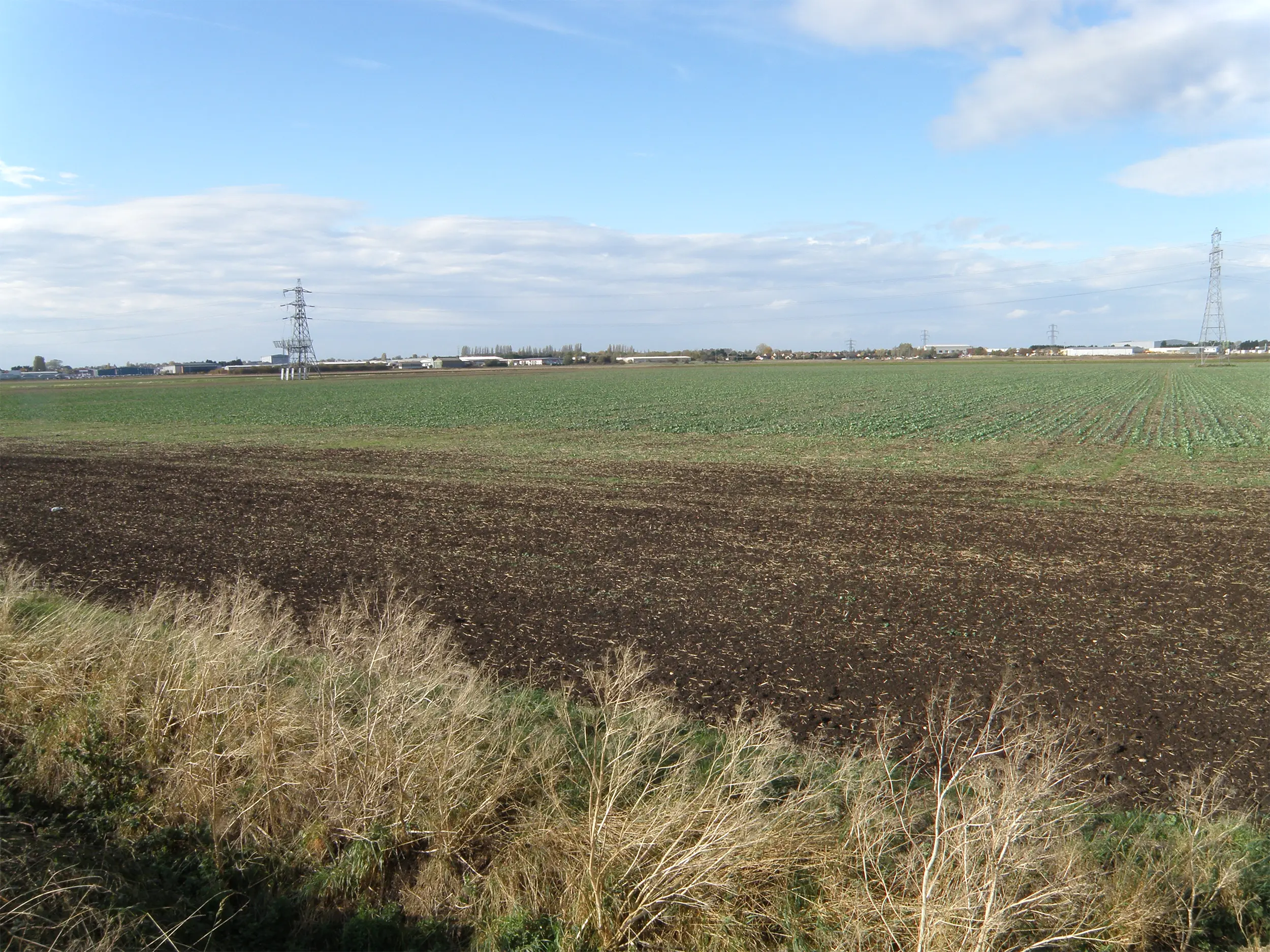
Where the Bronze Age survived.
Enter the story ↗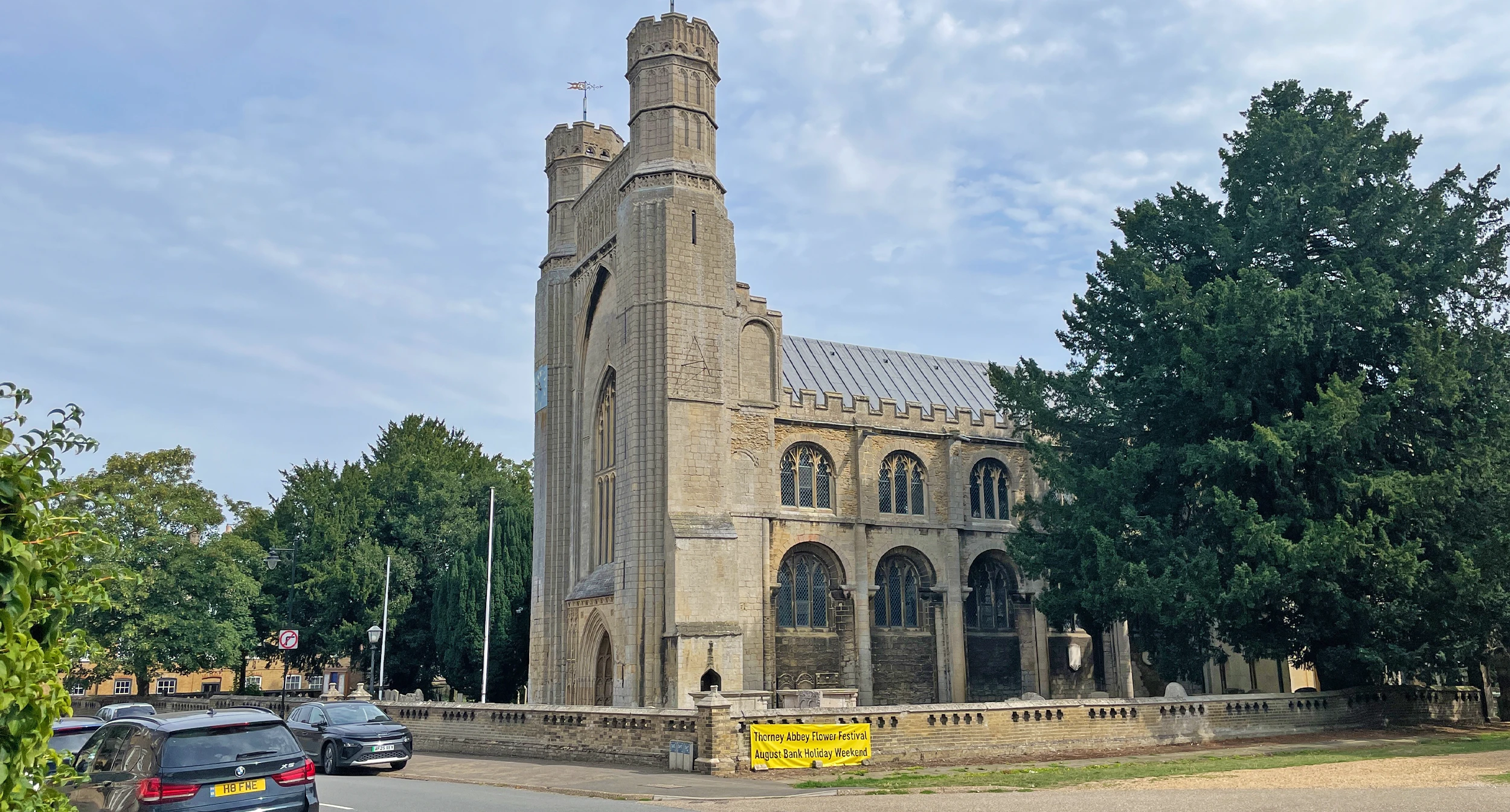
An island settlement in a remade landscape.
Discover Thorney Abbey ↗To Peterborough’s east, the land falls into the Fen Edge, where dry ground once met marsh, islands rose above water and generations of people adapted the landscape around them.
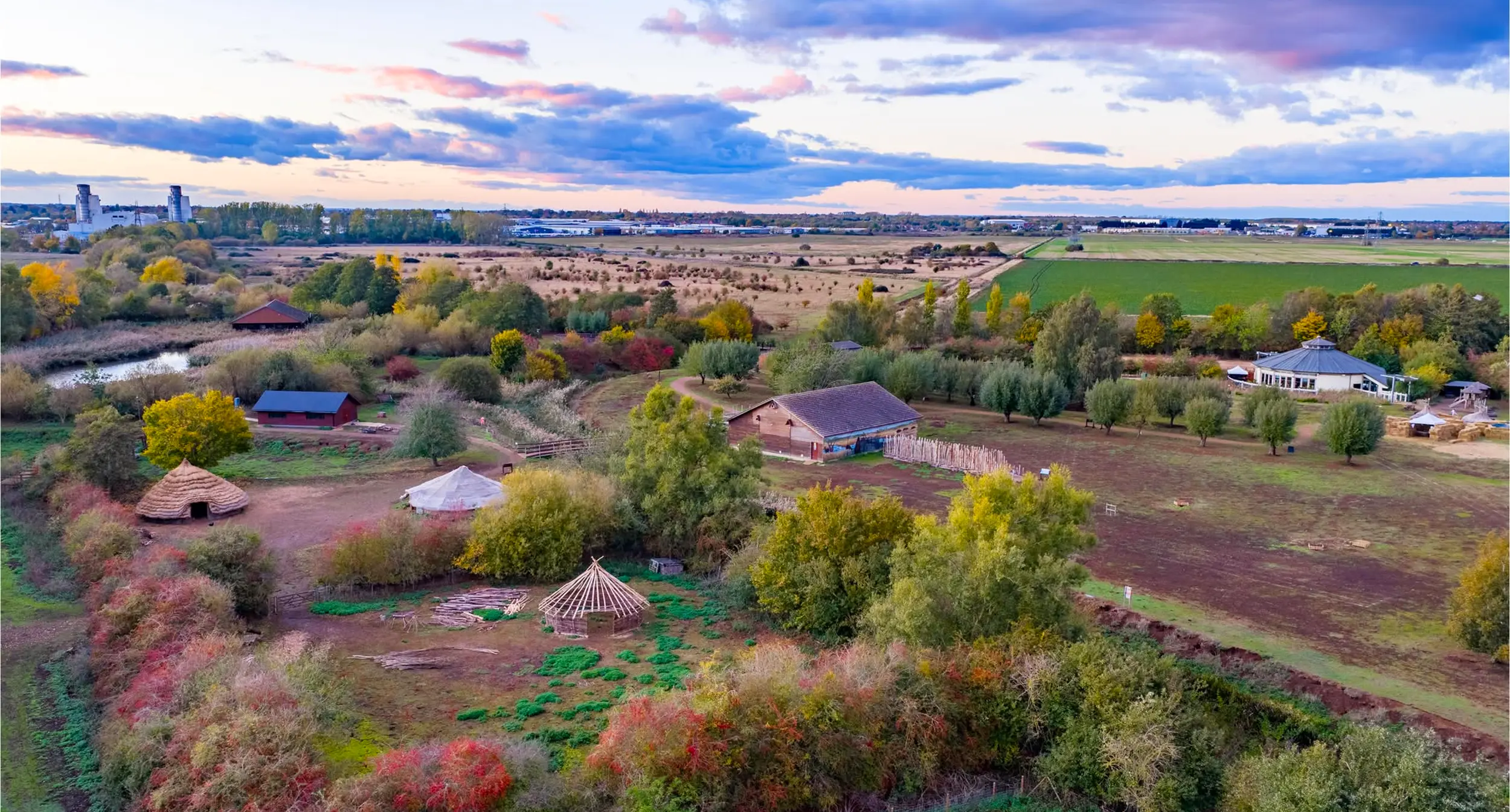
Flag Fen is its most extraordinary archaeological landmark. Bronze Age communities constructed a monumental timber alignment across an increasingly wet basin more than three thousand years ago.
The same relationship between people and water continued through later centuries. Drainage channels, embankments, fertile agricultural land and engineered waterways remade the Fens while retaining their extraordinary openness.
Thorney remains one of the clearest expressions of that history. Its abbey grew on a natural rise in the marshes, while the later village tells the story of drainage, agricultural improvement and planned rural settlement.
Kiln
Quarter.
A landscape transformed first by extraction and industry, then by nature, neighbourhoods and a growing city.
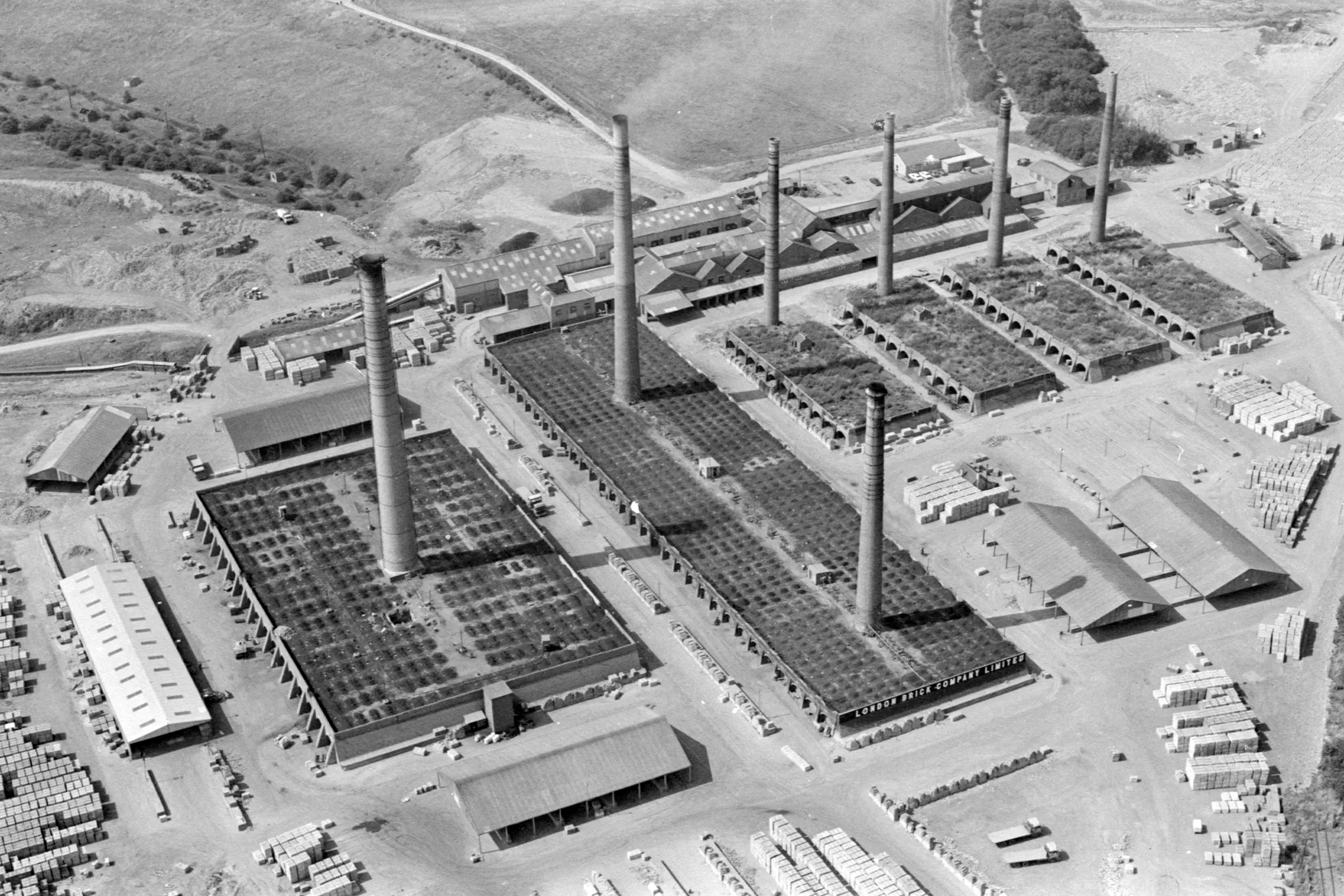
Pits below. Chimneys above.
Discover the brick industry ↗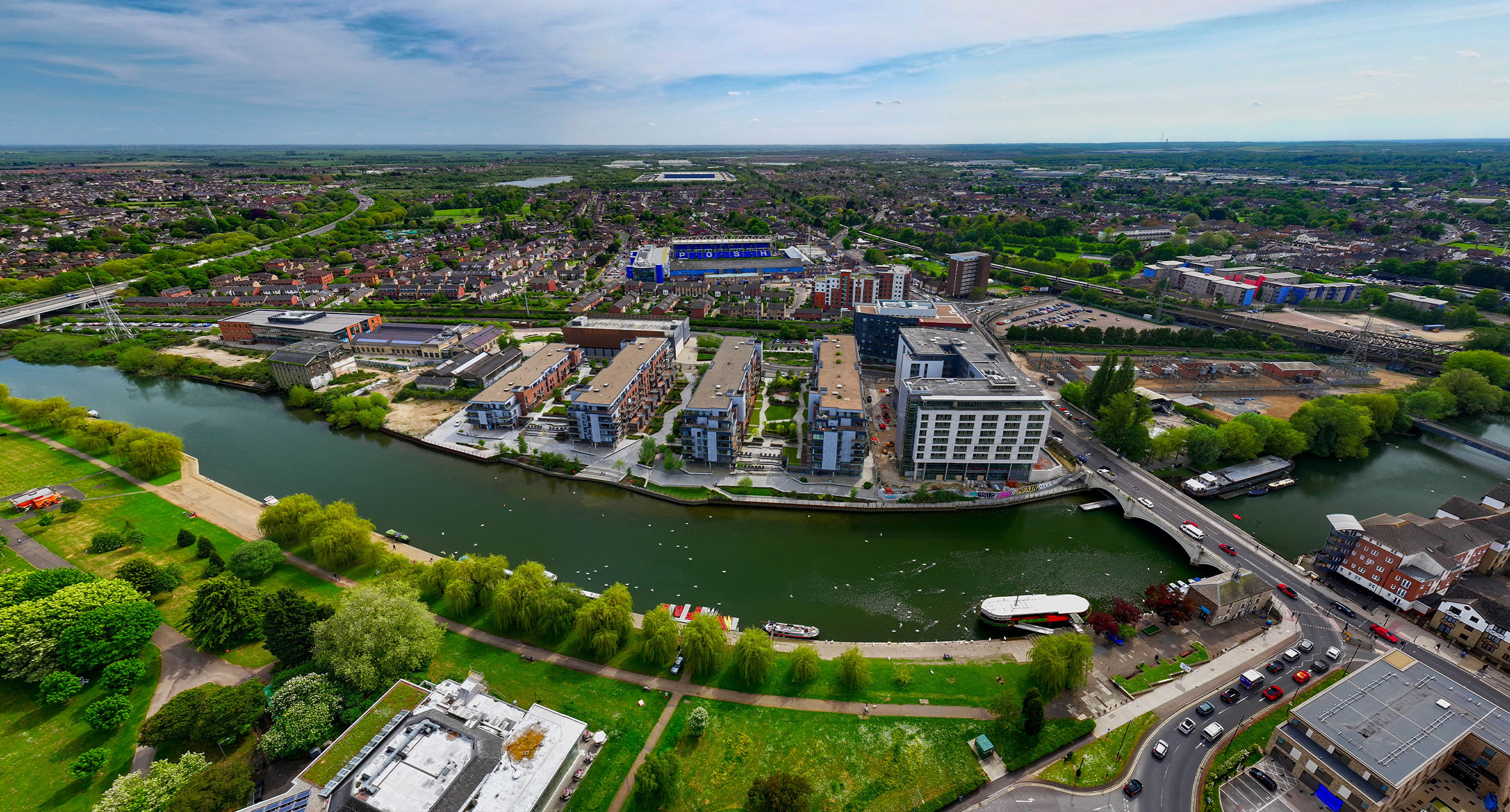
An industrial landscape still changing.
Explore Fletton Quays ↗Beneath Fletton and the land south and east of Peterborough lies Oxford Clay. In the late nineteenth century its unusual properties helped create an industrial phenomenon.
Fletton became more than the name of a village. It became the name of a brick manufactured on an enormous scale and carried across Britain by rail.
Brick pits, works, sidings and chimneys transformed Fletton, Woodston and surrounding land. The industry employed generations of Peterborough people and contributed to the movement of new communities into the city.
The landscape has since been transformed again. Former workings became lakes, wildlife habitats, parks and development land.
Four places.
No hard edges.
Rivers, paths, roads, villages and centuries of movement bind Peterborough’s landscapes together. The best way to understand them is to move between them.
Villages of
Peterborough
Discover the settlements that surround the city and the stories hiding in their churches, lanes and landscapes.
Explore the villages → Explore outdoors
Peterborough
Green Wheel
Follow the network linking parks, countryside, villages, waterways and nature around the city.
Follow the Wheel → Explore through time
Peterborough
History
See how prehistoric wetlands, medieval power, industry, railways and modern growth created the landscapes around you.
Travel through time → Explore for real
Plan your
visit
Find practical information for arriving, travelling around and turning Peterborough’s places into your own journey.
Start planning →
Find your own
Peterborough.
Begin beneath the Cathedral’s West Front. Follow the Nene into parkland. Walk through John Clare’s countryside. Stand beneath a Fenland sky at Flag Fen. Discover a village church, an old brick landscape or somewhere you had never thought to look.
Peterborough makes more sense when you see the connections.
IMAGINE.