
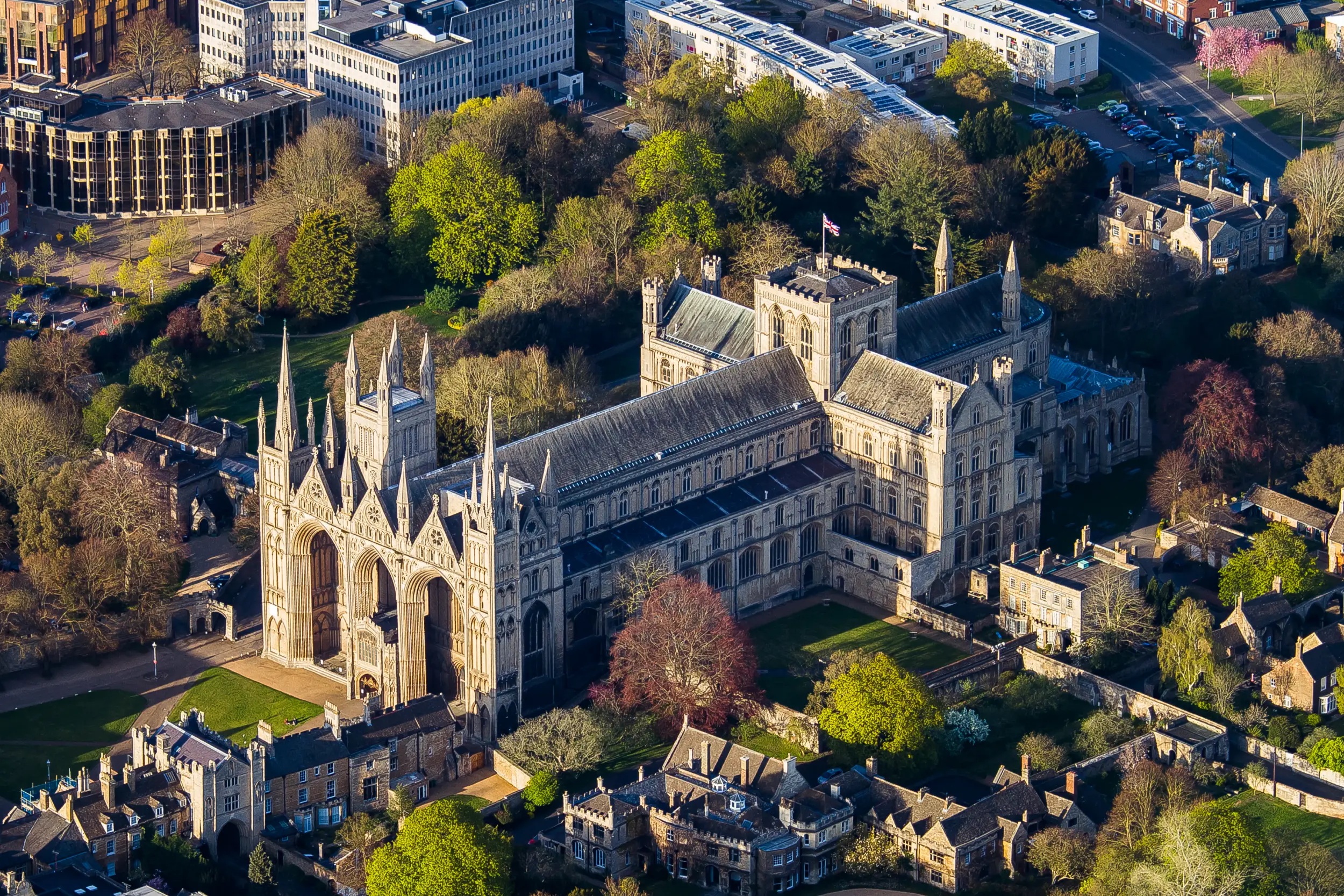


Peterborough
Business History
From railways, brickworks and world-famous engineering to travel, finance, publishing and digital innovation, Peterborough has repeatedly reinvented the way it works. Discover the companies, industries and entrepreneurs that helped build the modern city.
Peterborough has never had just one economy.
For generations the city has changed what it makes, what it sells and the markets it serves. Agriculture created demand for machinery. Railways connected manufacturers to the country. Clay became bricks. Engineering became international. Then came publishing, travel, finance, corporate headquarters, retail and digital services.
The names changed, but the pattern did not. Peterborough repeatedly found ways to turn location, skills, connectivity and ambition into business.
River, road and railway connections repeatedly widened the markets Peterborough businesses could reach.
Bricks, engines, turbines, machine tools and food-production equipment gave Peterborough an international industrial reputation.
Businesses including Perkins, EMAP and Thomas Cook connected everyday working life in Peterborough with national and global markets.
From factories to finance and from print to digital services, Peterborough's economy has continually adapted.
Two centuries of making things happen.
No single moment created modern business Peterborough. The story accumulated through transport, manufacturing, finance, corporate relocation and new generations of enterprise.
First came the connections.
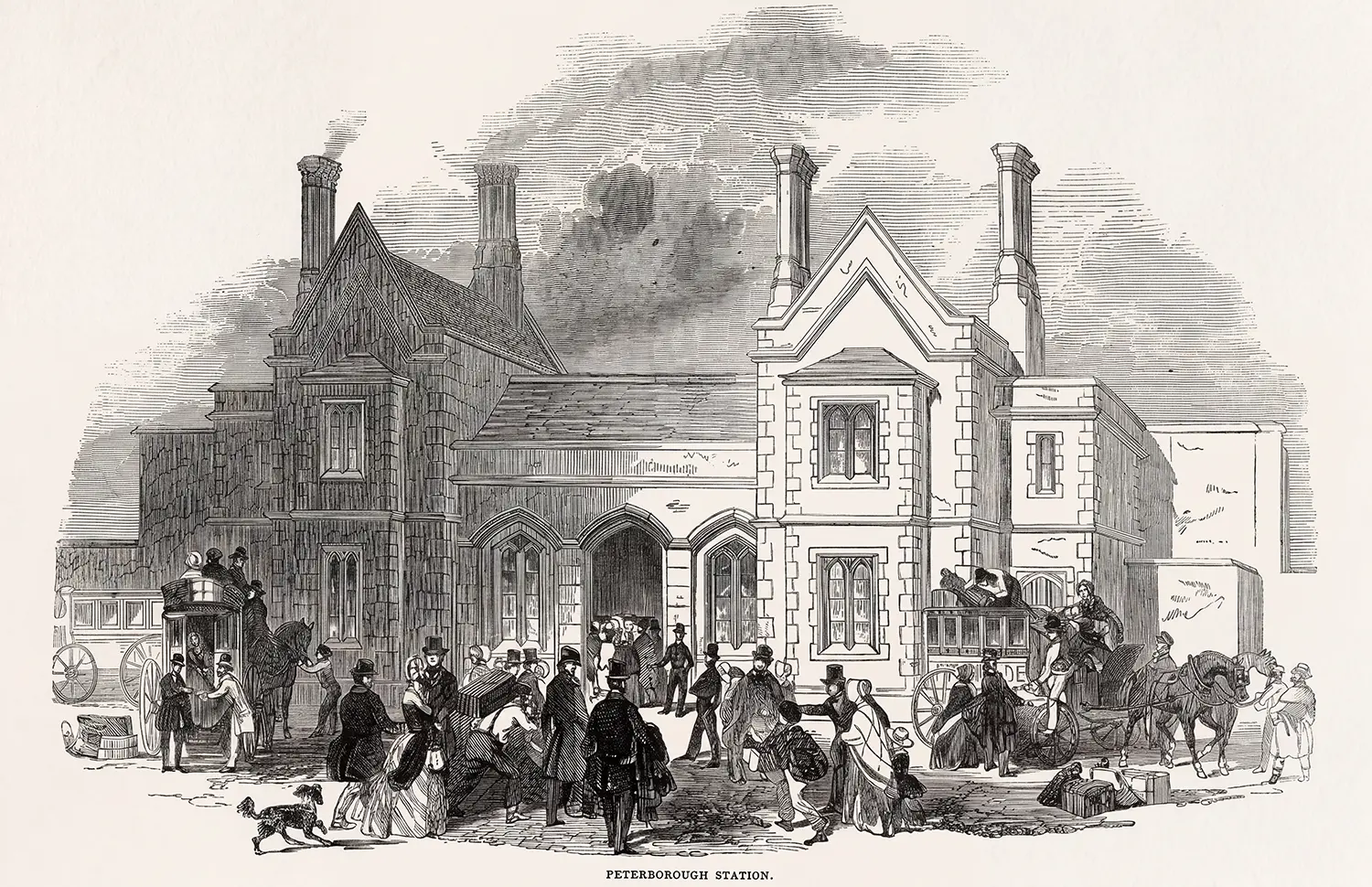
Peterborough's transformation into a modern business city is almost impossible to separate from the railway. What had been an important cathedral and market centre became a national transport junction.
Railways brought workers, coal, machinery, materials and investment into Peterborough. They also gave manufacturers access to customers across Britain. Brickmaking, engineering and population growth reinforced one another.
The railway even created new financial institutions. In 1860, railway workers established the Peterborough Provincial Benefit Building Society to help members secure homes in a rapidly growing town.
The city made things the world wanted.
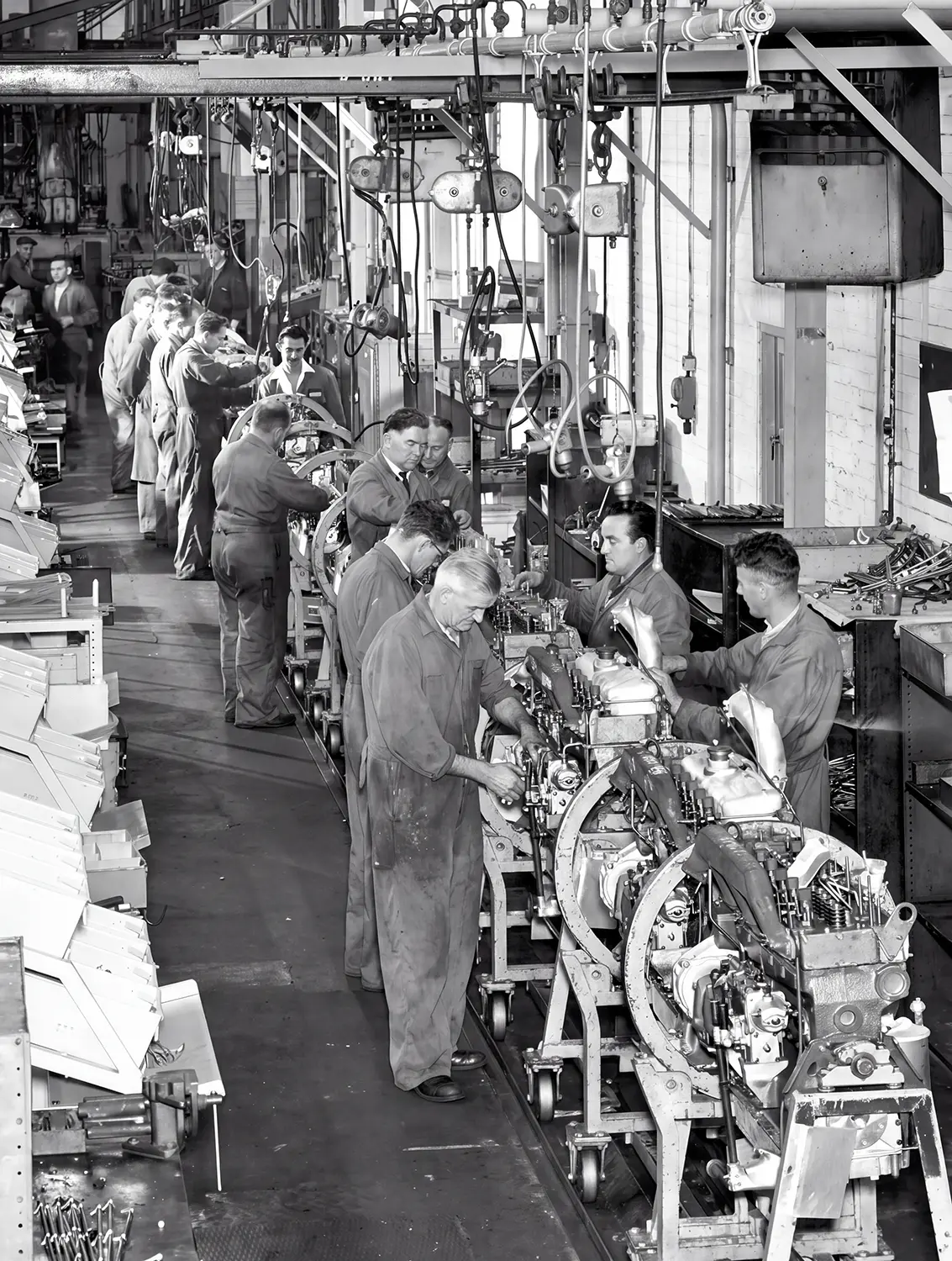
Engineering became one of Peterborough's defining industries. Agricultural machinery, engines, turbines, compressors, machine tools and food-production technology connected workshops in the city with customers around the world.
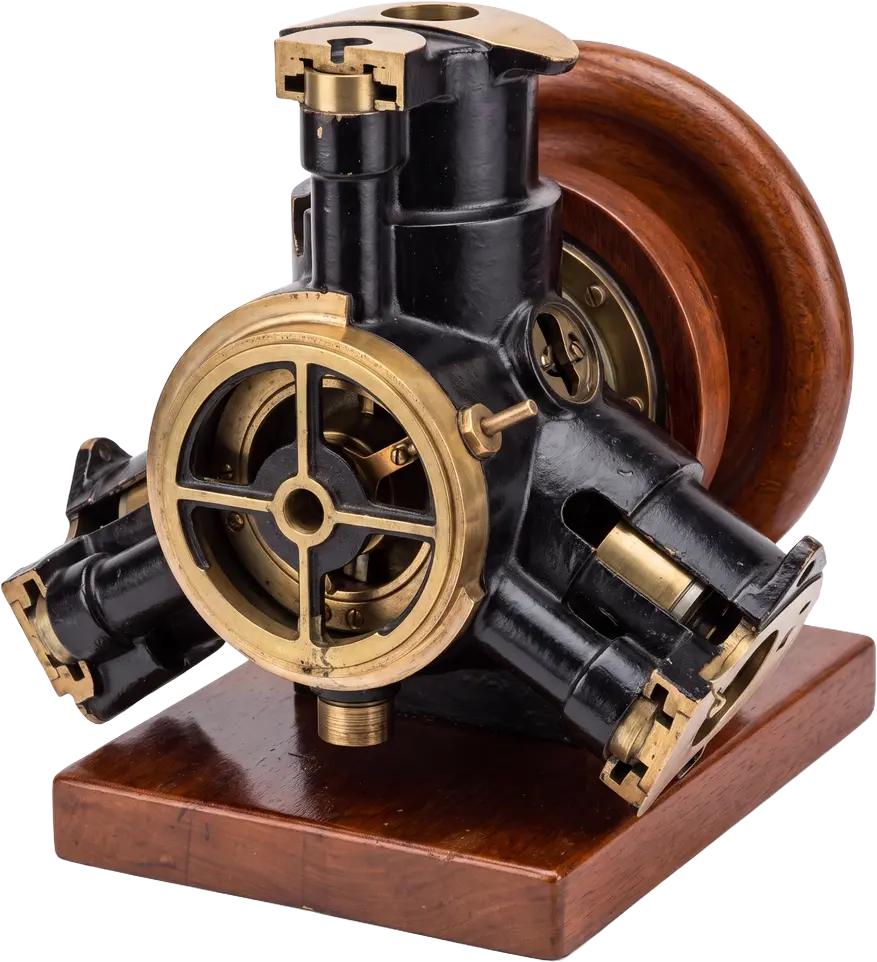
Barford & Perkins
Agricultural machinery and rollers established the Perkins engineering name long before the diesel engine.
→ From 1906Peter Brotherhood
Turbines, compressors and specialist power equipment created an engineering name that survives in Peterborough place memory today.
→ From 1919Baker Perkins
Machinery designed and made in Peterborough helped factories around the world bake, mix, process and manufacture food.
→ Founded 1932Perkins Engines
Frank Perkins and Charles Chapman transformed the high-speed diesel and created one of the city's most recognisable global businesses.
→ Peterborough from 1935Newall Engineering
Precision gauges, grinders and machine tools placed accuracy at the centre of another major Peterborough engineering tradition.
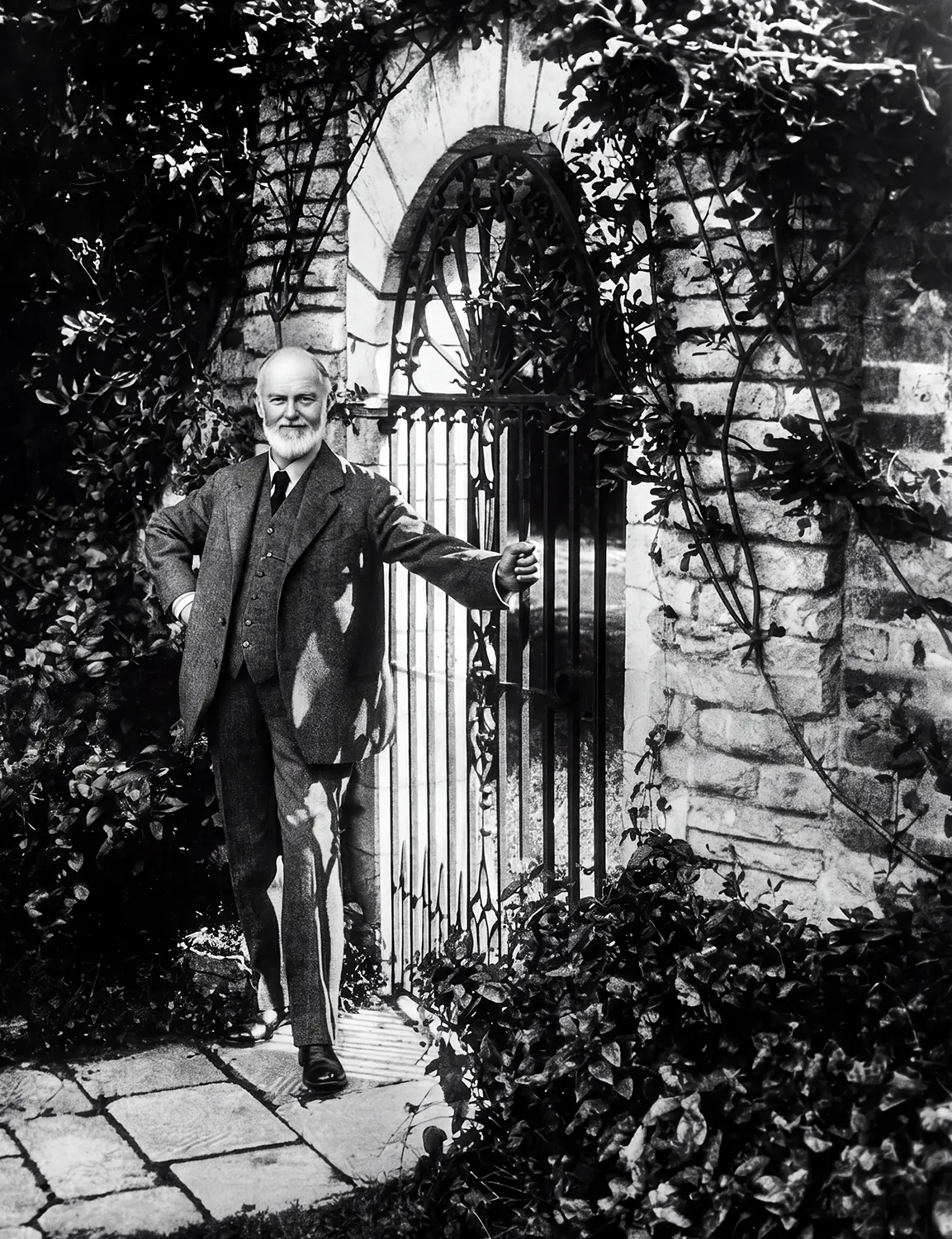
→ A Peterborough apprenticeshipHenry Royce
Born at Alwalton and apprenticed in Peterborough's railway works before becoming one of Britain's most celebrated engineers.
→The ground beneath the city became an industry.
Around Fletton, an unusual layer of Oxford Clay could be fired economically on an enormous scale. Combined with mechanisation and Peterborough's railway connections, it created an industrial advantage that transformed the landscape.
The name Fletton became part of the vocabulary of British construction. London Brick Company works employed generations of local people while millions of bricks left the Peterborough area for building sites across the country.
Discover Peterborough's Brick Industry →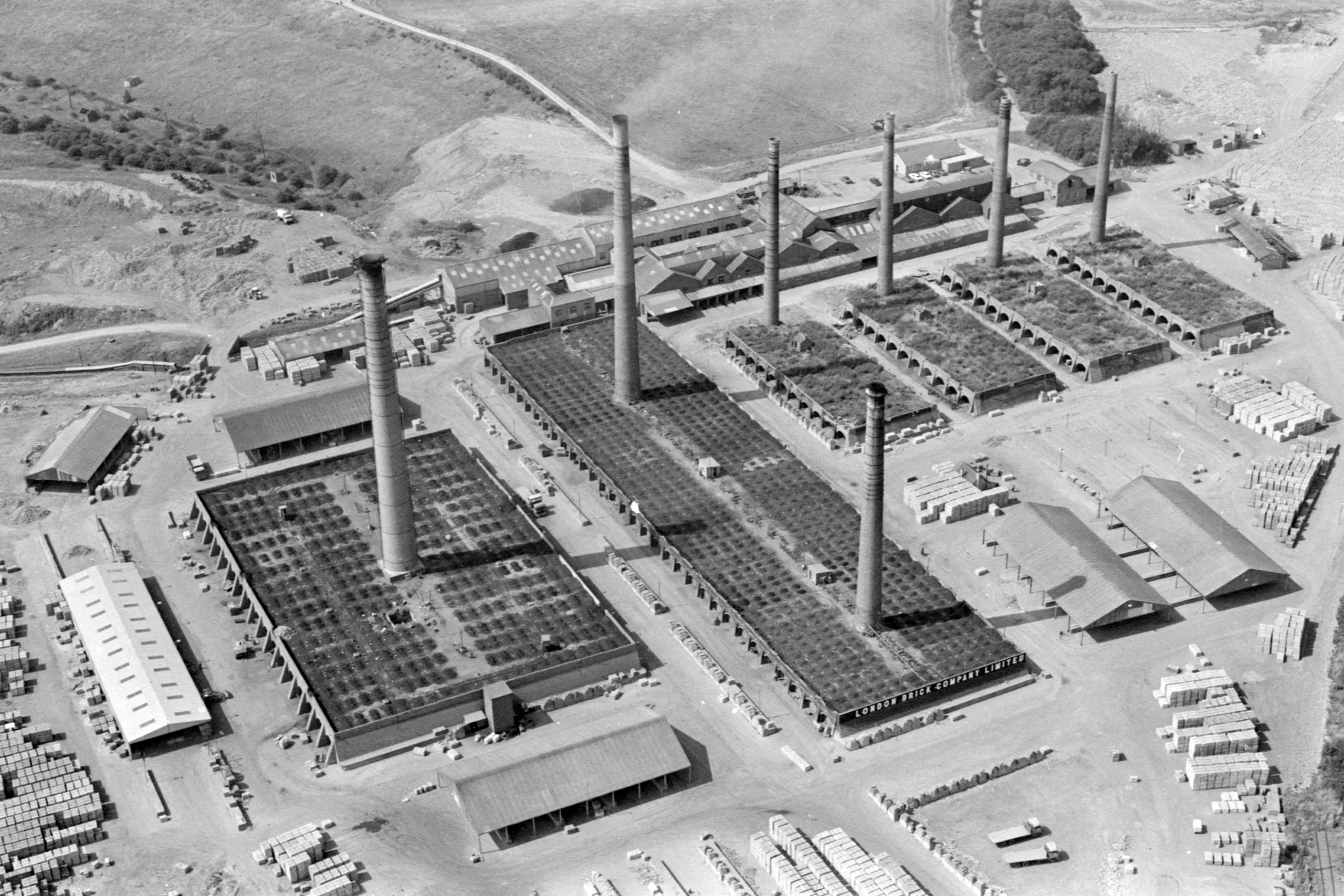
Peterborough became a financial-services city too.
The story stretches from a Victorian building society created by railway workers to vast late twentieth-century insurance offices and a new generation of businesses built around data, telephone sales and digital comparison.
Peterborough Provincial Benefit Building Society
Established by railway workers, the society helped members finance homes in a city whose population and housing needs were being transformed by the railway.
Norwich & Peterborough
Peterborough Building Society merged with its Norwich counterpart to create one of the best-known regional mutual brands. Its name carried Peterborough onto high streets across the country.
Pearl Assurance arrives
Pearl developed a major Peterborough presence at Thorpe Wood and later Lynch Wood. The remarkable Pearl Centre became one of the clearest physical symbols of the city's corporate expansion.
A new insurance economy
Budget Insurance began UK operations and developed into BGL Group. That Peterborough story would later help produce one of Britain's most recognisable digital comparison businesses.
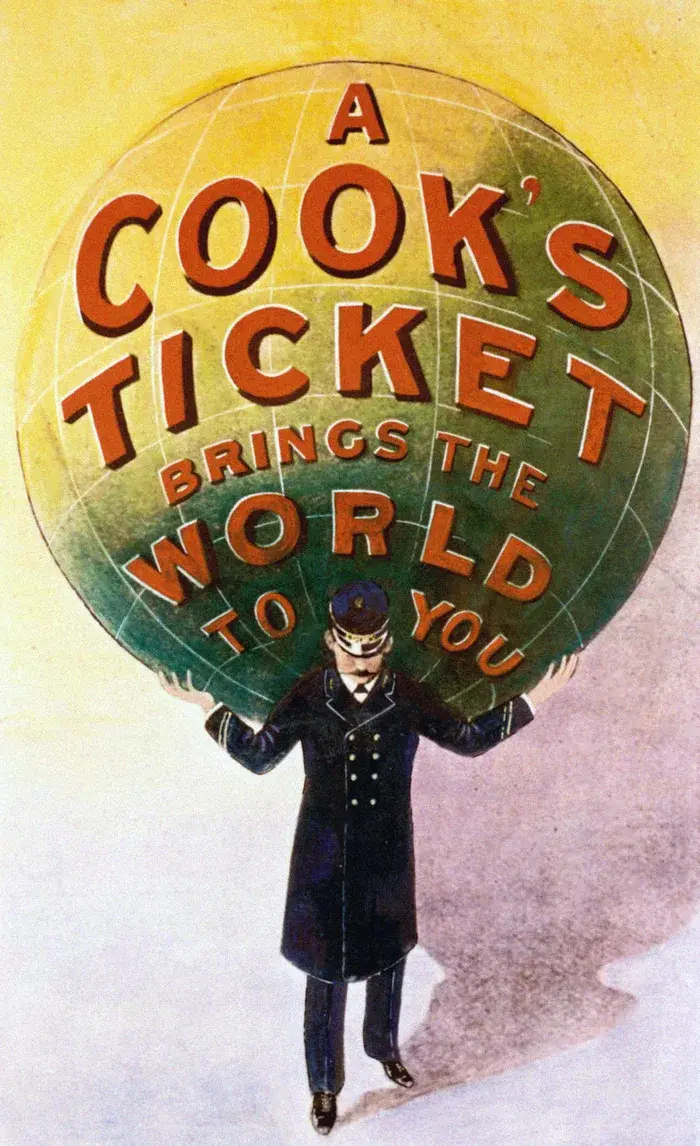
A global travel company chose a New Town.
Thomas Cook did not begin in Peterborough. The famous travel business began in the Midlands in 1841 and spent more than a century developing organised travel into an international industry.
Peterborough entered the story during one of the most ambitious periods in the city's modern history. As the New Town expanded, planners were not simply trying to build houses. Peterborough needed employers, offices, business parks and thousands of new jobs.
In 1977 Thomas Cook opened its new administrative headquarters at Thorpe Wood. A company synonymous with sending people around the world had chosen Peterborough as one of the places from which that global operation would be organised.
When Thomas Cook collapsed in 2019, the event was therefore more than a national travel-industry story. It marked the loss of a company that had been woven into Peterborough's employment, memories and identity for more than forty years.
Explore the Peterborough New Town story →Peterborough began selling itself to business.
New Town expansion changed the city's economic geography. Peterborough Development Corporation marketed a place with fast railway connections, the A1, new housing, land for development and a workforce that could grow alongside incoming employers.
Thorpe Wood became one of the first major business locations. Lynch Wood followed. Offices and headquarters joined the factories and railway works that had dominated earlier generations.
Peterborough also learned how to publish.
The city's media story stretches back into the nineteenth century. The Peterborough Advertiser became part of a wider group of regional newspaper businesses which, in 1947, were brought together as East Midland Allied Press.
EMAP did not remain a conventional local newspaper company. It moved decisively into magazines and specialist publishing, building a portfolio that eventually reached audiences far beyond the East Midlands.
What began with regional print became a major British media growth story. Peterborough developed generations of expertise in journalism, design, advertising, commercial publishing and audience development.
EMAP's growth showed that a Peterborough business did not have to manufacture a physical machine to reach millions of people. Ideas, information, entertainment and specialist knowledge could travel too.
The fields around Peterborough created businesses too.
Peterborough's relationship with agriculture never disappeared when the city industrialised. Instead, farming, food production and engineering became increasingly connected.
From beet fields to a national headquarters.
Sugar-beet processing became part of Peterborough's industrial landscape in the twentieth century. The city also became an important administrative centre for British Sugar, connecting Peterborough with one of Britain's major agricultural industries.
Peterborough machinery inside the world's food factories.
Baker Perkins turned another side of Peterborough engineering towards industrial food production. Mixers, ovens and processing machinery made in the city became part of manufacturing systems used far beyond Britain.
Explore the engineering story →Business history is also written in the streets.
Not every Peterborough business story belongs inside a factory or business park. Markets, shops, arcades and shopping centres have continually reshaped where people meet, trade and spend.

Queensgate changed the commercial heart of the city.
Built beside the railway station during the New Town era, Queensgate gave Peterborough a major regional shopping destination and altered the geography of its city centre.
Yet older patterns survived inside it. Westgate Arcade, opened in 1929, was incorporated into the later centre, placing different generations of Peterborough retail history almost side by side.
Explore Queensgate →The product changed. The instinct to scale did not.
By the end of the twentieth century, Peterborough's business economy was no longer defined only by what left a factory gate. Insurance, customer-service operations, data and digital distribution created a different kind of large employer.
Budget Insurance
A new direct insurance operation began a Peterborough business story that would grow into BGL Group.
Compare the Market
Price comparison turned data, marketing and technology into a nationally recognised consumer business with Peterborough at its centre.
Skills inherited in a new form
Engineering precision became data precision. Mass production became digital scale. Peterborough's economy continued to evolve rather than simply replacing one industry with another.
Why Peterborough?
Different businesses arrived for different reasons, but the same advantages appear repeatedly across the city's economic history.
The railway, A1 and later Parkway system gave businesses access to unusually large markets.
Railway workers, engineers, machinists, printers and office workers created pools of expertise that later employers could build upon.
Industrial sites and later purpose-built business parks allowed companies to operate at a scale difficult to accommodate elsewhere.
Peterborough repeatedly moved into new industries while retaining knowledge and confidence from earlier ones.
Peterborough did not simply grow. It learned how to change.
From railway workshops to diesel engines, from brick pits to business parks, from a railway workers' building society to digital financial services, the city's business history is a story of continual adaptation. The industries are different. The ambition is remarkably familiar.