
Peterborough Museum & Art Gallery at a glance
- What
- Peterborough’s city museum and art gallery inside a historic Georgian mansion
- Where
- Priestgate, Peterborough, PE1 1LF
- Journey through
- Jurassic seas, archaeology, Roman Peterborough, Norman Cross and the modern city
- Look out for
- Marine reptiles, prisoner craft, the Victorian operating theatre and changing exhibitions
- Best for
- History lovers, families, fossil fans, art lovers and anyone curious about Peterborough
- Atmosphere
- Grand Georgian rooms, historic collections and some decidedly strange corners
Walk into one Georgian house and travel from a Jurassic sea to the streets of modern Peterborough. Few places reveal the sheer depth of the city’s story quite like Peterborough Museum & Art Gallery.
The museum makes Peterborough feel much older, stranger and more important than it first appears. Beneath the familiar streets lies Oxford Clay packed with marine reptiles. Across the landscape are traces of prehistoric communities and Roman industry. Upstairs, prisoner-made objects, Victorian medicine, art and everyday belongings pull the story towards the present.
What makes the museum particularly rewarding is that so many of its collections connect directly with places you can still explore around Peterborough. The fossils came from local clay. Roman objects belong to the Nene Valley. Norman Cross craftwork survives from a vast prisoner-of-war camp south of the city. Social-history collections preserve the lives of people who built, worked in and reshaped modern Peterborough.
It is therefore more than somewhere to spend an afternoon. It is one of the best places to understand what you are looking at everywhere else.
Put every gallery into Peterborough’s bigger story
Use the interactive timeline to move from Jurassic seas and prehistoric wetlands through Roman industry, medieval Peterborough, Norman Cross, railways, brickmaking and the making of the modern city.
Nine galleries. Millions of years.
The museum works best as a journey. Each gallery opens another window onto the landscape, people or culture of Peterborough.
Jurassic Gallery
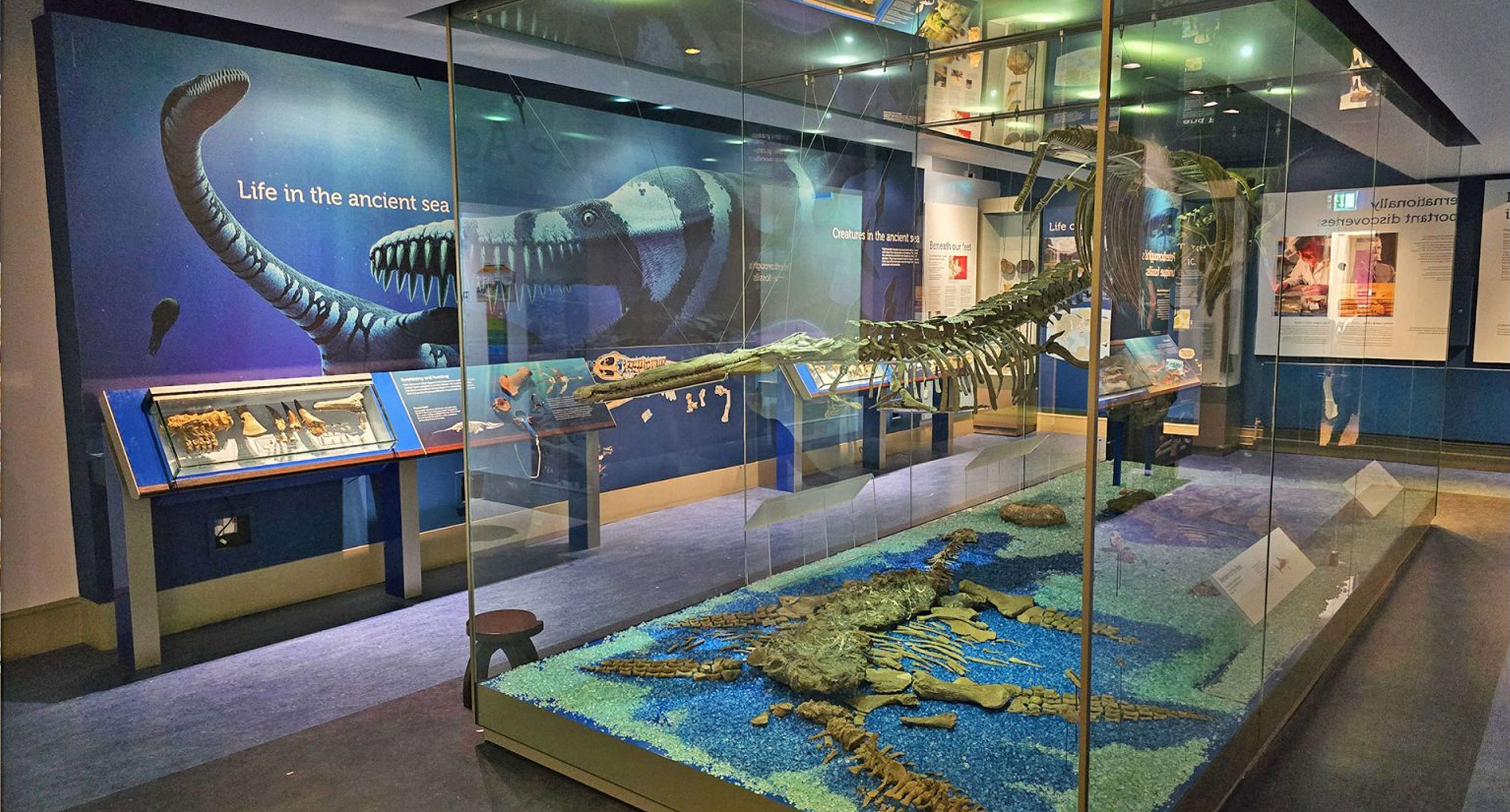
Meet the marine reptiles and enormous fish that lived here when Peterborough lay beneath a warm Jurassic sea.
Ice Age Gallery
Discover landscapes inhabited at different times by elephants, hippopotami, mammoths and woolly rhinoceros.
Archaeology Gallery
Follow hundreds of finds from prehistoric communities through Roman and medieval Peterborough.
Norman Cross Gallery
See intricate bone models, automata, straw marquetry and other remarkable objects created by prisoners of war.
Victorian Operating Theatre
Step into one of the museum’s most atmospheric rooms and encounter medicine before the modern hospital world we know today.
Changing Lives
Follow Peterborough through railways, industry, war, prosperity and rapid social transformation.
Wildlife Gallery
Explore the habitats, plants and animals living across Peterborough’s wetlands, grasslands, gardens and woodlands.
Art Gallery
Move from historic collections to changing exhibitions and discover another way of interpreting Peterborough and the wider world.
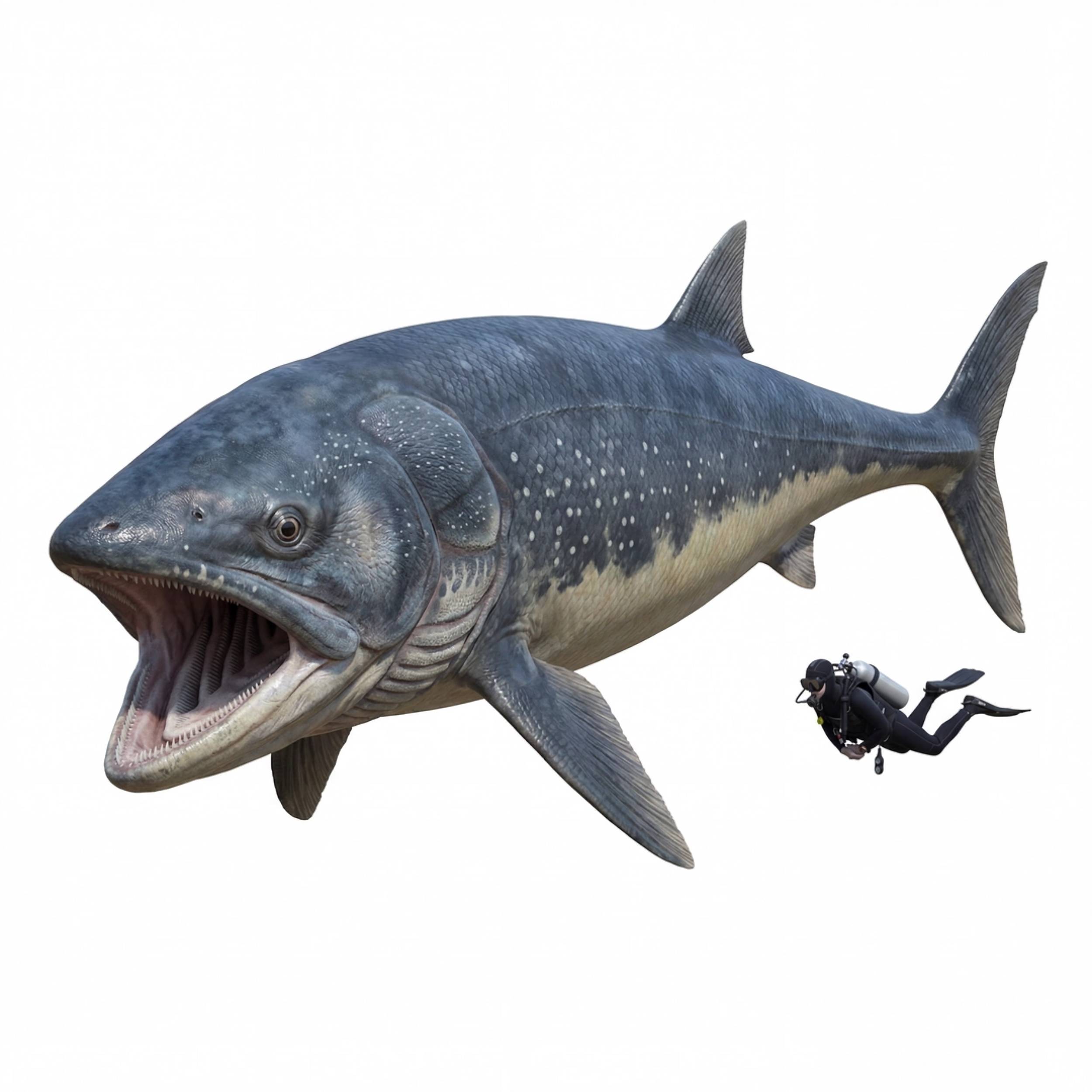
Start beneath a Jurassic sea.
Long before there were roads, fields or people here, Peterborough lay beneath warm Jurassic water.
The Oxford Clay beneath the city preserved a remarkable fossil archive of plesiosaurs, ichthyosaurs, marine crocodiles and enormous fish. Later brickworking exposed that buried world on an industrial scale.
The museum’s Jurassic Gallery brings this extraordinary deep history back together close to the landscape in which the fossils were found.
Enter Peterborough’s Jurassic seaThe collector who learned to read the clay
One of the people who transformed Peterborough’s fossil story was Alfred Nicholson Leeds.
Leeds spent decades collecting fossil vertebrates from the Oxford Clay exposed by brick pits around Peterborough. His patience, expertise and relationships with quarry workers helped recover extraordinary skeletons that might otherwise have disappeared into the brickmaking process.
His work became internationally important, and the giant fish Leedsichthys was named in his honour.
The fascinating twist is that two of Peterborough’s biggest stories are inseparable: the industrial city opened the Jurassic archive, while collectors such as Leeds learned how to preserve what the clay revealed.
Alfred Nicholson Leeds looked harder.
Leeds was not based in a grand metropolitan museum. He was working in the Peterborough landscape and recognised that the clay being dug around him contained a scientific record of global importance.
His story belongs to a wider Peterborough tradition of people who watched, collected and recorded things that others might have overlooked.
That makes the Museum a natural stop in another Discover Peterborough story: The City That Looked Harder.
Read The City That Looked Harder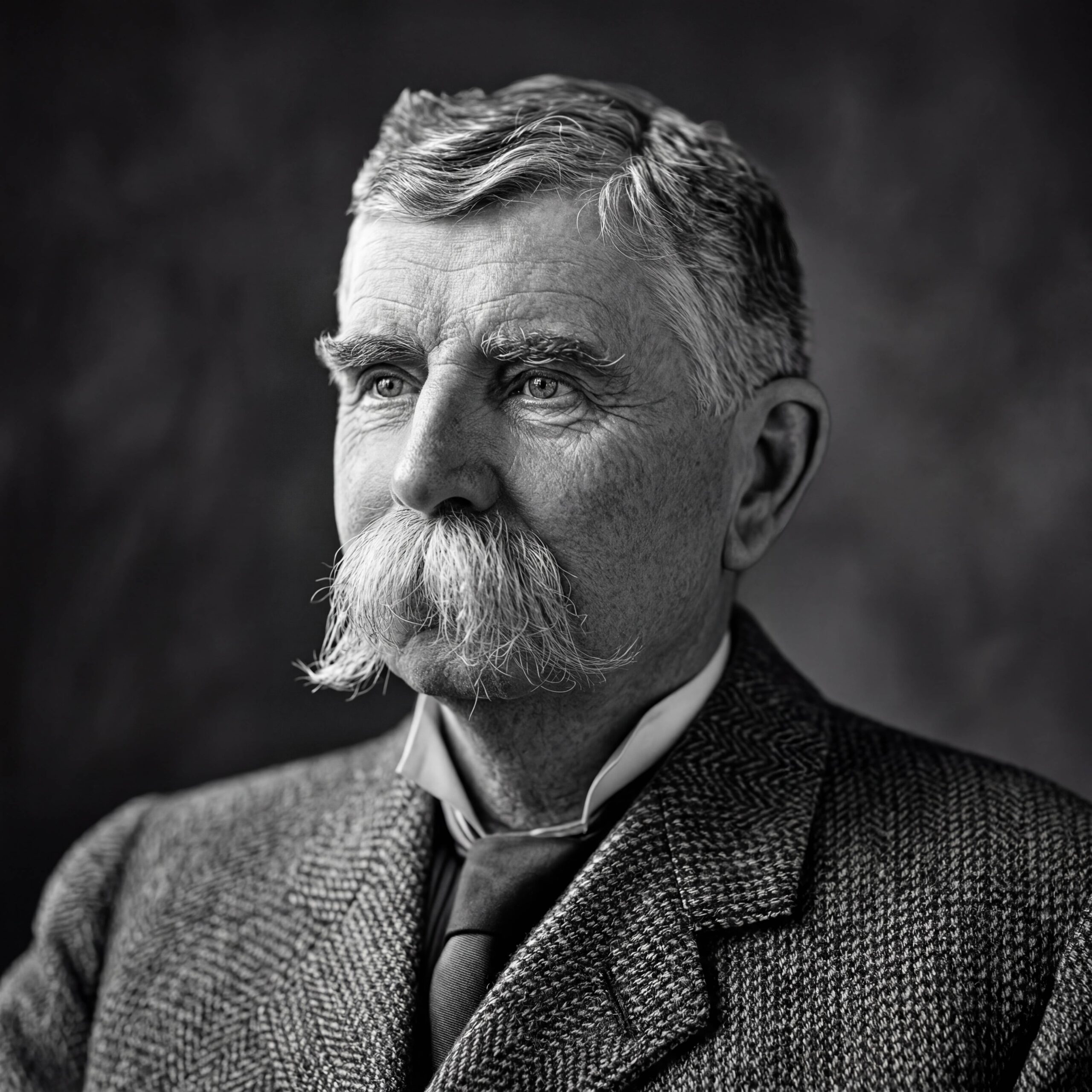
From prehistoric wetlands to Roman industry
After deep time, the Museum reconnects directly with landscapes visitors can still explore around Peterborough.
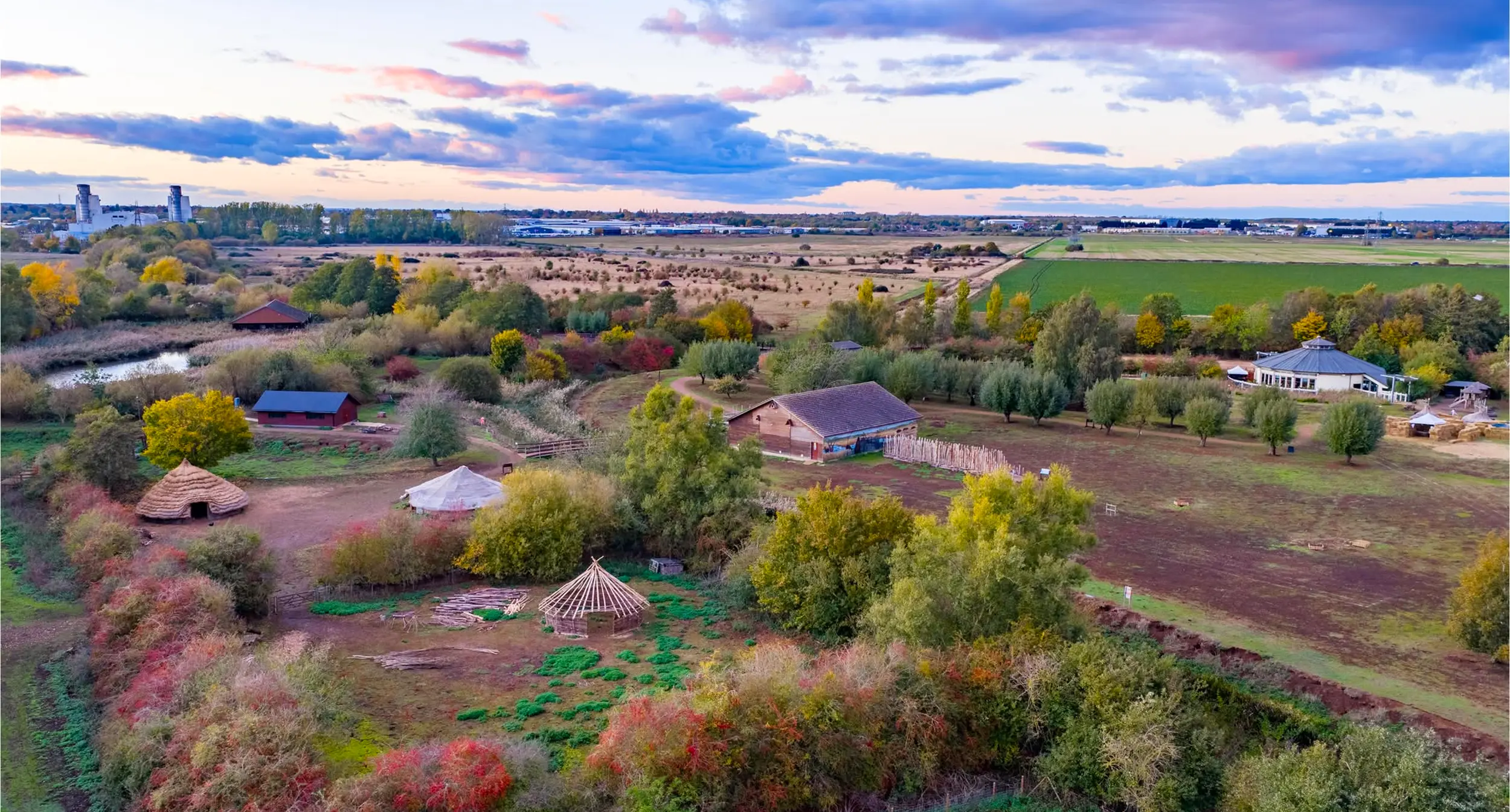
Prehistoric objects help explain a world made famous by Flag Fen Archaeology Park and Must Farm.
Move forward into Roman Peterborough and the Museum becomes the best public introduction to the wider archaeological landscape around Durobrivae, Water Newton, Longthorpe and the Nene Valley.
Pottery, tools and other finds reveal a Peterborough connected by road, river and industry long before the modern city existed. Explore that wider story through Roman Peterborough: Durobrivae, Roads, Pottery & Power.
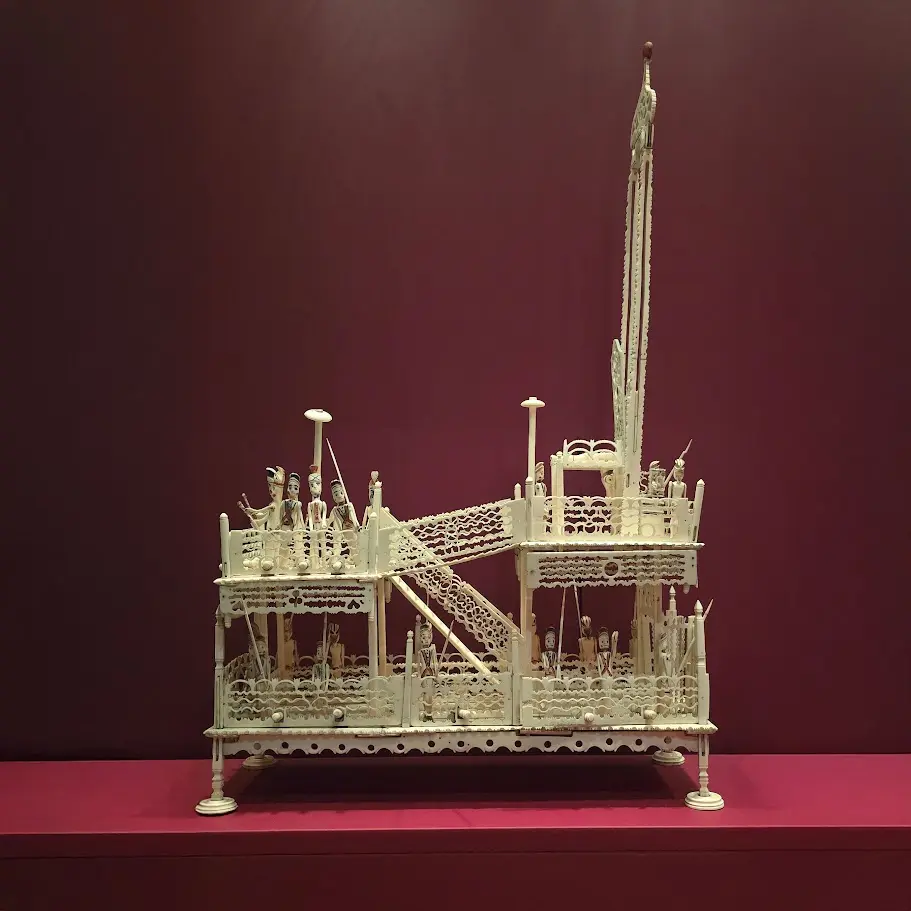
Norman Cross: extraordinary objects from a vanished prison town.
Just south of Peterborough once stood Norman Cross, the world’s first purpose-built prisoner-of-war camp.
Thousands of captured servicemen lived behind its walls during the French Revolutionary and Napoleonic Wars. Inside the compounds, prisoners transformed bone, straw, wood and other available materials into astonishing objects.
Model ships, miniature guillotines, games, boxes, automata and shimmering straw marquetry were made with extraordinary ingenuity and often sold to local people and dealers.
Peterborough Museum holds more than 800 objects connected with Norman Cross, making the collection one of the most important surviving records of life inside the Depot.
Discover Norman CrossFrom museum case to vanished landscape
The objects in the Norman Cross Gallery are the surviving human face of a place that has almost completely disappeared above ground.
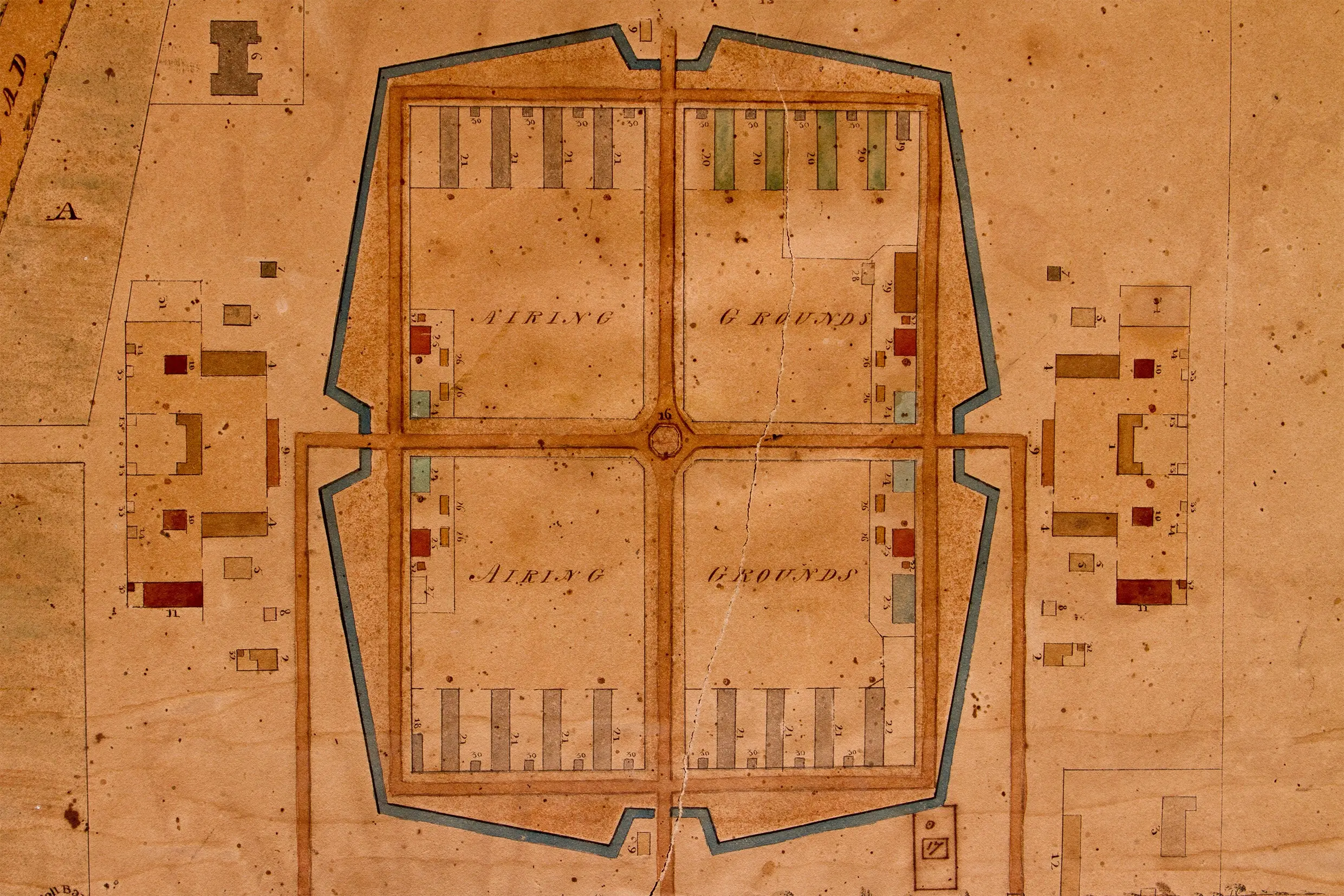
The Depot was designed around four large prisoner compounds. Timber barracks stood around exercise grounds, while roads converged on an octagonal central blockhouse from which guards could overlook the prison.
At its busiest, around 7,000 prisoners could be held there at one time. Across the Depot’s working life, around 30,000 servicemen passed through its gates.
The camp eventually disappeared, but its buried archaeology and surviving collections allow the lost settlement to be reconstructed in remarkable detail.
A prison economy built from skill
The prisoner craft was not simply a hobby.
Finished objects could be sold at the camp market to residents, dealers and visitors. Prisoners used the money they earned to buy food, clothing and other comforts, creating a remarkable economy inside and around the prison.
That adds an important human dimension to the objects in the Museum. Each model ship or decorative box is evidence of someone adapting to captivity, using skill and imagination to create value in a highly restricted environment.
The full Norman Cross history follows the Depot from its construction and prisoners through escapes, disease, archaeology and the surviving landscape.
The Museum gets stranger upstairs.
Peterborough Museum is one of those rare places where archaeology, medical history and local folklore begin to overlap.
The Victorian Operating Theatre
Original instruments, medical stories and the atmosphere of the former infirmary make this one of the Museum’s most memorable rooms.
Weird Weekend missionSea monsters in a Georgian mansion
Stand in front of a Jurassic creature and remember that fossils beneath Peterborough helped shape both science and industry.
Hearts and bonesPrisoner-made objects
Find the intricate Norman Cross models and work out how prisoners transformed ordinary materials into extraordinary craft.
Stories that survivePeterborough Folklore
Explore the city’s stranger traditions, ghost stories, omens and remembered tales beyond the Museum walls.
Art does not stop at the Museum door
The Art Gallery adds a completely different rhythm to the visit. Peterborough’s collection ranges across centuries, while changing exhibitions introduce new artists and themes.
The wider Peterborough Art Trail extends that experience out into the city. Paintings, sculpture, murals and public artworks appear in streets, parks, the Cathedral and beside the River Nene.
That means the Museum works brilliantly as the beginning of a wider art journey rather than the end of one.
A building with its own history
The collections are only part of the experience. The Museum occupies a substantial Georgian building on Priestgate, and the building itself has lived several lives.
Its later use as an infirmary explains the remarkable operating theatre upstairs, while cellars and service spaces beneath the building preserve other layers of its past.
It is one of those visitor attractions where the container and the collection are equally interesting. Even moving between galleries reminds you that this was never purpose-built as a modern museum.
The Museum as Peterborough’s memory bank
A city museum does something different from a national museum. It keeps together things that might otherwise appear unrelated.
Jurassic fossils sit within the same institution as Roman pottery, prisoner-made art, domestic objects, paintings and records of modern Peterborough. Put together, those collections allow visitors to see continuity rather than isolated historical episodes.
That is why the Museum connects so naturally with Peterborough History, Peterborough People and Peterborough in Objects. Each uses individual discoveries to open much bigger stories about the city.
Planning your visit
- Where to find the Museum
- Peterborough Museum & Art Gallery is on Priestgate, Peterborough, PE1 1LF, close to the historic city centre.
- Before you travel
- Check the official Peterborough Museum website for current visitor access, exhibitions, gallery information and practical arrangements.
- Historic building
- The Museum occupies an old building with different floor levels and historic spaces. Check the official accessibility guidance if you have particular requirements.
- Take your time
- The Museum contains several very different galleries. A slower visit makes it easier to connect the collections with places and stories elsewhere in Peterborough.
Discover Peterborough tip: choose one object or story from each gallery and follow it beyond the Museum. A fossil leads to the clay pits, Roman pottery leads to Durobrivae, Norman Cross craft leads to a vanished prison town, and a painting can send you back out onto the Peterborough Art Trail.
Continue exploring Peterborough
The Museum is one of the best gateways into Peterborough because almost every gallery connects directly to somewhere, someone or something else you can discover.
Explore the Museum Galleries
Travel gallery by gallery from Jurassic seas and Ice Age landscapes to archaeology, Norman Cross, social history, wildlife and art.
Explore all the galleriesPeterborough’s Jurassic Fossils
Enter the Oxford Clay sea and discover the creatures and fossil collectors that made Peterborough internationally important.
Enter the Jurassic seaRoman Peterborough
Follow the Museum’s Roman finds back into a landscape of roads, river crossings, pottery kilns and Durobrivae.
Enter Roman PeterboroughNorman Cross Prison Depot
Discover the vanished prison town behind the Museum’s extraordinary collection of bone models, straw marquetry, automata and prisoner-made art.
Explore Norman CrossPeterborough Timeline
Put the Museum’s collections into chronological order and travel from deep time to the modern city.
Travel through timeThe City That Looked Harder
Meet the collectors, observers and recorders who preserved extraordinary fragments of Peterborough before they disappeared.
Read the storyPeterborough Art Trail
Continue beyond the gallery into a city of paintings, sculpture, murals and public artworks.
Discover Peterborough artPeterborough Weird Weekends
Turn fossils, operating theatres, strange objects and local stories into things you can actively hunt down around the city.
Start exploringPeterborough in Objects
Explore the individual artefacts, manuscripts, machines and curious objects through which the city’s history survives.
Explore the objectsPeterborough People
Meet the collectors, artists, engineers, writers, scientists and extraordinary figures behind the stories in the galleries.
Meet the peoplePeterborough Cathedral
Continue through the historic city centre into another building where more than a thousand years of Peterborough history survive.
Explore the CathedralMore things to do
Find more heritage, culture, family attractions, outdoor experiences and memorable places across Peterborough.
Find more experiencesPlan your visit to Peterborough Museum & Art Gallery
For current exhibitions, visitor information, accessibility guidance and everything you need before travelling, visit the Museum’s official website.