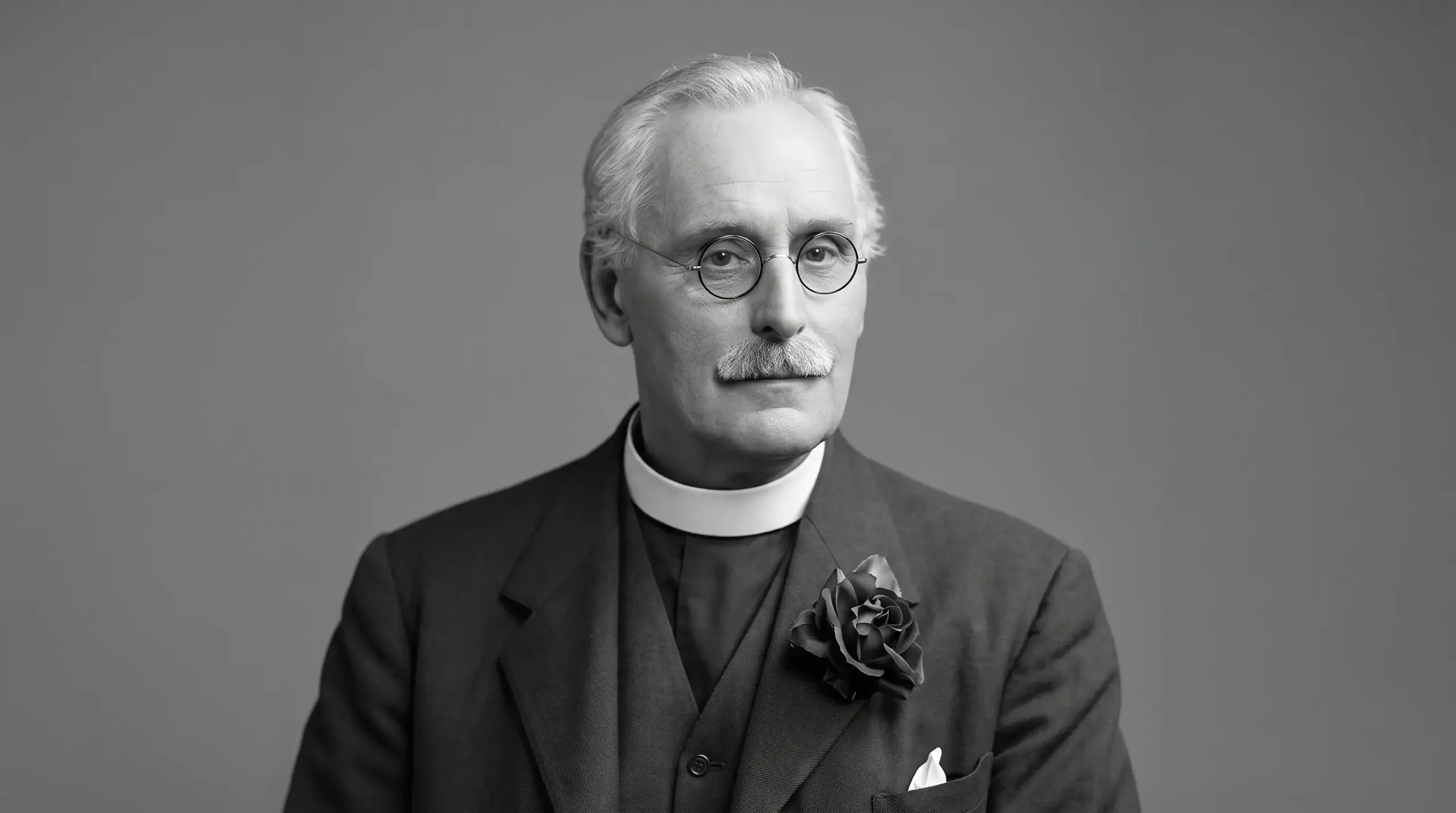
Long before nature writing became a publishing category, a minister from Eastfield was teaching Edwardian Britain how to look at a pond.
A life in dates
- 1872Born in Eastfield, Peterborough
- 1896Marries Annie Unwin
- 1903Edits a Scottish vegetarian magazine
- 1911Begins editing Peeps at Nature for A & C Black
- 1912How to Use the Microscope is reviewed in Science
- 1935The seventeen-volume series concludes
- 1940sPresident of the Worthing branch of the BUAV
- 1944Wild Flowers in their Haunts published
- 1965Dies at Storrington, aged 93
Eastfield and the ministry
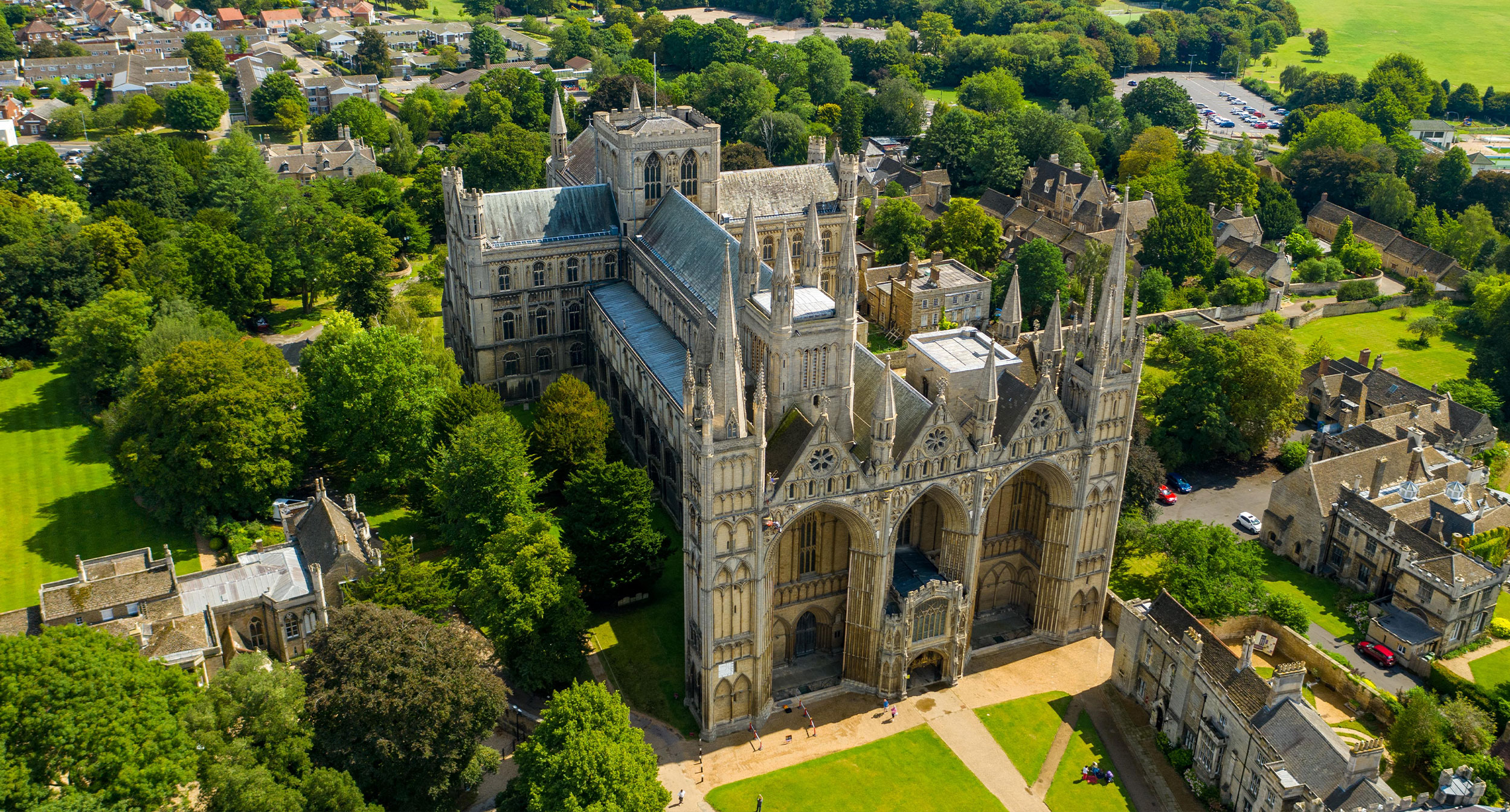
Charles Albert Hall was born in Eastfield, Peterborough, on 11 July 1872, and educated at Deacon’s School in the city before training for the ministry at New Church College in London.
He was ordained into the New Church, the Swedenborgian denomination, and served as a pastor for nearly forty years, while building a parallel reputation as one of the most prolific popular naturalists of his generation.
His pastorates
- Hull
- Bristol
- Paisley
- Southport
- London
A ministry full of the outdoors
The two callings were never separate for him. Hall’s ministry was full of the outdoors: during his decade leading the Paisley congregation he ran camping expeditions on the shores of Loch Fyne built around nature rambles, and one young participant, the writer Dugald Semple, later described the experience as his finest introduction to the simple life.
The books
His publishing output was extraordinary. From 1911 to 1935 he edited Peeps at Nature, a seventeen-volume series for A & C Black aimed squarely at ordinary readers and children, and wrote much of it himself.
- 1911–35 Peeps at Nature Seventeen volumes, as editor
- 1912 How to Use the Microscope: A Guide for the Novice Reviewed in Science
- 1912 The Romance of the Rocks
- Wild Flowers and their Wonderful Ways
- Bird Life of the Seasons
- The Open Book of Nature
- Pond Life
- Birds’ Eggs and Nests
- 1944 Wild Flowers in their Haunts Thirty years into his writing life
His volume on British beetles was still being cited by Guardian nature columnists a century after publication.
He was elected a Fellow of the Royal Microscopical Society, and edited the New Church Herald for twenty-two years.
Reforming convictions
Hall also belonged to a strand of late-Victorian reforming thought that ran through much of his life. He was a lifelong vegetarian, sat on the general council of the Order of the Golden Age, edited a Scottish vegetarian magazine in 1903, and campaigned against vivisection, serving as president of the Worthing branch of the British Union for the Abolition of Vivisection in the 1940s and arguing that the practice could not be reconciled with Christian ethics.
Family and later life
He married Annie Unwin in 1896 and they had two sons. He spent his last years at Storrington in West Sussex and died on 27 August 1965, aged 93.
His place in the story
A boy from Eastfield who spent his life persuading people to kneel down and look properly at what was in front of them.
It is a very Peterborough kind of achievement, and it sits naturally alongside John Clare in the city’s long tradition of watching the natural world closely and writing it down.