


The City That Said “She” First
The earliest recorded example of the “sh” form that became the modern word she appears in the Peterborough Chronicle. Eight centuries later, the city’s story keeps returning to women who were first through doors in diplomacy, nursing, civic life, broadcasting, science, faith and political leadership.
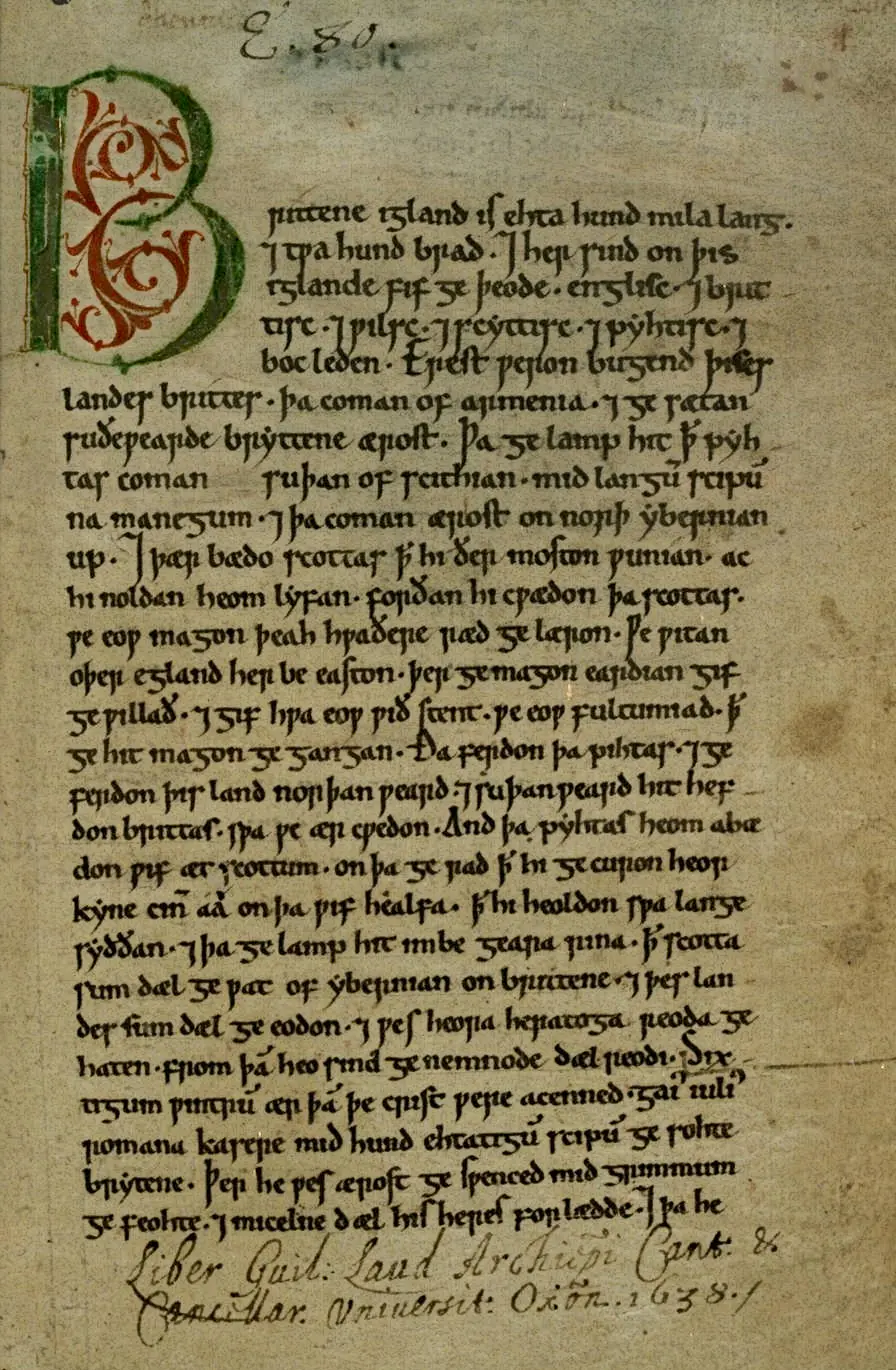
A monk sat down in Peterborough in the middle of the twelfth century and wrote four letters that would become part of the history of the English language.
scæ.
The word does not look much like she to modern eyes. Linguistically, however, something important had happened.
Research by historical linguists Margaret Laing and Roger Lass identifies the Final Continuation of the Peterborough Chronicle, written around 1155, as containing the earliest recorded example of the new “sh” type of the feminine subject pronoun. In entries covering 1140 to 1153 it occurs six times, written as scæ. 1
The first surviving occurrence comes in the Chronicle’s entry for 1140.
It is a wonderfully human beginning for one of the most familiar words in modern English.
And it gives Peterborough an irresistible way into another story.
Because across the centuries, women connected with this city have repeatedly arrived at places where women had not been before.
Old English already had feminine pronouns, including hēo. Peterborough’s claim is more precise: its Chronicle contains the earliest recorded example identified by scholars of the new “sh” form that developed into modern she. The evidence is remarkable without making the claim larger than it needs to be.
First, the word.
The Peterborough Chronicle captures English changing almost in front of us.
Peterborough’s monks continued their version of the Anglo-Saxon Chronicle after the other surviving versions had stopped. Its final continuation reaches 1154.
That makes it exceptional historical evidence, but something else is happening between the lines.
Grammar is shifting. Spellings are changing. Old English is moving towards Early Middle English.
And among those changes is scæ.
The extraordinary thing is that the first surviving “sh” form of she does not occur in a proclamation about queenship, politics or power.
It survives because a Peterborough writer was telling us about a woman.
The manuscript is now preserved at the Bodleian Library in Oxford, but the page was created within the intellectual culture of medieval Peterborough.
Explore the Peterborough Chronicle in detail .
You can also place it within the complete history of Peterborough Cathedral and the wider Peterborough in Objects collection .
Peterborough wrote “she” down early. The more interesting story is how often women connected to the city then arrived first.
Eight centuries of opening doors
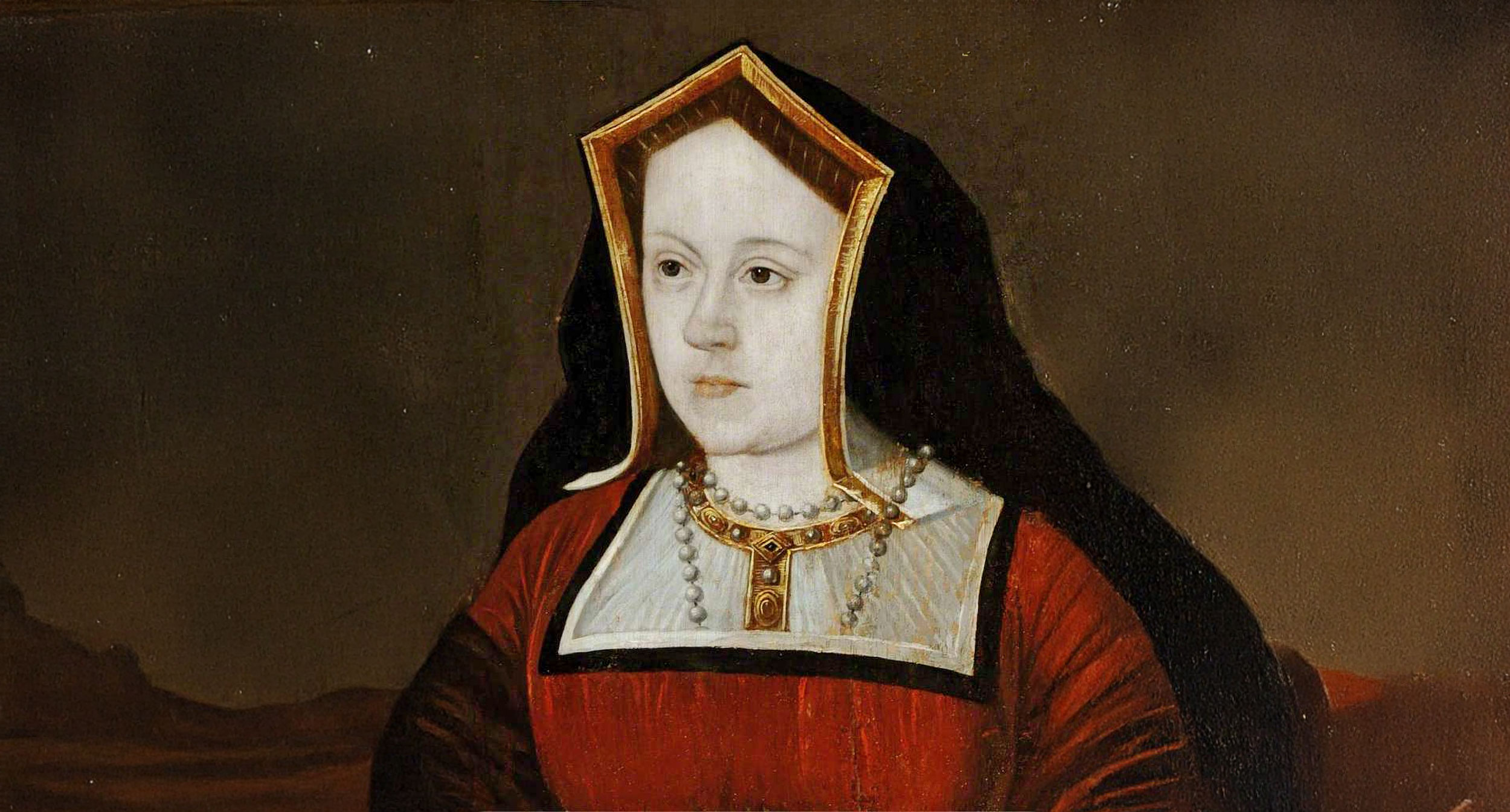
Before she was Peterborough’s queen, she was an ambassador.
Peterborough’s most famous buried queen had already crossed one of Europe’s political barriers before she became Queen of England.
In 1507 Ferdinand of Aragon appointed his daughter Katharine of Aragon as his diplomatic representative at the English court.
She is widely credited as Europe’s first formally accredited female ambassador. 2
Katharine wrote diplomatic correspondence, negotiated with Henry VII’s court and represented her father’s interests before marrying Henry VIII.
Peterborough did not give her that first.
The city’s connection came at the end of her life, when she was buried at Peterborough Abbey in January 1536.
Her grave remains one of the defining historic places inside Peterborough Cathedral.
Discover Katharine of Aragon or follow Peterborough’s Two Queens .
Care, education and civic life.
Not every important Peterborough woman left behind a convenient portrait. Their absence from the photographic record should not mean their absence from the story. Two women in particular were reshaping the city’s institutions before women possessed anything approaching equal political power.
Florence Saunders
Peterborough’s first district nurseFlorence Matilda Saunders founded the Peterborough District Nursing Association in 1886 and became its first district nurse and lady superintendent. 3
Her work took professional nursing beyond hospitals and into the homes of people who might otherwise have struggled to obtain care.
Saunders accepted no remuneration for her work and became a significant benefactor of the service she had helped create.
After her death in 1904, the organisation was renamed the Florence Saunders District Nursing Association in her honour.
A local system of care changed because one woman decided that care should reach people where they lived.
Margaret Gibson
First woman granted the Freedom of PeterboroughMargaret Toye Gibson helped establish a girls’ school at Laurel Court in the Cathedral Precincts and spent decades educating generations of Peterborough girls.
Her influence travelled far beyond the schoolroom.
One of the young women associated with Laurel Court was Edith Cavell, whose life would later become known around the world.
In 1926 Gibson became the first woman granted the Freedom of Peterborough. 4
Her memorial can still be found inside Peterborough Cathedral.
Before a woman had become Peterborough’s mayor, the city had already formally recognised a woman among its most honoured citizens.
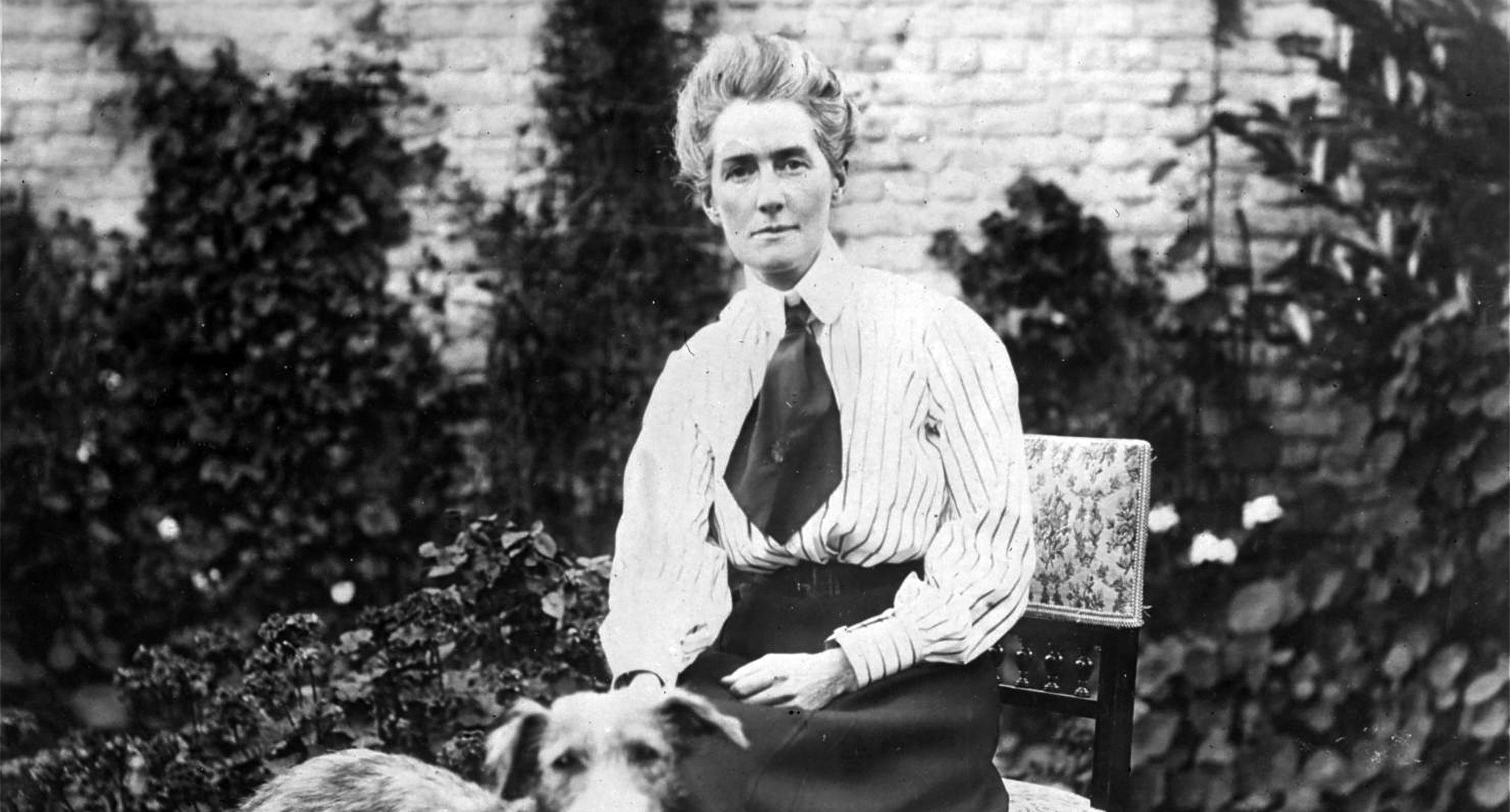
Edith Cavell reminds us not to turn history into a scoreboard.
“First” is a powerful way into women’s history. It is not the measure of a woman’s importance.
Edith Cavell was educated at Laurel Court in Peterborough’s Cathedral precincts before becoming a pioneering nurse in Brussels.
During the First World War she helped more than 200 Allied soldiers escape German-occupied Belgium before being arrested and executed in 1915.
She does not require a “first” beside her name to belong in this story.
Neither do many of Peterborough’s other extraordinary women.
The firsts reveal the doors that existed. They should never suggest that only the woman who happened to open each one mattered.
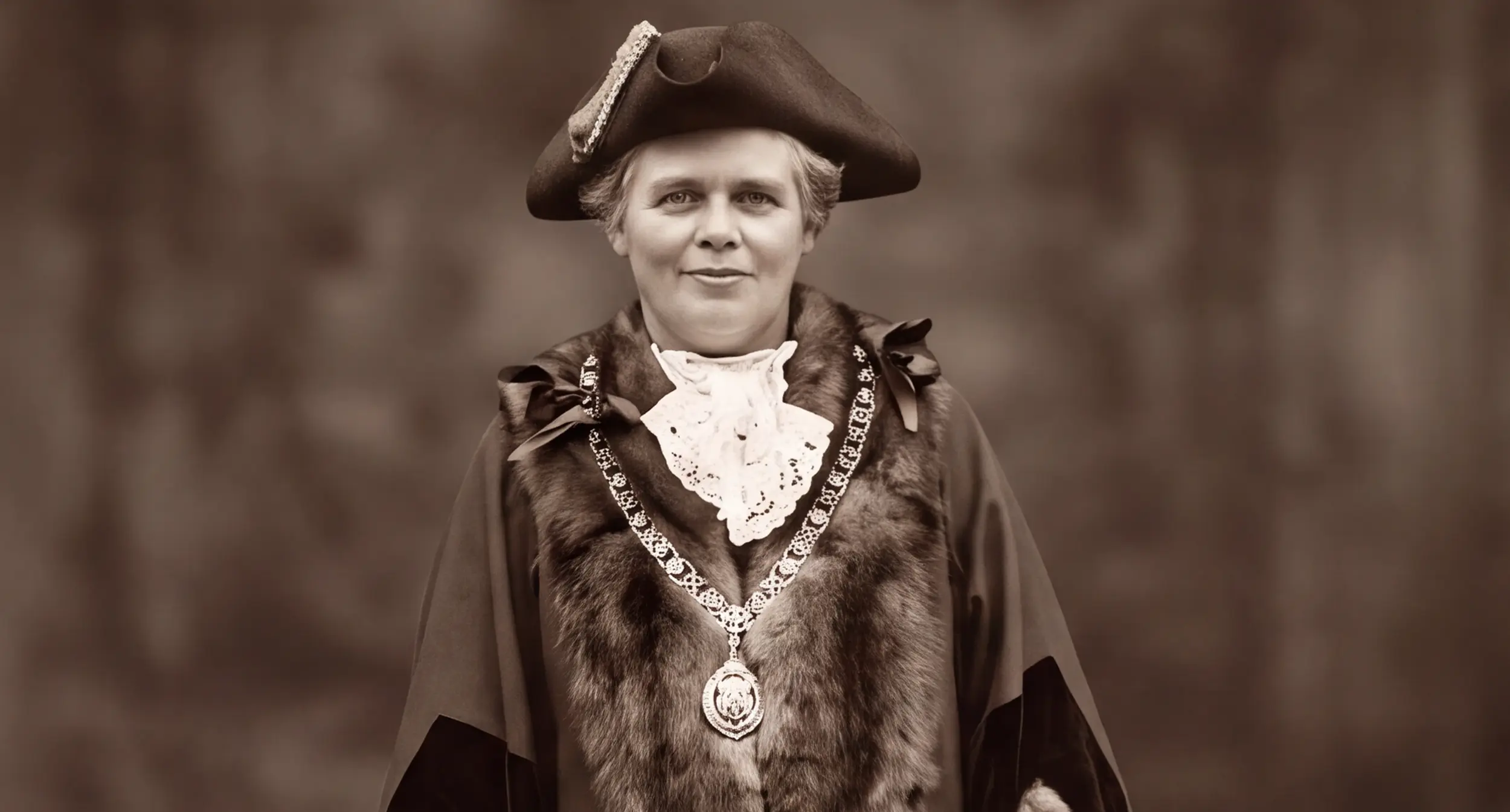
Then a woman walked into the council chamber.
Lily Violet Bryant accumulated two Peterborough firsts in less than a decade.
In 1930 she became the first woman elected to Peterborough council.
Eight years later she became Peterborough’s first woman mayor. 5
The dates matter, but so does the barrier behind them.
Council chambers, committees and mayoral offices had developed around the assumption that the people occupying them would be men.
Bryant crossed an institutional threshold.
A place that had written scæ eight centuries earlier now had to become accustomed to another phrase:
Madam Mayor.
One school. Two national firsts.
Perhaps the most remarkable connection in this entire story sits on one former school site on Lincoln Road. Marjorie Pollard and Daphne Jackson both passed through Peterborough County Grammar School for Girls. Each went on to become the first British woman to do something extraordinary.
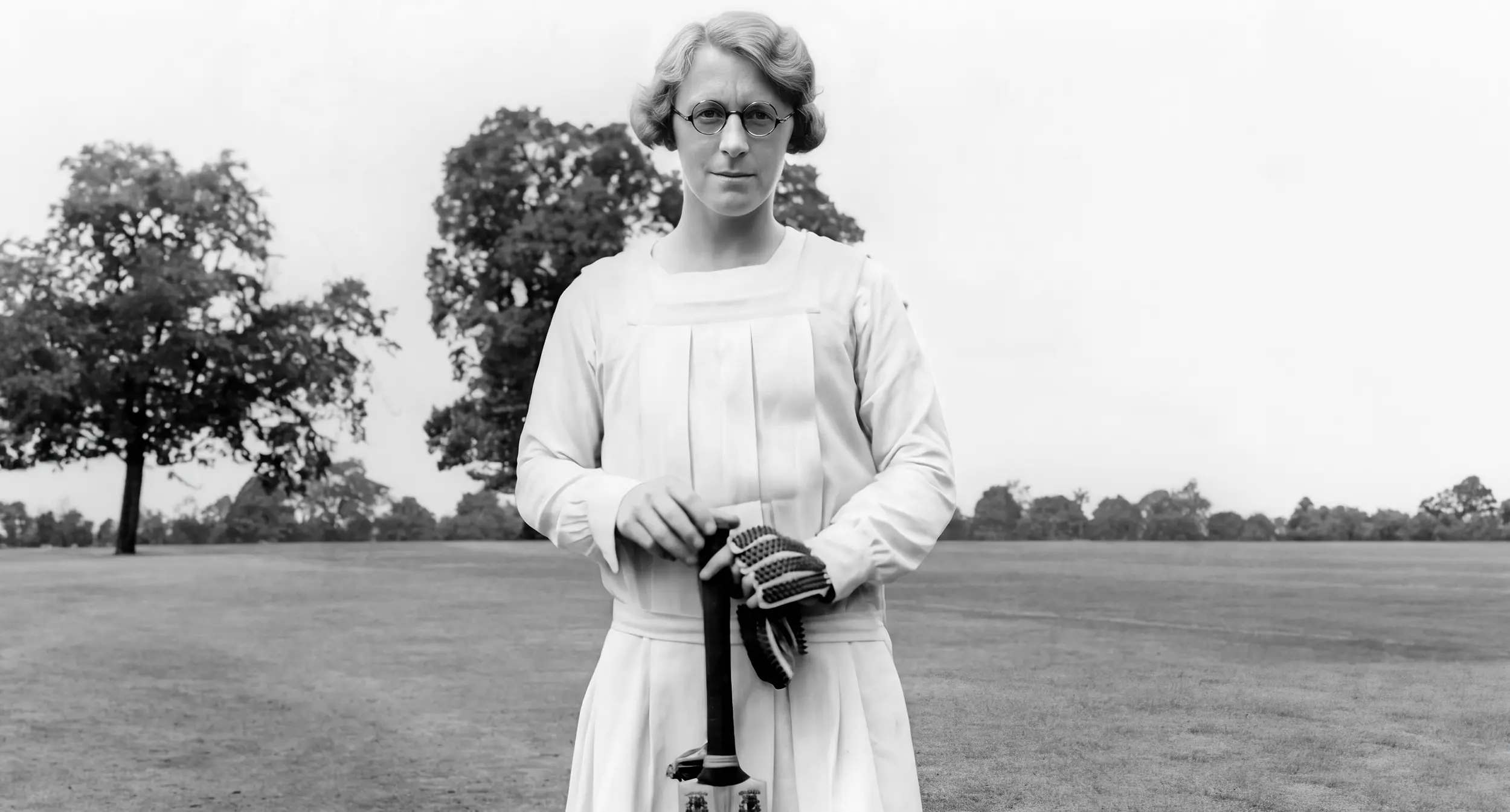
Marjorie Pollard
Pollard was born in Rugby, but her family moved to Peterborough while she was a child and she entered the County School for Girls in 1910.
She became an outstanding international hockey player, helped found the Women’s Cricket Association in 1926 and built a formidable career as a writer and sports journalist.
Then, in 1935, she became the first woman to commentate on sport for the BBC. Her first commentary was on a men’s cricket match. 6
The voice coming through the radio was doing something no British woman had previously been allowed to do on air.
Peterborough Civic Society now commemorates Pollard with a blue plaque on the former school site.
Daphne Jackson
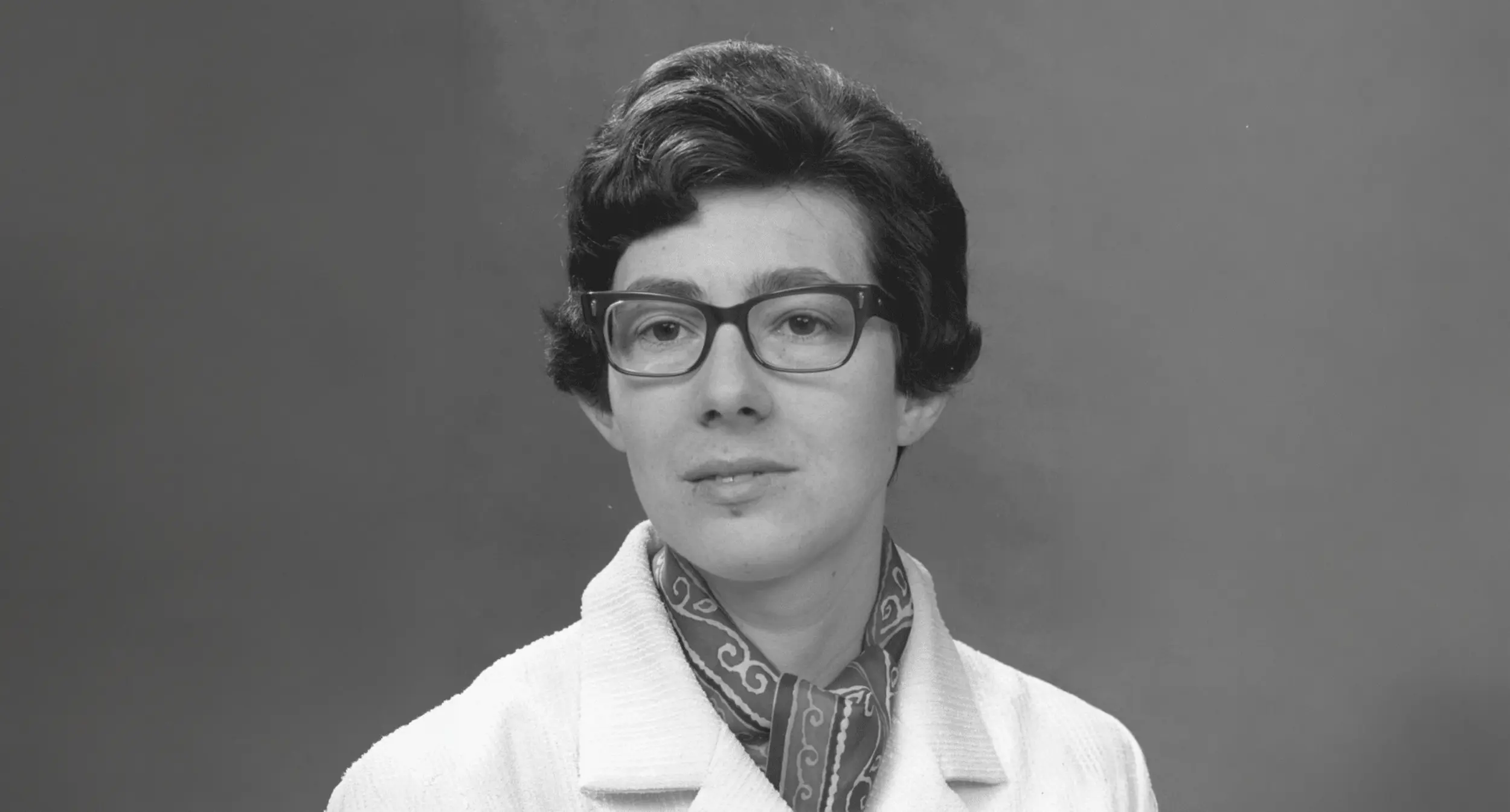
Daphne Jackson was born in Peterborough in 1936 and attended the same girls’ school as Pollard.
She went on to study physics at Imperial College London at a time when women remained a tiny minority in the subject.
In 1971, aged just 34, Jackson became the first female Professor of Physics in the United Kingdom at the University of Surrey. 7
But perhaps the most important thing about Jackson’s first is what she did with it.
Concerned by highly qualified women who struggled to return to scientific careers after taking a break, she created a fellowship programme in 1985 to provide a route back into research.
Her legacy continues through the Daphne Jackson Trust.
The first woman through the door spent the rest of her career trying to hold it open.
Both women are commemorated with blue plaques at the former County Girls School site. Explore more remarkable local lives through Peterborough People .
Firsts are rarely isolated.
Once you start looking, the story reaches across education, politics, public life and institutions that once offered women very limited space.
Margaret Gibson
The educational pioneer became the first woman granted the Freedom of Peterborough.
Helen Brinton, later Helen Clark
Elected at the 1997 General Election, she became the first woman to represent the Peterborough constituency in the House of Commons. 8
Not every pioneer needs a record.
Edith Cavell, Katharine Clayton and many other women altered Peterborough without requiring a “first” beside their names. Firsts are a doorway into the history, not its boundary.
The twenty-first century still has firsts.
Two of the most striking examples belong not to distant history but to Peterborough now.
Debbie Sellin
Peterborough became the seat of a bishop in 1541 when the former abbey church became the cathedral of Henry VIII’s new diocese.
Thirty-eight bishops followed.
All were men.
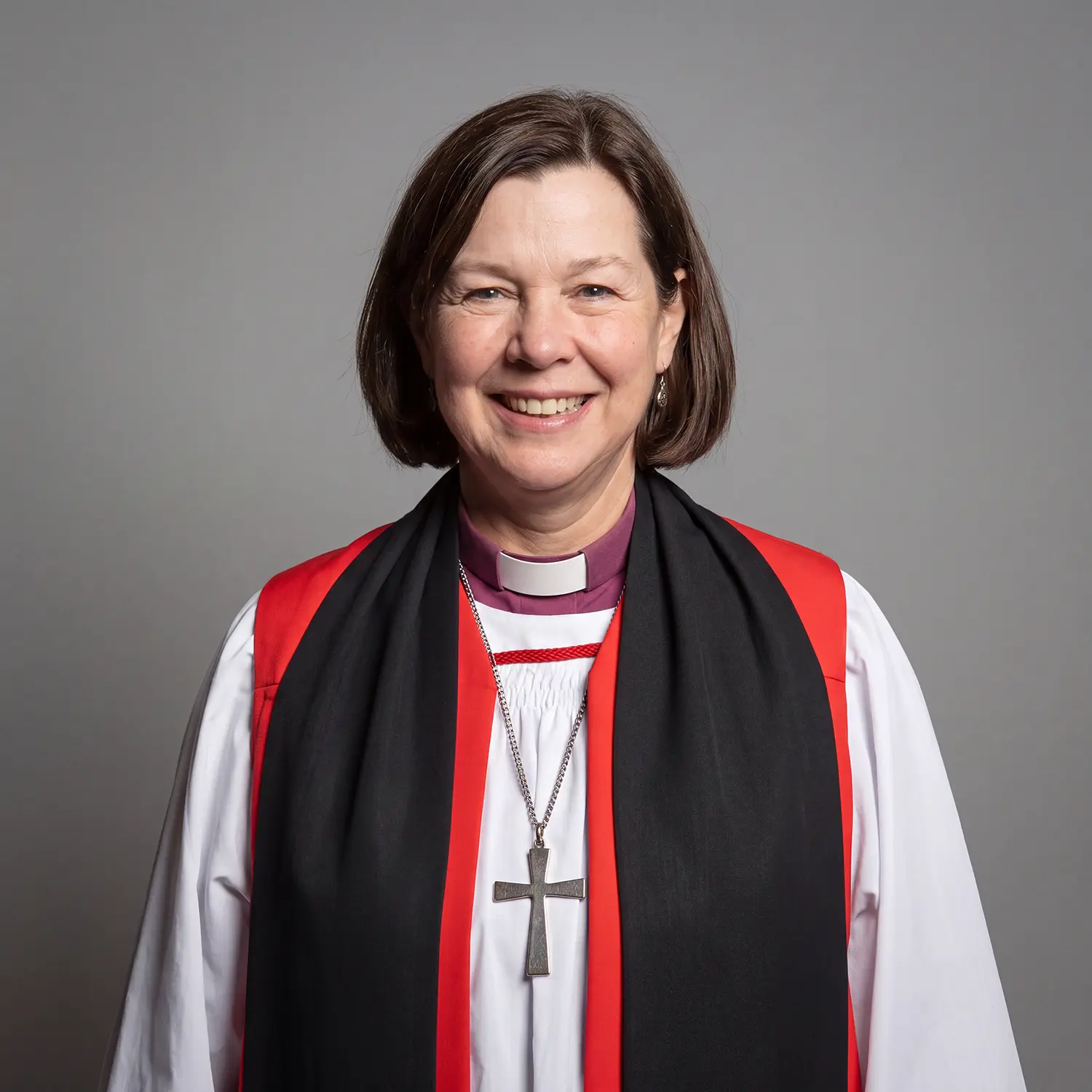
On 3 March 2024, the Right Reverend Debbie Sellin was installed as the 39th Bishop of Peterborough and the first woman to hold the office. 9
That makes the setting particularly powerful.
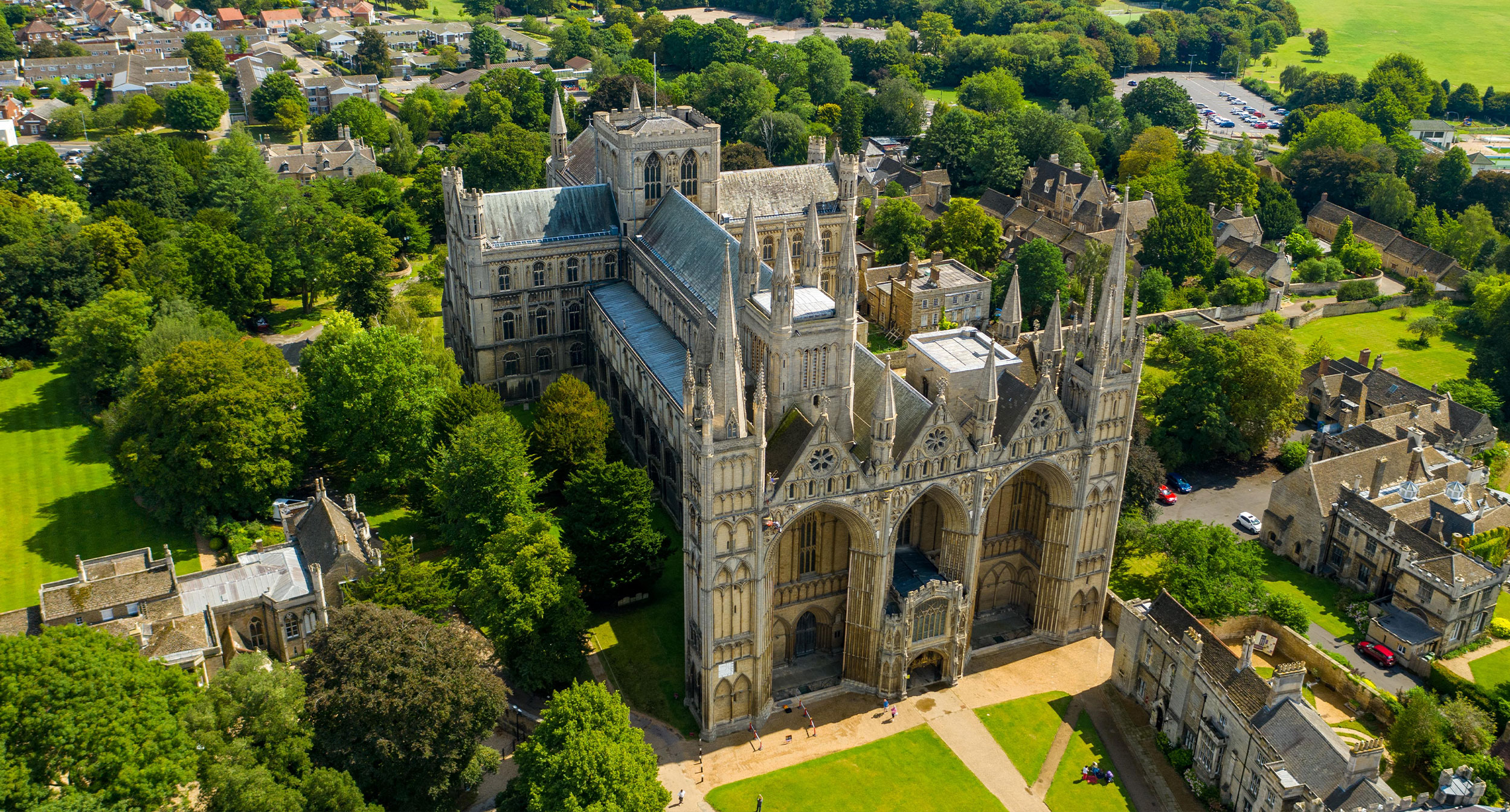
The Cathedral precinct in which medieval Peterborough produced the Chronicle containing scæ is now the seat of a woman bishop.
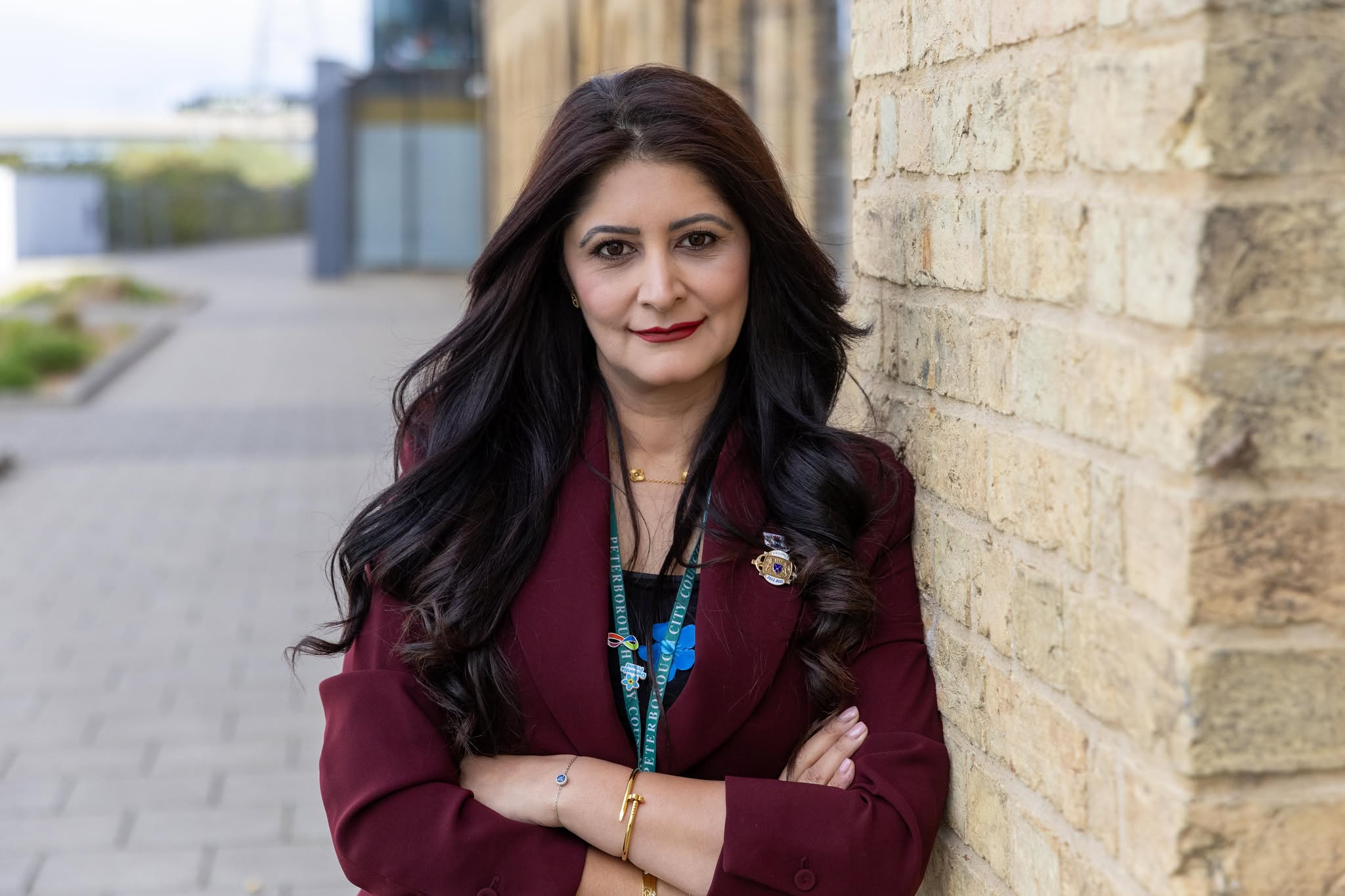
Shabina Qayyum
When councillors elected Dr Shabina Qayyum Leader of Peterborough City Council on 12 September 2025, two different pieces of city history met in one appointment.
She became the first woman to lead Peterborough City Council in 26 years, following the previous female council leader in 1999. 10
She also became Peterborough’s first Muslim woman council leader.
Qayyum publicly identifies herself as a Muslim woman and has spoken about the barriers faced by women from minority backgrounds in politics, as well as the anti-Muslim and racist abuse she has experienced in public life. 11
Peterborough had reached an earlier Muslim civic milestone in 1996 when Ayub Choudhary became the city’s first Muslim Mayor. 12
The distinction matters. The Mayor is the city’s civic figurehead. The Leader heads the political administration of the council.
Qayyum’s election therefore placed a Muslim woman at the head of Peterborough’s political decision-making for the first time.
And the 26-year gap since the previous female leader tells another story.
A door can open once and still take a generation to open again.
The important thing is what happens second.
There is a danger in telling women’s history entirely through “first women”.
A first can sound like the end of a story.
Usually it is the beginning.
Lily Violet Bryant becoming Peterborough’s first woman councillor matters because women subsequently stopped being unimaginable in the council chamber.
Marjorie Pollard’s microphone matters because women now report, present, analyse and commentate throughout British sport.
Daphne Jackson’s professorship matters because she understood that being the exceptional woman was not enough. She actively created a route for others to return to science.
Debbie Sellin’s installation matters not simply because number 39 was a woman, but because the sex of a diocesan bishop no longer has to be predetermined by the office itself.
And Shabina Qayyum’s leadership adds something more.
Representation is not only about women reaching positions once reserved for men. It is about widening the range of women who can see those positions and imagine themselves there too.
The 26-year gap between female council leaders is also a warning against treating progress as automatic.
A first matters most when it makes the next woman less surprising.
The point of being first is not to remain exceptional. It is to make the second, the tenth and the hundredth less extraordinary.
The doors they left open
Discover Peterborough through its women.
These stories sit inside a much bigger history of people, manuscripts, institutions and places. Follow the connections across Discover Peterborough.
The Peterborough Chronicle
Explore the manuscript that recorded medieval England and captured the English language changing on the page.
Read the Chronicle story → PeoplePeterborough People
Meet remarkable lives connected with the city through science, politics, sport, culture, writing and public life.
Meet the people → HistoryPeterborough History
Put these lives into the much longer story of Peterborough, from Medeshamstede to the modern city.
Explore the history → The settingPeterborough Cathedral
Follow medieval writers, queens, reformers and bishops through more than thirteen centuries of Cathedral history.
Enter the Cathedral story → QueensPeterborough’s Two Queens
Follow Katharine of Aragon and Mary, Queen of Scots through the Cathedral in which both were once buried.
Meet the two queens → Another Peterborough storyThe City That Looked Harder
Discover another recurring local characteristic through Clare, Leeds and Alcock.
Read the story →It would be far too neat to pretend that the appearance of one medieval pronoun somehow caused everything that followed.
History does not work like that.
Katharine, Saunders, Gibson, Bryant, Pollard, Jackson, Sellin and Qayyum lived in different centuries, faced different barriers and had very different relationships with Peterborough.
But place stories sometimes reveal themselves through echoes.
A Peterborough scribe gave us the earliest recorded scæ.
“She was a good woman.”
Eight centuries later, the city has accumulated a remarkable collection of other sentences that once seemed impossible.
She is the councillor.
She is the mayor.
She is the commentator.
She is the professor.
She is the bishop.
She is the Muslim woman leading the council.
Peterborough wrote “she” down early. Its women have been writing themselves into history ever since.
Research sources
This feature draws on academic linguistic research, university archives, medical history, civic records, parliamentary sources, diocesan information and official council material. Discover Peterborough pages are linked for further exploration but are not used as research evidence below.
- Margaret Laing and Roger Lass, University of Edinburgh, On Middle English she, sho: A Refurbished Narrative . Identifies scæ in the Final Continuation of the Peterborough Chronicle as the earliest recorded example of the “sh” type leading towards modern she.
- JSTOR Daily, Catherine of Aragon: Europe’s First Female Ambassador .
- Martyn Thomas, Journal of Medical Biography, Florence Matilda Saunders: Pioneer of district nursing in the City of Peterborough .
- Peterborough Civic Society, Laurel Court, Edith Cavell and Margaret Gibson .
- Peterborough Local History Society, Peterborough’s First Lady Mayor , on Lily Violet Bryant.
- Peterborough County School for Girls archive, Hall of Fame: Marjorie Pollard .
- University of Surrey, The Life and Legacy of Professor Daphne Jackson . Jackson became the UK’s first female Professor of Physics in 1971.
- UK Parliament, Parliamentary career of Helen Clark .
- Diocese of Peterborough, The Bishop of Peterborough . Debbie Sellin became the first woman Bishop of Peterborough in 2024.
- Peterborough City Council, Councillor Shabina Qayyum appointed Leader , 12 September 2025. The Council records her as the first woman to hold the leadership in 26 years.
- Peterborough City Council, Leader Shabina Qayyum’s column, 20 March 2026 , in which Qayyum discusses her identity as a Muslim woman and her experience of anti-Muslim and racist abuse.
- The Inter Faith Network for the UK, Britain’s Faith Communities: Equal Citizens? . The 1996 record identifies Councillor Ayub Choudhary as Peterborough’s first Muslim Mayor.