

Discover Peterborough
Peterborough's
Brick Industry
From the clay beneath Fletton came one of Britain's most familiar building materials. Discover how Peterborough's brickworks transformed the landscape, employed generations of workers and sent millions of Fletton bricks out to help build homes across the country.
Industrial Peterborough
The story beneath our feet
The clay that helped build Britain.
The story begins long before there were factories, railways or chimneys.
Beneath Fletton and the land south and east of Peterborough lies Oxford Clay, deposited beneath Jurassic seas around 150 million years ago.
Particular layers of the Lower Oxford Clay contain carbonaceous material. When the clay was fired, some of that material acted as fuel inside the brick, reducing the amount of additional fuel needed during manufacture.
Combined with mechanised production and Peterborough's superb railway connections, this gave local brickmakers an enormous advantage.
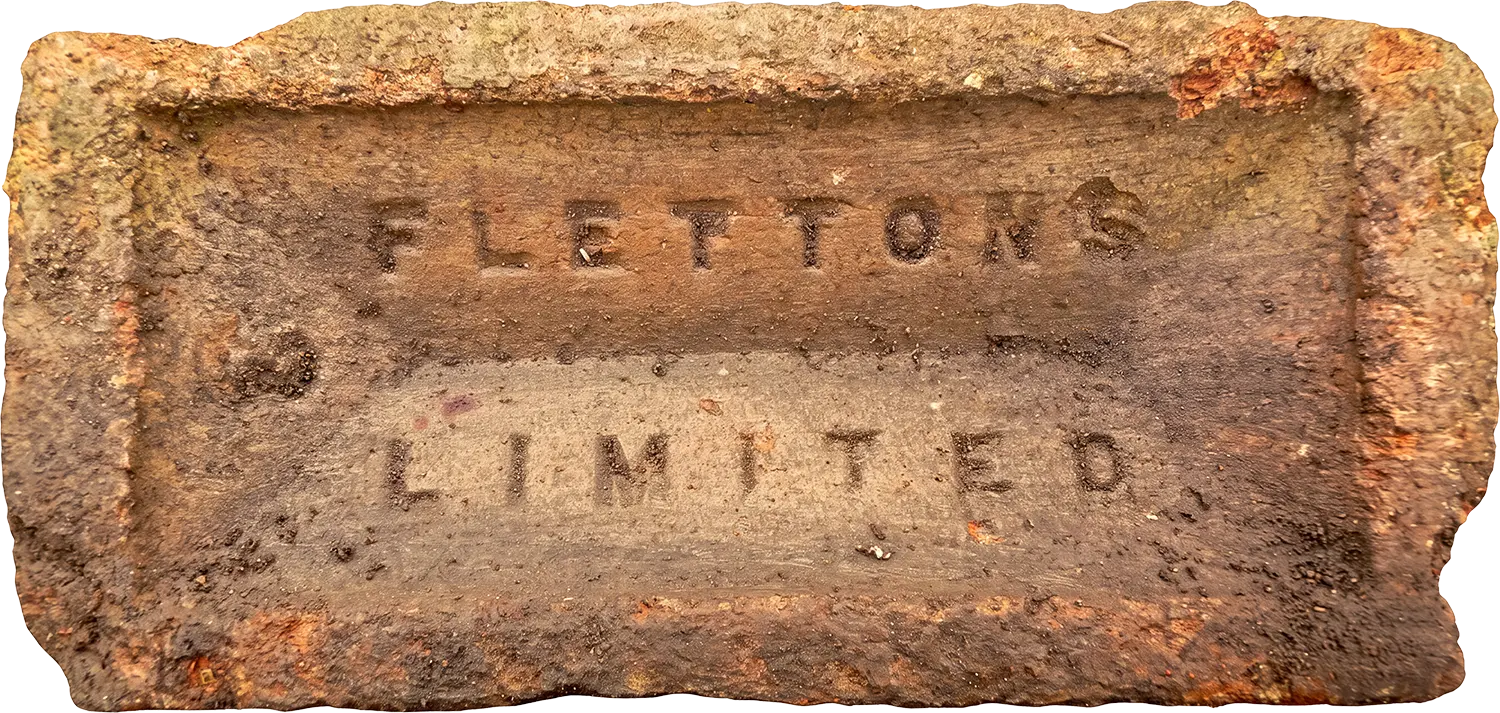
Fletton became more than the name of a Peterborough village. It became the name of a brick.
The Fletton Brick
A Peterborough name carried nationwide
This is the name that travelled.
The word Fletton became a recognised term in British brickmaking.
The unusual clay beneath this part of Peterborough could be manufactured economically and on a vast scale. As demand for housing grew, Fletton bricks became a familiar part of Britain's expanding towns and suburbs.
Peterborough clay left the area by the million and became part of houses, factories, schools and streets across the country.
The brick therefore carried something unusual: not simply a company name or trade mark, but the name of a place in Peterborough.
Older than the industry
The Oxford Clay beneath Peterborough was formed millions of years before the first brickworks appeared. Industrial extraction would eventually expose one of Britain's richest Jurassic fossil landscapes.
Discover the Jurassic connection →From clay to mass production
Brickmaking began at Fletton Lodge in 1877. Within only a few years, deeper clay, mechanised pressing and efficient firing were transforming a local industry into an operation of national importance.
Follow the rise of the industry →The people behind the bricks
Thousands of people worked in the pits, factories, kilns, engineering shops, railway sidings and transport operations. Brickmaking became part of the social history of communities across southern and eastern Peterborough.
Explore the human story →A landscape transformed twice
Clay extraction altered enormous areas around Peterborough. When many workings later closed, the pits became lakes, wildlife habitats, development land and entirely new parts of the city.
Discover the landscape today →London Brick Company
From Fletton to a national industry
A Peterborough story on an extraordinary scale.
What began around Fletton developed into one of Britain's great brickmaking enterprises.
The London Brick Company became inseparable from the Fletton process and from the vast brickmaking landscape around Peterborough and neighbouring Whittlesey.
Its products were dispatched nationwide, taking the Fletton name far beyond Peterborough.
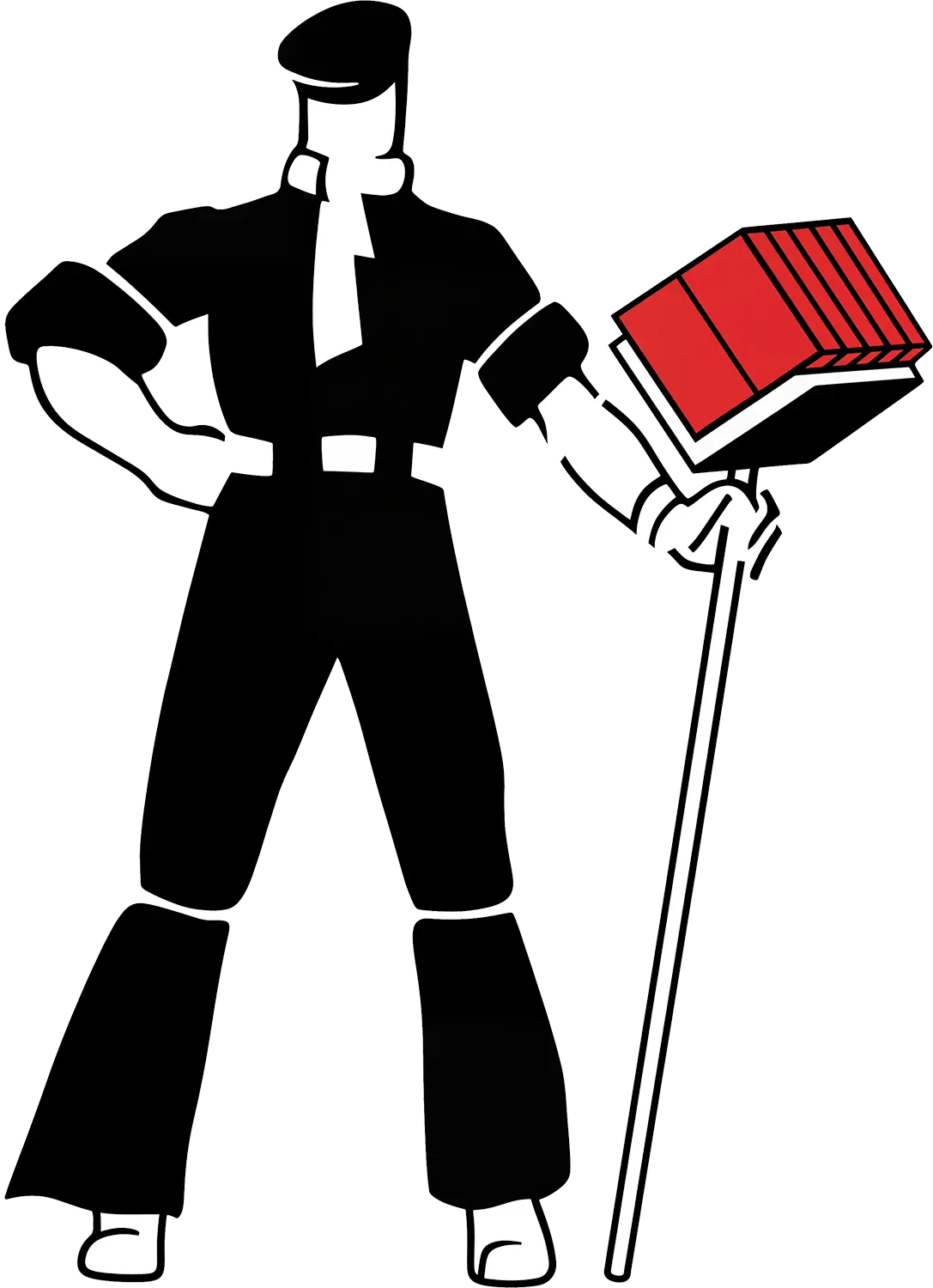
Historic London Brick Company identity
The Brick Age
From fields to furnaces
How the industry grew.
In only a few decades, the flat landscape around Peterborough changed dramatically.
Brickmaking begins at Fletton Lodge
James McCallum Craig acquires Fletton Lodge and brick manufacture begins on the site.
The deeper clay changes everything
Manufacturers begin exploiting the Lower Oxford Clay using a semi-dry process. Its unusual properties make large-scale, economical production possible.
Phorpres House
The building later known as Phorpres House is constructed as offices associated with the growing brick industry. Its later name recalls London Brick's famous Phorpres identity.
Expansion and consolidation
London Brick and B. J. Forder & Sons combine, further increasing the scale of an industry already supplying enormous quantities of bricks.
Fletton reaches Britain's suburbs
The great inter-war housebuilding boom creates extraordinary demand. Peterborough's brick industry becomes part of the physical growth of towns and cities far beyond the area.
A workforce from across Europe
Post-war labour demand brings workers from overseas into the local brick industry, including significant numbers of Italian men who settle in the Peterborough area.
King's Dyke opens
A new works at King's Dyke near Whittlesey continues the Fletton tradition with increasing automation and more efficient production.
The legacy remains
Much of Peterborough's historic brickmaking landscape has vanished or changed use, but its products remain embedded in Britain's built environment.
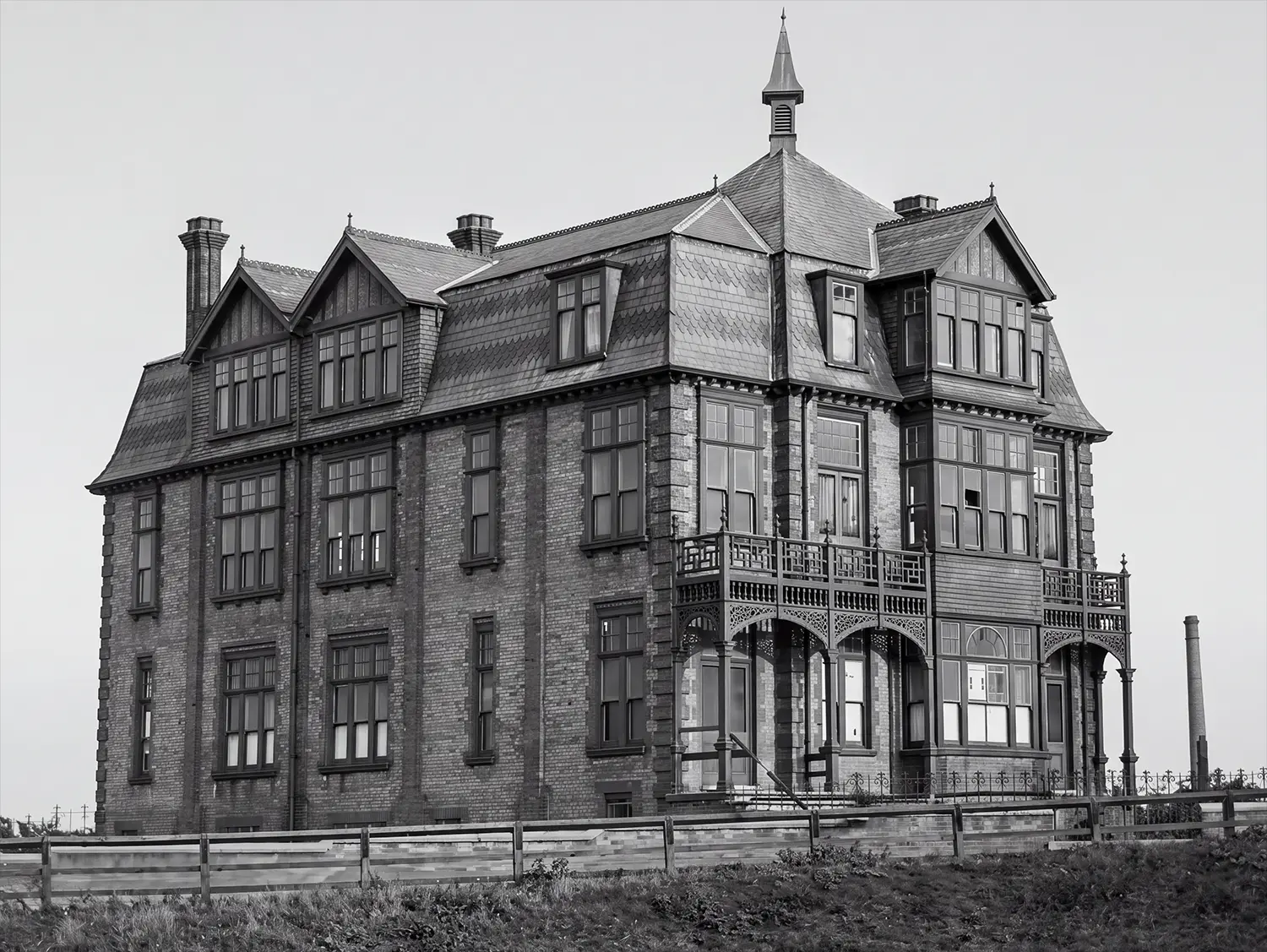
A Surviving Landmark
Phorpres House
When an industrial name became part of the city.
Not everything connected with Peterborough's brick industry disappeared beneath redevelopment.
Phorpres House is one of the most distinctive surviving buildings associated with the city's brickmaking heritage.
The name itself became closely associated with London Brick. Phorpres was derived from the company's four-press manufacturing process and appeared prominently in its branding.
Discover the Phorpres House blue plaque ↗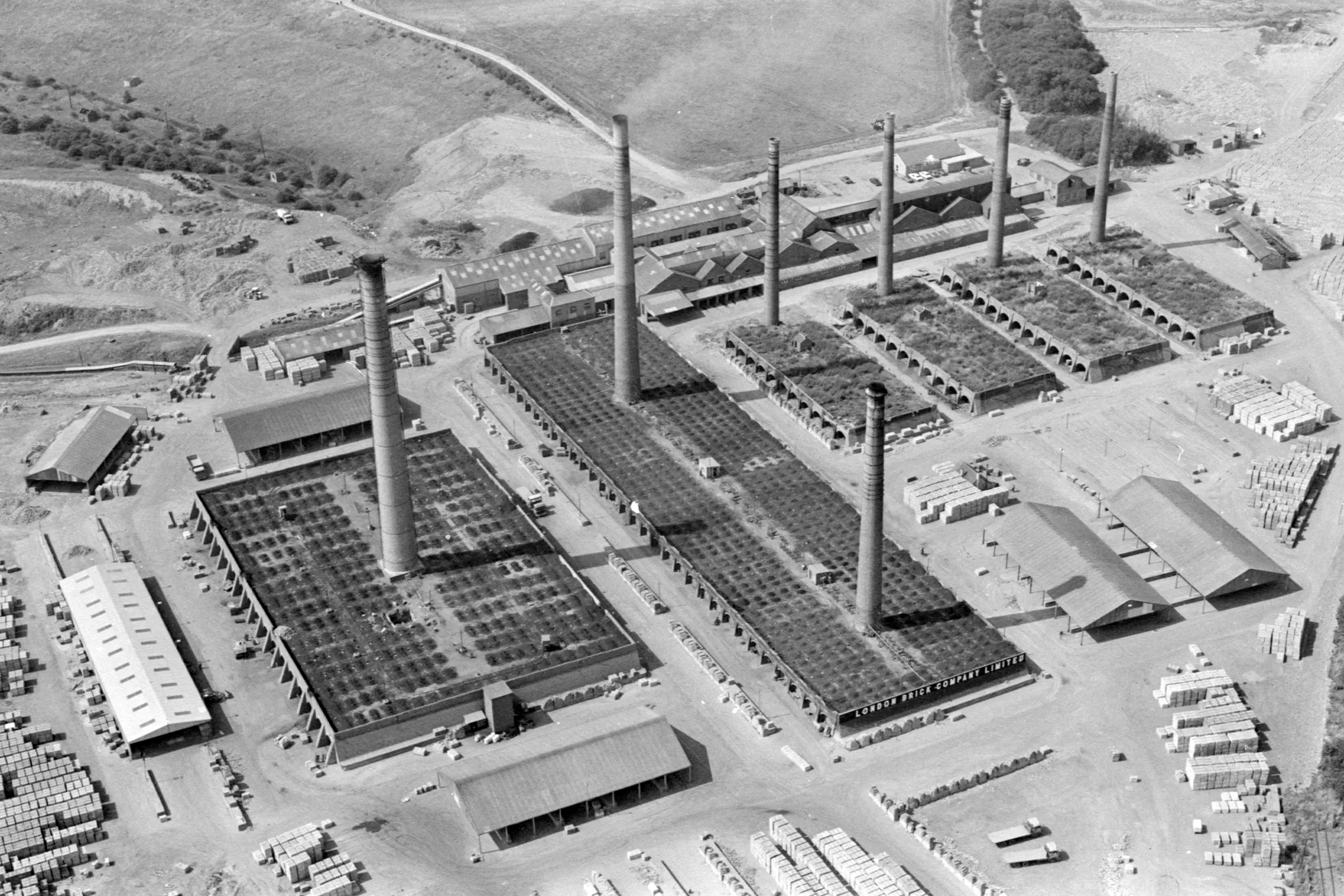
An Industrial Landscape
The scale is difficult to imagine today
Pits below. Chimneys above.
Brickmaking did not simply occupy a factory. It remade the landscape.
Vast areas of clay were excavated. Kilns stretched across enormous sites. Chimneys dominated the horizon. Private industrial railways, sidings, machinery, workshops and mountains of finished bricks covered land that had once been fields.
Fletton, Woodston, Dogsthorpe, Eye, Yaxley and the wider clay belt towards Whittlesey became part of one interconnected industrial geography.
People & Industry
The workers behind the bricks
The brickfields built communities too.
Industrial history is also human history.
Brickmaking was physical, continuous work. Clay had to be dug, moved and processed. Machinery needed to run. Kilns had to be tended. Finished bricks needed to be stacked, loaded and dispatched.
The industry shaped everyday life in communities around the brickworks and became an important source of employment for generations of local families.
After the Second World War, labour shortages also brought workers from overseas. Italian recruits were among those who came to work in the brick industry and later became part of Peterborough's changing social and cultural life.
Beneath the Brickworks
An even older Peterborough
The pits uncovered a vanished sea.
The clay that supplied modern Britain also preserved creatures from Jurassic Peterborough.
Quarrying exposed layer after layer of Oxford Clay. Within it were the remains of marine reptiles, fish and other animals that had lived in the warm seas covering this area around 150 million years ago.
Industrial extraction therefore created an unexpected scientific opportunity. Fossils previously hidden deep underground could suddenly be collected and studied.
One of the people who recognised their importance was Alfred Nicholson Leeds. His remarkable collections from Peterborough's brick pits helped transform scientific understanding of Jurassic marine life.
After the Brickworks
The landscape changes again
The pits did not disappear.
When extraction stopped, the industrial landscape began another transformation.
Water filled many abandoned workings. Vegetation colonised disturbed ground. Wildlife moved into pits, ponds, ridges and spaces once dominated by machinery.
Elsewhere, former industrial land became development land. Houses, businesses and roads now occupy parts of the landscape previously excavated for clay.
Nature
Hampton Nature Reserve
Former clay workings created an extraordinary network of ponds, ridges and wetland habitat within modern Hampton.
Explore Hampton Nature Reserve ↗Nature & geology
Dogsthorpe Star Pit
A former brick-clay quarry became an important wildlife site, preserving both industrial history and Peterborough's underlying geology.
Discover Star Pit ↗Regeneration
The city above the clay
Former brickworking land has been reclaimed for homes, businesses, roads and green space. Parts of modern Peterborough now stand within landscapes created by the industry.
The Legacy
Peterborough's clay helped build Britain.
Fletton bricks made here were used in millions of homes across the country.
That is the clearest measure of the industry's importance. Peterborough's brickworks did not simply shape the city around them. Their products became part of the physical fabric of Britain.
The great chimneys have mostly disappeared, but the legacy remains in Britain's houses and streets, in Peterborough's communities, in surviving industrial landmarks and in the lakes and nature reserves created from former clay pits.
Go Deeper
Keep exploring
Follow the brick story further.
Alfred Nicholson Leeds
Meet the fossil collector whose discoveries came from Peterborough's clay pits.
Discover his story → 02 Local archiveHistoric Fletton
Explore photographs of the community at the centre of Peterborough's brickmaking story.
Browse the archive ↗ 03 Industrial heritagePhorpres House
Discover one of the most distinctive surviving physical links with the city's brick industry.
Discover the blue plaque ↗ 04 Industry heritageLondon Brick
Follow the company's history from Fletton Lodge through the expansion of one of Britain's great brickmaking businesses.
Explore the history ↗Discover Peterborough
One industry. One chapter in a much bigger story.
From Jurassic seas and prehistoric settlements to medieval monasteries, railways, engineering and the making of the modern city, Peterborough's history is written into its landscape.
Explore Peterborough History →