
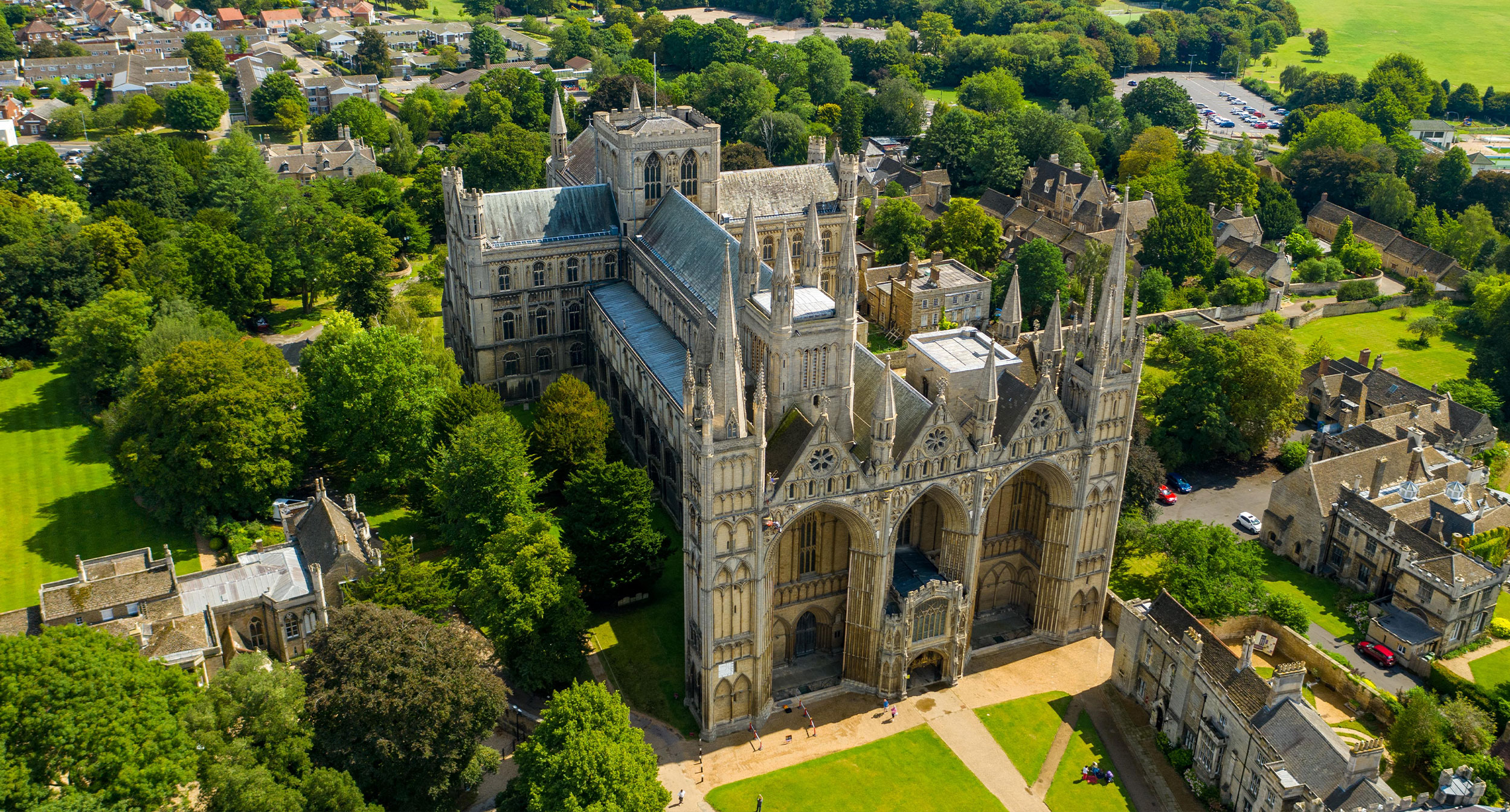

£700,000 for Flag Fen: Saving What the Water Preserved
For around 3,500 years, waterlogged peat protected one of Britain's most remarkable Bronze Age monuments. Now the conditions that kept its timbers alive are changing. New funding of almost £700,000 will allow archaeologists to investigate one of Flag Fen's most vulnerable areas before irreplaceable evidence is lost.
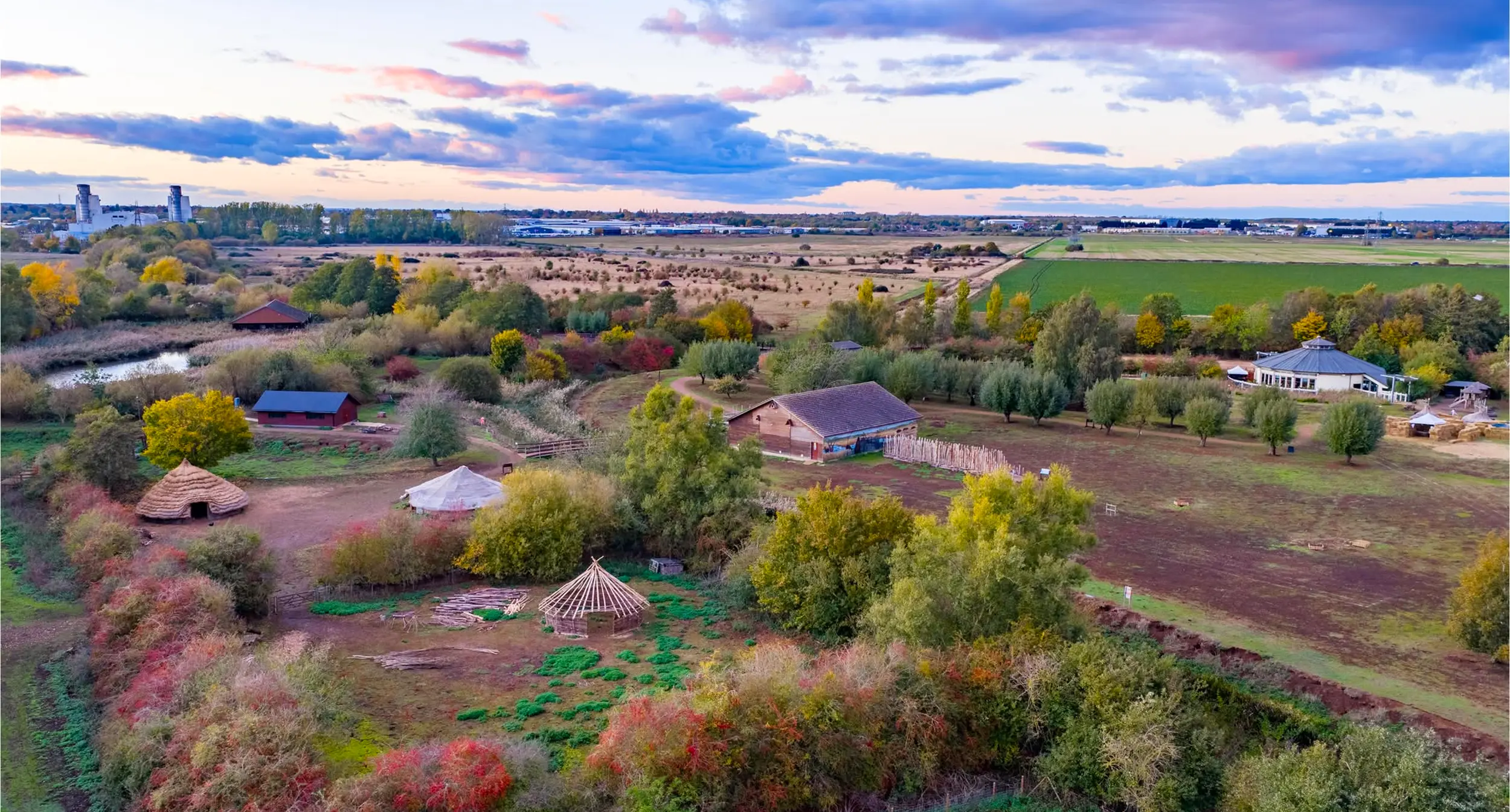
A grant of almost £700,000 sounds like a story about money. At Flag Fen, it is really a story about time.
Beneath the low landscape east of Peterborough lies an archaeological archive unlike almost anything else in Britain. Bronze Age communities drove thousands of timbers into the fen, constructing and repeatedly rebuilding a monumental route across a watery landscape between Fengate and Northey. Around it they left metalwork, pottery, animal remains and traces of activity whose meaning archaeologists are still trying to understand.
Much of it survived for one deceptively simple reason: it stayed wet.
Waterlogged peat restricted the oxygen needed for normal decay, protecting wooden posts, structural timbers and environmental evidence that would usually have vanished thousands of years ago. At Flag Fen, archaeologists have not simply encountered the stains left by prehistoric wood. They have encountered the wood itself.
That extraordinary preservation is now becoming the problem.
Falling groundwater and changing conditions within the fen are allowing oxygen into deposits that once remained saturated. Historic England has warned that organic archaeology is deteriorating, while the western part of the great timber alignment has been identified as particularly vulnerable.
The newly confirmed funding will allow archaeologists to investigate that threatened archaeology in detail, recording information while it can still be recovered and using modern scientific techniques to ask questions that earlier generations of excavators could not.
It is not simply another excavation. It is an attempt to save the knowledge contained within the site.
The real prize is not necessarily a spectacular object. It is the evidence contained in the monument itself: dates, tool marks, tree species, environmental remains and patterns of construction that can reveal how Bronze Age people understood this landscape.
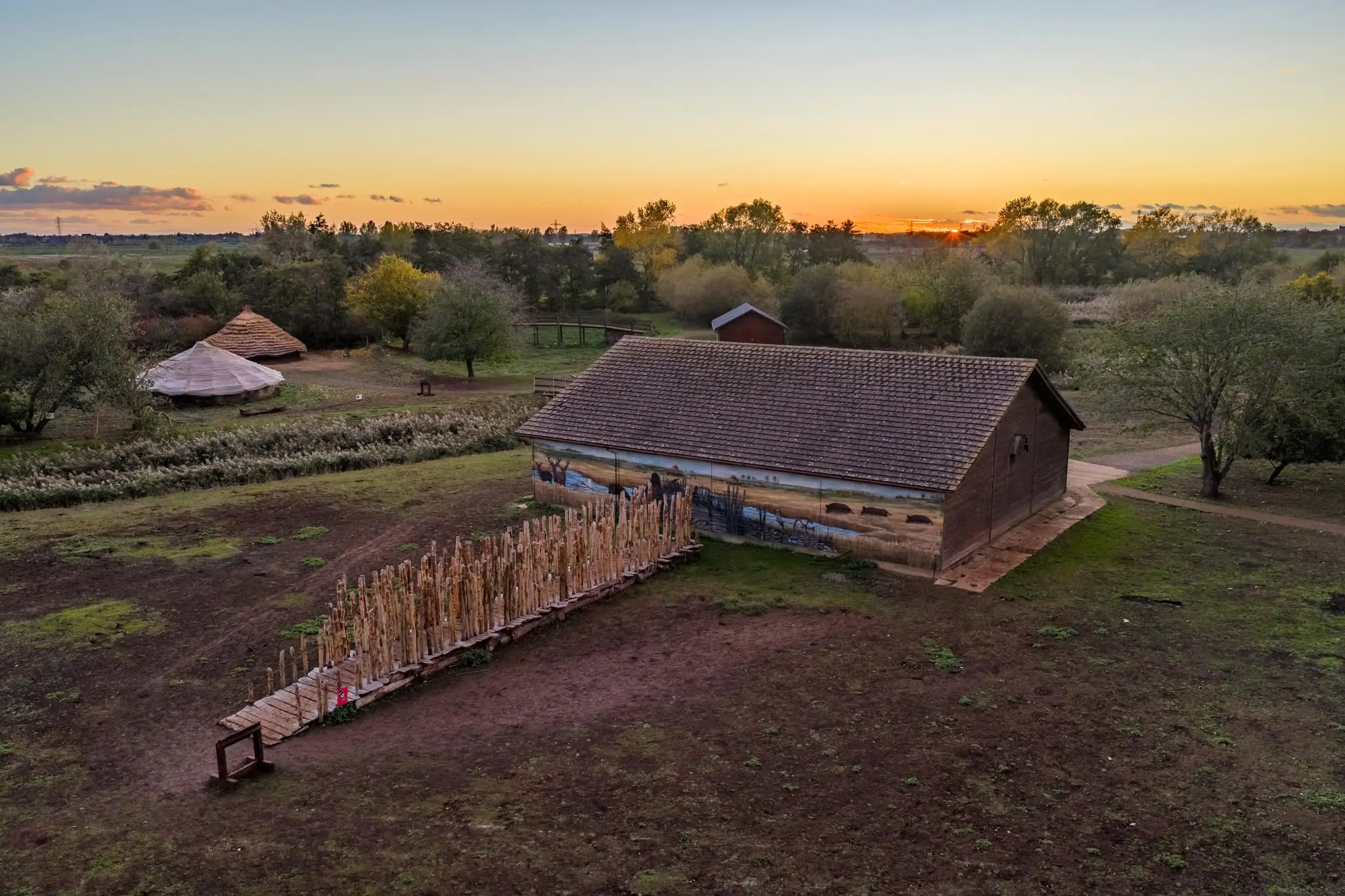
What exactly is Flag Fen?
Even the familiar description of Flag Fen as a "Bronze Age causeway and platform" barely captures the scale or strangeness of what archaeologists found.
From the second millennium BC, communities living around the margins of the basin began building across the wetland. Thousands of timbers created a route stretching for more than a kilometre, connecting higher ground around Fengate with Northey on the opposite side.
The structure was not completed once and abandoned. It was repaired, extended and reorganised over generations, suggesting that whatever happened here continued to matter.
Near its eastern end, the density of timber became extraordinary. Around this area archaeologists discovered objects deliberately placed into the wet ground, including metalwork that appears in some cases to have been intentionally damaged before deposition.
Was Flag Fen principally a route through dangerous wet ground, a gathering place, a boundary, a place of ritual deposition, or something whose purpose changed over centuries?
Its importance lies partly in the fact that it still resists one easy explanation.
Deep dive Flag Fen: Peterborough's Extraordinary Bronze Age Landscape Explore the timber alignment, platform, metalwork, chronology and unanswered questions in detail. →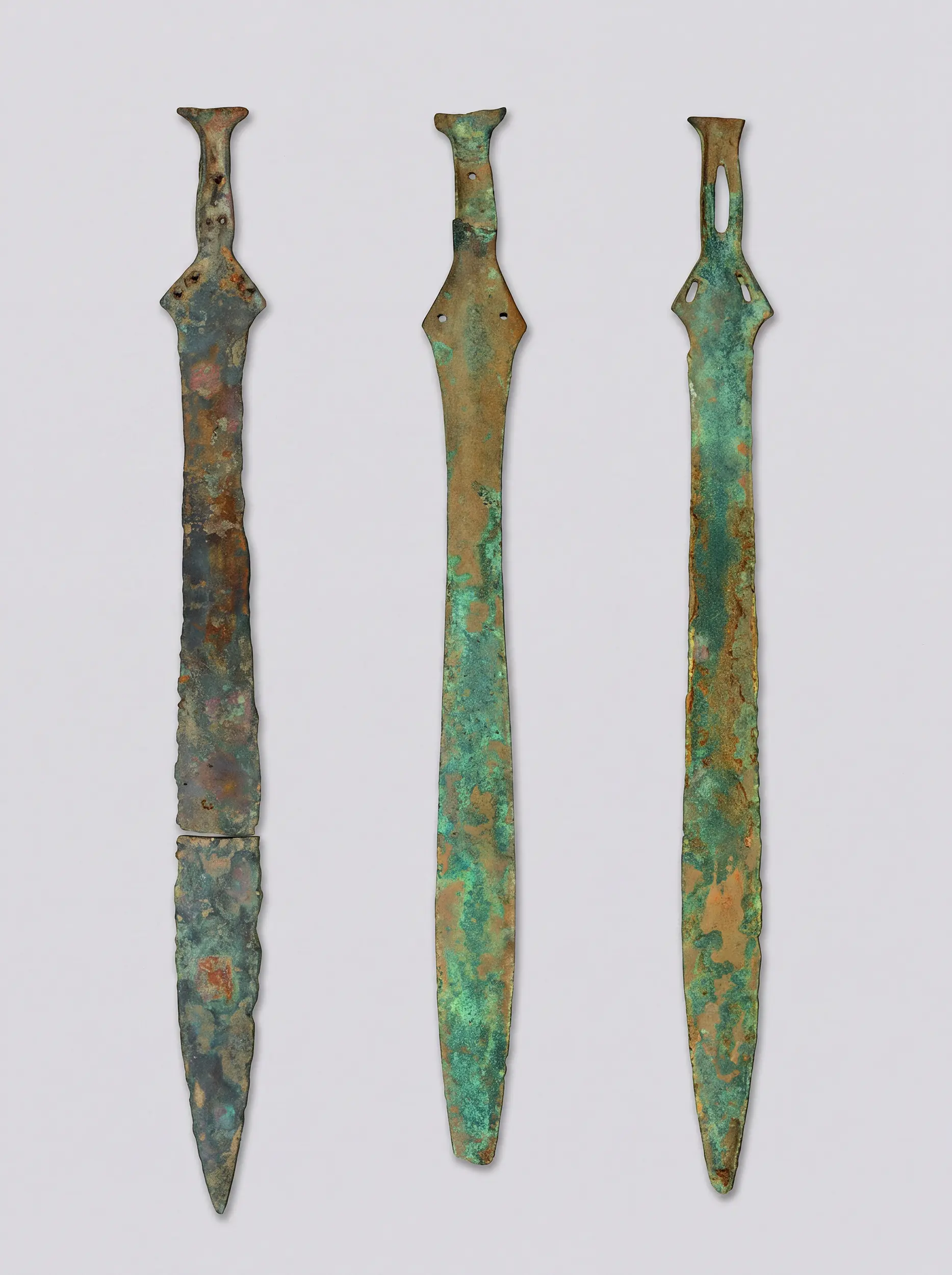
What people gave to the water.
Flag Fen was not simply somewhere people crossed. The objects placed around its timber structures suggest that the wetland carried meanings we can only partly reconstruct.
Bronze Age metalwork represented considerable skill, labour and value. Yet objects including weapons and tools were deposited around the monument, apparently deliberately, rather than simply lost through everyday use.
Some appear to have been damaged before they entered the water. That detail matters. Breaking a valuable object before placing it beyond recovery looks very different from accidentally dropping something beside a walkway.
Archaeologists therefore have to ask questions that cannot be answered by engineering alone. Was depositing bronze a gift? A ritual act? A way of marking particular moments, places or relationships? Did the water itself matter?
The attraction of Flag Fen is that the monument brings practical and symbolic behaviour together. People clearly needed to move across this difficult landscape, but they also returned to it, rebuilt within it and placed valuable things into it.
The line between route, monument and sacred landscape may have been far less clear to them than it is to us.
A sword can tell us about bronze-working and weapon technology. Where it was placed, how it was treated and what surrounded it can begin to tell us something about belief.
Water saved Flag Fen. Losing it threatens the archaeology.
The most remarkable thing about Flag Fen may not be that timber structures were built here, but that archaeologists can still examine the wood thousands of years later.
At most prehistoric sites, organic material disappears. Wood, plant matter, insects and other remains are gradually broken down until archaeologists are left with stone, pottery, metal and the ghostly stains of things that once existed.
Waterlogging changes the chemistry. With little oxygen available, the organisms responsible for decay work much more slowly. Timber can survive. So can microscopic environmental evidence capable of reconstructing the landscape around it.
That allows researchers at Flag Fen to ask unusually intimate questions. Which trees were chosen? How were they split? Which tools were used? Were particular woodworking traditions repeated? Was woodland being deliberately managed?
Yet the protection is conditional. Drainage across the surrounding Fens has lowered groundwater levels, and Historic England's research has found that surviving organic remains are under increasing pressure as deposits that once remained wet begin to dry.
The irony is uncomfortable. After surviving for thousands of years, part of Flag Fen may now be most vulnerable because the modern landscape above it no longer behaves like the landscape that preserved it.
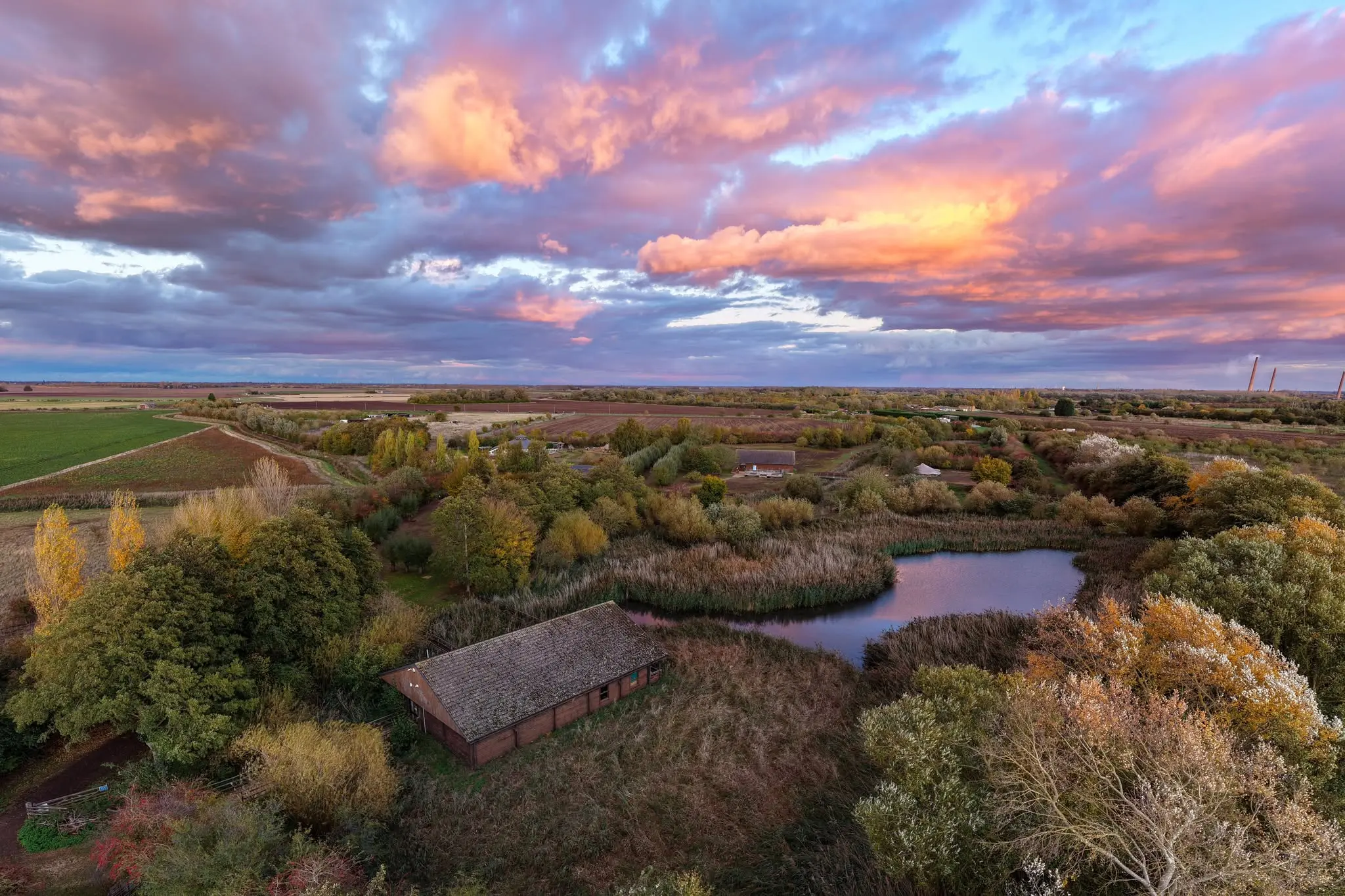
The urgency is not that we have suddenly discovered Flag Fen. It is that, after thousands of years of survival, we may be running out of time to understand parts of it.
Saving what the water preserved
What will the new investigation actually tell us?
The funding is not simply paying for soil to be removed. It is funding a detailed programme of archaeological and scientific work intended to capture evidence about construction, chronology, woodworking and the changing environment of the fen.
Establish the character and condition of the vulnerable western part of the great timber alignment.
Identify wood species, tool marks and construction techniques preserved within the surviving structure.
Scientific dating can help show when different elements were built, repaired and reorganised.
Environmental evidence can help reconstruct the fen in which Bronze Age people were living and moving.
New evidence may help refine the hardest question of all: what people were doing here and what Flag Fen meant to them.
Flag Fen is famous. Most of its story is still beneath our feet.
Its international reputation can make it feel as though archaeology has already extracted the story and moved on. The reality is almost the opposite.
The Flag Fen Futures programme notes that, despite dozens of archaeological interventions over four decades, only a small proportion of the monument has been explored in full detail.
Fundamental questions remain about the architecture, chronology and changing use of the site. How did the great timber structure evolve? Did routes through the fen change? Why were particular objects deposited into the wet ground? How did people respond as the environment itself changed?
That is why deterioration carries such a high cost. We may not simply lose more examples of something already understood. We may lose evidence capable of changing the interpretation.
Flag Fen Futures looks beyond a single excavation. Its longer-term ambition links archaeological research with conservation, education, public participation and a stronger visitor experience.
The opportunity is not merely to know more about Flag Fen, but to make one of Peterborough's greatest archaeological assets more visible to the people living around it.
Explore Flag Fen Futures →Flag Fen was discovered because Peterborough was changing.
There is a wonderful contradiction at the heart of the story. One of Peterborough's greatest prehistoric discoveries emerged partly because the twentieth-century city was expanding so fast.
New Town development from the late 1960s transformed Peterborough. Roads, housing and industry expanded across the city's edges, creating development pressure but also prompting major programmes of archaeological investigation.
At Fengate, archaeologists began uncovering something much larger than isolated prehistoric finds. Field systems, droveways and settlement revealed an organised Bronze Age landscape along the drier edge of the fen.
The search moved gradually further into the wetland. Then in 1982, waterlogged timbers encountered during investigation in the basin opened an entirely new chapter.
What appeared in a drainage ditch turned out to belong to a monumental timber structure extending across the fen.
Modern Peterborough was remaking its landscape and, in the process, discovering how radically another society had shaped the same place thousands of years before.
The connection between Peterborough's twentieth-century growth and its archaeological discoveries is one of the city's most fascinating historical collisions.
Discover Peterborough's New Town story →Then put Must Farm beside it.
Peterborough does not possess just one exceptional Bronze Age story. Flag Fen belongs to the same wider landscape as one of the most extraordinary prehistoric settlements ever excavated in Britain.
Flag Fen gives us evidence accumulated over generations. People built across the wetland, repaired the monument, returned to it and placed valuable objects around it over centuries.
At Must Farm, time seems almost to stop.
A settlement destroyed by fire collapsed into a watercourse and preserved something close to a single moment of Bronze Age life. Pots still contained food. Wooden containers survived. Textiles, tools and architectural timbers remained.
Archaeologists could begin reconstructing not simply what people owned, but how individual households organised their daily lives.
Flag Fen gives us landscape, monument and repeated activity. Must Farm gives us homes, possessions and catastrophe.
Together they make the Flag Fen basin one of the richest prehistoric landscapes anywhere in Britain.
Step inside a settlement where a catastrophic fire preserved the intimate details of domestic life almost three thousand years ago.
Explore Must Farm →This is archaeology you can walk into.
Flag Fen's importance does not end in scientific reports. Its power comes from being able to stand within the landscape where the archaeology belongs.
Reconstructed prehistoric buildings turn dimensions, post-holes and excavation plans back into something recognisably human. Timber, reed, clay and other natural materials become walls, roofs and inhabited space again.
The surrounding fen is equally important. This was not merely somewhere ancient people lived beside. Water shaped how they travelled, what they built and perhaps how they understood the landscape itself.
That makes the coming archaeological work especially exciting. New discoveries need not remain confined to specialist reports. They can feed directly into interpretation, education and the way visitors experience the site.
More people discovering Flag Fen may therefore be almost as important as archaeologists discovering more beneath it.
Plan your visit Flag Fen Archaeology Park Find visitor information and discover what to look for when you arrive. →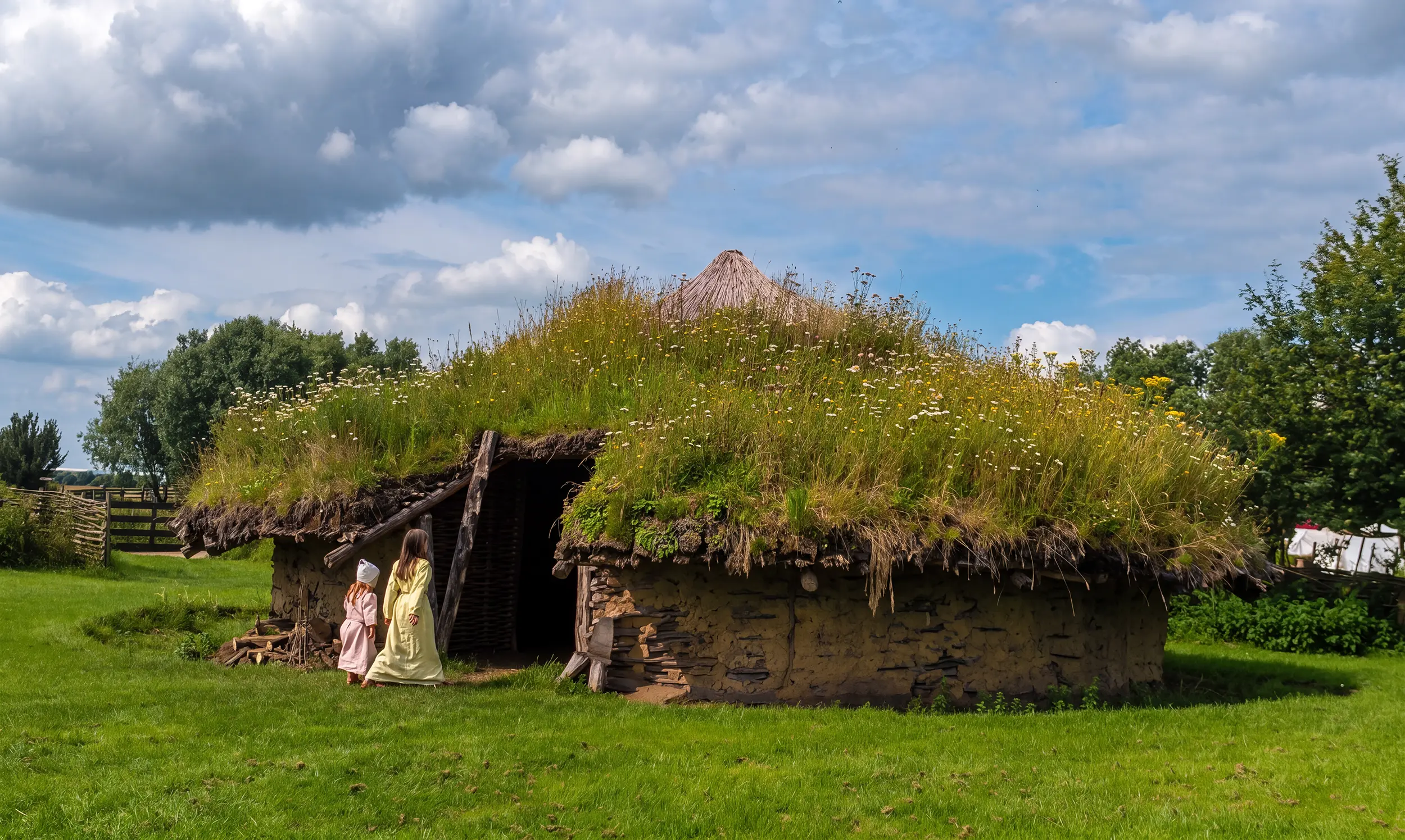
The next great Flag Fen discovery may still be beneath us.
It would be easy to treat Flag Fen as a completed discovery. The site entered archaeological history in the 1980s. Its extraordinary timber monument became internationally known. Generations of visitors have encountered the Bronze Age through the archaeology park.
But famous is not the same as understood.
Much of the monument remains unexcavated, and archaeology still beneath the fen contains forms of evidence that survive at very few prehistoric sites. Timber can preserve the decisions of individual craftspeople. Environmental samples can reconstruct the landscape around them. Scientific dating can show whether apparently connected structures were actually separated by decades or generations.
Each of those strands can alter how we understand the people who lived around prehistoric Peterborough.
Archaeology therefore faces a difficult choice. The ideal is often to leave remains safely preserved where they are, allowing future generations with better techniques to investigate them. But that only works while the ground itself remains a reliable conservator.
At vulnerable parts of Flag Fen, it no longer necessarily is.
That changes the purpose of excavation. Removing archaeological material becomes not destruction for the sake of curiosity, but a form of rescue: carefully converting fragile physical evidence into records, samples, scientific data and knowledge before natural decay removes the opportunity altogether.
Almost £700,000 therefore represents considerably more than a dig. It is an investment in one of Peterborough's most significant cultural assets and in our ability to keep asking questions of a landscape people first transformed more than three thousand years ago.
For thousands of years, the fen kept the evidence. Now Peterborough has the chance to hear more of what it has been preserving.
Go deeper into prehistoric Peterborough.
Flag Fen is one part of a much larger story of archaeology, landscape, discovery and modern Peterborough.
Peterborough's Bronze Age Landscape
Explore the causeway, platform, timber technology, deposition and unanswered archaeological questions.
Read the full story → VisitFlag Fen Archaeology Park
Discover what to see and why experiencing the landscape itself changes the way the archaeology makes sense.
Plan your visit → Must FarmBritain's Bronze Age Time Capsule
Step into an astonishing settlement where fire and water preserved the details of prehistoric domestic life.
Enter Must Farm → TimelinePeterborough History
Place Flag Fen within thousands of years of change, movement, settlement and reinvention.
Explore the timeline → New TownThe Plan That Remade the City
Discover how twentieth-century growth transformed Peterborough and helped drive archaeological investigation at its edges.
Enter the New Town story → CollectionsPeterborough Museum & Art Gallery
Continue through Peterborough's archaeology and the objects recovered from the wider landscape.
Explore the museum →Research sources
The archaeological context, preservation issues and wider significance of Flag Fen have been checked against Historic England's research, statutory heritage records and the Flag Fen Futures research and revitalisation programme.
- Historic England Research Report 66/2023 · detailed research into the survival, condition and preservation of archaeological remains at Flag Fen, including the effects of changing groundwater conditions.
- Historic England · National Heritage List for England · statutory designation and assessment of the significance, rarity, extent and survival of the Flag Fen prehistoric monument.
- Historic England · Heritage at Risk Register · current assessment of the condition and vulnerability of the scheduled monument.
- Flag Fen Futures · Strategic Programme, Research and Development Strategy · the long-term archaeological research and revitalisation strategy, including the scale of previous excavation, outstanding research questions and ambitions for public engagement.