

Mary, Queen of Scots Returns to Peterborough
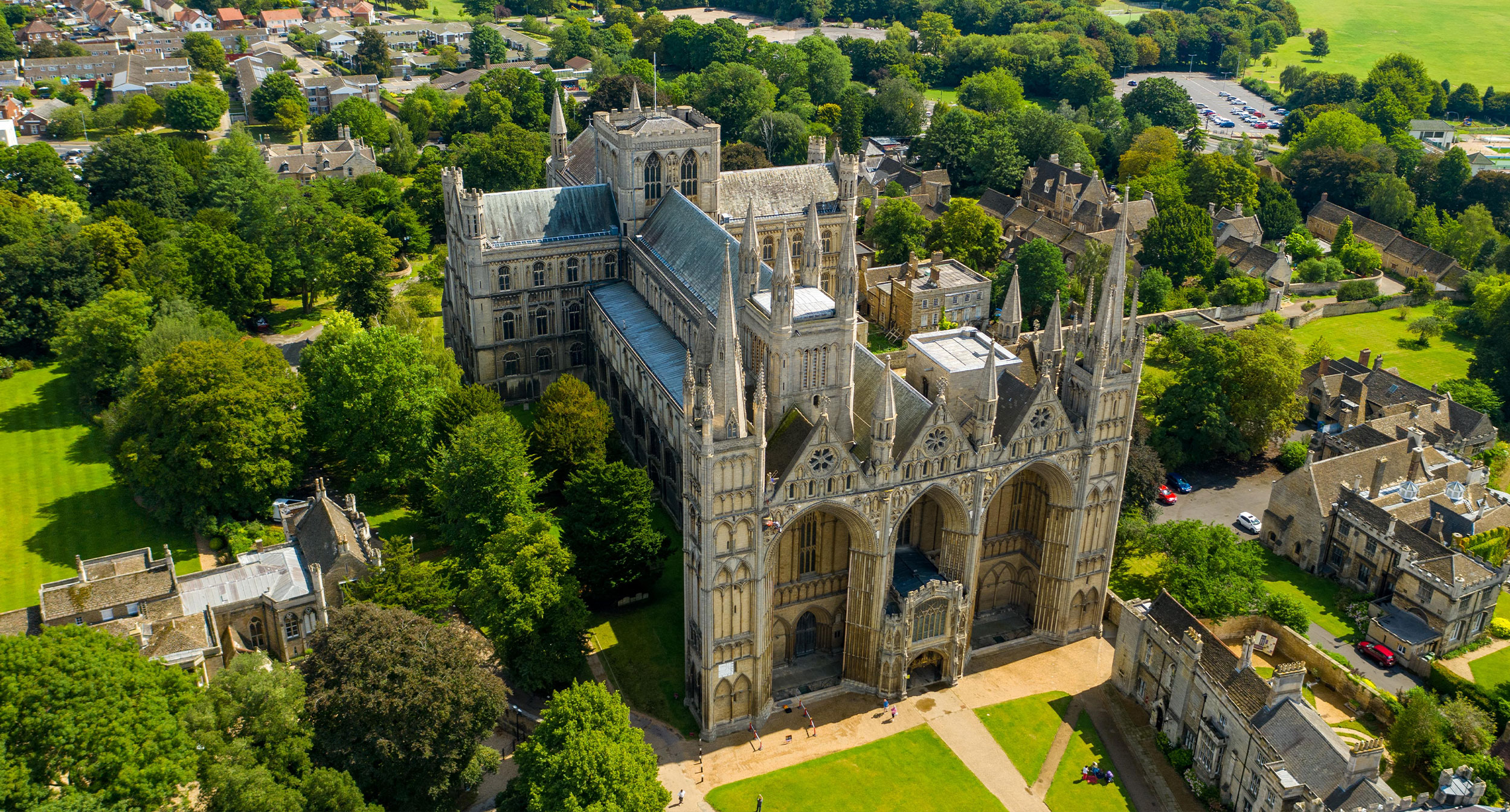
Four centuries after Mary Stuart left Peterborough for Westminster, her story returns to the Cathedral that first held her grave. From 21 September to 15 November, a major exhibition brings artefacts, immersive interpretation and one of history's most compelling royal lives into a place where the story is not simply remembered. It happened here.
Some exhibitions are placed inside historic buildings because the setting looks impressive. This one belongs in Peterborough Cathedral for a much more powerful reason.
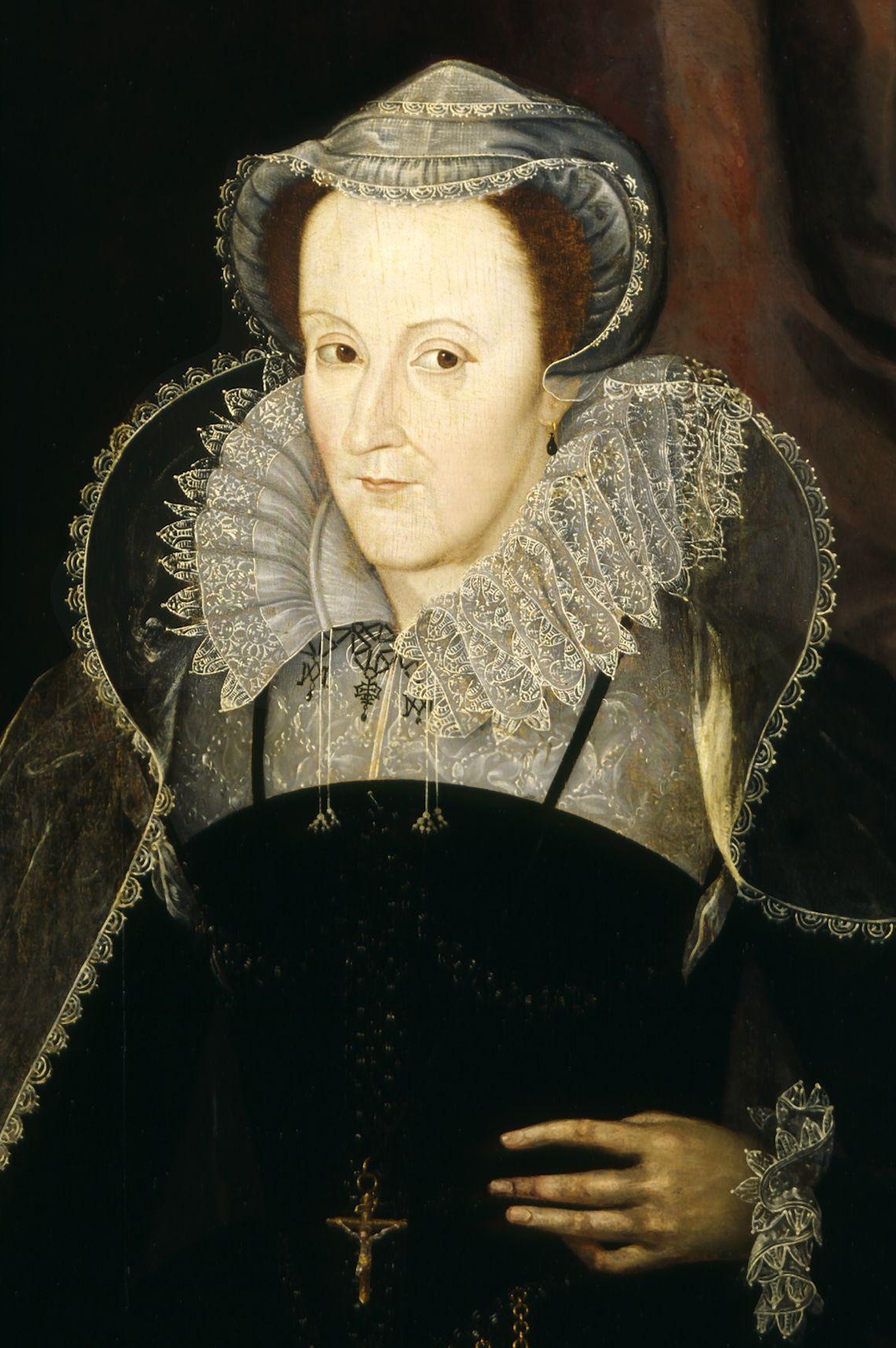
For twenty-five years, Mary, Queen of Scots lay beneath its stones.
Her body arrived from nearby Fotheringhay in the darkness of a summer night in 1587. Two days later, heralds, nobles, members of Mary's household and one hundred poor women dressed in mourning took part in an elaborate royal funeral inside the Cathedral.
Mary's coffin was lowered into the south side of the choir. Across the church already lay another queen, Katharine of Aragon .
Mary remained here until 1612, when her son James VI of Scotland and I of England ordered her remains transferred to Westminster Abbey. Her body left Peterborough, but her place in the city's story did not.
That is what makes Mary Queen of Scots: The Exhibition such an unusual experience. The displays tell the life of one of Europe's most famous queens, but when the exhibition ends the history keeps going. Mary's original burial place, Katharine's tomb and the memorial to the man associated with burying them both remain inside the same building.
The exhibition becomes part of a much larger encounter with Tudor Peterborough, from the Queen's former grave to Katharine of Aragon and the remarkable Robert "Old Scarlett".
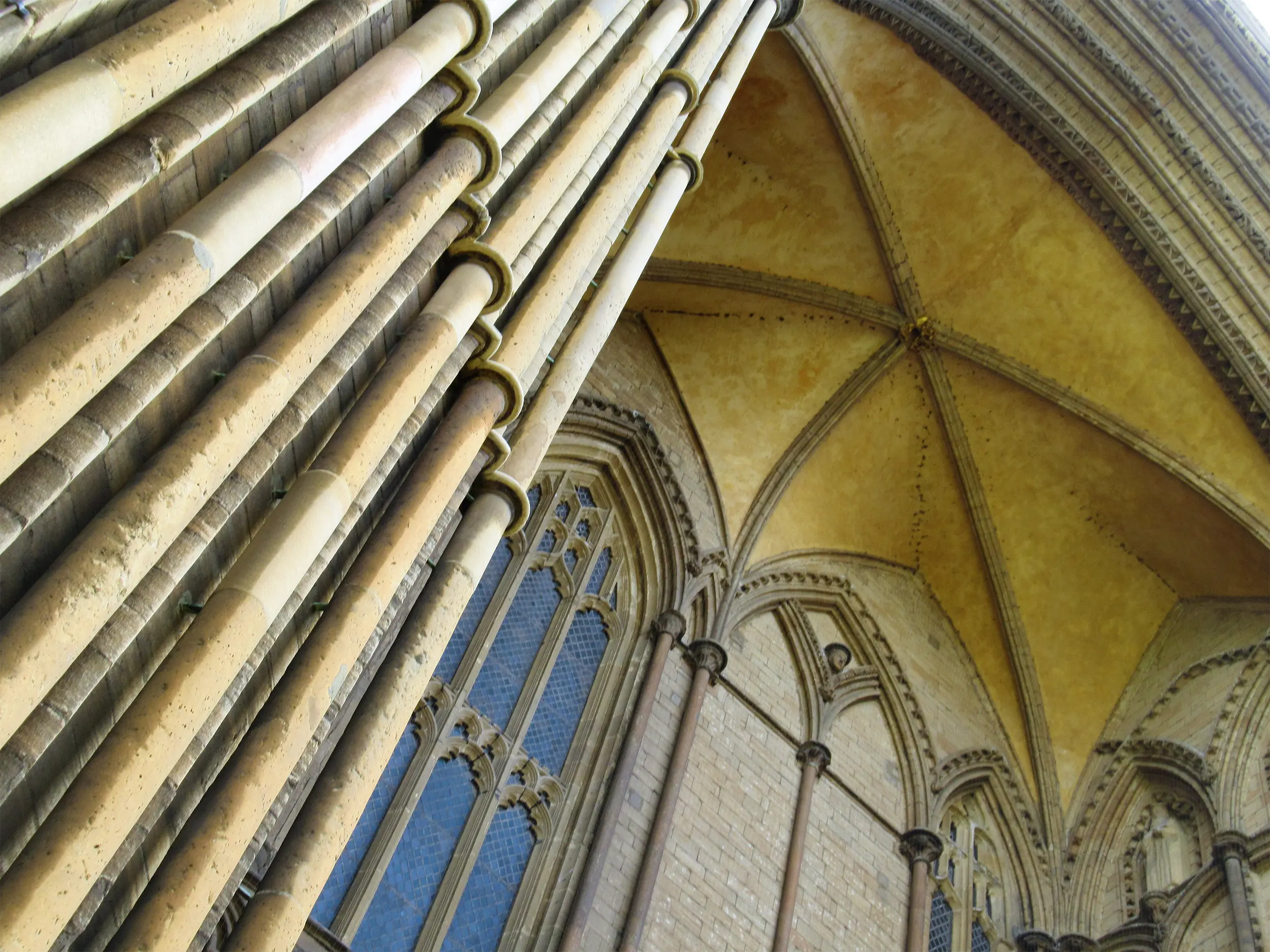
The Cathedral is part of the story.
Mary's Peterborough story begins after one of the most famous executions in European history.
On 8 February 1587, Mary Stuart was executed in the Great Hall at Fotheringhay Castle after almost nineteen years in English captivity.
Her body remained there for months. Then, on the night of 30 July, her lead coffin was carried the nine miles to Peterborough in a coach draped in black velvet.
She entered the Cathedral precincts in darkness, a dead queen arriving in a city she may never have seen while alive.
On 1 August the Cathedral became the theatre for an elaborate heraldic funeral conducted under the authority of Elizabeth I. Mary's royal identity was proclaimed through ceremony, heraldry, mourning and spectacle before she was buried on the south side of the choir.
Explore the complete story in Mary, Queen of Scots and Peterborough .
You are not visiting an exhibition about a distant place. You are standing inside the next chapter of Mary's story.
Peterborough · 1587
Follow the Queen's final journey.
The final chapters of Mary's story unfolded across a remarkably small landscape, linking Fotheringhay, Peterborough and Westminster in one extraordinary royal journey.
Fotheringhay
After trial and conviction, Mary is executed in the Great Hall of Fotheringhay Castle. She is forty-four years old.
The night journey
Her coffin travels by night from Fotheringhay to Peterborough, entering the Cathedral precincts in the early hours.
Peterborough
A full heraldic funeral fills the Cathedral before Mary is buried on the south side of the choir.
Westminster
Mary's son James orders her remains moved to Westminster Abbey. Peterborough keeps the place where she first lay.
From crowned infant to enduring legend.
Peterborough Cathedral's exhibition follows Mary's extraordinary life through power, faith, political upheaval, personal loss and enduring fascination, using original artefacts and reproductions alongside striking visuals and immersive scenes.
Encounter historic material connected with the world in which Mary lived and ruled.
Visual interpretation places objects and events within the dramatic political world surrounding the Queen.
Begin with Mary as an infant queen rather than meeting her story only at the scaffold.
Step from the exhibition into the Cathedral where Mary's first royal grave remains part of the building's story.
Then stand where Mary actually lay.
The most powerful object connected with Mary in Peterborough may be a place rather than an artefact.
Mary's former grave remains marked inside the Cathedral, on the south side of the presbytery.
She lay here through the final years of Elizabeth I's reign and into the rule of Mary's own son, James VI of Scotland and I of England.
The dynastic story had turned completely. Elizabeth died childless in 1603, and the son of the woman she had executed inherited the English crown.
In 1612 James ordered his mother's body removed from Peterborough and taken to Westminster Abbey, where a magnificent monument was raised over her.
The Peterborough grave became empty, but it never stopped being part of Mary's story.
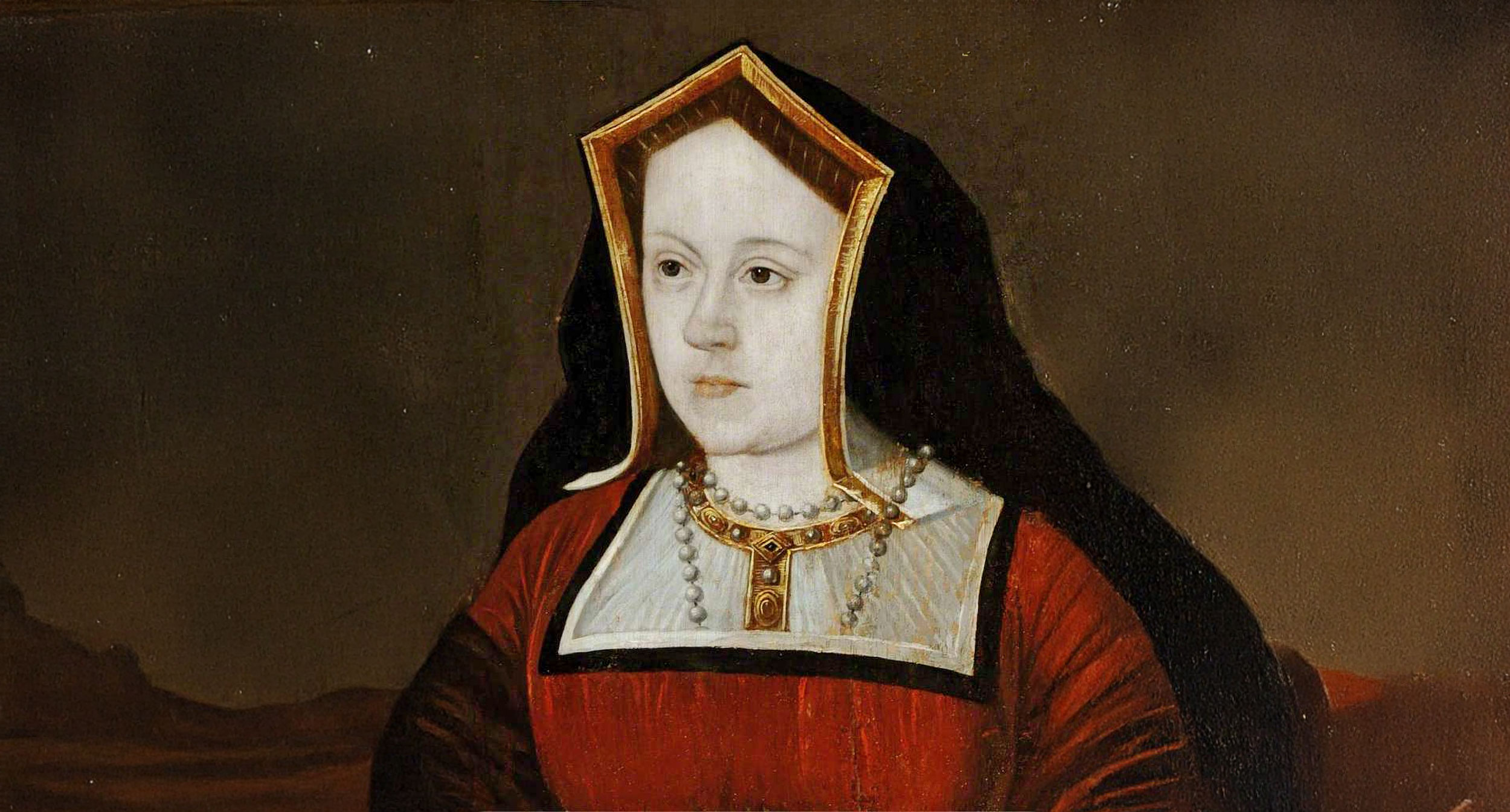
Across the choir lay another royal story.
Mary was not the first queen whose funeral brought the Tudor court to Peterborough.
Fifty-one years earlier, Katharine of Aragon, Henry VIII's first wife and Queen of England for more than two decades, had been buried here when the church was still Peterborough Abbey.
Katharine remained. Mary eventually left. But for twenty-five years their graves occupied opposite sides of the same great church, placing Peterborough physically between two women whose lives had been transformed by the Tudor struggle over marriage, religion and succession.
That relationship is one of the most extraordinary things to explore after seeing the exhibition.
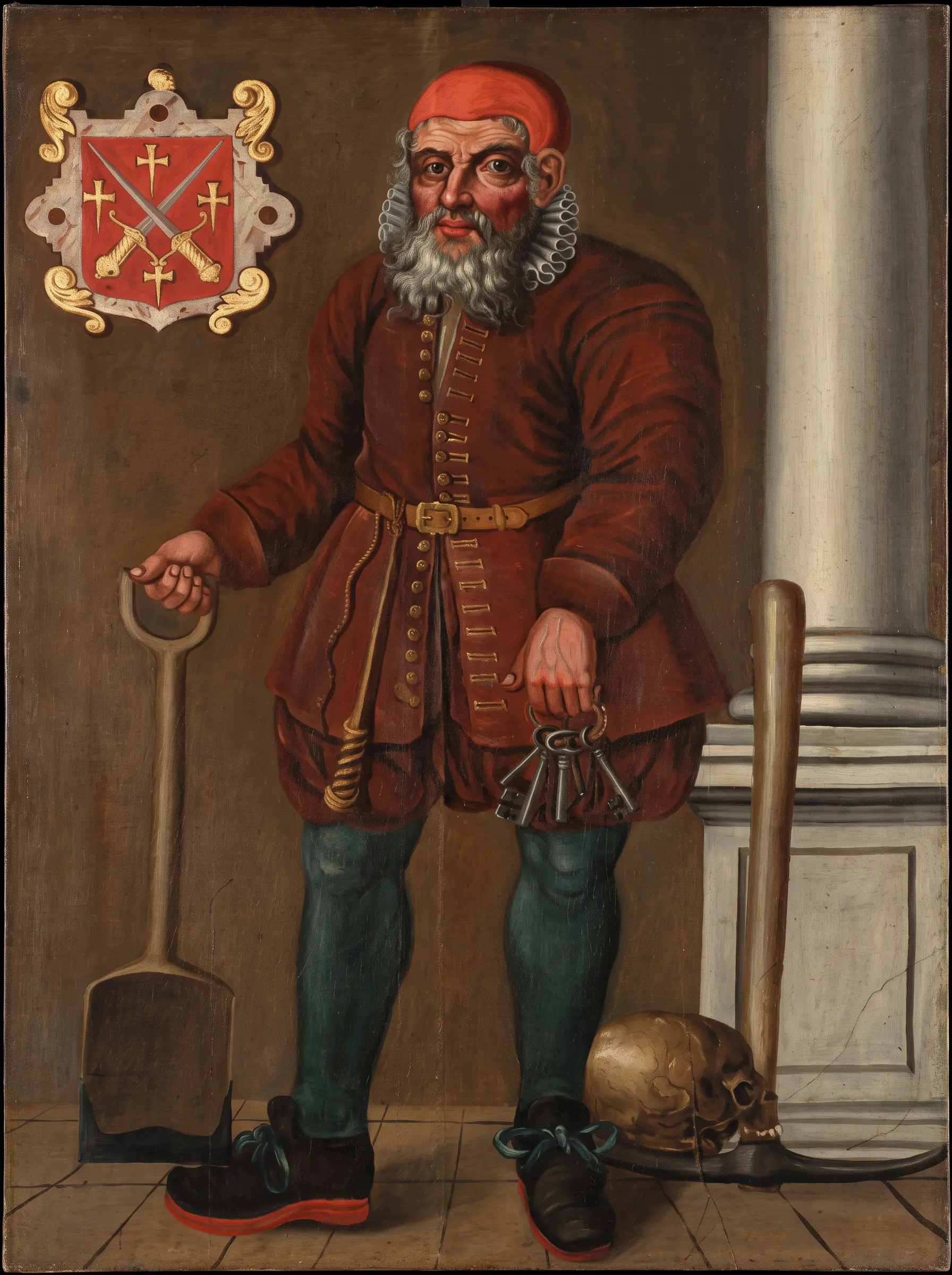
Meet Old Scarlett.
The strangest human connection between Peterborough's two royal graves is not a king, bishop or courtier. It is a working man whose own image still looks down from the Cathedral walls.
Robert "Old Scarlett" was the Cathedral sexton traditionally associated with the burials of both Katharine of Aragon and Mary, Queen of Scots.
By Mary's funeral he was already an elderly man who had spent decades caring for the Cathedral and its dead. His surviving memorial shows him with the tools and symbols of his office, giving an unusually vivid face to an ordinary Peterborian who found himself connected with extraordinary history.
The verse associated with his memorial proudly records the remarkable claim that he had buried two queens within this place.
It creates one of the Cathedral's most memorable connections: two of Europe's most famous royal women, separated by half a century, linked by one local working man.
One queen stayed. One queen left. For twenty-five years, Peterborough held them both.
Two Queens · One Cathedral
Mary Queen of Scots: The Exhibition
The exhibition runs at Peterborough Cathedral from 21 September to 15 November 2026.
Tickets include admission to the exhibition and access to the entire Cathedral, so allow time to continue the story at Mary's former grave, Katharine of Aragon's tomb and the memorial to Old Scarlett.
Follow Mary's Peterborough story.
The exhibition is only one doorway into a much bigger Peterborough story. Follow the people, places and royal connections before you visit or continue exploring afterwards.
Mary, Queen of Scots
Follow Mary from infant queen and French court to captivity, Fotheringhay, Peterborough and Westminster.
Read Mary's story → Tudor PeterboroughTwo Queens. One Cathedral.
Explore the extraordinary relationship between Mary's former grave and Katharine of Aragon's surviving tomb.
Enter the story → Local legendOld Scarlett
Meet the Cathedral sexton whose remarkable life connects Peterborough's two royal burials.
Meet Old Scarlett → 1587–1612The Queen Who Came by Night
Follow the torchlit journey from Fotheringhay to Peterborough and the twenty-five years that followed.
Follow the journey → VisitPeterborough Cathedral
Discover the West Front, Norman nave, painted ceiling, royal burials and details most visitors miss.
Plan your visit → TimelinePeterborough History
Place Mary's burial within more than three thousand years of Peterborough's changing story.
Explore the timeline →Event information & further reading
Exhibition details are taken from Peterborough Cathedral. Discover Peterborough's Tudor collection provides further local context for Mary's burial, the Two Queens story and Old Scarlett.
- Peterborough Cathedral · Mary Queen of Scots: The Exhibition · official exhibition information, dates, admission and booking.
- Discover Peterborough · Mary, Queen of Scots · full biography and Peterborough burial history.
- Discover Peterborough · Two Queens, One Cathedral · the extraordinary relationship between the royal graves.
- Discover Peterborough · Old Scarlett · the sexton traditionally associated with both royal burials.
- Discover Peterborough · History of Peterborough · Mary's burial placed within the wider city timeline.