


Peterborough People
Peterborough’s dark gift to cinema
Two Peterborough-born creatives, two unforgettable films, and stories that travelled from the city to the furthest reaches of global cinema.

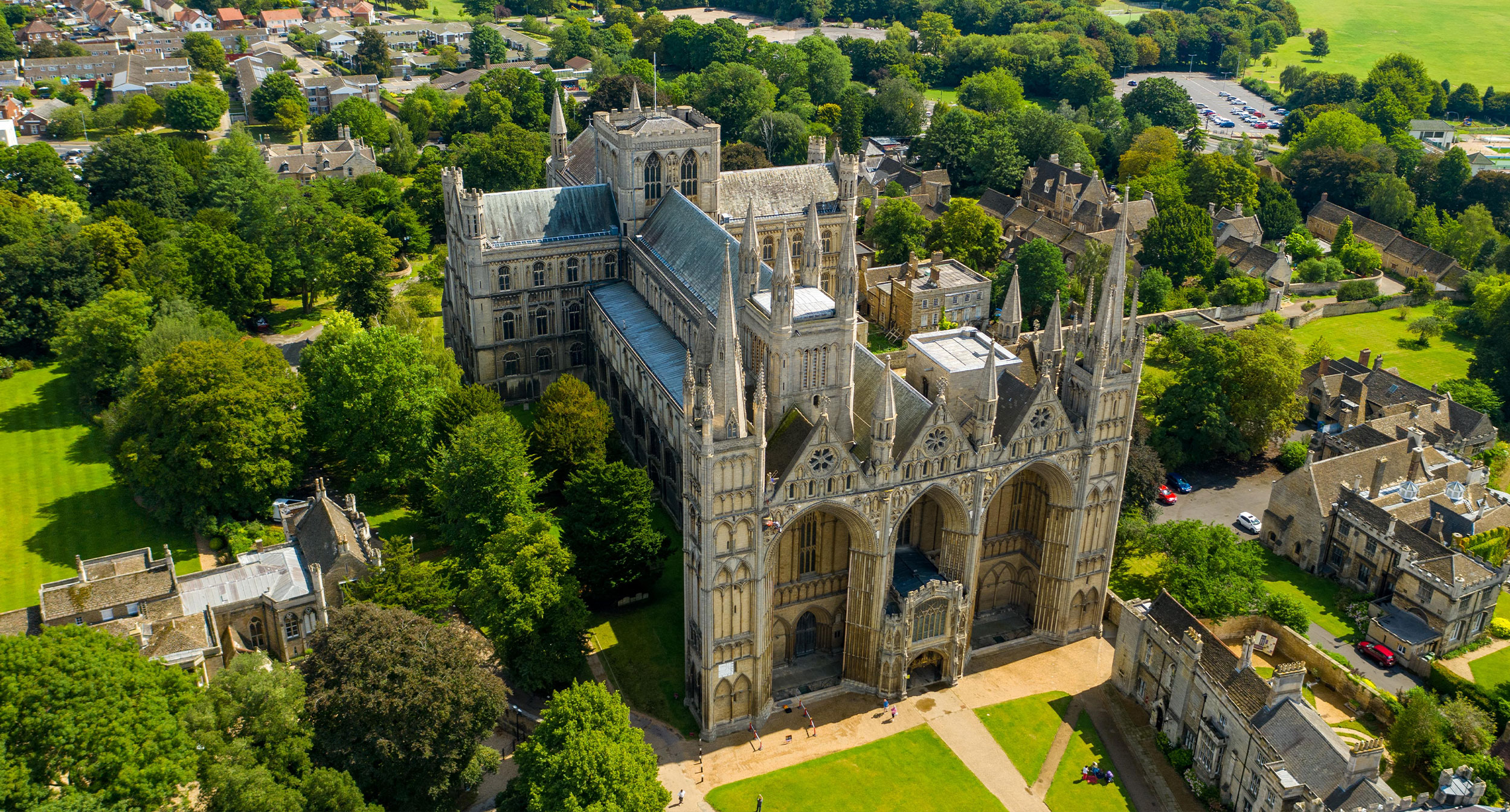
From Peterborough to the world
One city, two stories that unsettled generations
A police officer arrives in an isolated community in search of a missing child. The villagers smile, sing and insist that nothing is wrong.
A married man steps into a Manhattan apartment for what he believes will be a brief affair. He leaves, but the consequences follow him home.
At first glance, The Wicker Man and Fatal Attraction could hardly be further apart. One unfolds among orchards, maypoles and ancient rites, the other amid lifts, offices and immaculate city apartments. One helped define British folk horror. The other became one of Hollywood’s most talked-about psychological thrillers and an Academy Award-nominated cultural phenomenon.
Yet both stories have a remarkable connection to Peterborough.
Chapter one
David Pinner The story that helped inspire The Wicker Man
David Pinner was born in Peterborough in 1940. An actor, playwright, poet and novelist, he trained at the Royal Academy of Dramatic Art and worked extensively in British theatre and television.
His most enduring contribution to popular culture began with a story he reportedly wrote at extraordinary speed while appearing in the West End production of The Mousetrap.
Published in 1967, Pinner’s novel Ritual follows a deeply religious police officer investigating the apparent ritual murder of a child in a remote Cornish village.
What begins as a detective story gradually becomes something stranger, a confrontation between Christianity and paganism, authority and community, rational investigation and ancient belief.
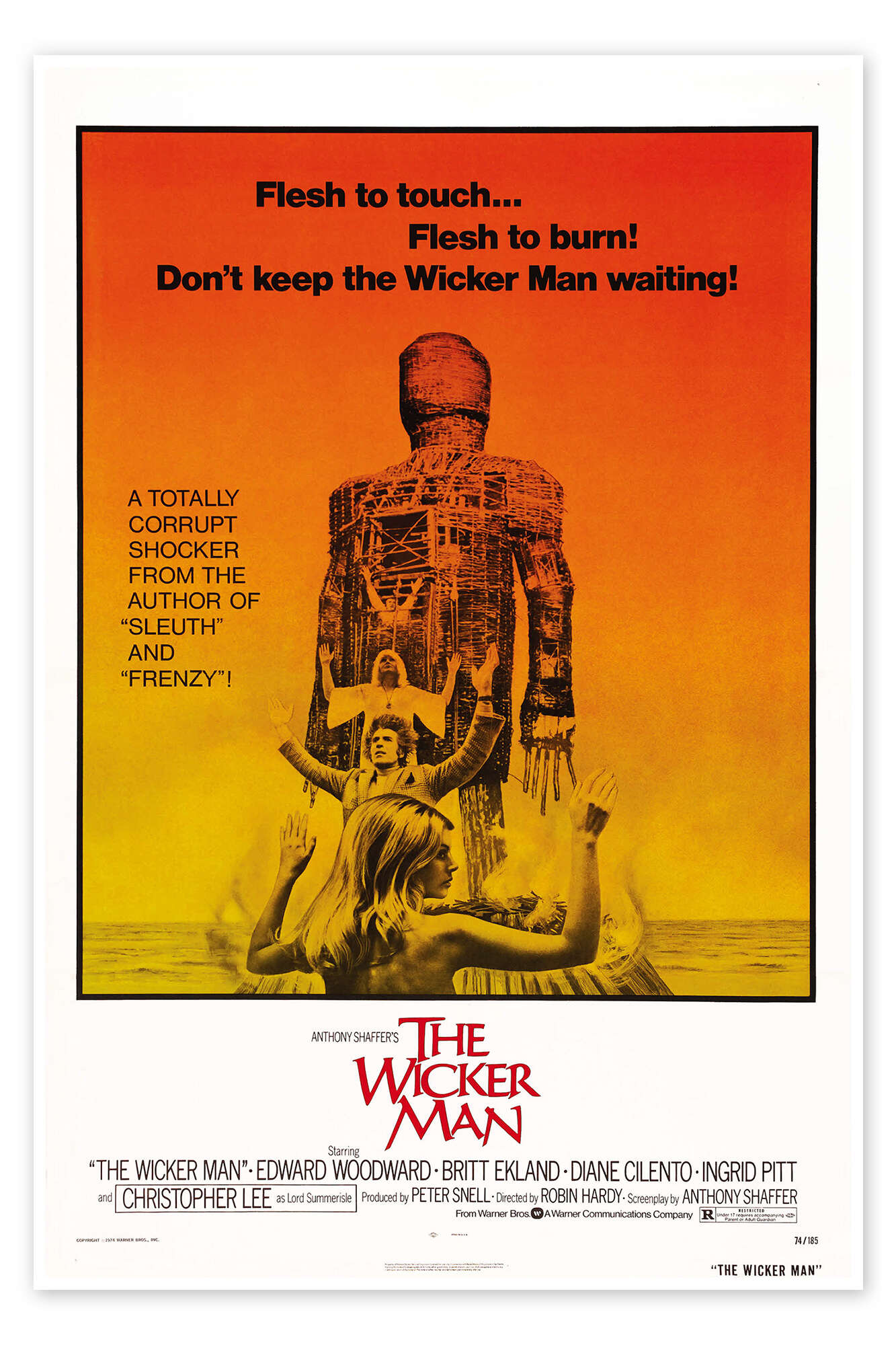
The screen rights were later acquired as the foundations of a film project involving Christopher Lee, screenwriter Anthony Shaffer and director Robin Hardy.
The finished film, The Wicker Man, was not a direct adaptation, but many of the essential ingredients of Pinner’s novel remained, including the devout policeman, the enclosed rural community, the investigation involving a child and the collision between established religion and older rites.
Released in 1973, The Wicker Man initially struggled to find its place. It was neither conventional horror nor a straightforward mystery.
It was bright where horror was expected to be dark, musical where it might have been menacing and strangely celebratory even as it moved towards one of British cinema’s most unforgettable endings.
Over time, that refusal to fit neatly into a category became its strength. The film is now regarded as a landmark of folk horror, a story in which landscape, tradition and collective memory become as powerful and frightening as any monster.
A novel written by a Peterborough-born writer helped plant the seed for one of the most distinctive, influential and unsettling British films ever made.
Chapter two
Adrian Lyne The phenomenon of Fatal Attraction
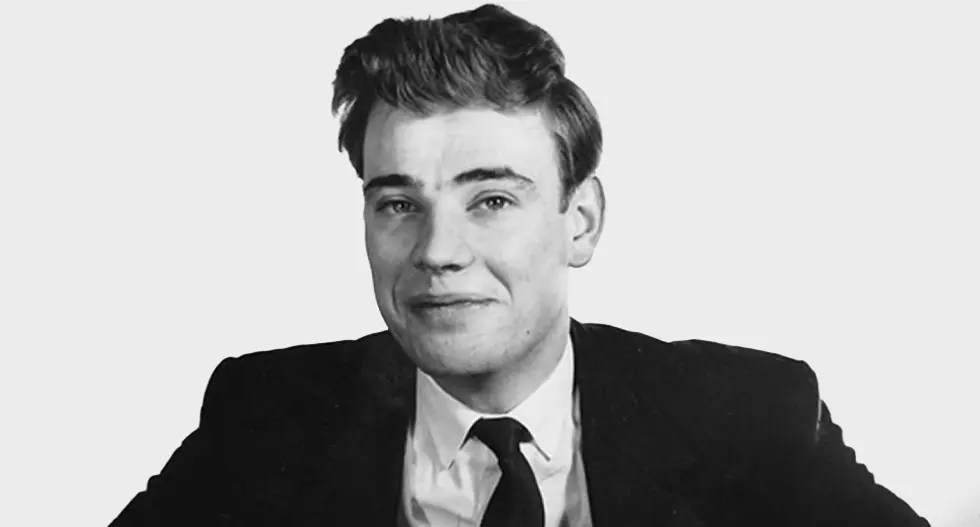
One year after Pinner, Adrian Lyne was born in Peterborough in 1941.
Raised in London, he began his career directing television commercials before moving into cinema. His early work developed a distinctive visual language, filled with atmosphere, intimacy, sensuality and tension.
Lyne became fascinated by desire and its consequences, particularly the dangerous distance between what people want and what they are prepared to lose.
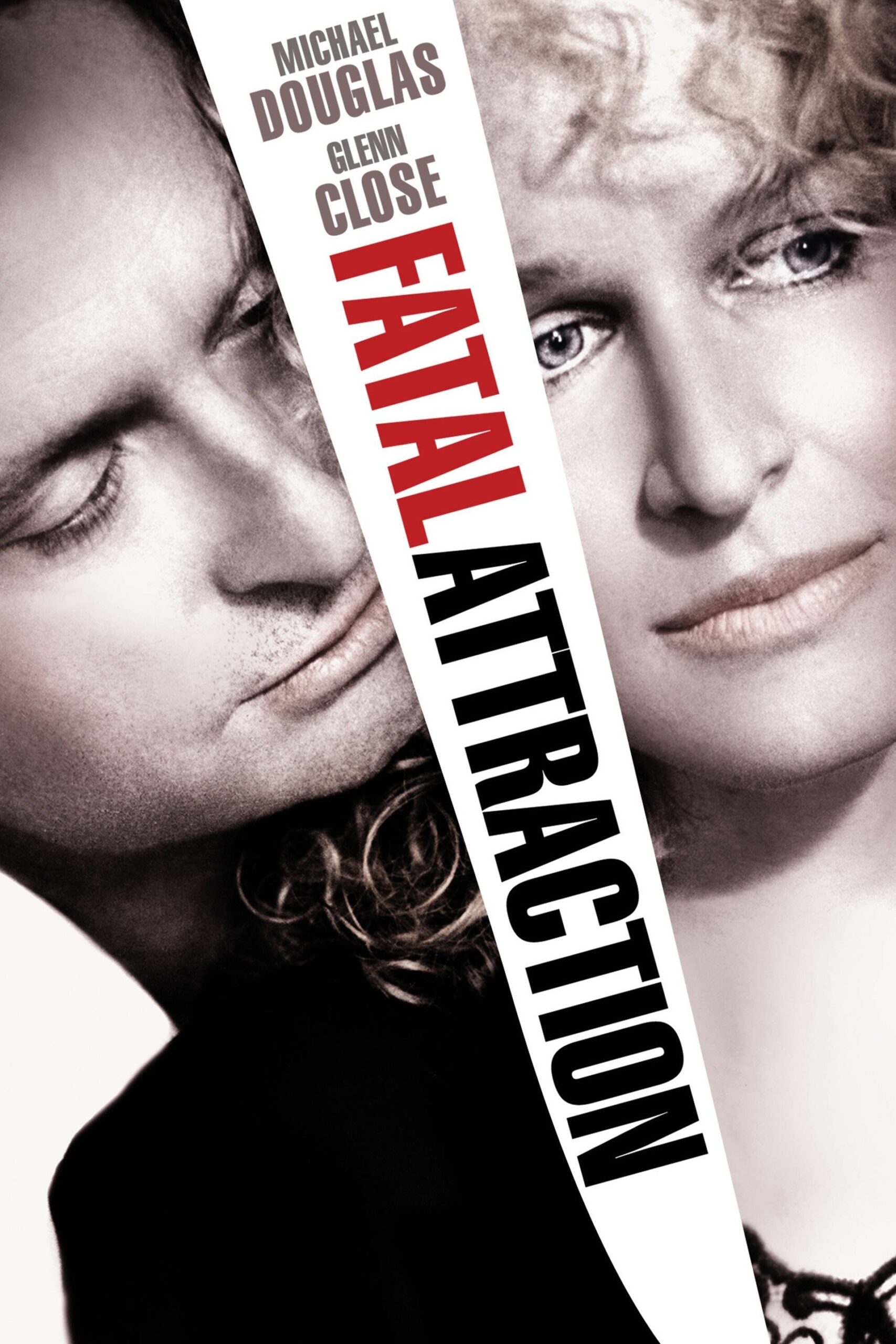
That fascination reached its most explosive form in 1987 with Fatal Attraction.
The film begins with a decision that its central character, Dan Gallagher, treats as temporary. During a weekend when his wife and daughter are away, he begins an affair with Alex Forrest.
He assumes the encounter can be placed safely outside his real life, a sealed experience from which he can simply walk away.
Alex refuses to remain outside the story.
Under Lyne’s direction, familiar domestic spaces become charged with menace. Telephones, kitchen surfaces, family photographs and children’s rooms no longer feel neutral.
The threat is frightening precisely because it does not remain in some distant or supernatural landscape. It enters the family home.
The film became a cultural phenomenon. It earned six Academy Award nominations, including Best Picture, Best Director for Adrian Lyne, Best Actress for Glenn Close and Best Supporting Actress for Anne Archer.
It also generated intense public debate about marriage, infidelity, obsession, mental health and the changing expectations placed upon men and women.
Lyne’s direction was central to its success. He gave the film the polish of a sophisticated romantic drama, then gradually transformed it into something claustrophobic, volatile and terrifying.
The elegance of the world on screen made its collapse feel even more disturbing.
It was not simply a successful thriller. It became a cultural event, one that audiences continued to argue about long after leaving the cinema.
Peterborough people, global cinema
Creative lives that reached far beyond the city
David Pinner and Adrian Lyne followed very different creative paths.
Pinner’s work led into a remote landscape of folklore, ritual and sacrifice. Lyne’s took audiences into the apartments, offices and family homes of modern Manhattan.
One helped inspire a defining work of British folk horror. The other directed an international box-office sensation that competed for Best Picture at the Academy Awards.
Their stories are reminders that Peterborough’s cultural influence is not always immediately visible.
It can be found in unexpected places, behind some of cinema’s most famous images and within stories that have travelled far beyond the city itself.