
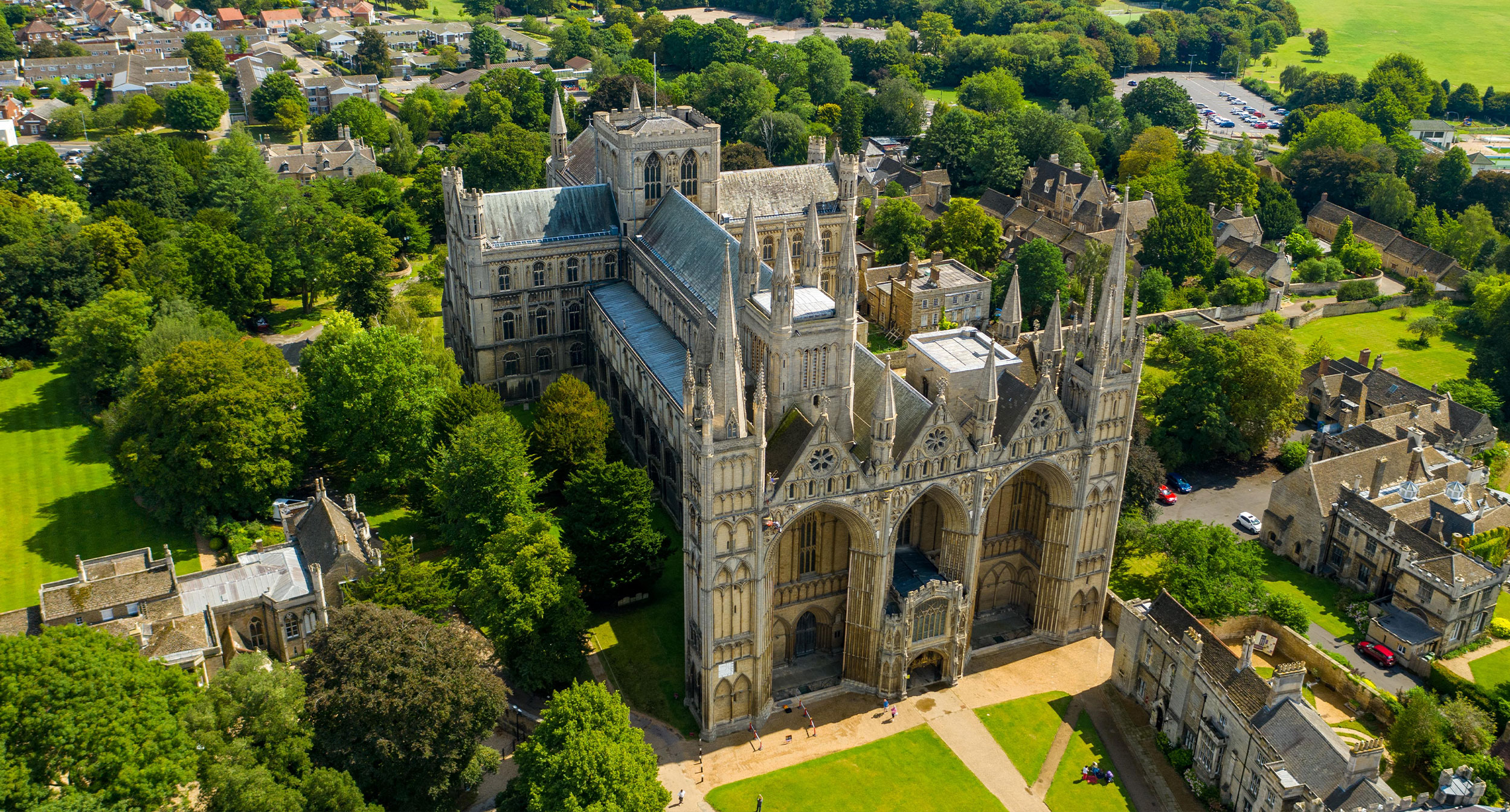


Peterborough People
Peterborough Writers & Poets
From John Clare’s intimate poetry about the fields around Helpston to E. G. Swain’s ghostly vision of Stanground, Peterborough and its surrounding landscape have inspired an extraordinary range of writing.
John Clare (1793-1864)
The poet of Helpston and the changing countryside
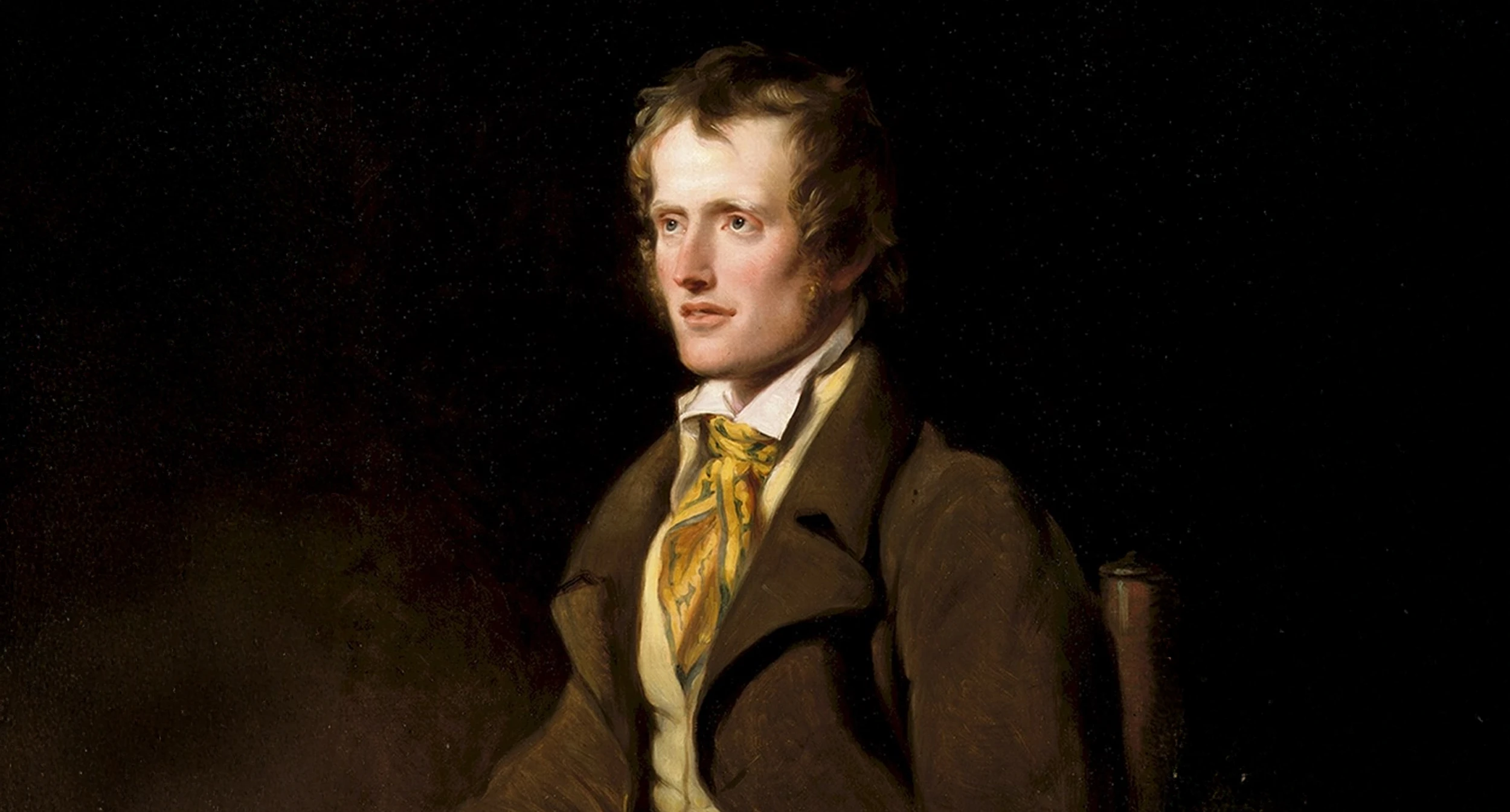
Born in Helpston in 1793, John Clare rose from a labouring family to become one of England’s most distinctive and important poets. His writing records the wildlife, speech, customs and working landscapes of the area with remarkable precision.
Clare wrote during a period when enclosure was transforming the countryside around him. His poetry celebrates the natural world but also documents the loss of common land, familiar paths and rural traditions. This makes his work feel strikingly contemporary at a time of renewed concern for nature, belonging and environmental change.
The countryside around Helpston was not simply a backdrop to Clare’s writing. Its fields, hedgerows, woods, birds and changing seasons formed the heart of his poetic world.
Begin with
- Poems Descriptive of Rural Life and Scenery (1820), the collection that first brought Clare national recognition
- The Village Minstrel, and Other Poems (1821)
- The Shepherd’s Calendar (1827), following the rhythms of rural life through the year
- The Rural Muse (1835)
- “The Mores”, Clare’s powerful response to enclosure and the loss of shared land
- “The Nightingale’s Nest”, one of his most closely observed nature poems
- “I Am”, an intensely personal poem from his later life
Explore the connection
Visit Helpston, Clare’s birthplace and the landscape at the centre of his work. John Clare Cottage preserves his story, while the surrounding countryside offers an opportunity to encounter the places, wildlife and rural character that inspired him.
L. P. Hartley (1895-1972)
Memory, childhood and the world of The Go-Between
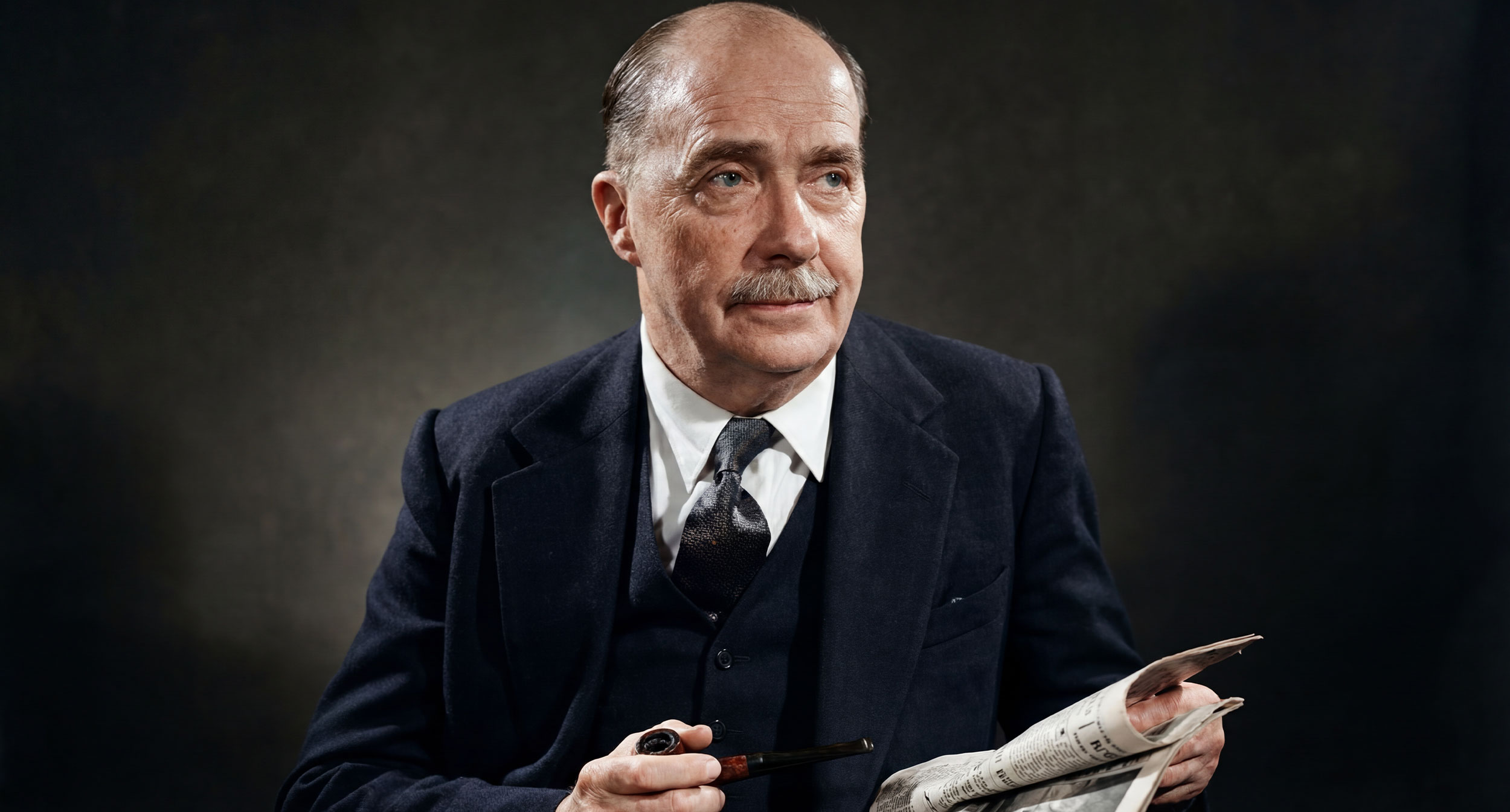
Leslie Poles Hartley was born in Whittlesey in 1895 and spent part of his childhood at Fletton Tower in Peterborough. He became one of the twentieth century’s most accomplished English novelists, known particularly for his exploration of memory, childhood, social class and the consequences of secrets.
His best-known novel, The Go-Between, opens with one of the most recognisable sentences in English literature: “The past is a foreign country: they do things differently there.” The story follows an older man looking back on a summer during his childhood and the events he did not fully understand at the time.
Although the novel is set in Norfolk, Hartley’s formative experiences in and around Peterborough helped shape his sensitivity to landscape, social divisions and the unsettling distance between childhood and adulthood.
Begin with
- The Go-Between (1953), his masterpiece of memory, innocence and social convention
- The Shrimp and the Anemone (1944), the first part of the Eustace and Hilda trilogy
- The Sixth Heaven (1946)
- Eustace and Hilda (1947)
- The Hireling (1957), later adapted into an award-winning film
- The Travelling Grave and Other Stories (1948), revealing Hartley’s darker and more supernatural side
Explore the connection
Hartley’s story begins in Whittlesey and continues at Fletton Tower, linking one of Britain’s most celebrated twentieth-century novelists directly to Peterborough.
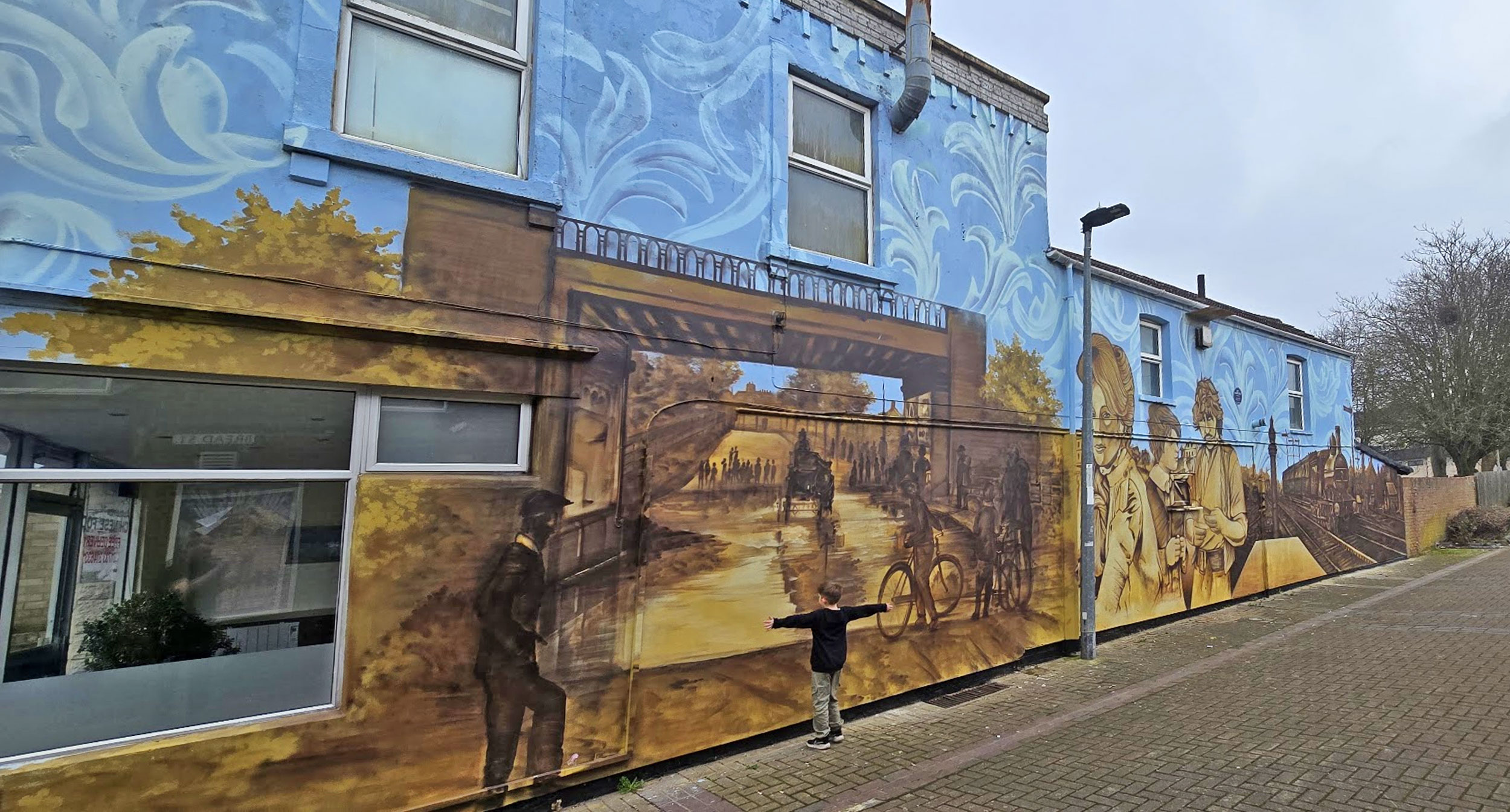
Mural dedicated to L.P. Hartley on Bread Street by Nathan Murdoch (2024)
Charles Kingsley (1819-1875)
From Barnack to Hereward the Wake
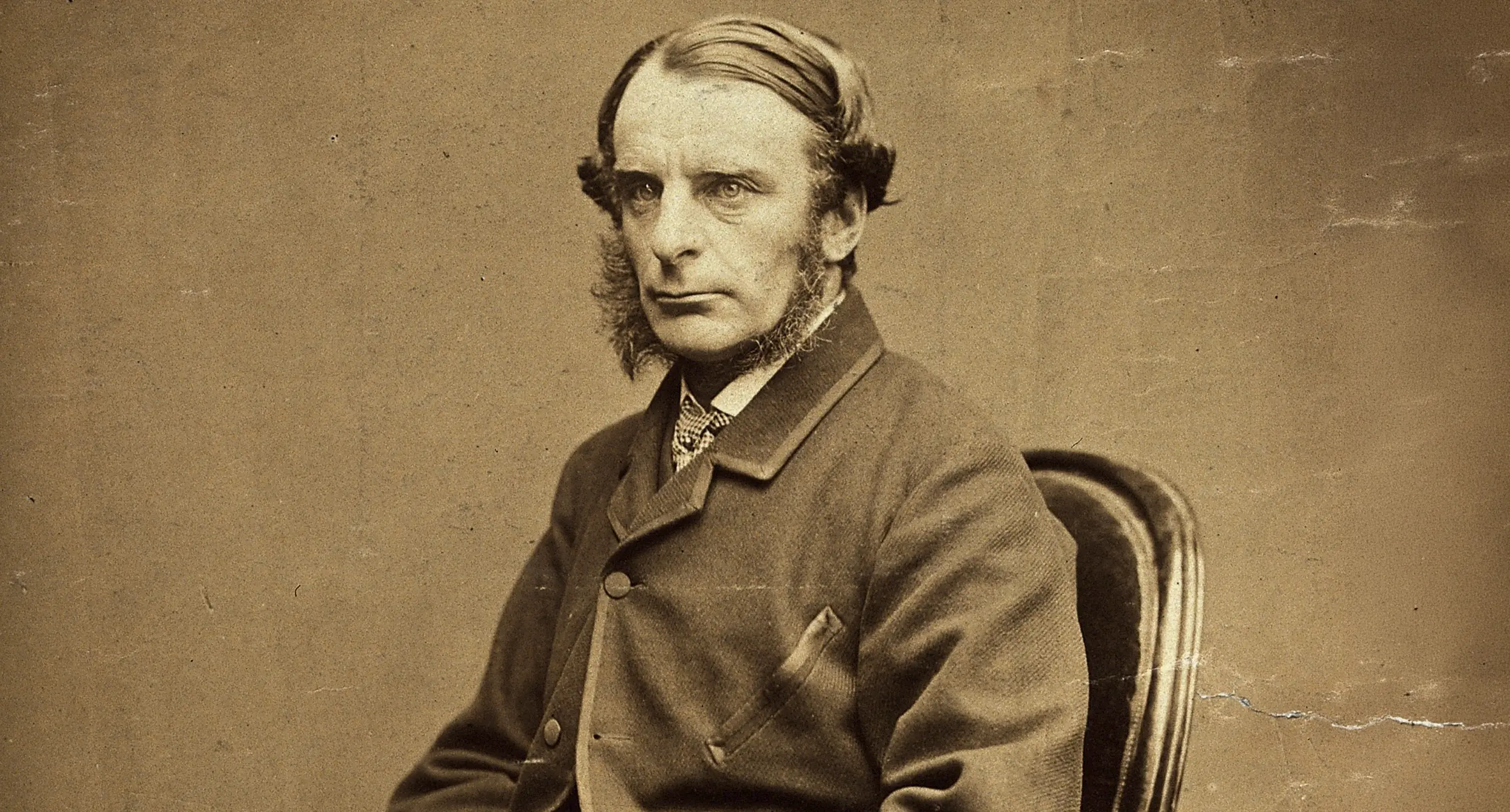
Charles Kingsley spent formative childhood years in Barnack, where his father served as rector. He later became a clergyman, social reformer, historian and one of the best-known writers of the Victorian period.
Kingsley wrote novels, poetry, historical works and books for children. His time in the Peterborough area introduced him to the landscapes and traditions of the Fens, which would later become central to Hereward the Wake. The novel retells the story of the legendary English rebel and his resistance to Norman rule from the wetlands around Ely and Peterborough.
His most enduringly familiar work is The Water-Babies, a fantasy that combines adventure, morality, natural history and Victorian social criticism.
Begin with
- The Water-Babies (1863), Kingsley’s celebrated children’s fantasy
- Hereward the Wake (1866), inspired by the history and legends of the Fens
- Westward Ho! (1855), a sweeping Elizabethan adventure
- Hypatia (1853), a historical novel set in ancient Alexandria
- The Heroes (1856), a retelling of Greek myths for younger readers
Explore the connection
Barnack provides the strongest local link with Kingsley’s early life, while the wider Fenland landscape connects Peterborough with the world of Hereward the Wake.
J.D. Beresford (1873-1947)
A Peterborough pioneer of science fiction
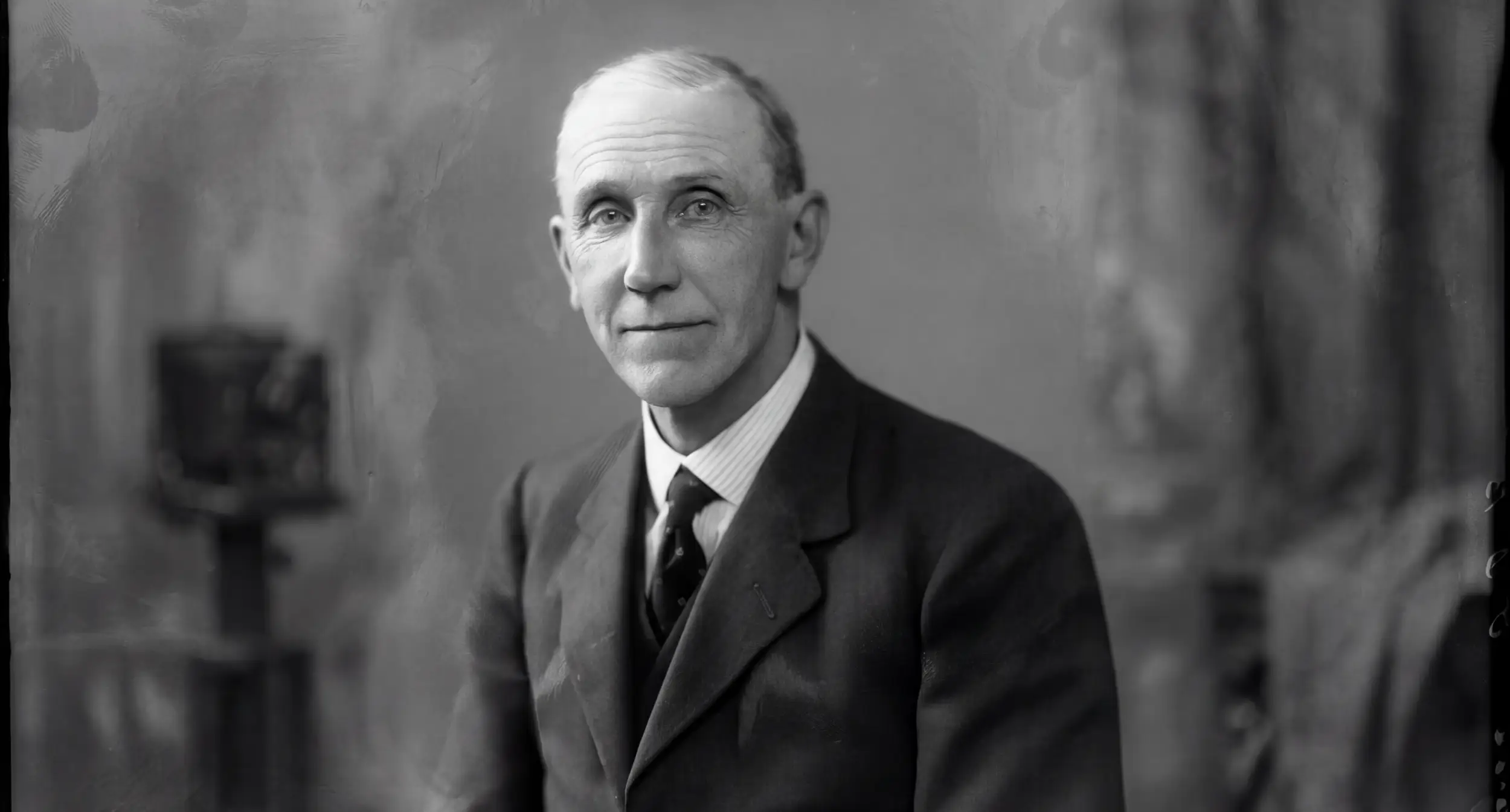
Born in Castor in 1873, John Davys Beresford became a prolific novelist, playwright, journalist and literary critic. Today, he is particularly remembered as an important early voice in British science fiction and speculative literature.
His writing explored extraordinary intelligence, social transformation, catastrophe and the future of humanity. These were themes that would become central to modern science fiction, but Beresford was addressing them in the opening decades of the twentieth century.
His best-known novel, The Hampdenshire Wonder, tells the story of a child with apparently superhuman intelligence. It is now recognised as an influential early novel about human evolution and the possible emergence of a new kind of mind.
Begin with
- The Hampdenshire Wonder (1911), Beresford’s most important science-fiction novel
- Goslings (1913), also published as A World of Women, imagining society after a devastating plague
- The Riddle of the Tower (1944), written with Esme Wynne-Tyson
- The Camberwell Miracle (1933)
- H. G. Wells (1915), an early critical study of the influential science-fiction writer
Explore the connection
Castor, Beresford’s birthplace, is one of the most historically significant villages around Peterborough. Its connection with an early science-fiction pioneer adds another unexpected layer to its Roman, Saxon and medieval history.
Edmund Gill Swain (1861-1938)
Ghosts in the churchyards of Stanground
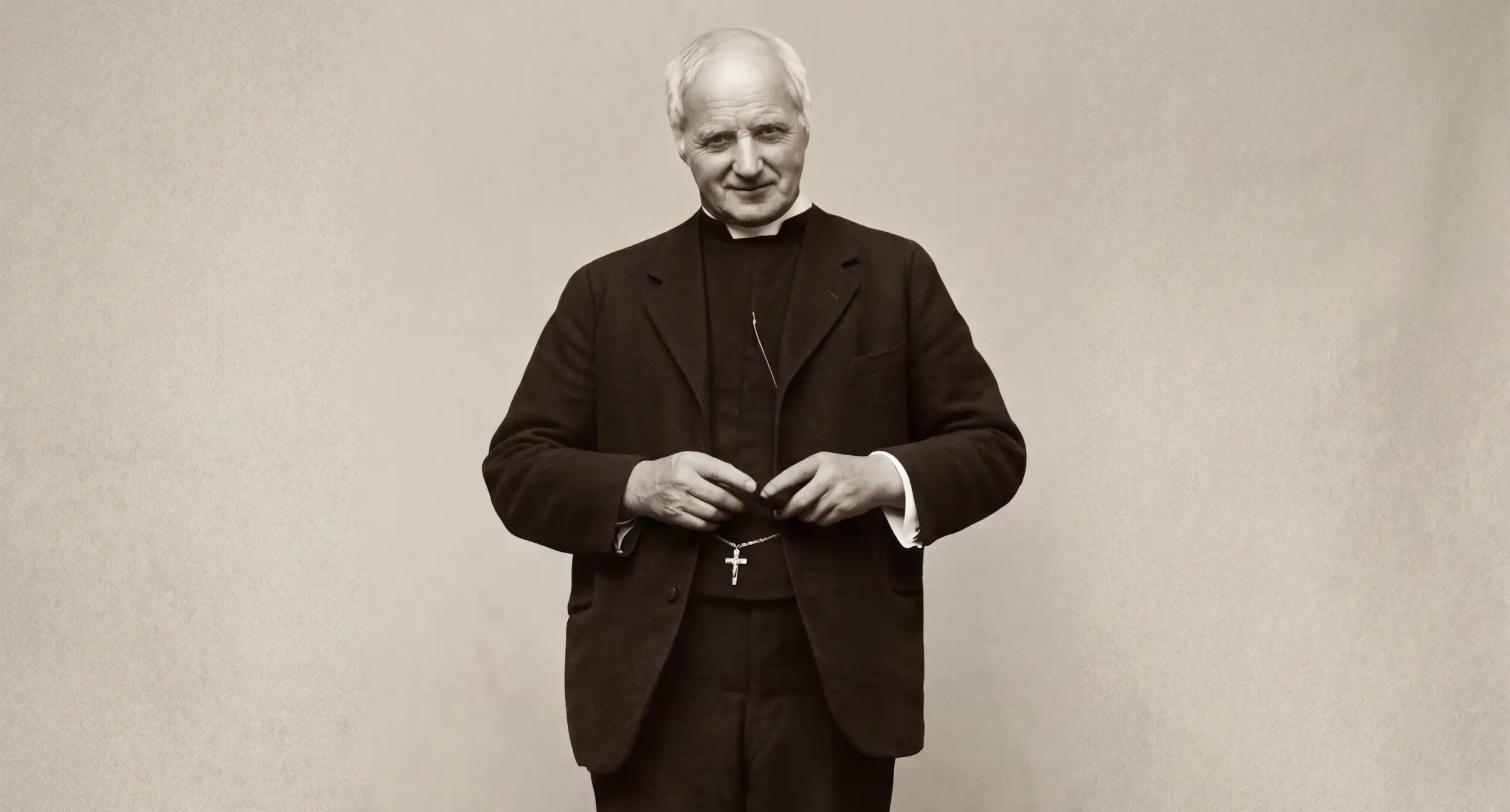
Clergyman, antiquarian and author Edmund Gill Swain served as vicar of St John the Baptist Church in Stanground from 1905 to 1916. The parish inspired his best-known work, The Stoneground Ghost Tales, published in 1912.
Swain transformed Stanground into the fictional “Stoneground”, a place of old churches, lonely roads, dark waterways and unsettling supernatural encounters. His central character, the Revd Roland Batchel, is widely understood to be based partly on Swain himself.
A friend and contemporary of the great ghost-story writer M. R. James, Swain developed a similarly quiet form of supernatural storytelling. His tales build their atmosphere gradually, allowing ordinary parish life, local history and the Fen-edge landscape to become subtly uncanny.
Begin with
- The Stoneground Ghost Tales (1912), a collection of nine supernatural stories
- “Bone to His Bone”, Swain’s best-known ghost story
- “The Richpins”
- “The Place of Safety”
- “The Man with the Roller”
- The Story of Peterborough Cathedral (1932), his history of the Cathedral
Explore the connection
St John the Baptist Church and the older parts of Stanground provide the real setting behind Swain’s fictional Stoneground. Peterborough Cathedral offers a second connection: Swain later served there as Honorary Canon, Librarian and Precentor.
John Fletcher (1579-1625)
Peterborough’s connection with Shakespearean theatre
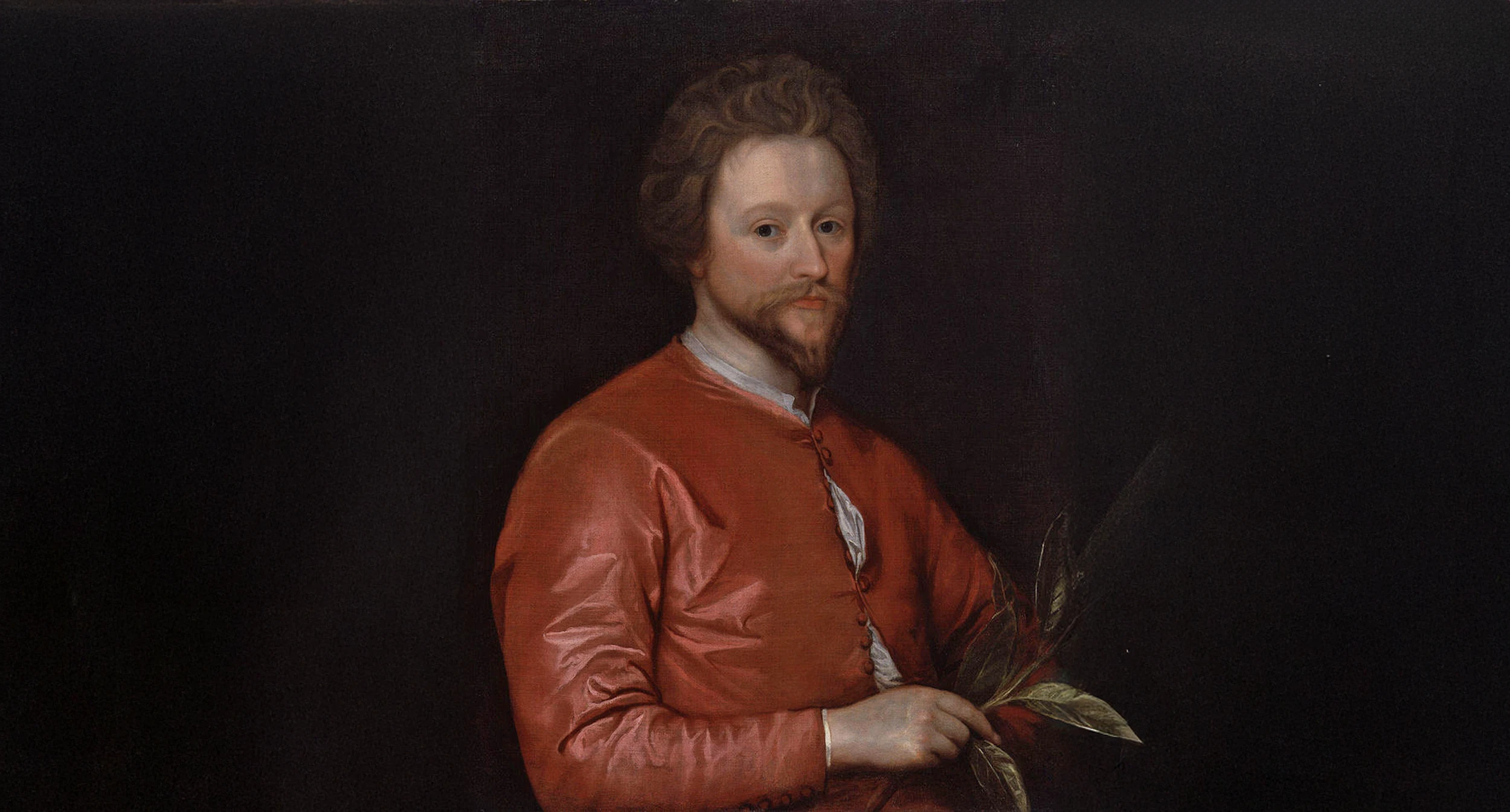
John Fletcher was among the leading dramatists of the Jacobean stage and succeeded Shakespeare as the principal playwright for the King’s Men. His family became connected with Peterborough when his father, Richard Fletcher, was appointed Bishop of Peterborough.
Fletcher collaborated extensively with Francis Beaumont, producing some of the period’s most successful plays. He is also generally accepted as Shakespeare’s collaborator on several of Shakespeare’s final works, most notably The Two Noble Kinsmen and probably Henry VIII.
His inclusion should be presented as a significant family and biographical connection with Peterborough, rather than suggesting that his major plays were set or written here.
Begin with
- The Two Noble Kinsmen, written with William Shakespeare
- Henry VIII, generally attributed to Shakespeare and Fletcher
- Philaster, written with Francis Beaumont
- The Maid’s Tragedy, written with Beaumont
- The Faithful Shepherdess
- The Woman’s Prize, also known as The Tamer Tamed
Explore the connection
Peterborough Cathedral and the surviving remains of the medieval Bishop’s Palace evoke the ecclesiastical world occupied by Fletcher’s father and provide the setting for the family’s connection with the city.