

Seeing Is Believing: Experience the Natural History Museum’s Titanosaur at Peterborough Cathedral
13th April – 31st May 2026
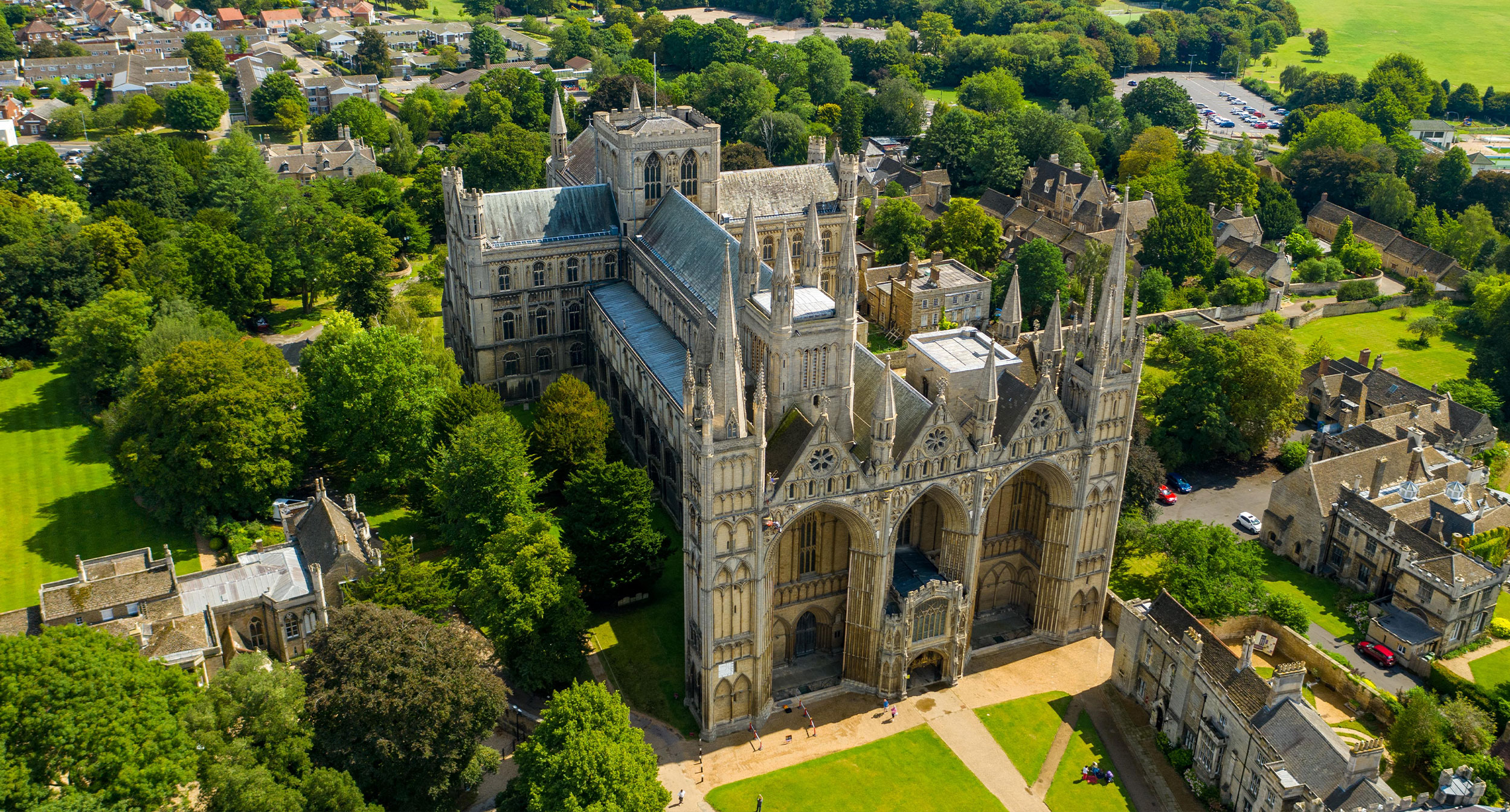
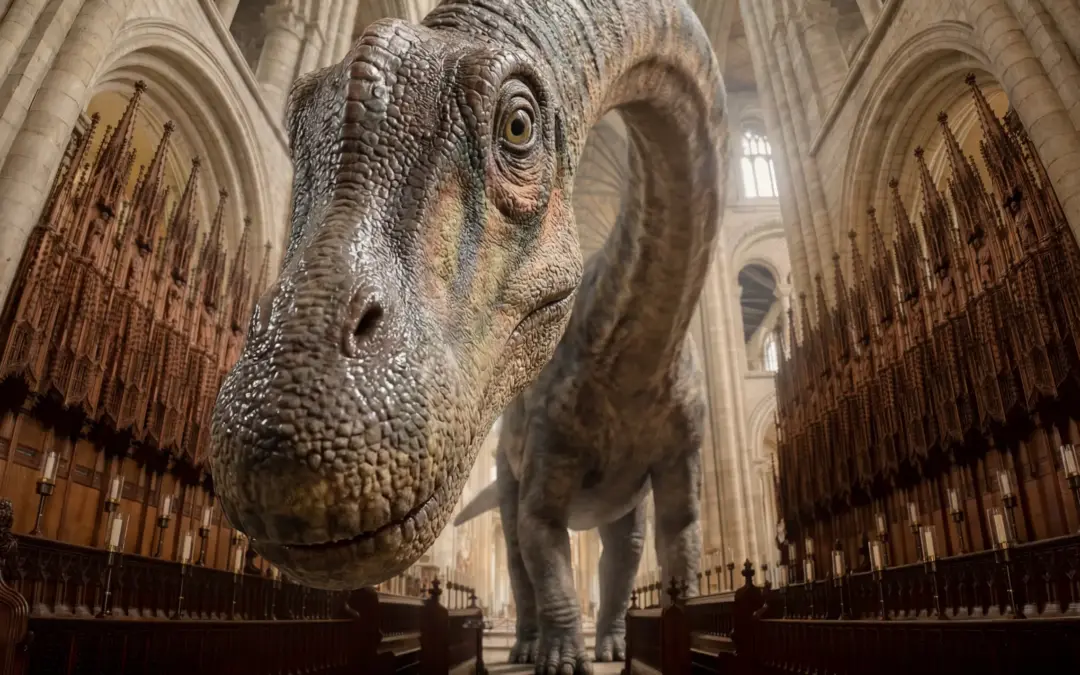
Inside the soaring stone vaults of Peterborough Cathedral, visitors will soon be able to stand beneath one of the largest animals ever to walk the Earth. The enormous dinosaur Patagotitan mayorum is coming to the cathedral, bringing a creature from 101 million years ago into one of the most historic spaces in the city.
It will be an encounter across deep time.
Jack Pishhorn, Chief Operating Officer at Peterborough Cathedral, said:
“This is one of the most ambitious and internationally significant exhibitions the Cathedral has ever presented. To welcome a dinosaur from the world-renowned Natural History Museum to Peterborough is extraordinary, and we are proud to make an experience of this scale accessible here in our city. It represents a landmark moment for both the Cathedral and the city, supporting our 2029 City of Culture aspirations and reinforcing our reputation as a destination for world-class cultural experiences.”
Bethan Parry, Director of Strategy and Innovation at London’s Natural History Museum said:
“We’re thrilled that our awe-inspiring Titanosaur has arrived at Peterborough Cathedral for its first UK appearance outside London. Gazing up at Patagotitan mayorum, the largest known dinosaur ever to walk the Earth, is a truly unforgettable experience.
Its immense scale reminds us of the extraordinary giants that once roamed our planet, and of the remarkable animals we still share it with today, from elephants and rhinos to blue whales, many of which are now under threat from habitat loss and human impact.
We hope Titanosaur’s residency will inspire even more visitors of all ages to connect with nature, champion biodiversity and help protect our planet for future generations, while also bringing lasting benefit to Peterborough’s local community.”
Meet Patagotitan: The Giant of Patagonia
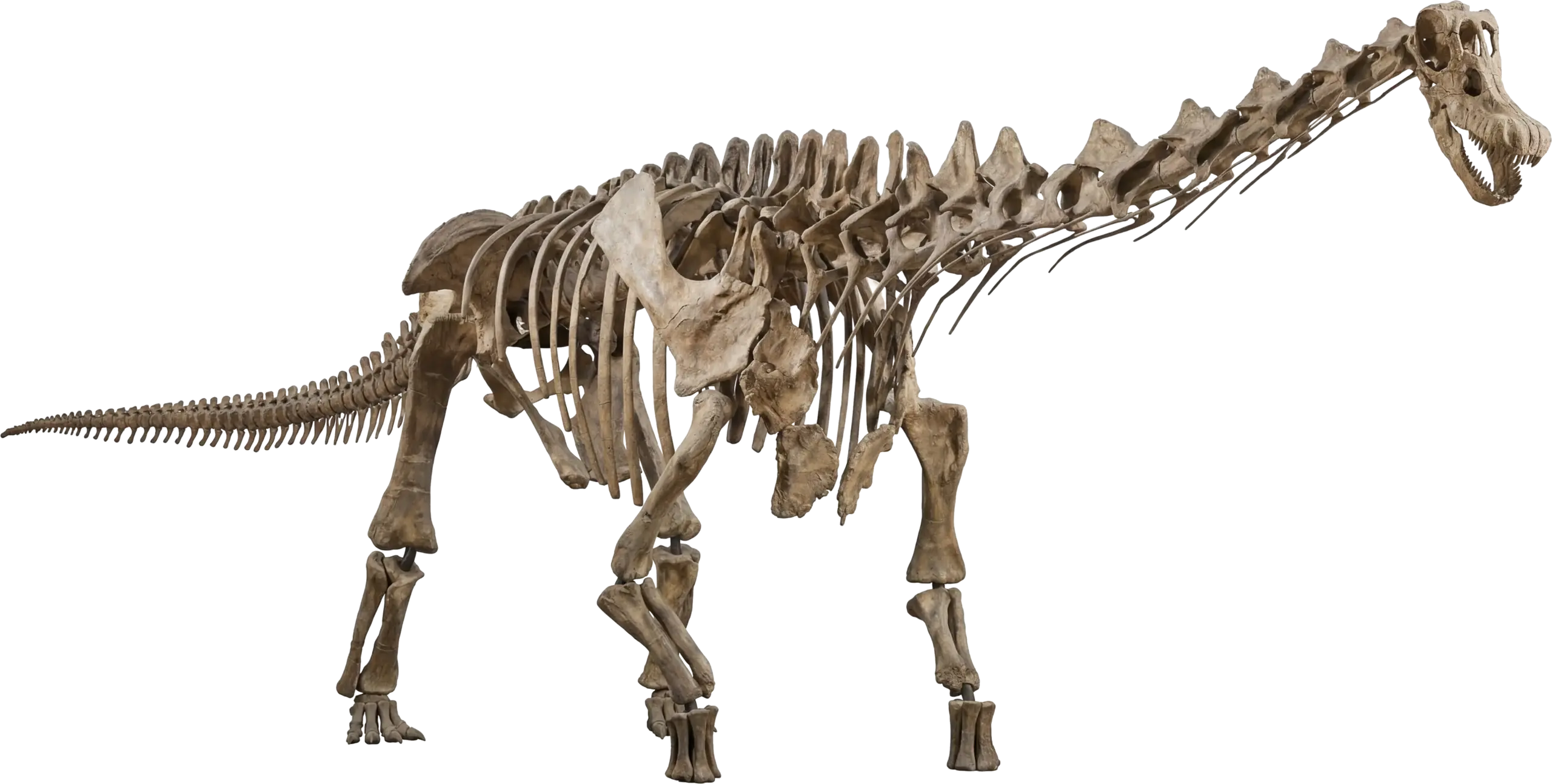
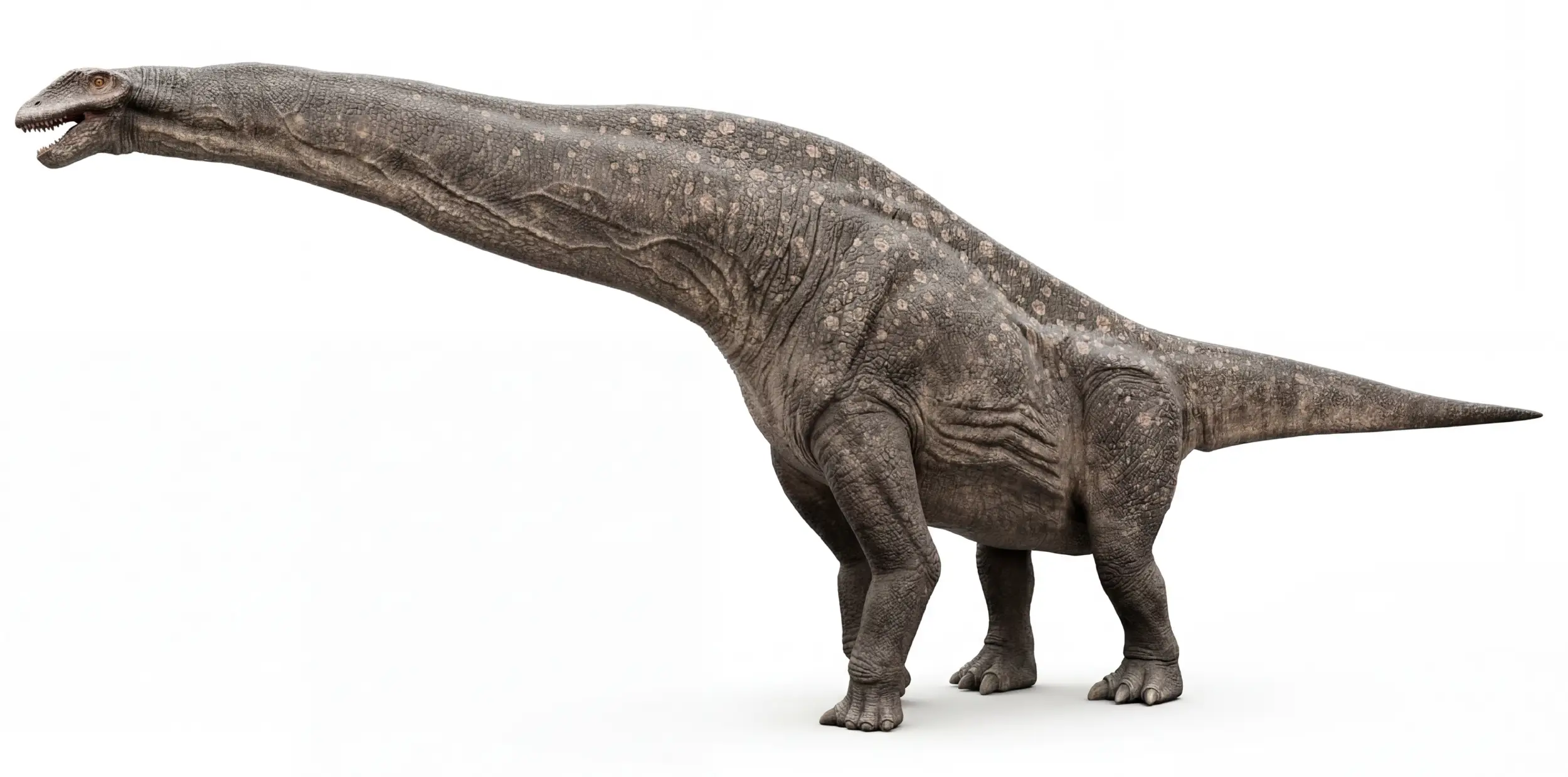
Patagotitan is a titanosaur, part of the long-necked sauropod family of dinosaurs. These were the largest land animals in Earth’s history, and Patagotitan may be the biggest of them all.
Discovered in Patagonia, Argentina, this giant lived during the Early Cretaceous period, around 101 million years ago.
Its sheer size is almost impossible to imagine.
-
Length: around 37 metres, longer than nine London fire engines parked nose to tail
-
Height: around 8 metres from ground to head
-
Weight: roughly 57 tonnes, heavier than nine African elephants
-
Diet: plants, stripping leaves and branches with peg-like teeth
-
Movement: walking on four immense pillar-like legs
Its thigh bone alone measures 2.38 metres, taller than most people.
To see a skeleton of this scale in person is something photographs can never quite capture. Standing beside it gives a real sense of the immense diversity of life that has existed on our planet.
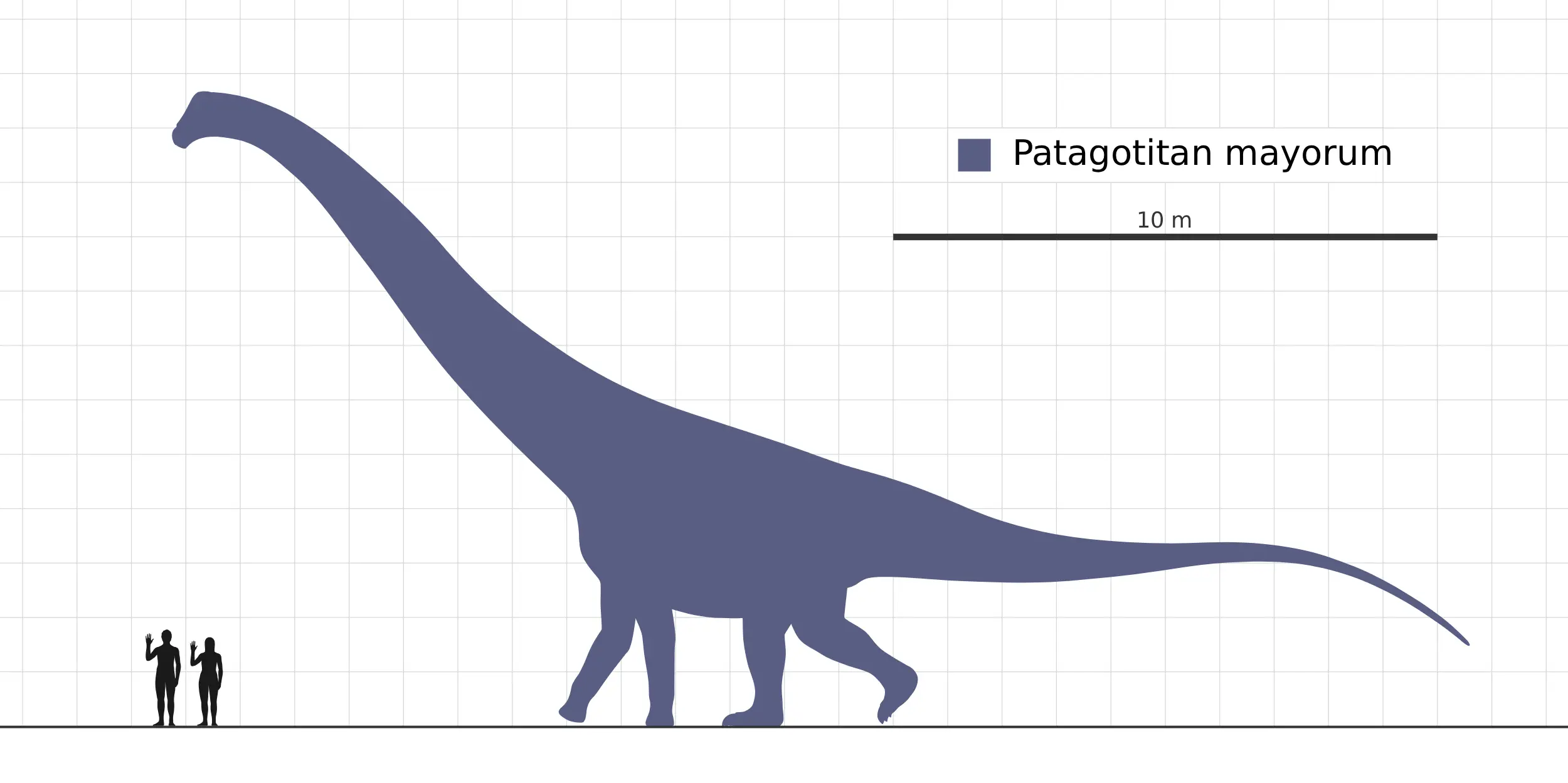
Image: Patagotitan mayorum scale diagram by Steveoc 86, based on reconstruction by Henrique Paes, via Wikimedia Commons. Licensed CC BY-SA 4.0.
A Discovery by Chance
The story of Patagotitan began in 2010 when a ranch worker in Patagonia noticed something unusual sticking out of the ground on his employer’s land at La Flecha Ranch.
It was a gigantic fossil bone.
Palaeontologists were called in, and over several excavation seasons between 2012 and 2015 they uncovered around 280 fossil bones belonging to at least six individual dinosaurs.
The animals had been buried by a series of ancient floods millions of years ago, preserving their remains in remarkable detail.
Because these fossils are so complete, scientists have been able to estimate the dinosaur’s size far more accurately than many other giant species.
The name Patagotitan mayorum reflects this story:
-
Patago refers to Patagonia, the region where it was discovered
-
Titan refers to its colossal size
-
mayorum honours the Mayo family who owned the ranch where the fossils were found
From Tiny Egg to Giant Titan
One of the most astonishing facts about titanosaurs is how small they began life.
Despite growing into animals weighing tens of tonnes, titanosaur eggs were only about the size of a grapefruit.
Young titanosaurs grew incredibly quickly. Fossil evidence suggests hatchlings could grow to ten times their birth weight in just two months.
That rapid growth was essential for survival in a prehistoric world filled with predators.
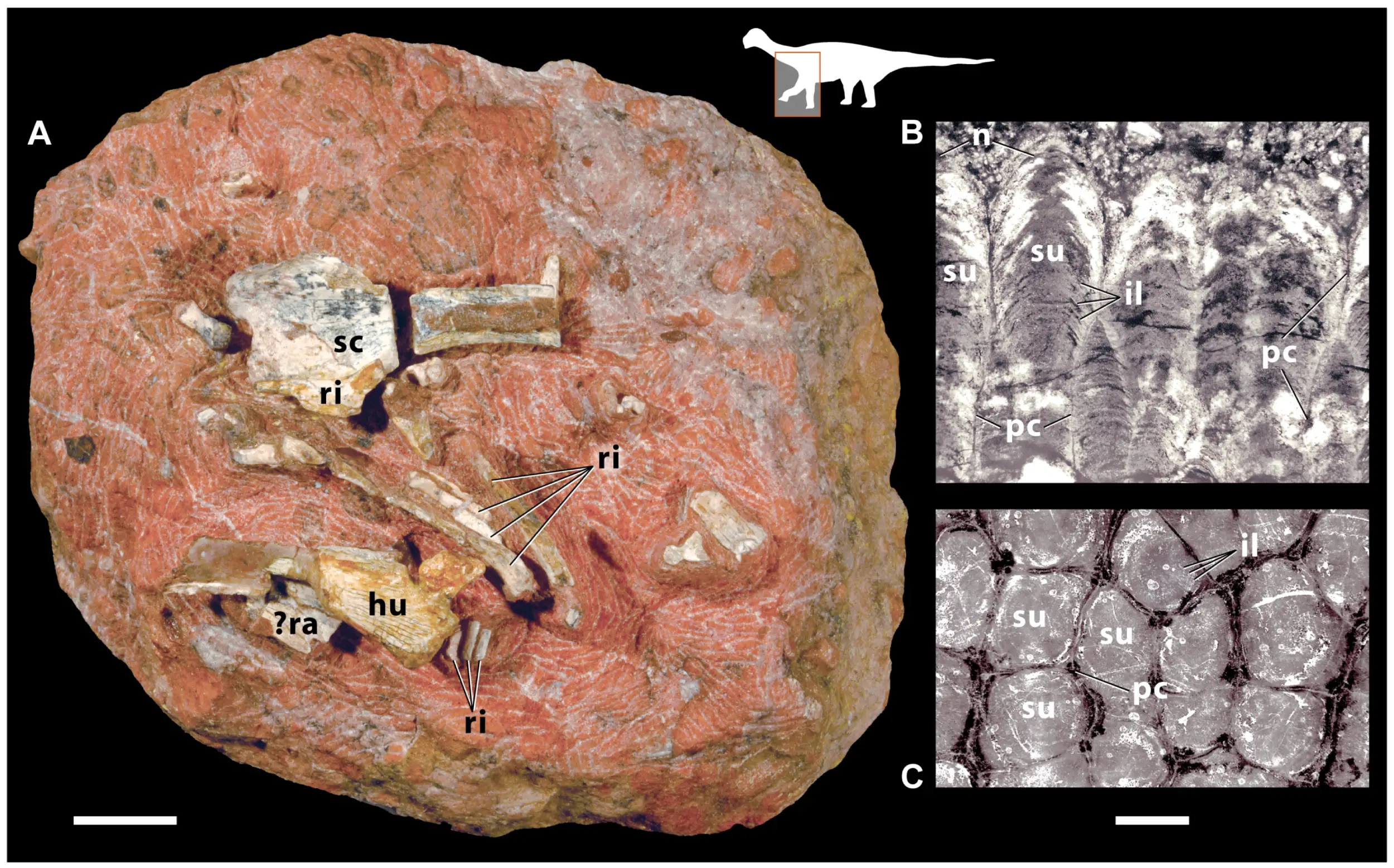
Titanosaur sauropod hatchling and egg. (A) Photograph of block GSI/GC/2904, showing elements of the anterior thorax and forelimb of the hatchling. The images at right are radial (B) and tangential (C) sections through an eggshell fragment removed from titanosaur egg 3 (from block GSI/GC/2905). External is towards the top in (B). hu, Humerus; il, incremental lines; n, node; pc, pore canal; ra, radius; ri, rib; sc, scapula; su, shell unit. Scale bar equals 2 cm for (A) and 500 µm for (B and C).
Wilson, J.A., Mohabey, D.M., Peters, S.E., & Head, J.J. (2010). Titanosaur hatchling and egg fossil. From Predation upon Hatchling Dinosaurs by a New Snake from the Late Cretaceous of India, PLoS Biology. Used under CC BY 2.5.*
A Dinosaur Beneath Cathedral Stone
Seeing Patagotitan inside Peterborough Cathedral will create a remarkable contrast.
The cathedral itself is built from Barnack limestone, a Jurassic stone filled with fossil fragments from ancient marine life. The walls already hold echoes of deep time.
Now, beneath those same stones, visitors will encounter a creature that once walked across prehistoric forests.
The scale of the dinosaur against the cathedral’s Romanesque arches will be breathtaking.
Standing beneath the skeleton, it becomes easier to imagine the living animal moving through ancient landscapes, stripping leaves from tall trees and weighing more than almost any land animal that has existed since.
A Moment of Wonder
Dinosaurs have fascinated people since the word itself was first coined in the nineteenth century. They capture imagination in a way few scientific discoveries can.
Part of that magic lies in scale. It is one thing to read about a dinosaur, but quite another to stand beneath it.
Patagotitan offers that rare moment of awe where science becomes something physical and immediate.
It reminds us that the Earth has hosted worlds very different from our own, and creatures far larger than anything alive today.
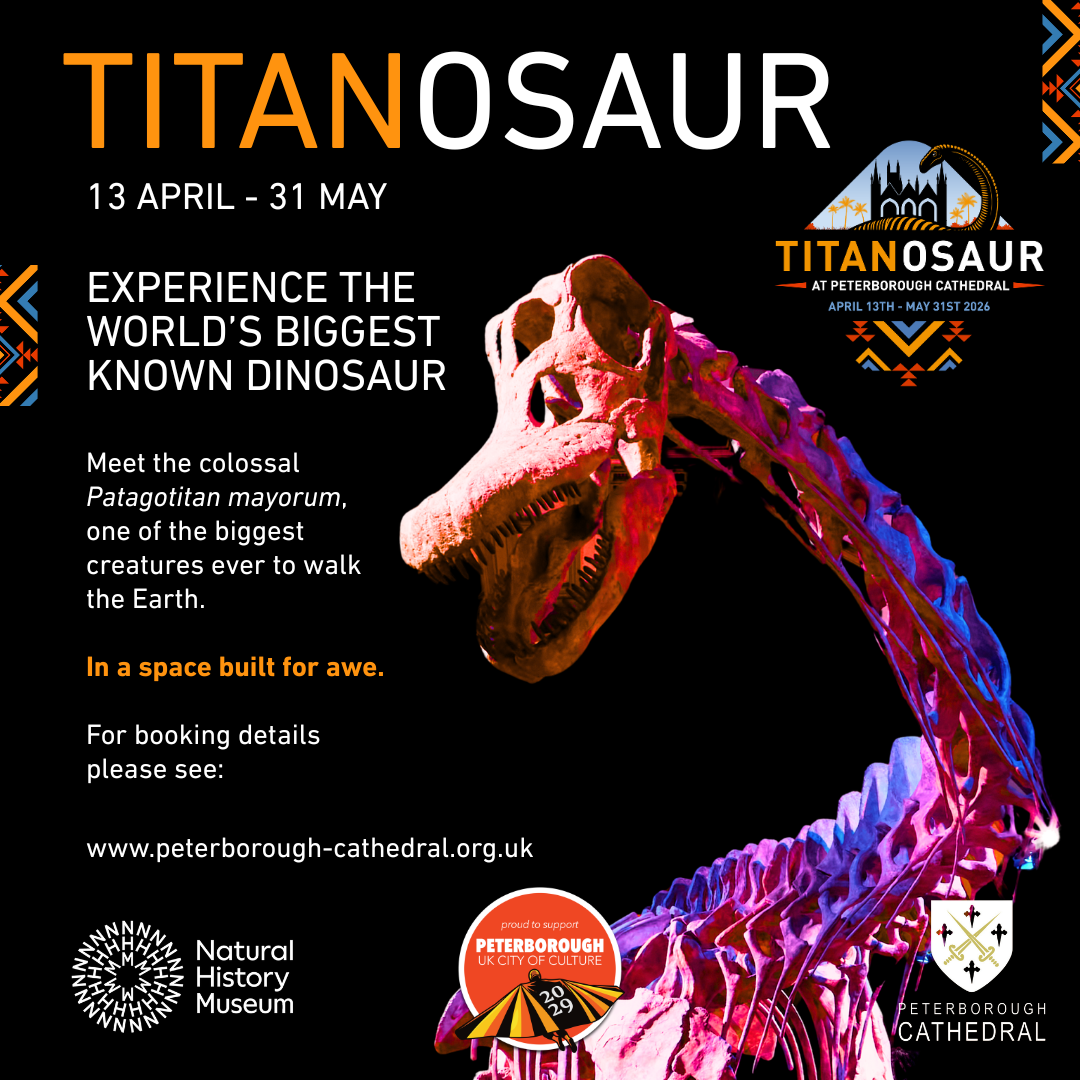
Trustees-of-the-NHM-London
Coming This April
When Patagotitan arrives at Peterborough Cathedral this April, visitors will have a chance to step into that story.
To stand beneath one of the greatest animals ever to live.
To look up at a skeleton that stretches longer than a football pitch.
And to feel, even briefly, the humbling scale of life across deep time.
For families, dinosaur enthusiasts and anyone with a sense of curiosity, it promises to be one of the most unforgettable experiences to visit Peterborough this year.