
What Is Someone From Peterborough Called?
A Londoner comes from London. A Mancunian comes from Manchester. So what do you call somebody from Peterborough? The answer is Peterborian, but behind that curious word lies more than a thousand years of changing names, medieval Latin, Victorian tradition and a city that has never stopped acquiring new people.
Every place eventually develops a word for its people. Liverpool has Liverpudlians. Glasgow has Glaswegians. Manchester has Mancunians. Newcastle has Geordies, although Novocastrian exists if you want to make the answer considerably more complicated.
Peterborough has Peterborians.
It is the established modern word for somebody from Peterborough, and it appears naturally in the language of the city today. Peterborough City Council's own communications use phrases such as “proud Peterborian”. 6
Linguists call a word like this a demonym, a name used for the inhabitants of a particular place.
But Peterborian is more interesting than it first appears, because Peterborough itself has not always been called Peterborough.
First, Peterborough needed a name.
For the earliest inhabitants of the settlement, “Peterborian” would have made no sense at all.
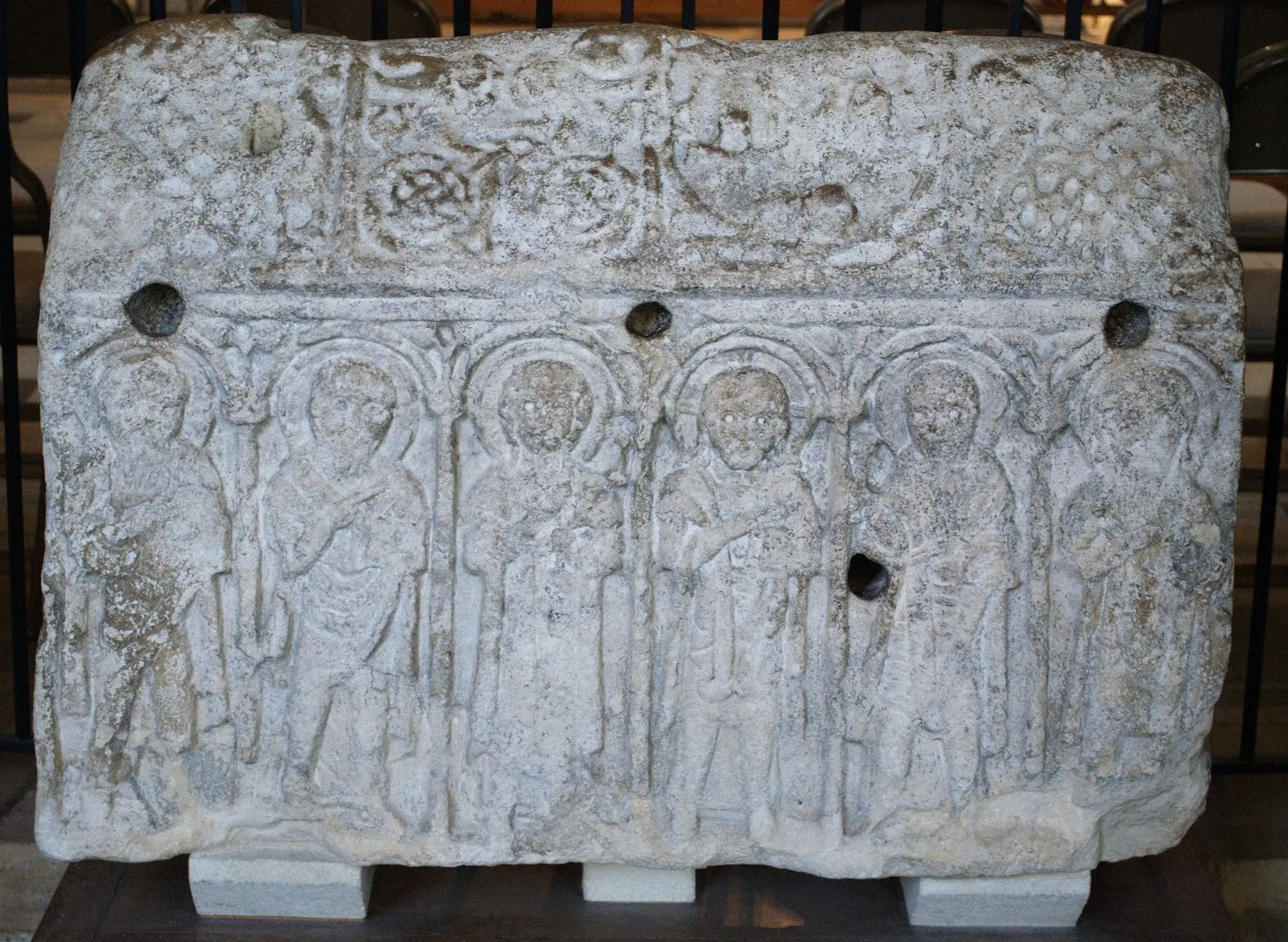
The monastery around which Peterborough eventually developed was originally known as Medeshamstede.
In the later Anglo-Saxon period the name Burh appears. The Society for Name Studies in Britain and Ireland records an early form from around 972–992 and explains the Old English burh as a stronghold or fortified place. 1
Then St Peter entered the name.
The same place-name evidence records Burgus Sancti Petri, the borough or stronghold of St Peter, in 1225, and Petreburgh in 1333. 1
In other words, Peterborough's modern name grew directly from the religious house dedicated to St Peter around which the town had developed.
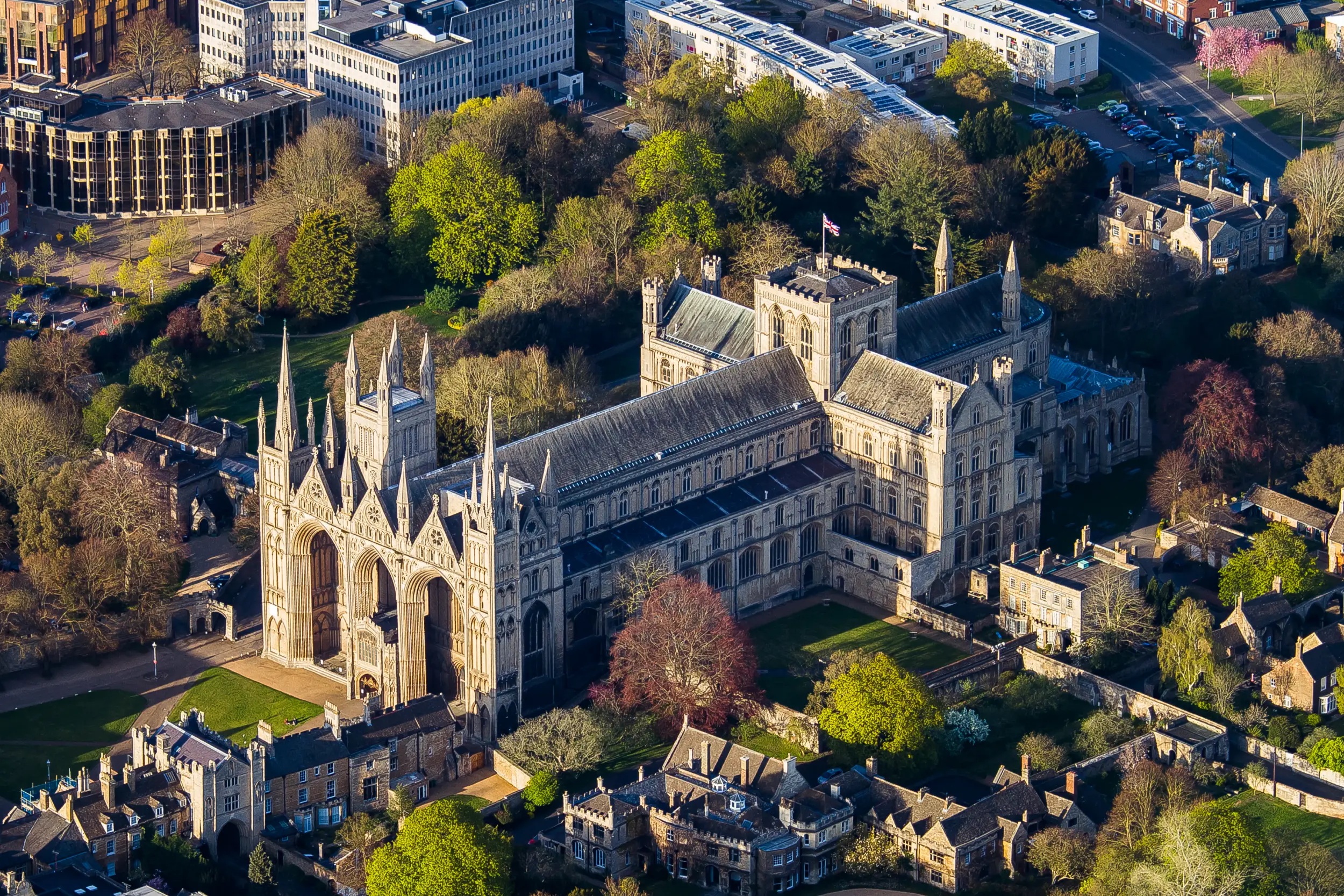
That history is still physically visible. The institution that helped give Peterborough its name survives at the centre of the city as Peterborough Cathedral .
Before there could be Peterborians, there had to be Peterborough.
Peterborough has changed its name, its boundaries and its population. The useful thing about “Peterborian” is that it belongs to the people.
A word for belonging
Meet the Petriburgian.
Peterborian is not the only word that has been built from Peterborough. Another survives in one of the city's oldest institutions, and it looks much more like something brought straight out of medieval Latin.
Petriburgian
Former pupils of The King's School are still known as Old Petriburgians. The school also publishes The Petriburgian, a title its own historical timeline dates to 1885. 2 3
Peterborian
This is the ordinary modern term for somebody from Peterborough. It has escaped the school gates and the Latinising traditions of older institutions to become a word for the city as a whole.
Why Petriburgian?
It is not a misspelling of Peterborian. It belongs to a much older Latinising way of writing Peterborough's name.
Historical scholarly works use forms such as Petriburgensis. An 1850 publication of the writings associated with Benedict, Abbot of Peterborough, for example, describes him in its Latin title as Benedicti Abbatis Petriburgensis. 4
The King's School still preserves the same family of words through Petriburgian and the Old Petriburgians.
That leaves Peterborough with two fascinating identity words.
Petriburgian survives as a particular historical and institutional tradition.
Peterborian is the wider word used for the people of Peterborough itself.
How old is “Peterborian”?
There is no neat proclamation announcing the invention of the word. Language rarely gives historians that luxury. But there are some useful markers.
Petriburgian is already established
The King's School preserves a Petriburgian tradition reaching well into the Victorian period. Its school magazine appeared in the 1880s and the Old Petriburgian name remains in use today. 2
A “native born Peterborian”
Peterborough Museum records Dr Thomas James Walker as the first native-born Peterborian to receive the Freedom of the City, when the honour was presented to him in 1915. The wording shows that Peterborian was already intelligible local language by the early twentieth century. 5
No explanation required
The word now appears naturally in civic language. Peterborough City Council Leader Shabina Qayyum, for example, described herself simply as a “proud Peterborian” in August 2026. 6
Peterborough has been making new Peterborians for centuries.
That matters because Peterborough's identity has never depended solely on families who have been here for generations. Again and again, the city has grown because people arrived.
The railway city
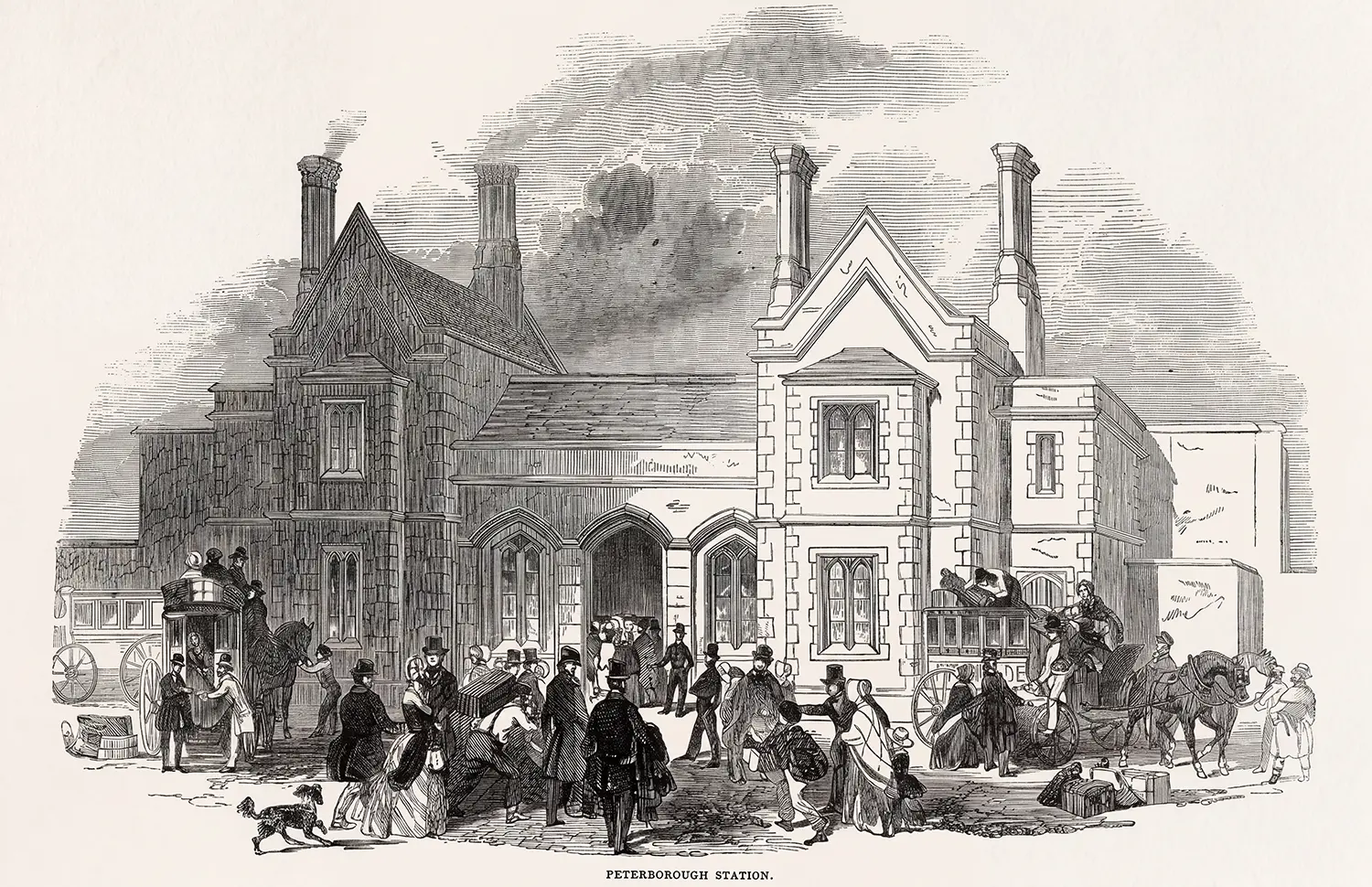
Rail transformed Peterborough from cathedral and market town into a major national junction. Railway employment, engineering and industry drew workers and their families into a rapidly growing city.
Neighbourhoods such as New England grew directly from that movement of people. A new generation could arrive by train, build a life here and become part of Peterborough.
The New Town
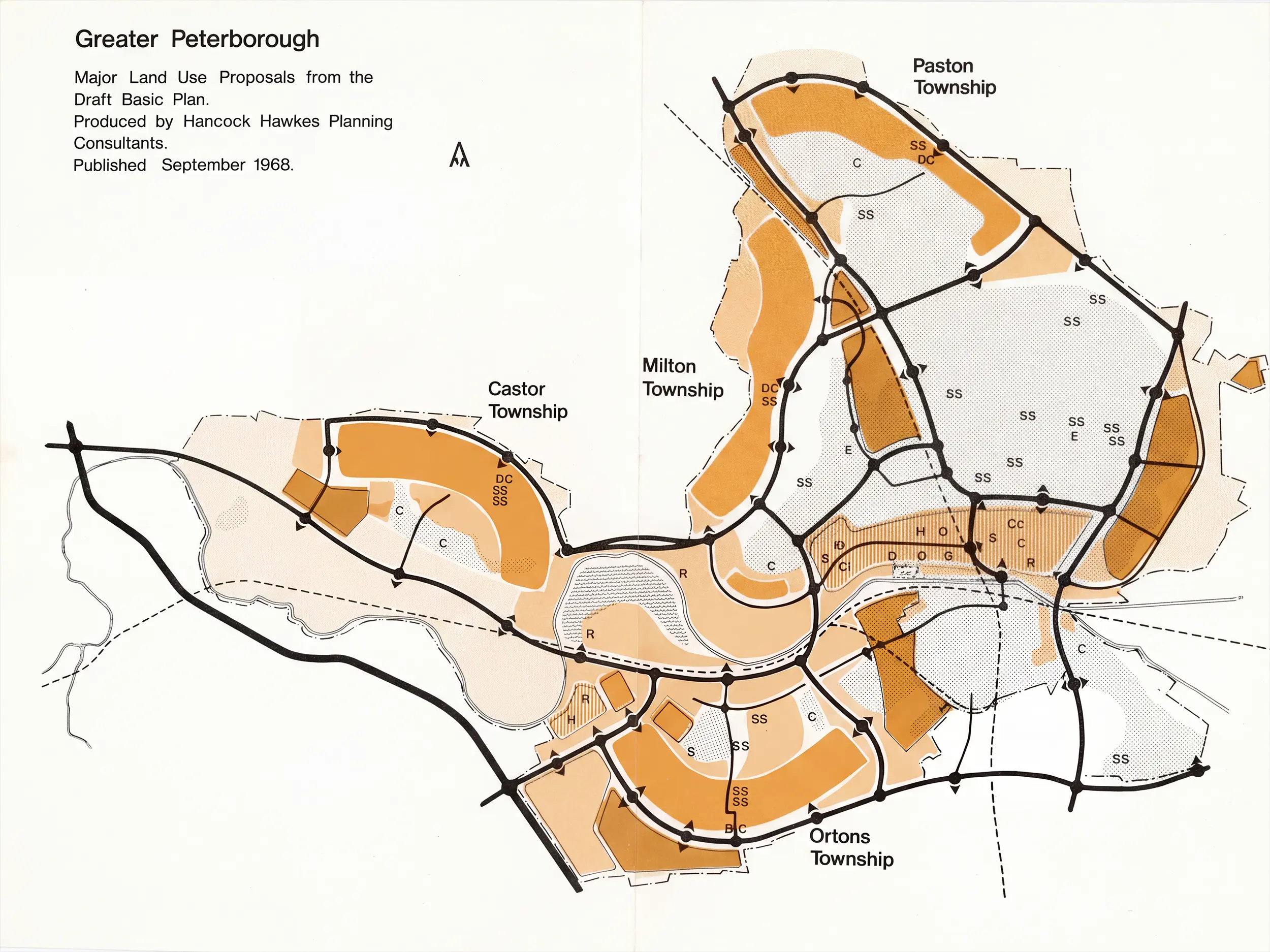
In 1967 Peterborough was designated for enormous planned expansion. Parliament discussed plans for around 70,000 newcomers, many expected from Greater London. 7
Bretton, Orton and later other expanding communities changed the physical and social scale of Peterborough. People arrived from elsewhere, made homes, raised families and became part of the city's story.
Engines, bricks and opportunity.
The railway was only one reason people came.
Peterborough's enormous brick industry needed workers. Engineering firms needed apprentices, designers, machinists and skilled labour. Companies such as Baker Perkins and Perkins Engines became part of the lives of thousands of local families.
The city's industrial history is therefore also a history of population change.
You can follow that story through Peterborough's engineering history , and through the wider Peterborough History collection .
Each economic era created another route into the city.
Work brought people here. Life made them Peterborians.
Do you have to be born here?
People sometimes describe themselves as “born and bred Peterborians”.
But those extra words are revealing.
If Peterborian could only ever mean somebody born within the city, there would be no reason to add “born and bred”.
Place identity is rarely that simple.
A person can inherit Peterborough through generations of family. They can be born here. They can grow up here. They can arrive for work, university, family or opportunity and decide to stay.
Peterborough's own history makes an exclusively birth-based definition particularly difficult to defend. The railway city depended on incomers. The industrial city depended on them. New Town Peterborough was explicitly designed to welcome tens of thousands more.
The city itself has always been becoming.
Perhaps the word matters because the map has never been simple.
Ask someone from Peterborough where they are from and the answer is usually straightforward.
Peterborough.
Ask which county Peterborough belongs to and you may receive a much longer answer.
For centuries the city was associated chiefly with Northamptonshire. The Soke of Peterborough later became its own administrative county. In 1965 came Huntingdon and Peterborough. In 1974 Peterborough entered the modern Cambridgeshire structure. In 1998 the city became a unitary authority and again took responsibility for county-level services itself.
That unusual history is explored in Peterborough: A City of Its Own .
Governments have repeatedly changed the larger geography around Peterborough.
Peterborough people have generally carried on being Peterborough people.
What does a Peterborian look like? There is no answer to that question. That is rather the point.
One city, accumulated lives
There has never been only one kind of Peterborian.
A Peterborian might trace their family in the area for centuries.
Their great-grandparents might have arrived to work on the railway.
Their grandparents might have made bricks in Fletton or built engines at Perkins.
Their parents might have moved from London into one of the New Town neighbourhoods.
They might have grown up in Werrington, Bretton, Millfield, Orton, Paston, Hampton, Stanground, Westwood or one of the villages beyond the urban edge.
Or they might have arrived yesterday.
The Peterborough People collection tells some of the extraordinary individual stories, from writers and engineers to actors, astronomers, campaigners, monarchs and inventors.
Our feature The City That Looked Harder explores another recurring side of local character, people becoming extraordinary experts because they paid unusually close attention to the world around them.
But most Peterborians will never appear in a history book.
Cities are not made only by famous people.
They are made by accumulated lives.
Discover what made a Peterborian.
The word makes more sense when you explore the histories, people and places that continually remade Peterborough.
Peterborough History
Travel from Jurassic seas and Anglo-Saxon Medeshamstede to railways, industry and the modern city.
Explore the history → IdentityA City of Its Own
Discover why Peterborough's relationship with counties and regional identities has always been unusually complicated.
Follow the boundaries → PeoplePeterborough People
Meet the remarkable individuals whose lives became part of Peterborough's story.
Meet the people → OriginsCathedral & Medeshamstede
Explore the religious community around which Peterborough itself eventually developed.
Go back to the beginning → MovementThe Railway City
See how the railway brought people, skills, industries and entirely new neighbourhoods.
Follow the railway story → Modern PeterboroughThe New Town
Discover the extraordinary period when Peterborough deliberately planned to welcome tens of thousands of new residents.
Enter the New Town era →So, what do you call somebody from Peterborough?
Not Peterboroughian.
Usually not Petriburgian, unless a particular King's School tradition is involved.
The word is Peterborian.
You can be a fifth-generation Peterborian. A born-and-bred Peterborian. A Peterborian whose parents came during the New Town expansion. Or somebody who arrived much more recently and decided that this was home.
Because cities do not simply inherit their people. Their people keep making the city.
Research sources
This feature draws on place-name research, school archives, museum records, parliamentary material and contemporary civic usage. Discover Peterborough pages are used throughout for further exploration, but not as research citations below.
- Society for Name Studies in Britain and Ireland, Names of Britain and Ireland's largest towns and cities . Peterborough is explained from Old English burh, with early forms including Burh, Burgus Sancti Petri and Petreburgh.
- The King's School, Peterborough, History Timeline . The school records the first publication of The Petriburgian in 1885.
- The King's School, Peterborough, Old Petriburgians . The historic name continues to be used for former pupils and by the Old Petriburgians Association.
- University of Pennsylvania, Online Books Page, Benedicti Abbatis Petriburgensis, De Vita et Miraculis S. Thomae Cantuar , recording the Latinised Petriburgensis form associated with Peterborough.
- Peterborough Museum & Art Gallery, Dr Thomas James Walker and the Museum Connection . Walker is described as the first “native born Peterborian” to receive the Freedom of the City, in 1915.
- Peterborough City Council, Leader's column, 14 August 2026 . A contemporary example of the phrase “proud Peterborian” in official civic use.
- UK Parliament, Hansard, Peterborough New Town debate, 27 November 1967 . Parliamentary discussion records plans for around 70,000 newcomers as part of Peterborough's expansion.